












SIEMENS SKP15.000E1 Electrohydraulic Gas Actuator Basic Model


The SIEMENS SKP15.000E1 Electrohydraulic Gas Actuator Basic Model is engineered for precise and reliable control of gas flow in demanding industrial applications. This actuator excels due to its robust construction, rapid response times, and inherent safety features, making it a preferred choice for critical process control. Key advantages include its high positioning accuracy, inherent fail-safe functionality, and suitability for a wide range of operating pressures. Essential technical parameters for the basic model encompass an operating temperature range of -40 to +65°C, an ingress protection rating of IP66/IP67, and a maximum ambient humidity of 95%. The actuator's power supply requirement is 24 VDC, and it delivers a maximum torque of 15 Nm, with an actuation time of less than 1 second for a 90° angle.
Core Features & Market Positioning
The SIEMENS SKP15.000E1 stands out in the market through its electrohydraulic actuation technology, which provides a unique blend of high force and precise modulation capabilities. Unlike purely electric actuators, its hydraulic system offers superior damping and overload protection, crucial for applications involving fast-acting valves or variable load conditions. This technology ensures exceptionally smooth operation and extended service life, even under continuous duty cycles. Its positioning accuracy, typically within ±1%, combined with a direct-acting principle, minimizes system complexity and potential failure points. This positions the SKP15.000E1 as a premium solution for industries demanding utmost reliability and performance, such as power generation, petrochemical, and heavy manufacturing.
Key Application Scenarios
This electrohydraulic gas actuator finds extensive use in controlling gas shut-off and control valves across various industrial sectors. It is frequently specified for applications requiring rapid emergency shutdown (ESD) capabilities, such as in natural gas pipelines and processing plants where swift and decisive valve closure is paramount for safety. Furthermore, its precise modulation characteristics make it ideal for fuel gas control systems in power plants, ensuring optimal combustion efficiency and emissions control. Other significant applications include its deployment in industrial furnaces, boilers, and chemical processing units where precise regulation of gas flow is critical for maintaining process stability and product quality.
Practical System Integration Guidance
Integrating the SIEMENS SKP15.000E1 into existing control systems is streamlined by its standardized electrical interface and mechanical mounting options. The actuator is designed for direct mounting onto standard valve flange patterns, simplifying installation and reducing the need for complex linkages. Wiring involves connecting the 24 VDC power supply and the control signals, typically from a PLC or DCS, to the designated terminals within the actuator's housing. The basic model often utilizes a simple on/off or analog position control signal. For advanced control or diagnostics, optional interface modules can be integrated. Ensuring proper grounding and shielding of control wiring is essential to prevent electromagnetic interference and maintain signal integrity in harsh industrial environments.
Operation and Risk Mitigation
Safe operation of the SIEMENS SKP15.000E1 relies on adherence to established safety protocols and understanding its inherent fail-safe mechanism. The electrohydraulic design typically incorporates a spring-return system, ensuring that the actuator moves to a predefined safe position (e.g., closed) upon loss of power or control signal. Regular visual inspections for leaks or physical damage, along with periodic functional testing of the fail-safe operation, are crucial risk mitigation steps. Troubleshooting typically involves checking power supply, control signal integrity, and hydraulic fluid levels if applicable. Fault indications, if present via diagnostic outputs, should be investigated promptly according to the manufacturer's guidelines to prevent process disruptions or safety incidents.
Scalability & Long-Term Value
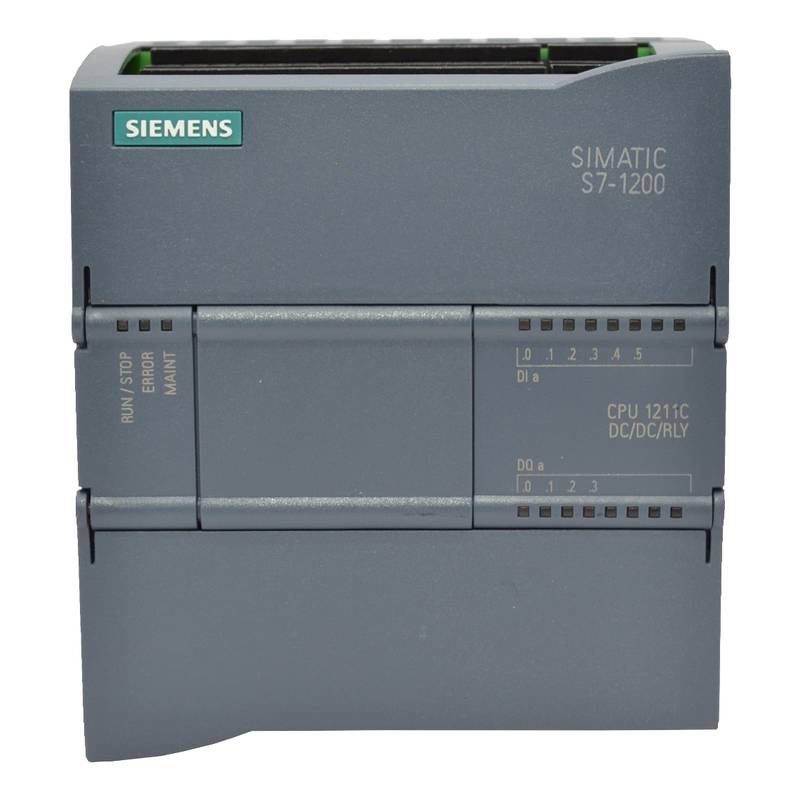
While the SKP15.000E1 is presented as a basic model, its underlying Siemens platform offers significant scalability and long-term value. The modular design allows for the integration of advanced digital communication modules, enabling connectivity with Industrial Internet of Things (IIoT) platforms for predictive maintenance and remote monitoring. Compatibility with broader Siemens automation portfolios, such as SIMATIC PLCs and SITRANS instrumentation, ensures seamless integration into existing or future plant-wide control architectures. This forward compatibility and the robust build quality of the actuator contribute to a lower total cost of ownership by minimizing downtime and facilitating upgrades without requiring complete system overhauls.
*
Frequently Asked Questions
What is the primary function of the SIEMENS SKP15.000E1?
The SIEMENS SKP15.000E1 acts as an electrohydraulic actuator for precise control of industrial gas valves. It ensures accurate positioning for flow regulation and rapid response for shut-off functions, enhancing process safety and efficiency.
This device translates electrical control signals into mechanical motion through an electrohydraulic system. Its robust design makes it suitable for demanding environments where reliability is paramount. It is commonly used in fuel gas lines and emergency shutdown systems.
The actuator's ability to provide high torque and fast actuation is critical for many industrial processes. It plays a vital role in maintaining optimal operating conditions and preventing hazardous situations through its reliable performance.
What are the key technical specifications of the SKP15.000E1 basic model?
The basic model operates within a wide temperature range of -40 to +65°C and offers IP66/IP67 ingress protection. It requires a 24 VDC power supply and delivers a maximum torque of 15 Nm.
The actuator achieves a full 90° angle movement in under 1 second, which is crucial for rapid valve response. Ambient humidity should not exceed 95%.
These specifications highlight its suitability for harsh industrial conditions and its capacity for high-performance control applications.
Where is the SIEMENS SKP15.000E1 typically applied in industry?
This actuator is widely used for controlling gas shut-off and control valves in power generation and petrochemical industries. It is essential for emergency shutdown (ESD) systems in gas pipelines and processing facilities.
Its precise modulation capabilities are also leveraged in fuel gas control systems to optimize combustion and reduce emissions. Other applications include industrial furnaces and chemical processing plants.
The SKP15.000E1's versatility allows it to be integrated into a broad spectrum of processes requiring reliable gas flow management.
How is the SKP15.000E1 installed and commissioned?
Installation involves direct mounting onto standard valve flanges, simplifying mechanical integration. Electrical connections require a 24 VDC power supply and control signal wiring to the actuator terminals.
Commissioning typically involves verifying power supply, control signal inputs, and ensuring the actuator's range of motion is correctly set. Proper grounding and shielding of control cables are vital for signal integrity.
For more advanced setups, optional modules may be incorporated, requiring specific configuration or programming via compatible control systems.
What are the safety features of the SIEMENS SKP15.000E1?
A primary safety feature is its inherent fail-safe function, usually a spring-return mechanism that moves the valve to a safe position upon power loss. This ensures immediate response to critical situations.
The robust electrohydraulic design provides excellent damping and overload protection, preventing damage to the actuator and valve under stress. Its high ingress protection rating also ensures reliable operation in dusty or wet environments.
Regular functional testing of the fail-safe mechanism and visual inspections are recommended to maintain operational safety and mitigate risks.
Can the SKP15.000E1 be integrated with digital control systems or IIoT platforms?
Yes, while the basic model has standard interfaces, Siemens offers optional modules that enable digital communication protocols. This allows for seamless integration with modern Distributed Control Systems (DCS) and Programmable Logic Controllers (PLC).
With the appropriate digital interface, the SKP15.000E1 can transmit operational data for monitoring and diagnostics. This connectivity is crucial for implementing IIoT strategies, enabling predictive maintenance and performance optimization.
This integration capability ensures the actuator remains a relevant component within smart manufacturing and Industry 4.0 initiatives, extending its long-term value.
What is the expected lifespan and maintenance for this actuator?
The SIEMENS SKP15.000E1 is built for durability with a robust electrohydraulic design, contributing to a long service life under demanding conditions. Routine maintenance primarily involves visual inspections and functional checks.
Key maintenance activities include checking for hydraulic fluid leaks (if applicable to specific configurations), ensuring electrical connections are secure, and periodically testing the fail-safe mechanism. Adherence to operating parameters is critical.
Preventive maintenance schedules, as recommended by Siemens, can further extend the actuator's lifespan and ensure consistent, reliable performance, minimizing unexpected downtime.
Does the SKP15.000E1 have diagnostic capabilities for fault finding?
The basic model may offer limited diagnostic feedback, often through status relays. However, optional interface modules significantly enhance diagnostic capabilities, providing detailed fault codes and operational status.
These advanced modules can communicate status information like actuator position, internal temperature, or fault conditions directly to a control system. This facilitates quicker troubleshooting and reduces downtime.
When equipped with diagnostic features, users can proactively identify potential issues and implement corrective actions before they impact the process.
What is the power consumption of the SKP15.000E1?
The SKP15.000E1 operates on a 24 VDC power supply. The actual power consumption will vary depending on the operating mode – whether it is in motion, holding a position, or idle.
During actuation, when the motor is running to move the valve, the power draw will be at its peak. Once the desired position is reached, the power consumption reduces significantly as it maintains position.
Specific power consumption figures are typically detailed in the product's technical documentation and depend on factors like valve load and actuation speed.
How does the electrohydraulic actuation differ from electric actuators?
Electrohydraulic actuation uses an electric motor to drive a hydraulic pump, which then generates the force to move the actuator. This offers advantages like superior damping, overload protection, and the ability to handle high forces smoothly.
Purely electric actuators use electric motors directly or through gearboxes to produce torque. While simpler, they may offer less damping and can be more susceptible to damage from overloads if not properly protected.
The hydraulic system in the SKP15.000E1 provides inherent robustness and a distinct performance profile suitable for applications requiring both power and finesse.