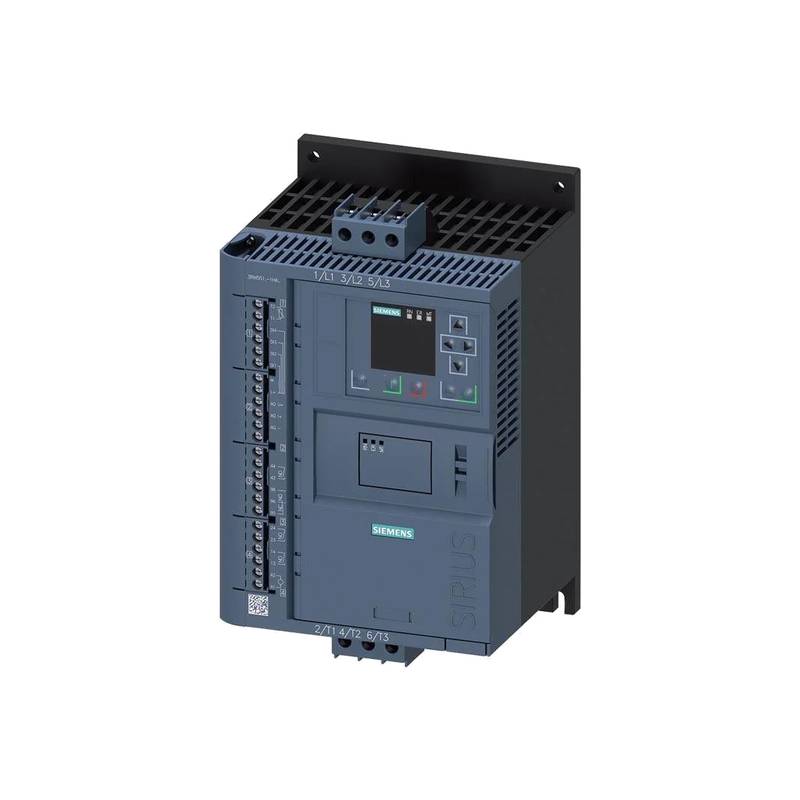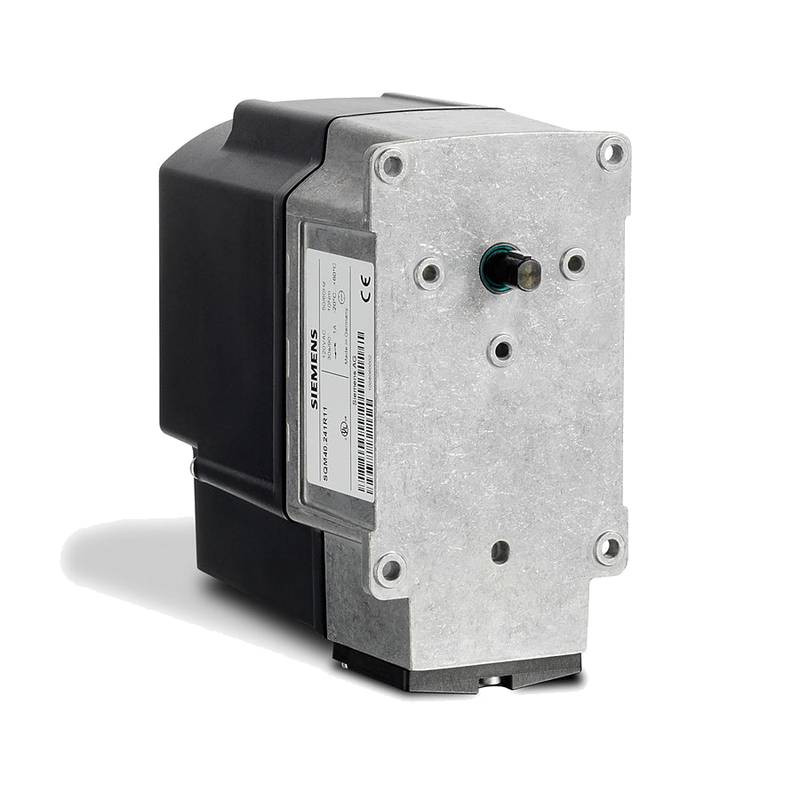












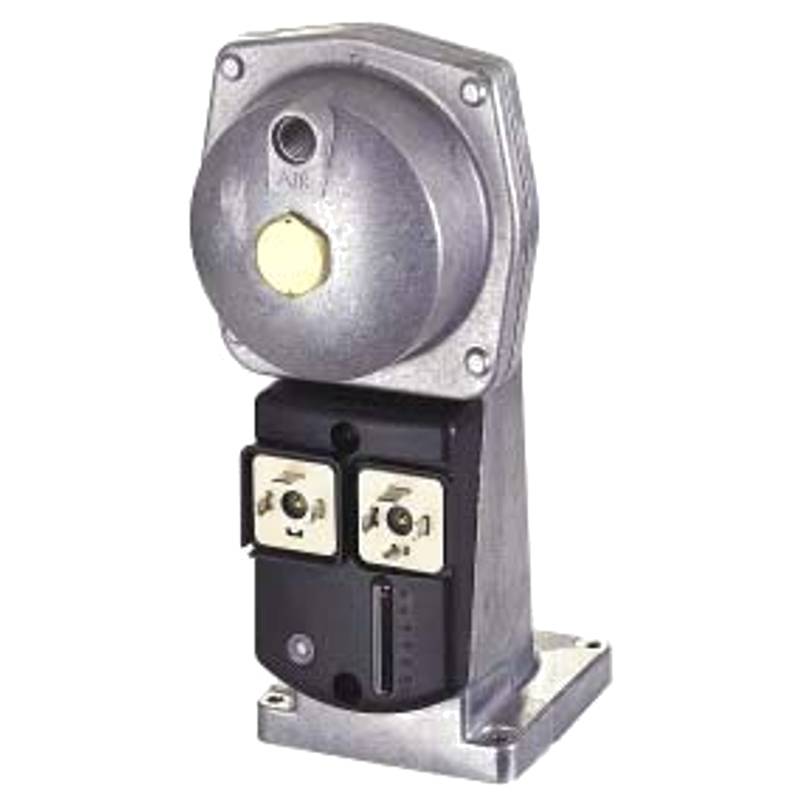
SIEMENS SKP25.303E2 Differential Pressure Regulating Actuator


The SIEMENS SKP25.303E2 Differential Pressure Regulating Actuator stands as a robust solution for maintaining precise pressure differentials in a wide array of industrial HVAC and building automation systems. This actuator offers exceptional control accuracy, energy efficiency, and seamless integration capabilities, making it a preferred choice for engineers and facility managers. Key technical parameters include a flow rate range of 25 m³/h to 250 m³/h, a maximum differential pressure of 600 kPa, and an operating temperature range of -10°C to 50°C. Its robust construction and advanced control algorithms ensure reliable performance and extended service life.
| Parameter | Specification |
| :-------------------- | :------------------------------------------------- |
| Product Type | Differential Pressure Regulating Actuator |
| Model Number | SKP25.303E2 |
| Manufacturer | Siemens |
| Flow Rate Range | 25 m³/h – 250 m³/h |
| Maximum Differential Pressure | 600 kPa |
| Operating Temperature | -10°C to 50°C |
| Voltage | AC 24 V |
| Control Signal | 0...10 V DC, 4...20 mA |
| Actuator Force | 700 N |
| Stroke | 20 mm |
| Protection Class | IP54 |
| Communication | BACnet MS/TP, Modbus RTU (optional) |
Core Features & Market Positioning
The SIEMENS SKP25.303E2 differentiates itself through its advanced modulating control capabilities, ensuring optimized system performance and significant energy savings. Its market positioning is firmly established as a premium component for demanding applications where precise differential pressure control is paramount. Industry professionals value its reliability, ease of integration with Siemens' broader building management systems, and its ability to adapt to varying system loads without compromising efficiency. The actuator’s robust design minimizes maintenance requirements, further enhancing its long-term value proposition.
Key Application Scenarios
This differential pressure regulating actuator is ideally suited for controlling water flow in heating and cooling circuits, such as those found in large commercial buildings, district heating networks, and industrial process applications. Its precise regulation is critical for maintaining stable temperatures and preventing issues like pump cavitation or excessive noise in hydronic systems. It plays a vital role in Variable Primary Flow (VPF) systems, ensuring optimal chiller and boiler plant efficiency by precisely matching system demand. Furthermore, it finds application in systems requiring constant differential pressure across components like heat exchangers or filters.
Practical System Integration Guidance
Integrating the SIEMENS SKP25.303E2 into existing systems is streamlined by its versatile communication options. For direct digital control, the actuator accepts standard analog signals (0-10 V DC or 4-20 mA), enabling easy connection to VAV controllers or Building Management Systems (BMS). For advanced integration, optional communication modules support BACnet MS/TP or Modbus RTU, allowing for network-based control, monitoring, and diagnostics. Proper wiring involves connecting the power supply (AC 24 V) and the chosen control signal. Ensure correct polarity for analog signals and consult the product manual for specific terminal assignments based on the communication protocol used.
Operation and Risk Mitigation
The SKP25.303E2 operates by modulating a valve to maintain a set differential pressure, responding dynamically to changes in system flow. Its internal algorithms ensure smooth, stable operation, preventing rapid cycling that can lead to premature wear. Risk mitigation is inherent in its robust design, offering protection against overpressure and exceeding operational limits. For troubleshooting, common issues might involve incorrect sensor readings or communication failures. Ensure that all connected sensors are accurately calibrated and that the network wiring is secure and free from interference. Refer to the technical documentation for specific fault code interpretations and recommended corrective actions.
Scalability & Long-Term Value
The scalability of the SIEMENS SKP25.303E2 is a significant advantage for modern facility management. Its compatibility with a wide range of Siemens automation platforms, including Desigo, allows for easy expansion and integration into larger, more complex building management systems. The availability of optional communication modules ensures that the actuator can remain a relevant component even as communication protocols evolve. Furthermore, its ability to integrate with Industrial Internet of Things (IIoT) platforms enables advanced data analytics, predictive maintenance, and optimized energy management strategies, contributing to the long-term operational efficiency and sustainability of the facility.
Frequently Asked Questions
What is the primary function of the SIEMENS SKP25.303E2?
The SIEMENS SKP25.303E2 acts as a differential pressure regulating actuator. It actively controls a valve to maintain a consistent pressure difference across a section of a hydronic system. This ensures stable flow rates and optimizes the performance of connected equipment like pumps and heat exchangers.
This precise control is crucial for energy efficiency in HVAC and industrial processes. It prevents over-pumping and ensures that heating or cooling is delivered exactly where and when it's needed, reducing waste.
By maintaining a stable differential pressure, the actuator helps to prevent common system issues such as pump cavitation, noise, and uneven distribution of heated or cooled water.
How do I connect the SIEMENS SKP25.303E2 to a Siemens BMS?
Connecting the SKP25.303E2 to a Siemens BMS is typically done via its communication ports. If using analog control, wire the 0-10V or 4-20mA output from your BMS controller to the actuator's input terminals. Ensure correct polarity and signal type selection.
For digital integration, install the optional BACnet MS/TP or Modbus RTU communication module. Connect the actuator's communication bus terminals to the corresponding terminals on the BMS network.
Always refer to the specific wiring diagrams in the SKP25.303E2 installation manual and your BMS system documentation for precise terminal assignments and network configuration settings.
What are the benefits of using the SIEMENS SKP25.303E2 in Variable Primary Flow (VPF) systems?
In VPF systems, the SKP25.303E2 ensures that the differential pressure across the system remains constant regardless of flow variations. This allows variable speed pumps to operate at their most efficient speeds, significantly reducing energy consumption.
It prevents issues where low flow conditions might occur in certain parts of the system, ensuring that all terminal units receive adequate flow for effective heating or cooling. This leads to more consistent and comfortable indoor environments.
By maintaining optimal operating conditions, the actuator contributes to the overall longevity of pumps and other system components by preventing excessive wear caused by fluctuating pressures and flows.
What is the typical flow rate range for the SKP25.303E2?
The SIEMENS SKP25.303E2 is designed to handle a broad spectrum of flow rates. Its operational range typically spans from a minimum of 25 cubic meters per hour up to a maximum of 250 cubic meters per hour.
This wide operational window makes the actuator suitable for a variety of applications, from smaller building services to larger industrial process setups requiring substantial water circulation.
The specific flow rate achieved will depend on the differential pressure setpoint, the valve's position, and the system's inherent resistance to flow.
Can the SIEMENS SKP25.303E2 operate in extreme temperature environments?
The SKP25.303E2 is built for robust industrial applications, but its operating temperature range is specified for optimal performance. It can typically function reliably within a range of -10°C to 50°C.
Operating the actuator outside of these specified temperature limits may lead to reduced performance, potential component damage, or complete system failure. It is crucial to ensure the installation environment adheres to these guidelines.
For applications experiencing temperatures outside this range, consider additional environmental controls such as insulated enclosures or auxiliary heating/cooling if the actuator's specifications cannot be met by the ambient conditions.
What type of control signals does the SIEMENS SKP25.303E2 accept?
The SIEMENS SKP25.303E2 supports versatile control inputs to accommodate various automation strategies. It accepts standard analog control signals, specifically 0-10 V DC.
In addition to voltage-based control, it is also capable of interpreting current-based signals, particularly the 4-20 mA range. This flexibility allows integration with a wide array of controllers and sensors.
The selection between voltage and current signals is usually configured during installation or commissioning, depending on the requirements of the connected control system and the transmission distances involved.
How does the SKP25.303E2 contribute to energy efficiency?
The SKP25.303E2 contributes to energy efficiency by precisely modulating flow to match actual demand, rather than operating at fixed or inefficient settings. This dynamic adjustment minimizes energy wasted by pumps and other circulation equipment.
By maintaining a constant differential pressure, it ensures that pumps do not overwork to overcome system resistance, leading to lower electricity consumption for pumping operations. This is particularly beneficial in variable load scenarios.
Its accurate control also helps maintain optimal operating conditions for chillers and boilers, allowing them to function at peak efficiency and further reducing the overall energy footprint of the building or process.
What is the maximum differential pressure the SIEMENS SKP25.303E2 can regulate?
The SIEMENS SKP25.303E2 is engineered to manage significant pressure variations within hydronic systems. It is rated to handle a maximum differential pressure of 600 kPa.
This capability ensures that the actuator can effectively maintain precise pressure control even in systems with substantial head loss or where pump output is high, providing reliable performance under demanding conditions.
Adhering to this maximum differential pressure is crucial for the longevity and safe operation of the actuator; exceeding this limit could lead to mechanical failure or compromised control accuracy.
Does the SIEMENS SKP25.303E2 offer advanced communication protocols like BACnet or Modbus?
Yes, the SIEMENS SKP25.303E2 is designed for modern integrated building management systems. It offers optional communication modules for advanced networking.
These optional modules enable support for industry-standard protocols such as BACnet MS/TP and Modbus RTU. This allows for seamless integration into larger BMS networks for centralized control and monitoring.
Utilizing these protocols facilitates remote diagnostics, data logging, and sophisticated control strategies, enhancing the overall intelligence and operational efficiency of the HVAC system.
What are common troubleshooting steps for the SIEMENS SKP25.303E2?
Begin troubleshooting by verifying the power supply to the actuator and checking the integrity of the control wiring. Ensure the correct signal type (voltage or current) is being sent by the controller and that it is within the actuator's acceptable range.
Confirm that the differential pressure sensors connected to the system are functioning correctly and have been properly calibrated. Incorrect sensor readings are a frequent cause of control issues, leading the actuator to respond inappropriately.
Review the product's technical documentation for specific error codes or fault indications displayed by the actuator or its connected controller. Consult fault tables to diagnose the root cause and implement the recommended corrective actions.