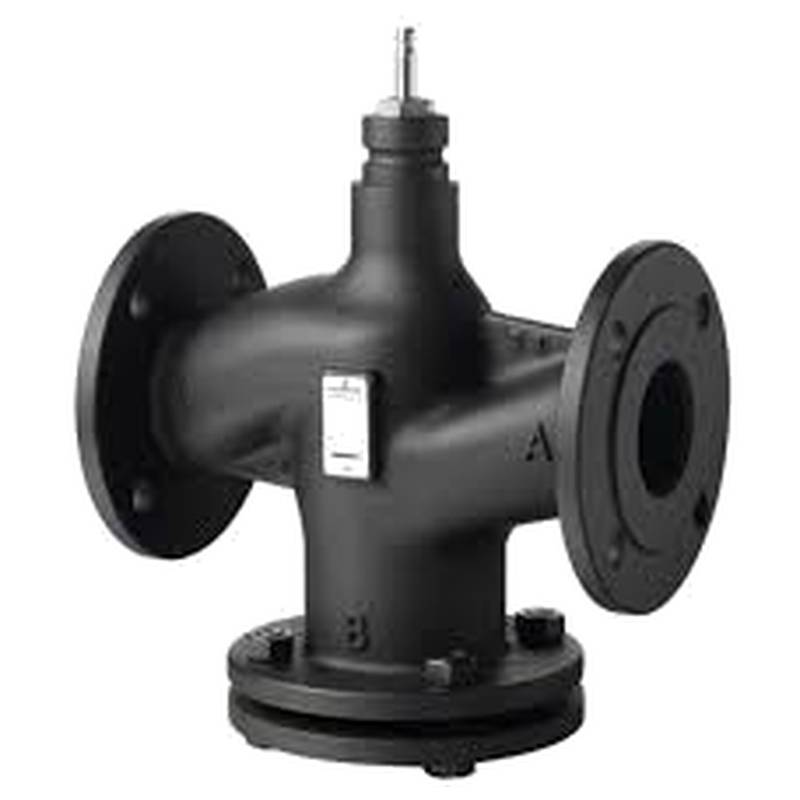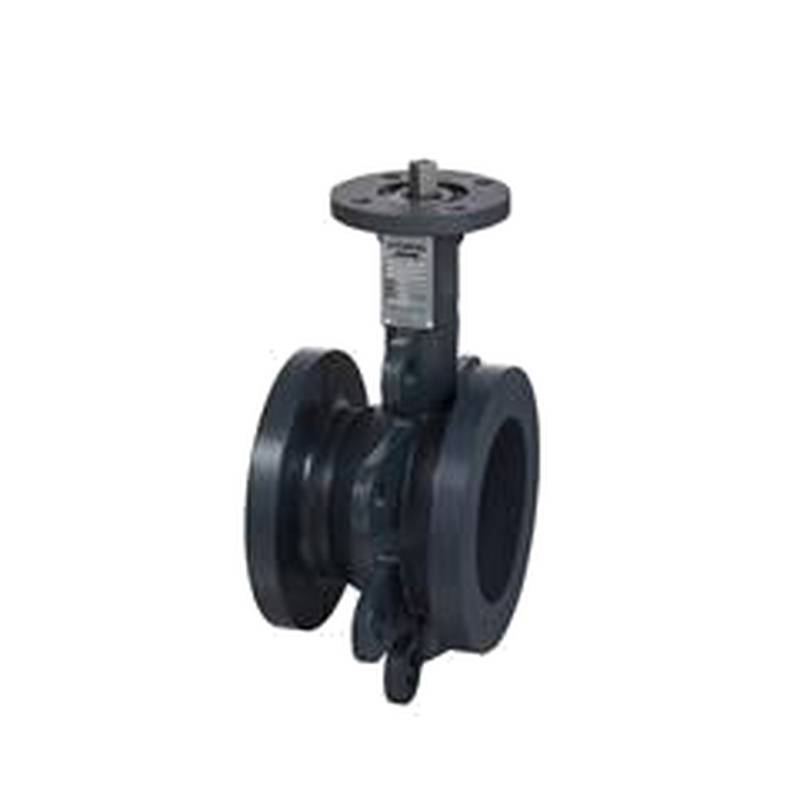
SIEMENS VAI51.20-6.3 Two-Way Ball Valve DN20 kvs 6.3 VAI51


The SIEMENS VAI51.20-6.3 Two-Way Ball Valve DN20 kvs 6.3 stands as a robust and precise solution for flow control in demanding industrial applications. This valve excels with its durable construction, reliable sealing, and accurate throttling capabilities, making it a preferred choice for engineers seeking superior performance and longevity. Key technical specifications include a nominal diameter (DN) of 20, a flow coefficient (kvs) of 6.3, and a high closing pressure capability, ensuring efficient operation across a range of system pressures. Its design prioritizes ease of maintenance and integration, minimizing downtime and operational complexities.
Product Specifications
| Feature | Specification |
| :------------------------ | :---------------------------------- |
| Product Type | Two-Way Ball Valve |
| Model | VAI51.20-6.3 |
| Manufacturer | SIEMENS |
| Nominal Diameter (DN) | 20 |
| Flow Coefficient (kvs) | 6.3 |
| Connection Type | Flanged |
| Actuator Interface | Direct mounting |
| Body Material | Cast Iron |
| Ball Material | Stainless Steel |
| Seal Material | EPDM |
| Operating Temperature | -10 °C to +120 °C |
| Operating Pressure | Up to 16 bar |
| Actuation | Electric or Pneumatic (Actuator Dependent) |
| Application Fluids | Water, chilled water, glycol mixtures |
Core Features & Market Positioning
The SIEMENS VAI51.20-6.3 distinguishes itself through its advanced sealing technology, which guarantees bubble-tight shut-off and minimizes leakage, a critical factor in energy efficiency and environmental compliance. Its high kvs value of 6.3 for a DN20 size indicates exceptional flow capacity, allowing for efficient fluid transfer even under demanding conditions. This valve is positioned in the market as a premium component for HVAC systems, building automation, and process control where reliability and precise regulation are paramount. The direct mounting capability for actuators simplifies installation and reduces potential points of failure, a significant advantage over conventionally flanged connections.
Key Application Scenarios
This versatile ball valve finds extensive use in controlling the flow of water, chilled water, and glycol mixtures within industrial and commercial building services. It is ideally suited for applications such as zone control in heating and cooling systems, bypass lines in thermal power plants, and regulating flow in process loops where precise temperature or pressure management is required. Its robust construction and reliable performance make it a cornerstone in critical infrastructure where uninterrupted operation is essential. End-users frequently search for solutions in applications like district heating networks, large-scale air conditioning units, and industrial process cooling.
Practical System Integration Guidance
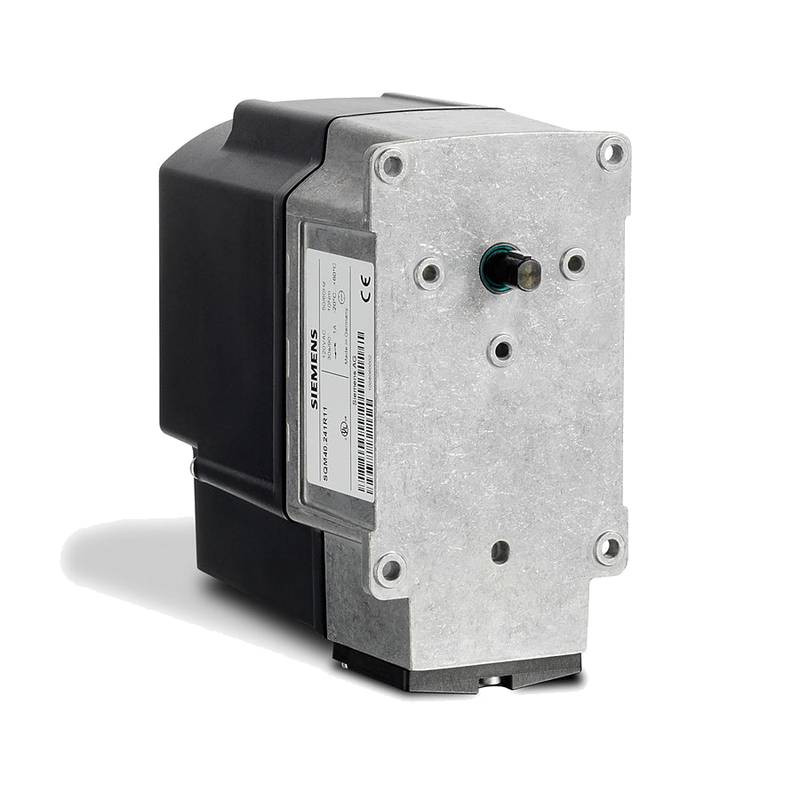
Integrating the SIEMENS VAI51.20-6.3 typically involves pairing it with a compatible SIEMENS actuator, such as the GQD/GQF series for electric actuation or the PXD series for pneumatic control. Ensure proper alignment between the valve and actuator for direct mounting to prevent stress on the connection. For electric actuators, wiring should follow the actuator’s specific diagram, paying close attention to power supply, control signals (e.g., 0-10V, 4-20mA), and feedback signals. Commissioning requires setting actuator end-stops and zero points to match the valve’s fully open and closed positions, ensuring accurate control and preventing mechanical damage. Always confirm the compatibility of the fluid with the valve's seal material (EPDM in this case) and body construction.
Operation and Risk Mitigation
Safe operation of the SIEMENS VAI51.20-6.3 hinges on adhering to its specified operating parameters for temperature and pressure, and ensuring the fluid is compatible with EPDM seals. Over-pressurization or exceeding the temperature limits can lead to seal degradation and potential leakage. Regular visual inspections for external signs of damage or leakage are recommended. In pneumatic systems, ensure the air supply is clean and dry to prevent actuator malfunction. For electric actuators, verify correct wiring to prevent short circuits or overloads. If the valve fails to achieve full shut-off, common causes include debris lodged in the ball or seat, or actuator malfunction, requiring investigation and potential cleaning or recalibration.
Scalability & Long-Term Value
The SIEMENS VAI51.20-6.3 offers excellent long-term value due to its durable construction and compatibility with modern control systems. While the valve itself is a mechanical component, its integration with SIEMENS actuators allows for seamless connection to Building Management Systems (BMS) and Industrial Internet of Things (IIoT) platforms. This enables advanced diagnostics, remote monitoring, and predictive maintenance, contributing to operational efficiency and reduced lifecycle costs. The standardized interface for actuators ensures that as control technology evolves, the valve can remain a reliable component within an upgraded system, preserving the initial investment.
Frequently Asked Questions
What is the primary application for the SIEMENS VAI51.20-6.3?
This valve is primarily used for flow control in HVAC and industrial process applications. It efficiently manages water, chilled water, and glycol mixtures. Its robust design suits systems requiring reliable shut-off and precise regulation.
Its DN20 size and kvs 6.3 rating make it ideal for moderate flow rates in building services. The valve ensures optimal thermal management and energy efficiency. Common uses include zone control and bypass lines.
The VAI51.20-6.3 valve integrates seamlessly with SIEMENS actuators. This allows for automated control in sophisticated building management systems. It's a key component for modern, efficient fluid handling.
What are the key technical specifications of the SIEMENS VAI51.20-6.3?
The valve features a DN20 nominal diameter and a kvs of 6.3 for precise flow control. It is constructed with a cast iron body and stainless steel ball for durability. The EPDM seals offer excellent resistance to common industrial fluids.
Operating pressure is rated up to 16 bar, with a temperature range of -10 °C to +120 °C. These specifications ensure reliable performance in demanding environments. The flanged connection type allows for secure installation.
This SIEMENS VAI51.20-6.3 model offers excellent flow capacity for its size. It is designed for direct mounting of actuators, simplifying installation and maintenance procedures. Its build quality ensures a long service life.
How do I select the correct actuator for the SIEMENS VAI51.20-6.3 ball valve?
Selection depends on whether electric or pneumatic actuation is required for your system. Consider the required torque, fail-safe position, and control signal type (e.g., analog, digital). Refer to the SIEMENS actuator catalog for compatibility.
For electric actuation, SIEMENS GQD or GQF series are common choices. Pneumatic actuation might utilize the PXD series. Always ensure the actuator's torque rating exceeds the valve's requirements at maximum operating pressure.
Check the control voltage, signaling (0-10V, 4-20mA, etc.), and auxiliary switch requirements. Verify the actuator's mounting dimensions match the valve's direct mounting interface for a secure fit.
What types of fluids can be used with the SIEMENS VAI51.20-6.3?
This valve is designed for clean water, chilled water, and glycol-based water mixtures commonly found in HVAC systems. The EPDM seals are compatible with these fluids. Always ensure the fluid is within the specified temperature and pressure limits.
Avoid using aggressive chemicals, abrasive particles, or steam with this valve, as they can damage the seals and internal components. Consult the SIEMENS product documentation for a comprehensive list of compatible and incompatible fluids.
For specialized applications or fluids not listed, consider alternative valve materials or seal types. Consulting SIEMENS technical support is recommended for non-standard fluid applications to ensure optimal performance and longevity.
What is the maximum operating pressure and temperature for this valve?
The SIEMENS VAI51.20-6.3 ball valve can operate at a maximum pressure of 16 bar. Its operational temperature range extends from -10 °C to +120 °C. Adhering to these limits is crucial for safe and reliable functioning.
Exceeding these parameters can lead to premature seal failure, valve damage, and potential leakage. Always ensure your system's operating conditions are within these specified limits to maintain valve integrity. Regular monitoring is advised.
For applications operating near these limits, consider periodic inspections and maintenance. The valve's robust design provides a good safety margin, but continuous operation at maximum ratings may reduce its overall lifespan.
What does DN20 and kvs 6.3 signify for this valve?
DN20 refers to the nominal diameter of the valve, indicating its approximate internal bore size in millimeters. A DN20 valve is suitable for medium-sized pipework in industrial and commercial installations. It dictates the overall physical size.
Kvs 6.3 represents the flow coefficient, measuring the volume of water in m³/h that will flow through the valve with a pressure drop of 1 bar. A higher kvs value means greater flow capacity for a given valve size. This is crucial for system design.
Together, DN20 and kvs 6.3 define the valve's flow characteristics. This specific combination suggests a valve capable of handling significant flow rates for its size, offering efficient fluid transfer in demanding applications.
Can the SIEMENS VAI51.20-6.3 be used for throttling applications?
Yes, the SIEMENS VAI51.20-6.3 ball valve is designed for precise flow regulation, making it suitable for throttling applications. Its design allows for accurate control of fluid flow rates by partially opening or closing the ball.
Effective throttling requires proper actuator control and calibration. Ensure your control system provides a stable and accurate signal (e.g., 0-10V) to the actuator for precise positioning of the ball. This ensures consistent flow adjustment.
While capable of throttling, continuous operation at very small openings might lead to increased wear on the ball and seat over time. For applications requiring very fine, continuous control at low flow rates, a dedicated control valve might be more appropriate.
What is the body material of the SIEMENS VAI51.20-6.3 and its implications?
The body of the SIEMENS VAI51.20-6.3 is constructed from cast iron. This material provides good mechanical strength and resistance to moderate pressures and temperatures. It is a common choice for industrial valves handling water-based media.
Cast iron offers a balance of performance and cost-effectiveness, making this valve a competitive option. It is suitable for applications where extreme corrosion or high mechanical stress from aggressive media is not a primary concern.
Ensure the fluid media is compatible with cast iron. For highly corrosive or aggressive fluids, valves with stainless steel or other specialized body materials would be necessary. Always verify media compatibility for optimal service life.
How is the SIEMENS VAI51.20-6.3 installed and commissioned?
Installation involves ensuring the pipework is clean and properly aligned to the valve's flanged connection. The valve should be mounted in the correct flow direction as indicated on the body. Actuator mounting follows specific manufacturer guidelines for secure attachment.
Commissioning includes setting the actuator's end stops for fully open and closed positions. This ensures the valve operates within its designed range and prevents mechanical damage. For electronic actuators, zero and span adjustments are critical.
Verify actuator response to control signals and confirm leak-tight shut-off. Conduct a system pressure test after installation to ensure all connections are secure and the valve functions as intended. Always follow local safety regulations.
What maintenance is typically required for this type of ball valve?
Routine maintenance primarily involves visual inspection for any signs of external leakage or damage. Ensure the actuator operates smoothly and responds correctly to control signals. For pneumatic actuators, check air supply quality.
Periodic testing of the shut-off function is recommended, especially in critical applications. If leakage is detected, the cause might be debris or seal wear. Cleaning or replacement of seals may be necessary, often requiring valve removal.
While ball valves are generally low-maintenance, follow manufacturer recommendations for periodic checks. Over time, seals can degrade, and actuators may require lubrication or adjustment. Proactive checks prevent unexpected failures.