











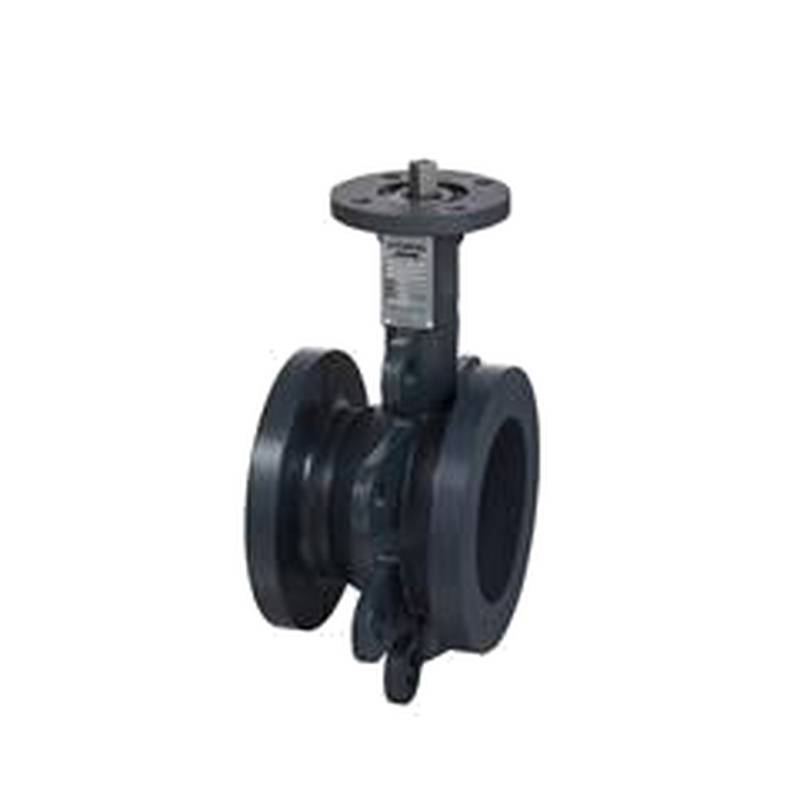
SIEMENS VAI51.25-10 Two-Way Ball Valve DN25 kvs 10 HVAC


The SIEMENS VAI51.25-10 Two-Way Ball Valve, DN25 with a KVS of 10, stands as a robust and precise control valve for demanding HVAC applications. This unit offers exceptional flow control capabilities, ensuring optimal temperature regulation and energy efficiency within building management systems. Its primary advantages lie in its reliable, leak-free operation, durable construction, and straightforward integration into complex hydronic systems. Key technical parameters include a nominal diameter (DN) of 25mm, a flow coefficient (KVS) of 10 m³/h, and a rated pressure that can typically accommodate standard HVAC system requirements.
Core Features & Market Positioning
The VAI51.25-10 distinguishes itself through its high-quality Siemens engineering, providing superior sealing and precise throttling characteristics. This ball valve is designed for demanding applications where accurate flow regulation is paramount, positioning it as a premium component for advanced HVAC installations. Its market strength is derived from Siemens' reputation for reliability, longevity, and seamless integration with their broader building automation portfolio. The valve's robust design ensures minimal maintenance and long service life, offering a significant total cost of ownership advantage over less durable alternatives.
Key Application Scenarios
This SIEMENS VAI51.25-10 ball valve is ideally suited for a wide array of HVAC applications, including precise temperature control in terminal units such as fan coil units, air handling units, and chilled beams. It excels in variable flow systems where accurate regulation of heating and cooling water is critical for occupant comfort and energy optimization. Furthermore, it finds application in building automation systems managing hot water circulation, radiator control, and zone-specific climate management, ensuring efficient operation across commercial, institutional, and residential buildings.
Practical System Integration Guidance
Integrating the SIEMENS VAI51.25-10 into existing HVAC systems is typically a straightforward process, leveraging standard connection types for DN25 pipework. The valve is designed for direct mounting onto actuators, often utilizing standardized coupling mechanisms for quick and secure attachment. For optimal performance, ensure the system water is clean and free of debris that could compromise the valve seat. Proper support of the piping connected to the valve is crucial to prevent undue stress during installation and operation. Electrical connections for the associated actuator should follow the manufacturer's wiring diagrams precisely, paying close attention to voltage and signal requirements for seamless automation.
Operation and Risk Mitigation
The VAI51.25-10 operates by a quarter-turn mechanism, allowing for rapid and precise control of water flow. Proper operation involves ensuring the actuator is correctly calibrated to the valve's stroke for accurate positioning. Risk mitigation primarily focuses on preventing mechanical damage and ensuring correct electrical interfacing. Users should avoid subjecting the valve to pressures or temperatures exceeding its rated specifications. In the unlikely event of operational issues, common troubleshooting steps include checking actuator feedback signals and ensuring no blockages are present in the connected pipework. Always consult the Siemens technical documentation for detailed error code interpretation and advanced diagnostic procedures.
Scalability & Long-Term Value
The SIEMENS VAI51.25-10 offers excellent long-term value due to its robust construction and compatibility with Siemens' extensive building management ecosystem. Its integration capabilities with modern digital platforms, including IIoT solutions, allow for enhanced performance monitoring, predictive maintenance, and system optimization. While the valve itself is a discrete component, its value is amplified when part of a connected, intelligent building system, enabling data-driven insights for improved operational efficiency and reduced energy consumption over the asset's lifecycle.
Frequently Asked Questions
What is the maximum operating pressure for the SIEMENS VAI51.25-10?
The specific maximum operating pressure is a critical parameter for system design. It ensures the valve can withstand the forces within the hydronic loop. Always verify this against system requirements to prevent potential failure and maintain safety.
Typically, valves of this specification are designed for standard HVAC system pressures. Exceeding these limits can lead to seal damage and leakage. Proper system design and commissioning are key to ensuring operational safety.
Consulting the official Siemens technical datasheet for the VAI51.25-10 is paramount for precise pressure ratings. This ensures compliance and operational integrity.
How do I correctly install the actuator on the VAI51.25-10 ball valve?
Actuator mounting usually involves aligning the actuator shaft with the valve stem. Secure the actuator to the valve bonnet using the provided hardware. Ensure a firm, yet not over-tightened, connection.
Follow the specific actuator's installation manual for detailed steps. This often includes ensuring the correct orientation and engagement of splines or drive shafts. Proper installation prevents operational issues.
After physical mounting, electrical connections must be made according to the actuator's wiring diagram. This ensures correct communication and control signals are exchanged.
What is the flow characteristic of the SIEMENS VAI51.25-10?
The SIEMENS VAI51.25-10 is a two-way ball valve, and these are typically designed for equal percentage or linear flow characteristics. Equal percentage is common for throttling applications to ensure stable control across the entire range. Linear characteristics provide a flow rate directly proportional to valve opening.
The KVS value of 10 indicates the flow rate in cubic meters per hour at a 1-bar pressure drop. This is a crucial parameter for sizing and ensuring the valve can meet the system's demands.
For precise flow control in HVAC, the equal percentage characteristic is highly advantageous. It allows for stable and predictable regulation of fluid even at low flow rates, crucial for comfort and efficiency.
Can the SIEMENS VAI51.25-10 be used for on/off control or modulating control?
This valve is highly versatile and can be configured for both on/off and modulating control applications. For on/off, the actuator would simply move between fully open and fully closed positions. Modulating control utilizes the actuator's ability to position the valve anywhere between these extremes.
The precise nature of ball valves, especially those with engineered flow characteristics, makes them excellent for modulating duty. This allows for fine-tuning of flow rates to meet specific heating or cooling demands.
When used for modulating control, selecting the correct actuator with appropriate signal input (e.g., 0-10V, 4-20mA) and feedback is essential for accurate performance.
What maintenance is required for the SIEMENS VAI51.25-10?
Generally, SIEMENS VAI51.25-10 ball valves are designed for low maintenance. Their robust construction and sealing mechanisms minimize wear and tear during normal operation. Periodic visual inspections for any external leaks or damage are advisable.
Routine checks for actuator functionality and proper signal response are part of maintaining system performance. Ensure that any associated filters in the system are clean to prevent debris from reaching the valve seat.
In extreme cases or after extended service life, seals might require inspection or replacement. However, for most HVAC applications, these valves are considered maintenance-free for many years.
What is the significance of the KVS 10 rating for this valve?
The KVS value of 10 (m³/h) signifies the maximum flow rate the valve can handle when there is a pressure drop of 1 bar across it. This metric is critical for hydraulic calculations and system balancing. It helps engineers ensure the valve is correctly sized for the specific zone or terminal unit it controls.
Using the KVS value, engineers can calculate the actual flow rate at different pressure drops encountered in the HVAC system. This ensures the valve provides the required heating or cooling capacity under various operating conditions.
Accurate sizing based on the KVS value prevents under-sizing (leading to insufficient flow) or over-sizing (leading to inefficient control and potential damage). It's a cornerstone of proper valve selection.
What type of actuator is compatible with the SIEMENS VAI51.25-10?
The SIEMENS VAI51.25-10 is designed to work with a range of Siemens actuators, typically those with a standard mounting interface for DN25 valves. These actuators come in various types, including electric, proportional, and on/off models, depending on the control strategy required.
Compatibility is generally ensured by the valve's stem connection and mounting flange, which adhere to industry standards. This allows for flexibility in choosing an actuator that meets specific control signal requirements (e.g., 0-10V, 2-10V, 4-20mA) and torque needs.
Always consult the specific actuator's product documentation and the VAI51.25-10 datasheet to confirm precise compatibility. This ensures proper fit, function, and communication between the valve and its control unit.
What are the typical operating temperature ranges for this valve?
The operating temperature range for the SIEMENS VAI51.25-10 is crucial for its application in HVAC systems, which handle both heating and cooling fluids. These valves are engineered to withstand typical hot water and chilled water temperatures found in commercial buildings.
While exact ranges must be confirmed with the official datasheet, these valves generally operate reliably within a broad spectrum, often from near freezing up to temperatures around 120-150°C. This wide range accommodates most standard heating and cooling cycles.
It's imperative to verify the valve's specific temperature limits against the system's maximum and minimum operating temperatures to prevent material degradation or seal failure, ensuring long-term performance and safety.
Where can I find the official technical specifications and datasheet for the SIEMENS VAI51.25-10?
The most accurate and comprehensive technical specifications for the SIEMENS VAI51.25-10 are found on the official Siemens Building Technologies website or through authorized Siemens distributors. These resources provide detailed product datasheets.
Datasheets typically include dimensions, pressure ratings, temperature limits, flow characteristics, material specifications, and compatibility information. They are essential for proper design, installation, and maintenance.
Searching online for "SIEMENS VAI51.25-10 datasheet" will usually lead directly to the relevant PDF document on Siemens' or a distributor's site. Always ensure you are accessing the most current version.
Is the SIEMENS VAI51.25-10 suitable for steam applications?
Generally, two-way ball valves like the SIEMENS VAI51.25-10 with DN25 size and KVS 10 are designed for hydronic (water-based) HVAC systems. They are typically not rated or intended for direct use with steam, which requires specialized valves.
Steam applications involve much higher temperatures and pressures, along with different material requirements to prevent damage and ensure safety. Using a valve not specifically designed for steam can lead to premature failure and hazardous conditions.
For steam control, it is essential to consult Siemens' product catalog for valves explicitly designed and rated for steam service, ensuring compatibility with the specific steam pressure and temperature conditions.