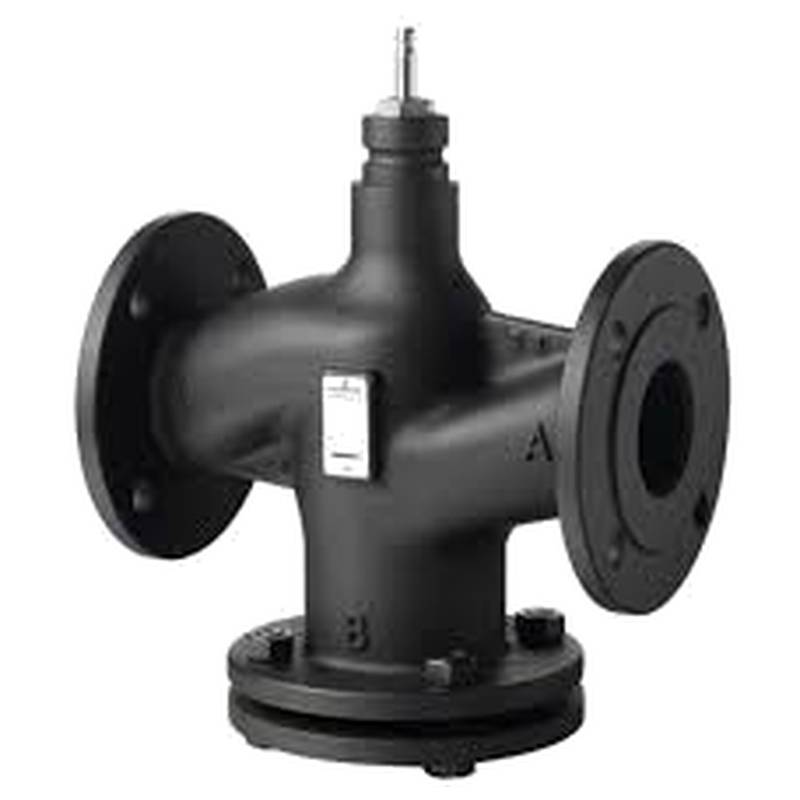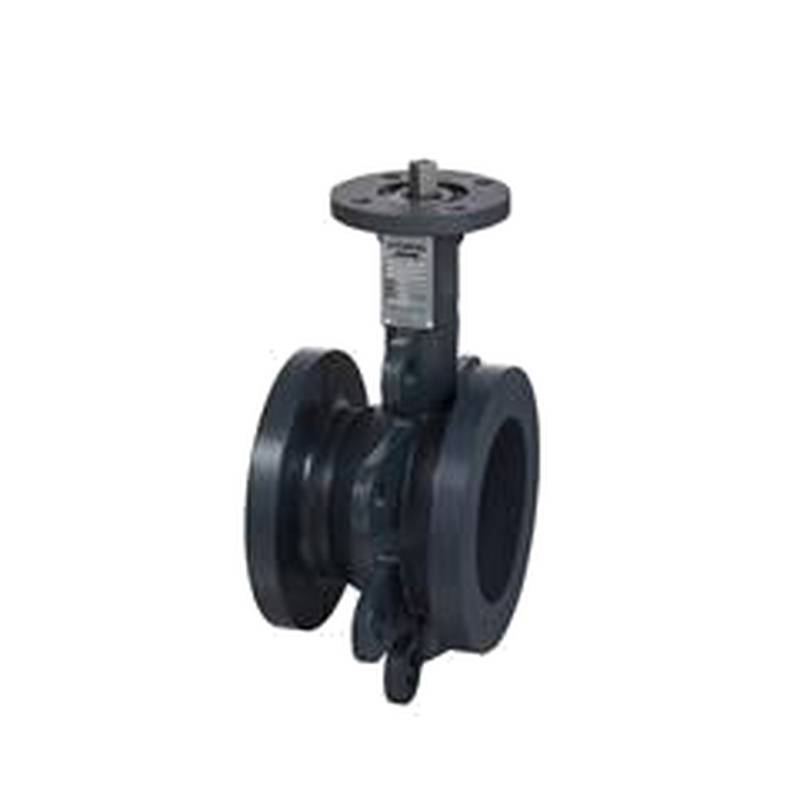
SIEMENS VAI51.25-16 Two-Way Ball Valve DN25 kvs 16 Control


The SIEMENS VAI51.25-16 Two-Way Ball Valve (DN25, kvs 16) stands as a robust and precise control solution for a multitude of industrial fluid management applications. Engineered for reliability and superior performance, this valve boasts a compact design and exceptional sealing capabilities. Its core advantages lie in its swift response time, high flow capacity relative to its size (kvs 16), and robust construction, making it ideal for demanding process control environments. Key technical parameters include a nominal diameter (DN) of 25mm, a Kvs value of 16 m³/h, and suitability for a wide range of operating temperatures and pressures, ensuring adaptability across diverse industrial settings.
Product Specifications
| Feature | Specification |
| :-------------------- | :------------------------------ |
| Product Type | Two-Way Ball Valve |
| Manufacturer | SIEMENS |
| Model Number | VAI51.25-16 |
| Nominal Diameter (DN) | 25 mm |
| Kvs Value | 16 m³/h |
| Connection Type | Flanged/Threaded (Specifics Vary) |
| Actuator Type | Electric (typically) |
| Material | Various (refer to specific model) |
| Operating Temperature | Wide Range (refer to specific model) |
| Pressure Rating | High (refer to specific model) |
Core Features & Market Positioning
The SIEMENS VAI51.25-16 distinguishes itself through its advanced actuator integration and precise throttling capabilities, positioning it as a premium choice for applications demanding accurate flow control. Its design emphasizes long-term operational stability and minimal maintenance requirements, a critical factor in industrial uptime. The valve's robust construction ensures resistance to wear and corrosion, further enhancing its market appeal in sectors where equipment longevity is paramount. SIEMENS' reputation for engineering excellence underpins the VAI51.25-16's standing as a reliable and high-performance control component.
Key Application Scenarios
This two-way ball valve finds extensive use in HVAC systems for precise temperature control in building automation, managing chilled and hot water circuits. In industrial process control, it's vital for regulating the flow of various media in manufacturing lines, chemical processing, and power generation. Its suitability for high-pressure and high-temperature environments also makes it a valuable asset in the oil and gas sector for critical flow regulation tasks. The DN25 size and kvs 16 rating make it particularly effective for medium-flow applications requiring fine-tuned adjustments.
Practical System Integration Guidance
Integrating the SIEMENS VAI51.25-16 typically involves connecting it to a compatible electric actuator, such as SIEMENS' own range of electro-mechanical or electro-hydraulic actuators, ensuring proper torque and stroke alignment. Wiring should adhere strictly to the actuator's manual, often involving 24V AC/DC or 230V AC power supplies and control signals (e.g., 0-10V DC, 4-20 mA) for modulating control. For basic on/off applications, simple two-wire or three-wire control is often sufficient. Proper installation requires ensuring the valve is installed in the correct flow direction and that pipework is free from debris to prevent damage to the valve seat and ball.
Operation and Risk Mitigation
Safe operation of the SIEMENS VAI51.25-16 hinges on understanding its operating parameters and actuator feedback. Regular inspection for leaks and actuator function is crucial. In case of actuator failure or loss of control signal, the valve will typically assume a predefined fail-safe position (e.g., fully open or closed), which must be accounted for in system design to prevent process upsets or safety hazards. Over-pressurization or exceeding temperature limits can lead to premature wear or catastrophic failure, necessitating adherence to specified operational limits and the use of appropriate pressure relief systems where applicable.
Scalability & Long-Term Value
The SIEMENS VAI51.25-16 offers excellent long-term value due to its robust design and compatibility with SIEMENS' broader automation and control platforms. Its integration capabilities with building management systems (BMS) and SCADA systems enable advanced process monitoring and control. For environments embracing Industry 4.0, compatible actuators often provide diagnostic data and feedback loops, allowing for predictive maintenance and seamless integration into digitalized workflows, thereby enhancing operational efficiency and reducing total cost of ownership.
FAQs
Q1: What is the maximum pressure rating for the SIEMENS VAI51.25-16?
The specific maximum pressure rating for the SIEMENS VAI51.25-16 Two-Way Ball Valve depends on the exact model variant and material construction. Always consult the product datasheet for the precise PN (Nominal Pressure) rating.
Generally, industrial ball valves in this size range from SIEMENS are designed for medium to high-pressure applications, often meeting standards like PN16 or PN40. This ensures reliable operation in demanding industrial processes where consistent flow control is essential.
Adhering to the manufacturer's specified pressure limits is critical for ensuring operational safety, valve longevity, and preventing potential system failures or leaks.
Q2: How do I select the correct actuator for the VAI51.25-16?
Selecting the correct actuator involves considering torque requirements, stroke time, and control signal type. The valve's torque requirements are determined by its size, pressure differential, and the fluid characteristics.
Actuators must match the valve's control needs, whether it's on/off, proportional (e.g., 0-10V), or floating control. Power supply voltage (e.g., 24V AC/DC, 230V AC) is also a key selection criterion.
Ensure the actuator provides the necessary fail-safe positioning (open/closed) and is compatible with the overall control system or building management system (BMS) for seamless integration.
Q3: What media can the SIEMENS VAI51.25-16 handle?
The SIEMENS VAI51.25-16 is designed for a broad range of clean and non-corrosive industrial fluids. Common applications include water, chilled water, and hot water in HVAC systems.
For chemical processing, material compatibility is crucial. Specific model variants may be available with specialized seat and seal materials (e.g., EPDM, NBR, FKM) to handle a wider spectrum of aggressive media.
Always verify the wetted parts' material compatibility with the intended fluid and operating temperatures to prevent premature degradation, leakage, or contamination of the process media.
Q4: What is the significance of the Kvs value of 16 for this valve?
The Kvs value (flow coefficient) of 16 m³/h indicates the volume of water in m³ that will flow through the valve per hour at a pressure drop of 1 bar when fully open. This quantifies the valve's flow capacity.
A Kvs of 16 for a DN25 valve signifies a substantial flow capability, suitable for applications requiring significant throughput or where a higher flow rate is needed to meet process demands effectively.
Understanding the Kvs value is essential for accurate system sizing and performance calculations, ensuring the valve can deliver the required flow without becoming a bottleneck or causing excessive pressure drops.
Q5: Can the VAI51.25-16 be used for throttling or proportional control?
Yes, the SIEMENS VAI51.25-16 is explicitly designed for modulating or proportional control applications when paired with a suitable proportional actuator. This allows for precise regulation of flow rates.
Proportional actuators receive a control signal (e.g., 0-10V DC or 4-20 mA) that translates into a specific valve opening position, enabling fine-tuned adjustments of fluid flow.
This capability is critical in applications like temperature control in HVAC, where maintaining precise setpoints requires continuous flow adjustment rather than simple on/off operation.
Q6: What are common installation considerations for this ball valve?
Proper installation involves ensuring the valve is mounted in the correct flow direction, as indicated by an arrow on the valve body, to prevent operational issues and ensure sealing integrity.
The valve should be supported adequately to prevent strain on the pipework. Ensure the connecting pipes are properly aligned and free from debris that could damage the valve seat or ball during operation.
When using flanged connections, ensure gaskets are correctly seated and bolts are tightened in a star pattern to achieve a uniform seal and prevent leaks.
Q7: How does the SIEMENS VAI51.25-16 integrate with Siemens building automation systems?
This valve integrates seamlessly with Siemens Desigo and other compatible building automation systems (BMS) via its electric actuator. The actuator communicates digitally with the BMS.
The BMS can send control signals (e.g., setpoints, commands) to the actuator and receive feedback on the valve's position, status, and potential diagnostic information.
This integration enables centralized control, energy optimization, performance monitoring, and efficient management of HVAC or process control loops within a larger facility automation infrastructure.
Q8: What maintenance is typically required for this type of valve?
Generally, SIEMENS ball valves like the VAI51.25-16 are low-maintenance. Periodic visual inspections for external leaks or damage are recommended.
Ensure the actuator operates smoothly and responds to control signals without undue noise or hesitation. Lubrication, if required, should follow the actuator manufacturer's specific guidelines.
In critical applications, periodic functional testing to confirm sealing and actuation performance might be necessary to ensure continued reliability and prevent unexpected downtime.
Q9: What are the benefits of using a two-way ball valve over other valve types?
Two-way ball valves offer quick quarter-turn operation for rapid shut-off or flow control, a significant advantage in many industrial processes. They also provide excellent sealing capabilities, minimizing leakage when closed.
Their robust construction and simple design often translate to higher durability and longer service life compared to some other valve types, especially in demanding applications with abrasive or high-pressure media.
Ball valves generally have a high flow capacity relative to their size and can be effectively used for throttling applications when designed for it, offering versatility in fluid management.
Q10: Where can I find the technical datasheet for the SIEMENS VAI51.25-16?
The most comprehensive technical specifications, including detailed dimensional drawings, material options, and performance charts, are found in the official SIEMENS product datasheet.
You can typically download the datasheet directly from the SIEMENS Industry Online Support (IOS) portal or through authorized SIEMENS distributors' websites.
Always ensure you are referencing the datasheet for the specific model number and variant you are using, as specifications can differ slightly between product versions.