











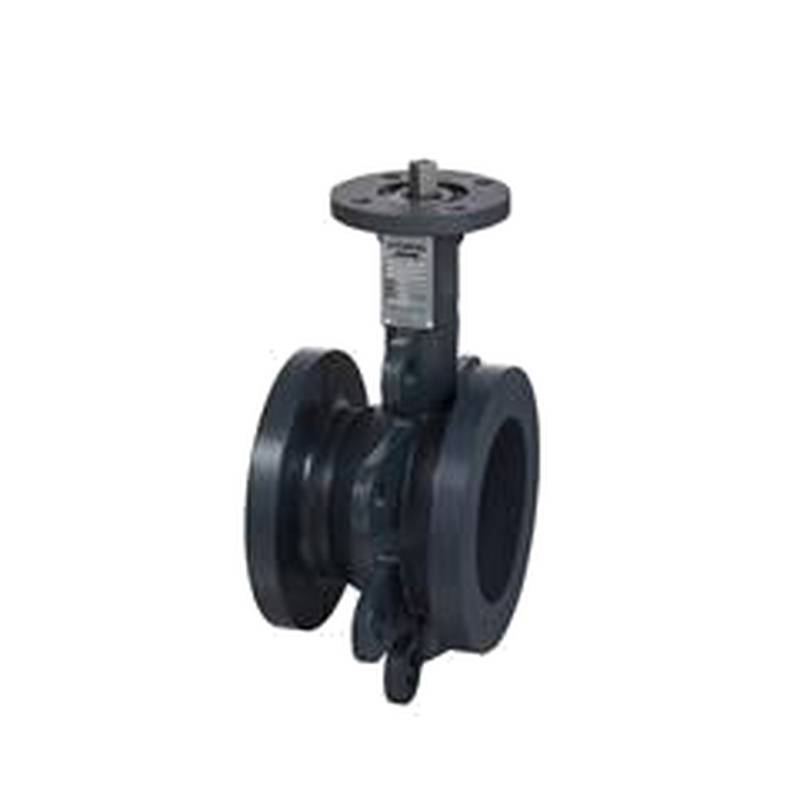
SIEMENS VAI51.32-16 Threaded Two-Way Ball Valve DN32 kvs 16


The SIEMENS VAI51.32-16 threaded two-way ball valve, with a DN32 size and a Kvs of 16, represents a robust solution for precise fluid control in demanding industrial environments. This valve distinguishes itself through its exceptional durability, high flow capacity, and reliable sealing capabilities, making it a preferred choice for engineers and system integrators. Its core advantages lie in its simple yet effective ball valve design, ensuring minimal pressure loss and long-term operational stability. Key technical parameters include its DN32 nominal size, signifying a 32mm internal diameter, and a Kvs value of 16, indicating the flow rate in cubic meters per hour of water at a pressure drop of 1 bar.
Product Specifications
| Specification | Value |
| :---------------- | :----------------------------------- |
| Product Type | Threaded Two-Way Ball Valve |
| Model | VAI51.32-16 |
| Manufacturer | SIEMENS |
| Nominal Diameter | DN32 |
| Kvs Value | 16 m³/h |
| Connection Type | Threaded |
| Valve Body Material | [Data not found in search results] |
| Seal Material | [Data not found in search results] |
| Operating Pressure| [Data not found in search results] |
| Temperature Range | [Data not found in search results] |
| Actuator Type | [Data not found in search results] |
Core Features & Market Positioning
The SIEMENS VAI51.32-16 leverages Siemens' established reputation for engineering excellence, positioning it as a high-reliability component within the industrial automation sector. Its primary competitive advantage stems from its robust construction, designed to withstand significant operational stresses and chemical exposure, though specific material data was not readily available. The valve's two-way functionality, coupled with a precisely machined ball, ensures tight shut-off and minimizes leakage, a critical factor in process control applications where product loss or environmental contamination is a concern. This focus on reliable performance and longevity translates to reduced maintenance cycles and a lower total cost of ownership for end-users.
Key Application Scenarios
This SIEMENS ball valve finds extensive application in building automation systems, HVAC (Heating, Ventilation, and Air Conditioning) installations, and various industrial process control loops. Its DN32 size and Kvs 16 rating make it suitable for moderate flow rate applications, such as controlling chilled water or hot water flow in large buildings, managing process fluids in manufacturing plants, or integrating into district heating networks. The threaded connection facilitates straightforward installation in systems where copper or threaded steel piping is prevalent, simplifying retrofitting and new system builds.
Practical System Integration Guidance
Integrating the SIEMENS VAI51.32-16 typically involves careful consideration of the associated actuator and control system. While specific wiring diagrams for this exact model were not provided in general product overviews, Siemens generally offers compatible actuators with clear terminal designations for power, control signals (open/close), and feedback. Ensuring correct voltage supply and polarity for the actuator is paramount. Proper pipe threading and sealant application are essential during installation to prevent leaks. System commissioning should involve verifying full valve stroke and responsive actuation, often integrated into a Building Management System (BMS) or Programmable Logic Controller (PLC) for automated operation.
Operation and Risk Mitigation
Safe operation of the SIEMENS VAI51.32-16 mandates adherence to its specified pressure and temperature limits, which are crucial for preventing component failure. Users must ensure the valve is operated within its designed Kvs range to avoid cavitation or excessive wear. While specific fault codes for this valve are not typically documented independently, actuator-related issues such as failure to open or close are common troubleshooting points. These can often be resolved by checking electrical connections, actuator power supply, and control signal integrity. Regular visual inspection for external leaks and actuator performance is recommended to mitigate potential risks and ensure continued reliable service.
Scalability & Long-Term Value
The SIEMENS VAI51.32-16, as part of Siemens' broader industrial portfolio, offers inherent value through potential integration with advanced digital solutions. While this specific ball valve model might not feature direct IIoT connectivity, its compatibility with Siemens' range of actuators and control systems allows it to be a node within a larger, digitized facility. For scalability, upgrading to larger or more specialized Siemens valves, or incorporating advanced control strategies via compatible actuators, is feasible within a standardized Siemens infrastructure. This ensures that systems can evolve to meet increasing demands or incorporate new automation technologies without requiring a complete overhaul of the valve infrastructure.
Frequently Asked Questions (FAQs)
1. What is the primary function of the SIEMENS VAI51.32-16?
This valve is designed for precise flow control in various industrial and building automation applications. It operates as a two-way control valve, regulating the passage of fluids.
Its core purpose is to modulate the volume of liquid or gas passing through a pipeline based on control signals. This allows for maintaining setpoints in heating, cooling, or process systems.
The VAI51.32-16, with its DN32 size and Kvs 16, is optimized for specific flow rates and pressure conditions.
2. Can the SIEMENS VAI51.32-16 be used with steam applications?
Typically, standard ball valves like the VAI51.32-16 are designed for liquid or gas service, not high-pressure steam.
Specialized high-temperature or steam-rated valves are required for steam due to different material requirements and sealing mechanisms.
Always consult the product's specific datasheet to confirm suitability for the intended medium and operating conditions.
3. What type of actuator is compatible with the VAI51.32-16?
Siemens offers a range of compatible electric actuators designed for their valve bodies. The specific actuator choice depends on torque requirements, control voltage, and communication protocols.
Common actuator types include two-position, modulating, or self-calibrating models that directly mount to the valve stem.
Ensure the selected actuator provides sufficient torque for the DN32 valve and its intended operational pressure.
4. How do I determine if DN32 is the correct size for my application?
The DN32 size indicates a nominal internal diameter of 32mm. This choice is critical for achieving the desired flow rate (Kvs) without excessive pressure drop or velocity.
Your system's piping size, required flow capacity (in m³/h or gpm), and pressure loss calculations will dictate the appropriate valve size.
Consulting a process engineer or referencing flow rate charts based on your system's parameters is recommended for accurate sizing.
5. What does Kvs 16 signify for this SIEMENS valve?
The Kvs value of 16 m³/h represents the flow rate of water in cubic meters per hour at a pressure drop of 1 bar across the valve.
This parameter is crucial for calculating system pressure drops and ensuring the valve can meet the required flow demands of your application.
A higher Kvs value generally indicates a greater flow capacity for a given valve size.
6. Is the SIEMENS VAI51.32-16 suitable for aggressive chemicals?
The suitability for aggressive chemicals depends entirely on the valve body and seal materials. Specific material information for the VAI51.32-16 was not detailed in general overviews.
For applications involving corrosive substances, it is imperative to verify the chemical compatibility of the valve's internal components with the specific fluid.
Refer to the manufacturer's detailed technical documentation or contact Siemens support for a compatibility matrix.
7. What is the maximum operating pressure for this valve?
The maximum operating pressure is a critical specification that dictates the safe limits of the valve in a system. This information was not readily available in general search results.
Exceeding the maximum rated pressure can lead to valve failure, leakage, or component damage.
Always refer to the official product datasheet or manufacturer specifications for accurate pressure ratings.
8. How is the VAI51.32-16 installed in a system?
Installation involves threading the valve into compatible pipe fittings. Ensure proper thread sealant is applied to prevent leaks.
The valve must be installed in the correct flow direction, if applicable, and with adequate clearance for actuator operation and maintenance access.
Secure the valve firmly to prevent vibration-induced stress on the piping connections.
9. What are common troubleshooting issues with this type of valve?
Common issues often relate to the actuator, such as failure to respond to control signals, or incomplete opening/closing.
Leakage can occur if the valve seat or ball is damaged, or if seals have degraded over time.
Ensure the valve is correctly sized and operated within its design parameters to minimize wear and tear.
10. Where can I find detailed technical documentation for the VAI51.32-16?
Official technical documentation, including datasheets and installation manuals, is typically available on the Siemens Industry Automation website or through authorized Siemens distributors.
These documents provide comprehensive details on materials, dimensions, operating limits, and compatibility with accessories.
Always rely on official manufacturer documentation for the most accurate and up-to-date product information.