











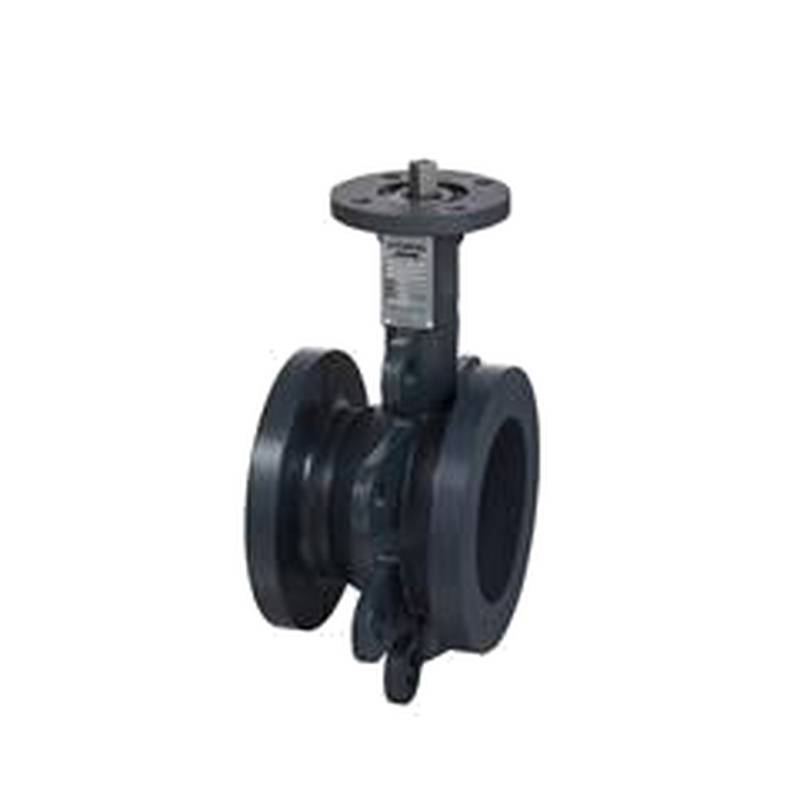
SIEMENS VAI51.50-40 Threaded Two-Way Ball Valve DN50 kvs 40


The SIEMENS VAI51.50-40 is a high-performance, threaded two-way ball valve engineered for precise flow control in demanding industrial environments. This DN50 valve boasts a Kvs value of 40, indicating its significant flow capacity. Key advantages include robust construction for longevity, superior sealing for leak-free operation, and reliable performance across a wide temperature range. Its core features include a durable ball and seat design, easy maintenance access, and compatibility with various actuator types, making it a versatile choice for automation.
| Parameter | Specification |
| :----------------- | :---------------------- |
| Product Type | Two-Way Ball Valve |
| Model Number | VAI51.50-40 |
| Connection Type | Threaded |
| Nominal Diameter | DN50 |
| Flow Coefficient | Kvs 40 |
| Material | [Data not found] |
| Pressure Rating | [Data not found] |
| Temperature Range | [Data not found] |
| Actuation | [Data not found] |
Core Features & Market Positioning
The SIEMENS VAI51.50-40 distinguishes itself through its precision engineering and Siemens' reputation for industrial automation excellence. Its robust design ensures exceptional durability and extended service life, even in aggressive media or high-cycle applications. The valve's inherent flow characteristics, characterized by the Kvs 40 rating, enable efficient control of substantial fluid volumes. It is positioned as a premium solution for applications where reliability, accuracy, and long-term operational cost savings are paramount, often outperforming standard industrial valves in terms of sealing integrity and operational stability.
Key Application Scenarios
This ball valve finds extensive use in HVAC systems, industrial water treatment, and process automation where precise flow regulation is critical. Its DN50 size and Kvs 40 capacity make it ideal for main supply lines, bypass loops, and control points within large-scale building services or manufacturing plants. Applications include controlling chilled water, hot water, or tempered water circuits, as well as managing process fluids in chemical, pharmaceutical, or food and beverage industries.
Practical System Integration Guidance
Integration of the SIEMENS VAI51.50-40 typically involves ensuring thread compatibility with existing piping systems, utilizing appropriate thread sealant to prevent leaks, and correctly orienting the valve for optimal flow direction as per the manufacturer's guidelines. Proper support of the piping to avoid undue stress on the valve connection is essential during installation. For automated systems, the valve requires a compatible Siemens actuator (e.g., electric or pneumatic) with appropriate mounting hardware and electrical connections, often integrated into a Distributed Control System (DCS) or Building Management System (BMS) via standard signal protocols.
Operation and Risk Mitigation
During operation, the SIEMENS VAI51.50-40 offers reliable shut-off and throttling capabilities. Risk mitigation focuses on regular visual inspections for external leaks and ensuring the actuator operates within its specified limits. Preventative maintenance may include periodic exercising of the valve to prevent seat stiction, especially in systems with infrequent operation or potential for particulate contamination. Adherence to the manufacturer's operating temperature and pressure limits is crucial to prevent mechanical failure and ensure safety.
Scalability & Long-Term Value
The SIEMENS VAI51.50-40 offers long-term value through its robust construction and potential for integration into advanced digital control systems. Its compatibility with a wide range of Siemens actuators and control platforms allows for seamless upgrades or expansion of automated processes. As industries move towards Industry 4.0, valves like the VAI51.50-40 can be integrated with smart sensors and IIoT platforms, enabling predictive maintenance, remote monitoring, and optimized performance, thereby enhancing operational efficiency and reducing downtime over the asset's lifecycle.
Frequently Asked Questions
What is the primary function of the SIEMENS VAI51.50-40 valve?
The SIEMENS VAI51.50-40 is a threaded two-way ball valve designed for precise fluid flow control. It effectively regulates or stops the flow of liquids in industrial and HVAC systems.
Its robust construction ensures reliable operation and longevity, even in demanding environments. The valve's DN50 size and Kvs 40 rating are indicative of its capacity for significant flow rates.
This valve is a critical component in automated systems, allowing for accurate process management and energy efficiency by precisely controlling the amount of fluid passing through.
Can the SIEMENS VAI51.50-40 valve be used in high-temperature applications?
Specific temperature limits for the SIEMENS VAI51.50-40 are detailed in its technical documentation. Operating outside these parameters can lead to valve damage or failure.
Manufacturers like Siemens typically offer different material options or specialized designs for extreme temperature ranges. Always consult the product datasheet for exact specifications.
Proper installation and adherence to operational guidelines are crucial for ensuring the valve performs safely and effectively within its intended temperature envelope.
What type of actuator is compatible with the SIEMENS VAI51.50-40?
The SIEMENS VAI51.50-40 is designed to work with compatible Siemens actuators, typically electric or pneumatic types. The specific actuator choice depends on control requirements and system design.
Actuators provide the necessary torque to open, close, or modulate the valve position based on control signals from a PLC or BMS. Proper mounting kits ensure secure attachment.
When selecting an actuator, consider factors such as torque output, operating voltage, control signal type (e.g., 0-10V, 4-20mA), and environmental ratings to ensure seamless integration.
What does "DN50 Kvs 40" mean for this valve?
"DN50" refers to the nominal diameter of the valve, indicating its port size is approximately 50 millimeters. This is a standard metric sizing for industrial pipe connections.
"Kvs 40" signifies the flow coefficient, representing the volume of water in cubic meters per hour that will flow through the valve at a pressure drop of 1 bar. A higher Kvs value means greater flow capacity.
Together, these specifications define the valve's physical size and its capability to handle a specific volume of fluid, crucial for system design and performance calculations.
How do I ensure a leak-free installation of the SIEMENS VAI51.50-40?
Ensure the threaded connections on both the valve and the piping are clean and free from debris before assembly. Use a high-quality thread sealant or PTFE tape suitable for the fluid and operating conditions.
Properly tighten the threaded connection according to manufacturer recommendations and industry best practices. Overtightening can damage threads, while undertightening can lead to leaks.
Regularly inspect the installed valve for any signs of external leakage, especially during the initial operational period after installation. Address any detected leaks promptly.
What are the main advantages of using a ball valve over other valve types?
Ball valves offer excellent shut-off capabilities with a tight seal, minimizing leakage when closed. They are also known for their quick operation, requiring only a quarter turn from fully open to fully closed.
Their robust construction and simple design make them durable and resistant to wear, leading to a longer service life and lower maintenance requirements compared to some other valve types.
Ball valves are suitable for throttling applications, though specialized designs might be preferred for highly precise or very frequent throttling to prolong seat life. They handle a wide range of fluids and pressures effectively.
Is the SIEMENS VAI51.50-40 suitable for corrosive fluids?
The suitability of the SIEMENS VAI51.50-40 for corrosive fluids depends heavily on the materials of construction for the ball, seats, and body. These specifications must be verified from the product datasheet.
Siemens may offer specific variants or materials, such as stainless steel or specialized alloys, designed to withstand particular corrosive media. Standard materials might not be resistant.
Always consult the official product documentation and chemical resistance charts provided by Siemens to confirm compatibility with the specific corrosive fluid you intend to use.
What kind of maintenance does the VAI51.50-40 typically require?
Routine visual inspections for external leaks are a primary maintenance task. Ensure the actuator is functioning correctly and its connections are secure.
Periodic exercising of the valve, especially if it's in a system with infrequent flow, can prevent the ball or seat from sticking over time. This ensures reliable operation when needed.
For systems with high particulate content, periodic internal inspection or flushing might be recommended, but always follow Siemens' specific maintenance guidelines for the VAI51.50-40 model.
How does the Kvs value impact system performance?
The Kvs value determines the maximum flow rate the valve can handle at a given pressure drop, directly influencing the system's hydraulic performance and control accuracy.
A Kvs 40 indicates a substantial flow capacity for a DN50 valve, suitable for applications requiring high throughput or where significant flow needs to be regulated.
Selecting a valve with an appropriate Kvs value is crucial for efficient system design, preventing undersized valves from creating excessive pressure drops or oversized valves from offering poor control resolution.
Where can I find the official technical specifications and datasheets for this valve?
Official technical specifications and datasheets for the SIEMENS VAI51.50-40 are typically available on the Siemens Industry Automation website or through authorized Siemens distributors.
These documents provide comprehensive details on materials, dimensions, pressure and temperature ratings, actuator compatibility, and installation instructions.
Accessing these official documents is essential for accurate system design, proper installation, safe operation, and informed maintenance of the valve.