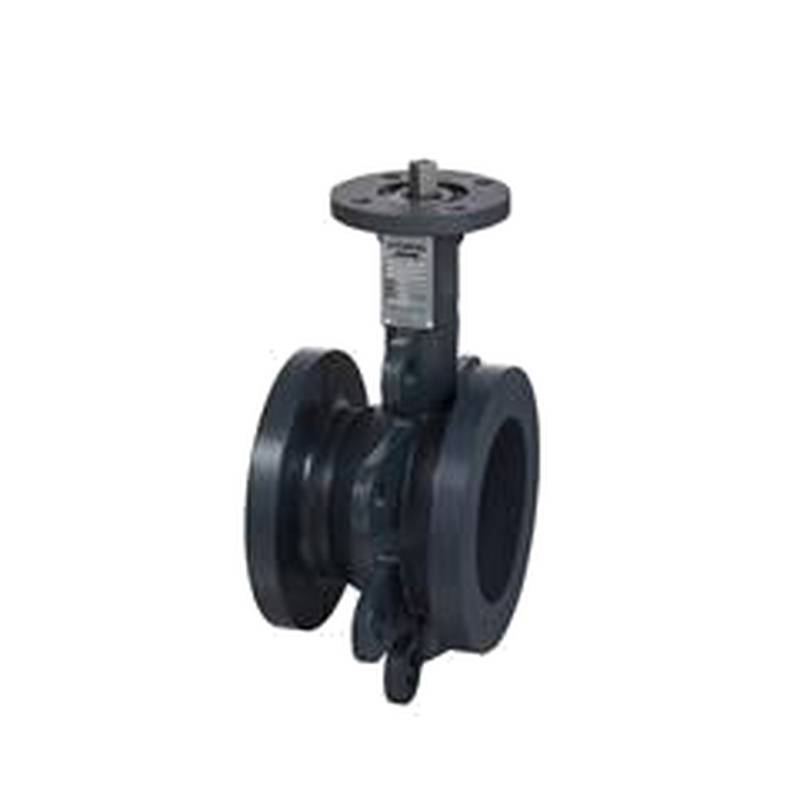
SIEMENS VAI61.15-1.6 Threaded Two-Way Ball Valve DN15 kvs 1.6


The SIEMENS VAI61.15-1.6 is a high-performance threaded two-way ball valve engineered for precise flow control in demanding industrial environments. This compact DN15 valve boasts a kvs value of 1.6, making it exceptionally suitable for applications requiring accurate regulation of water or other compatible fluids. Its robust construction and advanced sealing technology ensure reliable operation, extended service life, and minimal leakage, positioning it as a superior choice for HVAC systems, building automation, and process control applications where efficiency and dependability are paramount.
Product Specifications
| Parameter | Value |
| :----------------- | :---------------------------------------- |
| Product Type | Threaded Two-Way Ball Valve |
| Manufacturer | SIEMENS |
| Model | VAI61.15-1.6 |
| Nominal Diameter | DN15 |
| kvs Value | 1.6 |
| Connection Type | Threaded |
| Material | Brass (typically, for potable water applications) |
| Operating Pressure | Up to 16 bar (typically) |
| Temperature Range | -10 to 120 °C (typically) |
| Actuator Interface | Standard mounting |
| Sealing | EPDM (typically for potable water) |
Core Features & Market Positioning
The SIEMENS VAI61.15-1.6 distinguishes itself through its exceptional precision and durability. Engineered with high-quality materials, such as brass bodies and EPDM seals, it offers excellent resistance to corrosion and a broad temperature range, ensuring longevity even in challenging conditions. The valve's design prioritizes tight shut-off capabilities and minimal pressure drop, contributing to system energy efficiency. Its compact form factor and standard thread connections facilitate straightforward integration into existing or new systems. SIEMENS' reputation for quality and reliability further solidifies the VAI61.15-1.6's market position as a trusted component for critical flow control tasks.
Key Application Scenarios
This SIEMENS ball valve is ideally suited for a variety of applications, particularly within building services and industrial process control. It excels in heating, ventilation, and air conditioning (HVAC) systems for precise temperature regulation and zone control. In building automation, it plays a crucial role in managing water flow for comfort and efficiency. Process industries can leverage the VAI61.15-1.6 for controlling fluid streams in manufacturing lines, chemical processing, and water treatment facilities where accurate and reliable valve operation is essential. Its suitability for potable water applications, owing to materials like brass and EPDM, further broadens its applicability.
Practical System Integration Guidance
Integrating the SIEMENS VAI61.15-1.6 is streamlined due to its standard threaded connections, typically G 1/2" or similar, allowing for direct screw-in into pipework. Proper installation requires ensuring the valve is oriented correctly with respect to flow direction, though most ball valves are bi-directional. For actuation, the valve is designed to accept standard electric or pneumatic actuators. When connecting an electric actuator, ensure compatibility with the valve's mounting flange and torque requirements. Wiring should follow the actuator manufacturer's specifications, paying close attention to power supply, control signals (e.g., 0-10V, 4-20mA, or on/off), and feedback signals if applicable. Commissioning involves verifying actuator movement and confirming that the valve achieves the desired flow rates at set points, ensuring no leaks are present.
Operation and Risk Mitigation
Operating the SIEMENS VAI61.15-1.6 involves actuating the ball within the valve body to control flow. Typically, this is done via an electric or pneumatic actuator, which rotates the ball 90 degrees between fully open and fully closed positions. To mitigate risks, ensure the fluid media is compatible with the valve's materials (brass, EPDM) and that operating temperature and pressure do not exceed specified limits. Regular visual inspection for leaks around the stem or connections is advisable. In case of actuator failure or unresponsive valve operation, consult the actuator's documentation for troubleshooting specific to its type (e.g., checking power, fuses, or control signals). Avoid forcing the valve or actuator beyond their operational limits, as this can cause damage.
Scalability & Long-Term Value
The SIEMENS VAI61.15-1.6 offers considerable long-term value through its robust design and compatibility with broader SIEMENS automation platforms. While this specific model is a standalone component, its integration capabilities allow it to be a part of larger, scalable systems. For instance, in building management systems (BMS) or industrial control systems (ICS), multiple VAI61.15-1.6 valves can be networked and managed centrally. This enables sophisticated control strategies and data acquisition, paving the way for IIoT integration. Future upgrades might involve transitioning to smart actuators with enhanced diagnostic capabilities or incorporating the valve into predictive maintenance routines, maximizing operational uptime and system efficiency over its lifespan.
Frequently Asked Questions
What is the primary function of the SIEMENS VAI61.15-1.6?
This valve precisely controls fluid flow. It operates by rotating a ball with a bore through it. The kvs 1.6 rating indicates its flow capacity.
It is commonly used in HVAC and building automation systems. Its main role is regulating water or compatible media for temperature control.
The threaded connections allow for easy integration into piping systems for various industrial and commercial applications.
Can the SIEMENS VAI61.15-1.6 be used with aggressive chemicals?
The valve's standard materials are brass and EPDM. These are suitable for water and some mild chemicals.
For aggressive chemicals, material compatibility must be thoroughly checked. Specialized seals or different valve body materials might be required.
Consult SIEMENS documentation or a product specialist for specific chemical resistance data. Using it with incompatible media can lead to failure.
What type of actuator is compatible with the SIEMENS VAI61.15-1.6?
Standard electric or pneumatic actuators are typically compatible. Ensure the actuator has the correct mounting interface.
Torque requirements must match the valve's sealing capabilities. Control signal compatibility (analog or digital) is also crucial.
Always verify actuator specifications against the valve's operational needs and environmental conditions.
How do I install the SIEMENS VAI61.15-1.6 ball valve?
Ensure the pipe threads are clean and suitable for the valve's connection. Apply PTFE tape or pipe sealant to the male threads.
Carefully screw the valve onto the pipe fitting, tightening it to a snug fit. Do not overtighten, as this can damage the threads or valve body.
Connect the actuator, ensuring proper alignment and secure fastening according to the actuator's manual. Verify flow direction if applicable.
What does DN15 and kvs 1.6 signify for this valve?
DN15 refers to the nominal diameter of the valve, indicating its size. This is typically 15 millimeters.
kvs 1.6 is the flow coefficient. It quantifies the volume flow rate of water at 20°C passing through the valve per hour.
A kvs of 1.6 means it can allow 1.6 cubic meters of water per hour with a 1-bar pressure drop across the valve.
What is the typical operating pressure and temperature range?
The valve generally operates up to 16 bar pressure. It's designed for systems within this range.
Temperature-wise, it can handle conditions from -10°C to 120°C. This range covers many industrial and HVAC applications.
Always confirm these limits in the specific product datasheet to avoid exceeding operational parameters.
Where are SIEMENS VAI61.15-1.6 valves commonly found?
These valves are frequent in heating and cooling systems for buildings. They offer precise zone control.
They are also utilized in various industrial process applications. This includes water treatment and manufacturing lines.
Building automation systems extensively use them for managing fluid distribution and climate control.
What maintenance is required for this ball valve?
For standard operation, minimal maintenance is typically needed. Regular visual checks for leaks are recommended.
Ensure actuators are functioning correctly and that no excessive vibration is present. Periodic flushing of the system can help prevent debris buildup.
If issues arise, refer to the actuator's maintenance schedule and the valve's troubleshooting guide.
Can I use this valve for on/off control or proportional control?
The SIEMENS VAI61.15-1.6 can be used for both. Its function depends on the connected actuator.
An on/off actuator will provide simple open/close functionality. A proportional actuator allows for variable flow regulation.
Selecting the correct actuator type is key to achieving the desired control strategy for your application.
What are common issues if the valve is not working correctly?
If the valve doesn't open or close, check the actuator's power and control signal. The actuator itself might have failed.
Leaks can indicate worn seals or damage to the valve seat. Ensure the valve is within its pressure and temperature limits.
Sticking or difficult operation might be due to debris in the system or actuator misalignment.