











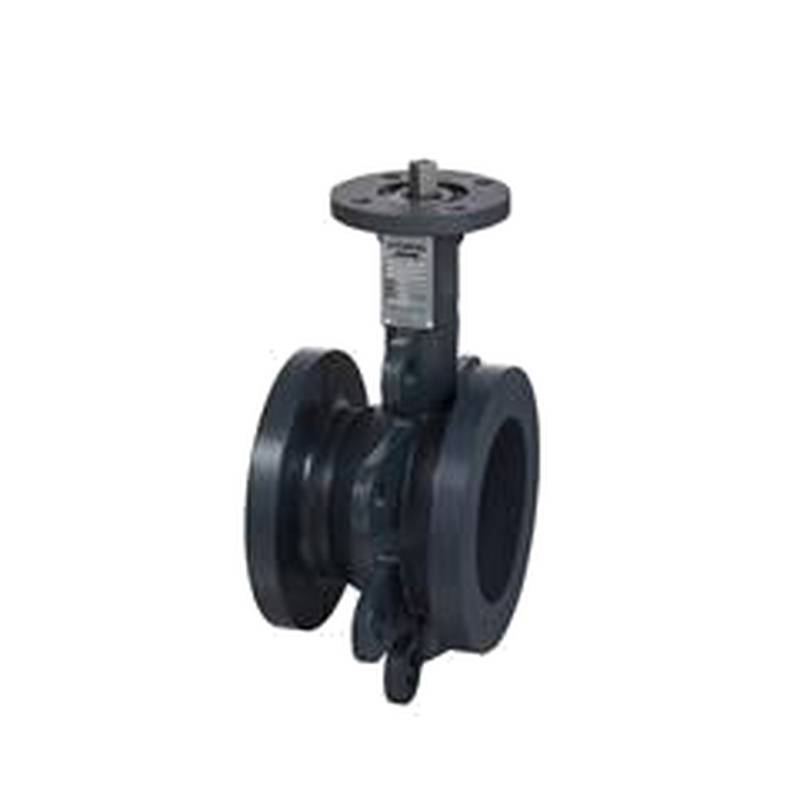
SIEMENS VAI61.15-6.3 Two-Way Ball Valve DN15 kvs 6.3 Control


The SIEMENS VAI61.15-6.3 Two-Way Ball Valve, a DN15 valve with a kvs of 6.3, stands as a robust and precise solution for fluid control in demanding industrial environments. This valve distinguishes itself through its exceptional sealing capabilities, durable construction, and reliable performance, ensuring optimal process management and minimizing downtime. Its compact design and high flow coefficient make it ideal for applications requiring precise regulation and efficient media throughput. Key technical parameters include a nominal size (DN) of 15, a flow coefficient (kvs) of 6.3, and a maximum operating pressure suitable for a wide range of industrial systems. The VAI61.15-6.3 is engineered for longevity and ease of maintenance, offering a compelling combination of advanced functionality and cost-effectiveness for HVAC, building automation, and various process industries.
Product Specifications
| Feature | Specification |
| :--------------- | :------------------------------------------ |
| Product Type | Two-Way Ball Valve |
| Manufacturer | SIEMENS |
| Model Number | VAI61.15-6.3 |
| Nominal Diameter (DN) | 15 |
| Flow Coefficient (kvs) | 6.3 |
| Connection Type | Flanged (specific flange standard to be confirmed by application) |
| Actuation | Electric Actuator (specific model dependent) |
| Body Material | Typically stainless steel or brass (application dependent) |
| Sealing Material | EPDM, NBR, or PTFE (application dependent) |
| Operating Temperature Range | Varies based on sealing material, typically -10°C to +120°C |
| Operating Pressure Rating | Varies based on connection and materials, designed for standard industrial pressures |
Core Features & Market Positioning
The SIEMENS VAI61.15-6.3 excels due to its robust construction and precise control capabilities, positioning it as a premium choice for critical fluid management. Its ball valve design ensures tight shut-off and minimal leakage, a significant advantage over traditional globe valves in many scenarios. The valve's inherent low-friction operation, coupled with a high flow coefficient (kvs 6.3), allows for efficient fluid handling and reduced energy consumption in pumping systems. This combination of durability, precision, and efficiency makes it a preferred component in systems where reliability and accurate process control are paramount.
Key Application Scenarios
This SIEMENS two-way ball valve finds extensive use in HVAC systems for controlling chilled water, hot water, and heating circuits, particularly in fan coil units, air handling units, and terminal units. In building automation, it is crucial for zone control and temperature regulation, ensuring occupant comfort and energy efficiency. Process industries leverage its reliability for controlling water, steam, and other industrial fluids within manufacturing plants, chemical processing, and water treatment facilities where precise flow modulation is essential.
Practical System Integration Guidance
Integrating the SIEMENS VAI61.15-6.3 typically involves connecting it to a compatible electric actuator. Ensure proper alignment between the valve stem and the actuator's drive shaft to prevent damage. Wiring should strictly follow the actuator's documentation, paying close attention to power supply, control signals (e.g., 0-10 VDC, 4-20 mA), and any feedback or status connections. Proper system commissioning includes verifying actuator stroke, ensuring correct flow direction, and calibrating control loops to achieve desired setpoints.
Operation and Risk Mitigation
Proper operation of the VAI61.15-6.3 involves ensuring the actuator is correctly calibrated and that the control system provides appropriate signals. Avoid operating the valve in a partially open state for extended periods if cavitation is a risk, as this can lead to premature wear. Regularly inspect the valve for any signs of leakage or unusual noise, which could indicate seal wear or internal damage. In case of actuator failure, follow the manufacturer's recommended procedure for manual override or replacement to maintain system integrity and prevent process disruptions.
Scalability & Long-Term Value
The SIEMENS VAI61.15-6.3 ball valve integrates seamlessly with SIEMENS automation platforms and other Building Management Systems (BMS). Its compatibility with digital control signals allows for easy integration into IIoT ecosystems, enabling advanced analytics, remote monitoring, and predictive maintenance. The robust design ensures a long service life, and the availability of spare parts and service kits supports ongoing operational efficiency. This makes the valve a valuable long-term investment, contributing to the overall reliability and intelligence of modern industrial and building control systems.
Frequently Asked Questions (FAQs)
What is the maximum operating pressure for the SIEMENS VAI61.15-6.3?
The maximum operating pressure depends on the specific materials used for the valve body and seals. SIEMENS valves are designed for typical industrial pressures. Always consult the detailed datasheet for the exact configuration.
Maximum pressure ratings vary significantly. Specific material choices dictate the precise limits. Referencing the official product documentation is crucial.
Ensure the system's operating pressure remains within the valve's specified limits. Exceeding these can cause catastrophic failure and safety hazards.
What type of actuator is compatible with the VAI61.15-6.3?
This valve is designed for use with SIEMENS electric actuators. Specific actuator models are selected based on torque requirements and control signal type. Common choices include proportional or on/off actuators.
The actuator must match the valve's mounting flange and stem dimensions. Control signal compatibility (e.g., voltage or current) is also a key selection criterion.
Consult the SIEMENS actuator selection guide for the VAI61.15-6.3 to identify the optimal model. Proper pairing ensures accurate and reliable valve operation.
How do I perform maintenance on the SIEMENS VAI61.15-6.3?
Maintenance typically involves visual inspection for leaks and checking actuator function. Periodic seal replacement might be necessary in demanding applications. Always isolate the system before maintenance.
Before any work, ensure the valve is de-energized and the line pressure is released. Follow manufacturer guidelines for disassembly and reassembly if internal maintenance is required.
Regular checks help prevent costly failures. For complex issues, professional service by trained technicians is recommended to maintain performance and safety.
Can the VAI61.15-6.3 be used for steam applications?
Steam applications require specific valve materials and higher temperature ratings. While some ball valves can handle steam, suitability depends on the exact model and operating conditions.
The VAI61.15-6.3's standard material configurations may not be rated for high-temperature steam. Special versions or alternative valve types are often needed for saturated or superheated steam.
Verify the valve's datasheet carefully for steam compatibility and maximum temperature limits. Incorrect use with steam can lead to rapid deterioration and safety risks.
What is the typical response time of the VAI61.15-6.3 with an electric actuator?
Response times vary based on the actuator model and control signal. Proportional actuators offer faster, more precise adjustments than on/off types. Typical times range from seconds to a minute.
Actuator stroke time is a primary factor. Higher torque actuators might have slightly slower response but offer more power. Control signal type also influences responsiveness.
Refer to the specific actuator's technical specifications for precise response time data. Faster response is critical for dynamic process control loops.
How does the kvs value of 6.3 affect performance?
A kvs of 6.3 indicates the flow rate in cubic meters per hour at a pressure drop of 1 bar. A higher kvs allows for greater flow capacity. This value is crucial for sizing the valve correctly.
This kvs rating means the valve can handle a significant volume of fluid. It ensures efficient flow, preventing bottlenecks in systems requiring high throughput.
Properly sizing the valve using the kvs is essential. It impacts system efficiency, pump performance, and overall control accuracy.
What are the benefits of a two-way ball valve over other valve types?
Ball valves offer excellent shut-off capabilities and durability. They have fewer moving parts than some other valve types, leading to longer service life and less maintenance.
Their design provides a quick quarter-turn operation from fully open to fully closed. This makes them ideal for applications needing rapid isolation.
Compared to globe valves, ball valves generally have lower pressure drops and are more resistant to wear from throttling. This makes them more energy efficient.
How is the SIEMENS VAI61.15-6.3 controlled?
This valve is typically controlled by an electric actuator. The actuator receives signals from a control system, such as a PLC or BMS. Control signals can be analog (e.g., 0-10V) or digital.
The actuator translates the control signal into the valve's rotational movement. This allows for precise positioning of the ball, regulating the fluid flow.
Proper wiring and configuration of the actuator and control system are vital. The control system dictates the valve's position based on process parameters.
What kind of sealing materials are commonly used?
Common sealing materials include EPDM, NBR, and PTFE. The choice depends on the fluid type, temperature, and pressure. EPDM is often used for water and HVAC, while PTFE offers broader chemical resistance.
Each material has a specific operating temperature and pressure range. NBR is generally good for oils and hydrocarbons but has limitations with high temperatures.
Selecting the correct seal material is critical for valve longevity and leak-free operation. Consult the product specifications for material compatibility.
Where can I find the installation manual for the VAI61.15-6.3?
Installation manuals are typically available on the SIEMENS official website. Search for the product model number to access technical documentation, including installation and operation guides.
You can also request the manual directly from your SIEMENS sales representative or authorized distributor. Ensure you have the exact product code for accurate retrieval.
The manual contains essential information on mounting, wiring, and initial setup. Always refer to it for safe and correct installation.