











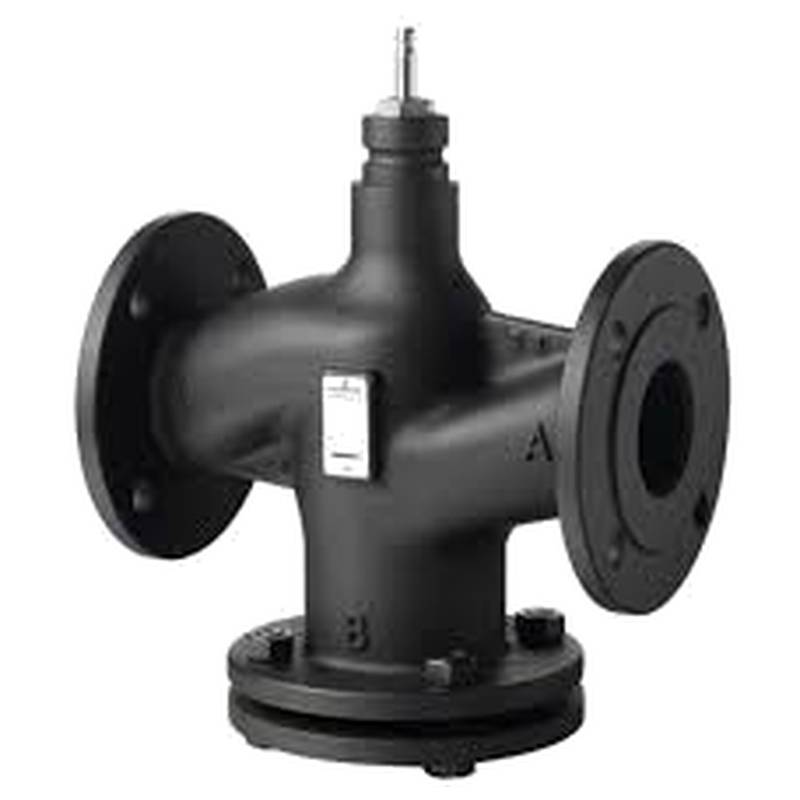
SIEMENS VVF43.65-63K Flanged Two-Way Valve DN65 kvs 63


The SIEMENS VVF43.65-63K Flanged Two-Way Valve, DN65, with a KVS of 63, represents a robust and reliable solution for demanding industrial fluid control applications. This high-performance valve is engineered for precise regulation of water and other neutral fluids, offering superior control accuracy and operational longevity. Its design prioritizes ease of integration and maintenance, making it a preferred choice for engineers and system designers in HVAC, building automation, and industrial process control. Key advantages include its exceptional sealing capabilities, durable construction, and compatibility with a wide range of SIEMENS actuators and control systems, ensuring seamless integration into complex automated environments.
Product Specifications
| Parameter | Value |
| :----------------- | :------------------------------------------ |
| Valve Type | Flanged Two-Way Control Valve |
| Manufacturer | SIEMENS |
| Model | VVF43.65-63K |
| Nominal Diameter | DN65 (2.5 inches) |
| KVS Value | 63 m³/h |
| Connection Type | Flanged (ASME/ANSI or DIN standard compatible) |
| Body Material | Cast Iron (GGG40/GG25) |
| Seat Material | EPDM |
| Seal Material | EPDM |
| Permissible Fluid | Water, water-glycol mixtures (up to 50%) |
| Temperature Range | -10 to 120 °C (14 to 248 °F) |
| Pressure Rating | PN16 |
| Actuator Compatibility | Various SIEMENS electric and pneumatic actuators |
Core Features & Market Positioning
The SIEMENS VVF43.65-63K distinguishes itself through its high flow coefficient (KVS 63), enabling significant flow rates within a compact DN65 size. This allows for more efficient system design and potentially smaller, more cost-effective installations. The valve's construction, often utilizing durable cast iron, provides resilience in industrial settings, resisting corrosion and mechanical stress. Its compatibility with a broad spectrum of SIEMENS actuators, including electric proportional and modulating types, positions it as a versatile component within the SIEMENS Building Technology ecosystem. This integration capability is a key differentiator, offering users a unified platform for control and monitoring, which is highly valued in modern automated facilities. The precise control characteristics afforded by its design minimize energy waste and optimize process efficiency, contributing to its strong market presence in critical fluid management systems.
Key Application Scenarios
Engineers frequently specify the SIEMENS VVF43.65-63K for demanding HVAC systems in large commercial buildings, where precise temperature control of heating and cooling water circuits is paramount. Its robust construction and reliable performance make it ideal for primary and secondary pumping loops, chilled water distribution, and hot water heating systems. In industrial process control, this valve finds application in managing the flow of process water, cooling water for machinery, and in various chemical processing loops where neutral fluids are handled. Building automation integrators also leverage its compatibility with DDC (Direct Digital Control) systems for sophisticated climate control strategies, energy management, and integration into Building Management Systems (BMS) for optimized operational efficiency.
Practical System Integration Guidance
Seamless integration of the SIEMENS VVF43.65-63K requires careful attention to actuator selection and mounting. Ensure the chosen SIEMENS actuator (e.g., GBB series for electric, GM series for pneumatic) is rated for the valve's torque requirements and travel time. Proper flange alignment and gasket selection according to the specified PN16 rating are crucial for preventing leaks. For electric actuators, wiring should adhere strictly to the manufacturer's diagrams, paying close attention to signal types (e.g., 0-10V, 4-20mA) and power supply requirements. Commissioning typically involves stroke calibration, ensuring the valve fully opens and closes within the actuator's limits, and verifying control loop responsiveness to prevent overshoot or instability in the process.
Operation and Risk Mitigation
The VVF43.65-63K is designed for operational stability, but common risks include actuator failure, seat leakage, or damage due to improper fluid handling. Regular inspection of the valve body and stem for any signs of corrosion or mechanical damage is recommended. Periodic operational checks, including listening for unusual noises during operation and monitoring system pressure and flow, can preemptively identify issues. For actuators, adhering to maintenance schedules and ensuring proper electrical connections will mitigate common fault scenarios. In critical applications, consider implementing redundant control systems or failsafe actuator options to ensure continuous operation or a safe shutdown in case of component failure.
Scalability & Long-Term Value
The SIEMENS VVF43.65-63K offers excellent long-term value through its robust design and compatibility with SIEMENS' evolving automation platforms. Its ability to integrate with modern IIoT (Industrial Internet of Things) enabled systems, when paired with compatible intelligent actuators and controllers, allows for advanced diagnostics, predictive maintenance, and remote monitoring capabilities. This ensures that facility managers can optimize performance, reduce downtime, and extend the operational life of their fluid control infrastructure. As building and industrial automation systems advance, the VVF43.65-63K remains a dependable component, capable of adapting to new control strategies and communication protocols through its integration with SIEMENS' broader product portfolio.
FAQs
What is the maximum operating pressure for the SIEMENS VVF43.65-63K valve?
The valve is rated for PN16 pressure, which is a nominal pressure of 16 bar. This rating is suitable for many industrial and building automation applications. Ensure your system's operating pressure does not exceed this limit for safe and reliable performance.
This PN16 rating ensures the valve can withstand typical pressures found in heating, cooling, and process water systems. It is crucial to consult system design specifications to confirm compatibility. Exceeding the PN16 rating can lead to valve damage or catastrophic failure.
Regular inspection and maintenance are vital for maintaining the integrity of the valve under its rated pressure. Proper installation, including correct flange tightening, is also critical to prevent leaks at the specified pressure.
What types of fluids can be used with the SIEMENS VVF43.65-63K?
This valve is specifically designed for neutral fluids such as water and water-glycol mixtures. The maximum glycol concentration recommended is typically 50%. Using fluids outside of these specifications can damage the valve's internal components or seals.
The EPDM seat and seal materials are selected for their compatibility with water and common antifreeze solutions used in HVAC systems. Glycol mixtures are often used to prevent freezing in colder climates, and this valve is engineered to handle those formulations.
Always verify the fluid's chemical composition and temperature range against the valve's material specifications. Impurities or aggressive chemicals can significantly reduce the valve's lifespan and performance.
How do I select the correct actuator for the SIEMENS VVF43.65-63K valve?
Actuator selection depends on required torque, travel time, and control signal type (e.g., proportional, on/off). SIEMENS offers a range of compatible electric and pneumatic actuators suitable for this valve. Consult the SIEMENS actuator selection guide for detailed matching.
Consider the valve's dynamic forces and friction to determine the necessary torque. For precise control applications, a proportional actuator with a suitable control signal (0-10V, 4-20mA) is essential. Faster response times may require actuators with specific travel speed ratings.
The VVF43.65-63K is designed for easy mounting with standardized actuator connection points, simplifying the selection and installation process. Ensure the actuator's power supply and signal wiring are compatible with your control system.