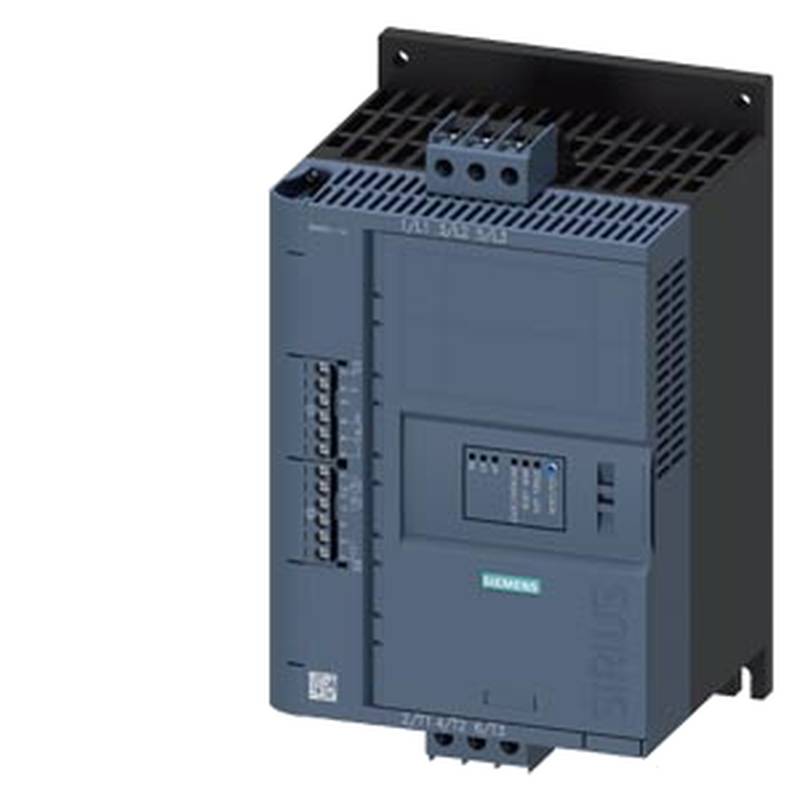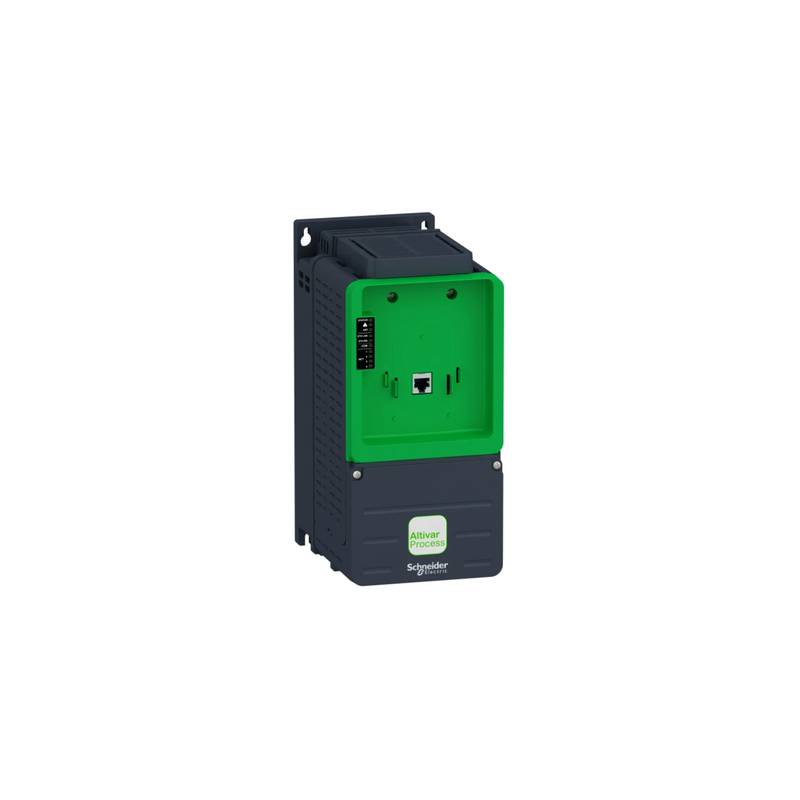












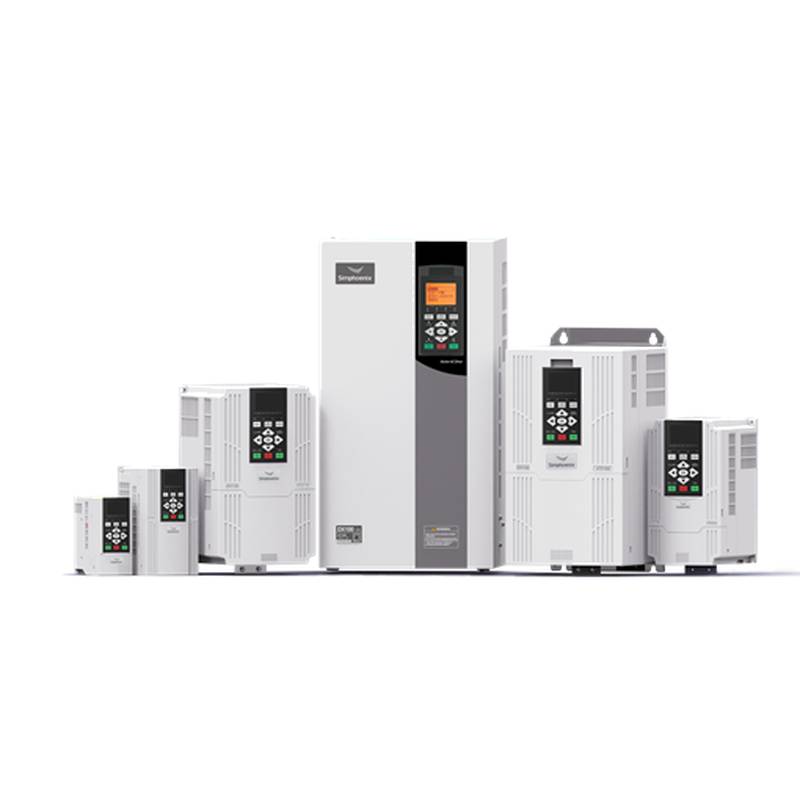
SIMPHOENIX DX100-4T1600 Industrial AC Drive Frequency Converter 160kW


The SIMPHOENIX DX100-4T1600 Industrial AC Drive Frequency Converter 160kW stands as a robust solution for demanding industrial applications, engineered for superior performance and reliability. This high-power variable frequency drive (VFD) delivers precise motor control, enhanced energy efficiency, and advanced protection features. Key advantages include its significant power output of 160kW, supporting heavy-duty machinery, and its advanced control algorithms for optimal torque and speed regulation. The drive boasts a wide input voltage range, accommodating diverse power grids, and features a user-friendly interface for straightforward operation and parameterization. Its robust construction ensures durability in harsh industrial environments, making the SIMPHOENIX DX100-4T1600 a critical component for optimizing industrial processes.
SIMPHOENIX DX100-4T1600: Product Specifications
| Parameter | Specification |
| :----------------- | :--------------------------------------------- |
| Model | DX100-4T1600 |
| Power Rating (kW) | 160 |
| Input Voltage | 3-Phase 380-440V AC |
| Output Voltage | 3-Phase 380-440V AC |
| Output Frequency | 0-400 Hz |
| Control Method | Sensorless Vector Control, V/f Control |
| Overload Capacity | 150% for 60 seconds, 120% for 180 seconds |
| Protection Features| Overvoltage, Undervoltage, Overcurrent, Overtemperature, Phase Loss, Motor Overload, etc. |
| Mounting Type | Wall/Cabinet Mount |
| Communication | RS485 (Modbus RTU) standard, optional fieldbuses |
| Dimensions (HxWxD) | Varies by enclosure; contact manufacturer |
| Weight | Varies by enclosure; contact manufacturer |
Core Features & Market Positioning
The SIMPHOENIX DX100-4T1600 distinguishes itself through its advanced sensorless vector control technology, enabling precise and dynamic motor response without the need for motor encoders. This feature simplifies installation and reduces system costs while maintaining high performance in applications requiring accurate speed and torque regulation. Its robust overload capability, allowing for 150% current for 60 seconds, makes it exceptionally suitable for applications with high starting torque requirements, such as crushers, mixers, and conveyors. Positioned as a high-performance, reliable VFD for heavy-duty industrial use, the DX100-4T1600 competes effectively against other premium brands by offering a balance of advanced features, operational efficiency, and durable design. The integrated RS485 Modbus RTU communication port facilitates seamless integration into SCADA and DCS systems, enhancing its appeal for modern industrial automation.
Key Application Scenarios
This 160kW frequency converter is ideally suited for a wide array of heavy industrial applications where precise motor control and energy savings are paramount. Common use cases include the operation of large pumps in water treatment plants and oil and gas facilities, where variable speed control optimizes flow rates and reduces energy consumption. In manufacturing, it drives large fans and blowers in HVAC systems, cement plants, and mine ventilation, providing significant energy efficiency gains by matching motor speed to process demand. Furthermore, its robust torque control capabilities make it an excellent choice for extruders, injection molding machines, and large-scale material handling systems like heavy-duty conveyors and cranes, ensuring smooth acceleration and deceleration, thereby prolonging equipment life and improving process stability.
Practical System Integration Guidance
Integrating the SIMPHOENIX DX100-4T1600 into existing industrial systems is streamlined due to its standard communication protocols and clear wiring schematics. For typical motor connections, ensure that the motor leads are securely connected to the drive's output terminals (T1, T2, T3), observing correct phasing to prevent motor damage. Power input connections require careful attention to the correct phase sequence for the 3-phase 380-440V AC supply to terminals L1, L2, and L3. Grounding the drive and motor according to local electrical codes is crucial for safety and electromagnetic compatibility. Parameterization typically involves setting motor nameplate data (voltage, frequency, current, poles) and selecting the appropriate control mode (e.g., Sensorless Vector). For advanced integration, utilizing the RS485 port with the Modbus RTU protocol enables remote monitoring and control, often requiring configuration of communication parameters like baud rate, data bits, parity, and stop bits on both the drive and the master controller.
Operation and Risk Mitigation
Safe operation of the SIMPHOENIX DX100-4T1600 necessitates adherence to all installation and operating guidelines outlined in the manufacturer's manual. Before commissioning, verify all wiring connections and ensure the drive's enclosure is properly grounded. During operation, monitor drive parameters and motor temperature to prevent overheating. Common error codes, such as "Overcurrent" (OC) or "Overtemperature" (OT), often indicate issues like incorrect parameter settings, motor winding faults, or inadequate cooling. To mitigate risks associated with sudden power loss, implement appropriate braking strategies, such as dynamic braking resistors for high inertia loads, to safely decelerate the motor and prevent uncontrolled coasting. Always ensure that emergency stop circuits are correctly wired to the drive's control terminals for immediate system shutdown when necessary.
Scalability & Long-Term Value
The SIMPHOENIX DX100-4T1600 offers significant scalability and long-term value, particularly for facilities looking to upgrade their automation infrastructure. Its compatibility with industry-standard communication protocols like Modbus RTU allows for easy integration with existing SCADA systems and PLCs, forming the backbone of a connected industrial environment. For facilities moving towards Industry 4.0 and the Industrial Internet of Things (IIoT), the drive can be integrated with gateway devices that translate Modbus data into protocols like OPC UA, enabling cloud-based monitoring, predictive maintenance, and advanced analytics. While direct hardware upgrade paths within the DX100 series might be limited, the inherent flexibility in software configuration and communication capabilities ensures that this drive can adapt to evolving operational requirements and seamlessly fit into future digitalized manufacturing strategies, maximizing return on investment.
Frequently Asked Questions (FAQs)
1. What are the primary advantages of using the SIMPHOENIX DX100-4T1600?
This drive offers superior motor control accuracy and energy savings through advanced sensorless vector technology. Its robust overload capacity is ideal for applications with high starting torque demands. The drive also provides comprehensive protection features for enhanced equipment longevity.
The unit allows for precise speed and torque regulation, crucial for optimizing process performance in various industrial settings. Its ability to reduce motor speed when full power isn't needed directly translates into significant electricity cost reductions.
Built with durable components, the DX100-4T1600 is designed for reliability in demanding industrial environments, minimizing downtime and maintenance requirements.
2. How do I connect a motor to the SIMPHOENIX DX100-4T1600?
Connect the motor's three power leads to the output terminals (T1, T2, T3) of the frequency converter. Ensure correct phasing to prevent motor damage and ensure proper rotation direction.
Always consult the drive's manual for the specific terminal designations and recommended wire gauges based on motor current and cable length. Proper termination is key for reliable operation and safety.
Verify that the motor is properly grounded as per local electrical codes. This connection is vital for electrical safety and to mitigate electromagnetic interference.
3. What are the typical applications for a 160kW AC drive like the DX100-4T1600?
This drive is well-suited for heavy-duty applications such as large pumps, fans, and compressors in industries like water treatment, HVAC, and mining. Its high power rating and torque control are beneficial for extruders and injection molding machines.
It's also effective for material handling equipment, including cranes, hoists, and large conveyors, where precise speed control and smooth acceleration are needed. Industries like cement, steel, and paper manufacturing frequently utilize drives of this capacity.
The DX100-4T1600's ability to handle high inertia loads and frequent starts/stops makes it a versatile choice for many industrial process control scenarios.
4. How can I integrate the SIMPHOENIX DX100-4T1600 into a control system?
The drive features an RS485 communication port with Modbus RTU protocol for easy integration with PLCs and SCADA systems. This allows for remote monitoring, control, and diagnostics.
Configure communication parameters such as baud rate, data bits, parity, and address on both the drive and the master controller to establish a stable connection. Refer to the manual for detailed configuration steps.
For more advanced systems, consider using communication gateways to translate Modbus data into other industrial protocols like Ethernet/IP or Profinet, enabling broader network compatibility.
5. What safety precautions should be taken when operating this frequency converter?
Always ensure the drive is properly grounded and that all wiring is secure before powering up the unit. Follow lockout/tagout procedures during maintenance.
Never operate the drive outside its specified voltage and frequency ratings. Protect the drive from extreme temperatures, moisture, and dust to prevent damage and ensure safe operation.
Ensure emergency stop circuits are correctly wired and tested regularly. Familiarize yourself with the drive's fault codes and their corresponding troubleshooting procedures.
6. How does the sensorless vector control feature benefit users?
Sensorless vector control provides precise motor speed and torque regulation without requiring an encoder on the motor shaft. This simplifies installation and reduces overall system cost.
This advanced control method ensures the motor responds dynamically to load changes, maintaining consistent performance even under varying conditions. It's crucial for applications demanding high accuracy.
It allows the drive to operate efficiently at low speeds while still delivering high starting torque, which is beneficial for machinery that needs to overcome significant static friction.
7. What are common fault codes and how can I troubleshoot them?
Common fault codes include OC (Overcurrent), OT (Overtemperature), and OV (Overvoltage). OC usually indicates a problem with motor load, acceleration time, or motor parameters.
OT suggests issues with motor cooling, ambient temperature, or motor insulation. OV might point to line voltage issues or improper braking setup.
Refer to the SIMPHOENIX DX100-4T1600 user manual for a complete list of fault codes and detailed troubleshooting steps for each specific error.
8. Can the SIMPHOENIX DX100-4T1600 be used with different types of AC motors?
Yes, the DX100-4T1600 is designed to control standard three-phase induction motors. Ensure the motor's voltage and frequency ratings are compatible with the drive's output specifications.
When using motors other than the one specified in the drive's initial setup, it's crucial to re-parameterize the drive with the new motor's electrical characteristics. This includes voltage, current, frequency, and pole count.
The drive supports both V/f control and sensorless vector control modes, offering flexibility to optimize performance for various motor types and applications.
9. How does this drive contribute to energy efficiency in industrial settings?
By precisely controlling motor speed to match the actual process demand, the DX100-4T1600 significantly reduces energy consumption compared to fixed-speed operation. This is particularly impactful for fans, pumps, and compressors.
The drive's efficient power electronics and advanced control algorithms minimize energy losses during operation, leading to lower electricity bills. It can also optimize power factor.
Implementing variable speed drives like the DX100-4T1600 is a key strategy for industries aiming to meet sustainability goals and reduce their carbon footprint.
10. What is the typical lifespan and maintenance requirement for this AC drive?
With proper installation and operation within specified environmental conditions, industrial AC drives like the DX100-4T1600 typically have a long operational lifespan, often exceeding 10-15 years. Regular maintenance is minimal.
Key maintenance tasks include periodic cleaning of cooling fans and heatsinks to ensure optimal heat dissipation, and visual inspection of electrical connections for any signs of wear or corrosion.
Software updates, if available, can enhance performance and introduce new features, contributing to the drive's long-term value and operational relevance.