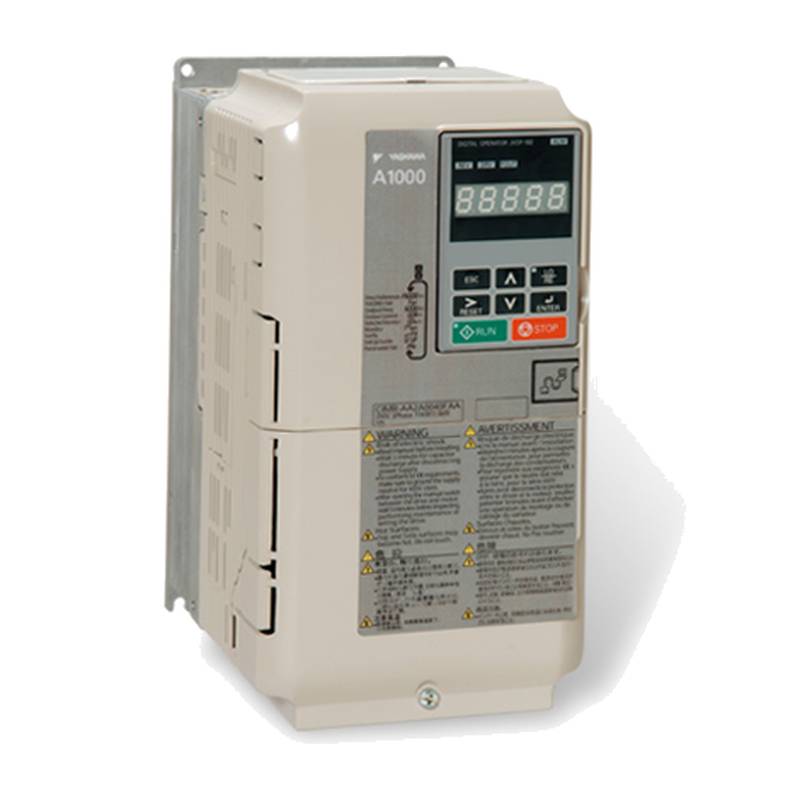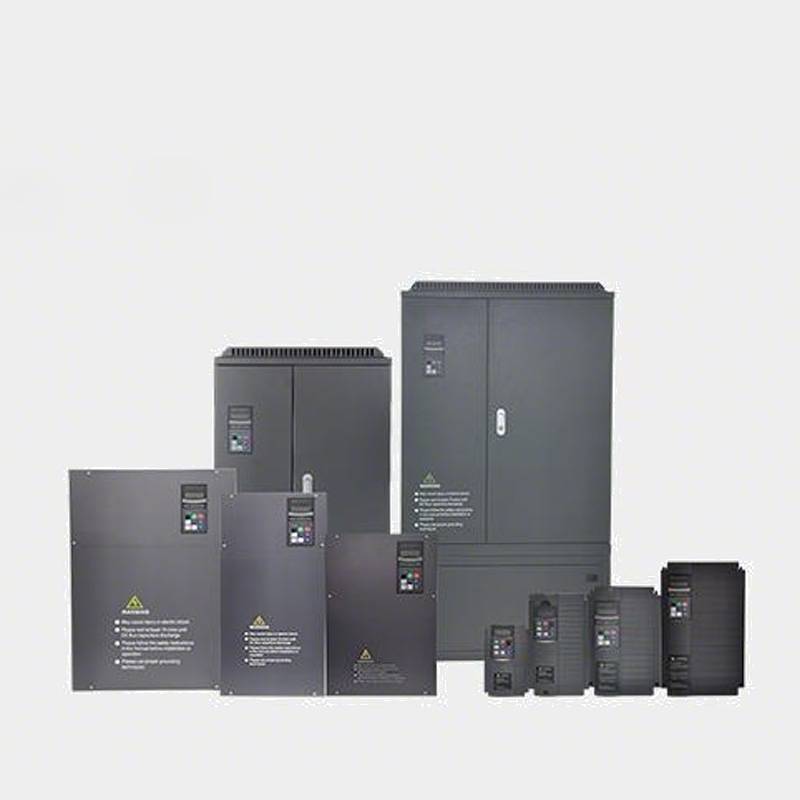













DANFOSS FC-101P15KT4E20H4XXCXXXSXXXXAXBXCXXXXDX 15kW 480V Three Phase FC-101 VFD


The DANFOSS FC-101P15KT4E20H4XXCXXXSXXXXAXBXCXXXXDX 15kW 480V Three Phase FC-101 Variable Frequency Drive (VFD) stands as a robust and versatile solution for precise motor control in demanding industrial environments. This 15kW drive offers significant advantages through its advanced control algorithms, energy efficiency features, and adaptability to various applications. Key technical parameters include a rated power of 15kW, an operating voltage of 480V three-phase, and a control method that supports a wide range of motor types. Its compact design and robust construction ensure reliable performance even under harsh conditions, positioning it as a leading choice for engineers and facility managers seeking optimized operational efficiency and extended equipment lifespan.
Product Specifications
| Parameter | Value |
| :-------------------- | :-------------------------------------------- |
| Model Number | FC-101P15KT4E20H4XXCXXXSXXXXAXBXCXXXXDX |
| Rated Power | 15 kW |
| Input Voltage | 480V, Three Phase |
| Output Frequency | 0-599 Hz |
| Enclosure Type | IP20 (Standard) |
| Control Method | V/Hz, Vector Control, Advanced Sensorless Vector |
| Ambient Temperature | -10°C to +50°C (derating may apply) |
| Dimensions (H x W x D)| Consult manual for exact dimensions |
| Weight | Consult manual for exact weight |
Core Features & Market Positioning
The DANFOSS FC-101P15KT4E20H4XXCXXXSXXXXAXBXCXXXXDX excels with its advanced control capabilities, including precise V/Hz control for simpler applications and sophisticated Sensorless Vector Control for high-performance torque demands. This adaptability allows it to be a cost-effective solution for a broad spectrum of motor-driven processes. Its built-in harmonic mitigation features, such as an integrated DC choke, significantly reduce harmonic distortion, contributing to cleaner power systems and compliance with industry standards. Market positioning is further solidified by Danfoss's reputation for reliability and long-term support, making this FC-101 VFD a preferred option for applications where uptime and performance are critical. The drive's energy-saving potential, achieved through optimized motor speed regulation, directly translates into reduced operating costs for end-users.
Key Application Scenarios
This 15kW VFD is exceptionally well-suited for a variety of demanding industrial applications. It provides precise speed and torque control for pumps and fans in HVAC systems, building automation, and process industries, optimizing energy consumption based on real-time demand. Its robust design and advanced control also make it ideal for conveyors, mixers, extruders, and other machinery in manufacturing and material handling sectors, ensuring consistent product quality and throughput. The 480V, three-phase configuration makes it a direct fit for numerous North American and international industrial power grids.
Practical System Integration Guidance
Integrating the DANFOSS FC-101P15KT4E20H4XXCXXXSXXXXAXBXCXXXXDX involves careful attention to wiring and programming to ensure optimal performance and safety. Ensure proper grounding of the drive and motor for electrical safety and noise reduction. Input and output power wiring should adhere to local electrical codes and Danfoss's guidelines, using appropriately sized conductors and protective devices. Commissioning typically involves setting basic motor parameters, such as rated voltage, current, and frequency, and selecting the appropriate control mode (V/Hz or Vector). Advanced programming can further fine-tune performance, including ramp times, current limits, and digital/analog input configurations for external control signals.
Operation and Risk Mitigation
Safe operation of the DANFOSS FC-101P15KT4E20H4XXCXXXSXXXXAXBXCXXXXDX is paramount. Always follow lockout/tagout procedures before performing any maintenance or wiring. Ensure the drive is properly ventilated to prevent overheating, as exceeding ambient temperature limits can lead to performance degradation or failure. Common troubleshooting involves checking for error codes displayed on the drive's interface. For instance, overload faults (e.g., code 02) might indicate issues with motor capacity, load conditions, or incorrect motor parameter settings. Overcurrent faults (e.g., code 03) can point to rapid acceleration or short circuits. Consulting the official Danfoss manual for specific fault code interpretations and remediation steps is crucial.
Scalability & Long-Term Value
The DANFOSS FC-101P15KT4E20H4XXCXXXSXXXXAXBXCXXXXDX offers significant long-term value through its inherent scalability and compatibility. Danfoss's product ecosystem allows for easy integration with other Danfoss components and control systems, facilitating future upgrades or expansion of automated processes. While the FC-101 is designed for robust standalone operation, it can be incorporated into larger Distributed Control Systems (DCS) or SCADA systems via optional communication modules, enabling advanced monitoring and control. This forward-thinking design ensures that the drive remains a relevant and valuable asset as industrial operations evolve towards greater digitalization and Industrial Internet of Things (IIoT) integration.
Frequently Asked Questions
1. What are the primary benefits of using the DANFOSS FC-101P15KT4E20H4XXCXXXSXXXXAXBXCXXXXDX?
This VFD provides precise motor speed control, leading to significant energy savings. It enhances process efficiency and product quality by maintaining stable operating parameters. Its robust design ensures high reliability and extended equipment lifespan in industrial settings.
2. How do I connect the DANFOSS FC-101P15KT4E20H4XXCXXXSXXXXAXBXCXXXXDX to my motor?
Ensure power is disconnected before wiring. Connect the motor leads (U, V, W) to the VFD's output terminals. Connect the three-phase input power to the VFD's input terminals. Ground both the motor and the VFD securely.
3. What are the typical applications for a 15kW, 480V three-phase VFD like this one?
It's ideal for pumps, fans, and HVAC systems to optimize energy usage. It's also suitable for conveyors, mixers, and processing equipment in manufacturing environments. Applications requiring precise speed and torque control benefit greatly.
4. Can this VFD be controlled remotely?
Yes, remote control is possible using digital or analog input signals configured during setup. Optional communication modules allow integration into SCADA or DCS systems for advanced remote operation. This enables centralized control and monitoring.
5. What safety precautions should I take when installing and operating this VFD?
Always follow lockout/tagout procedures during installation and maintenance. Ensure proper ventilation to prevent overheating and consult the manual for specific safety warnings. Verify correct wiring and grounding to prevent electrical hazards.
6. How does Sensorless Vector Control differ from V/Hz control on this drive?
V/Hz control is simpler and suitable for basic speed regulation. Sensorless Vector Control provides more precise torque and speed accuracy without motor feedback sensors. It's essential for dynamic loads and demanding applications.
7. What is the IP rating of the DANFOSS FC-101P15KT4E20H4XXCXXXSXXXXAXBXCXXXXDX?
The standard IP rating for this model is IP20. This indicates protection against solid objects larger than 12.5mm and no protection against water ingress. It is suitable for controlled industrial environments.
8. How can I program the drive for a specific application?
Basic programming involves setting motor data and control mode via the keypad. For advanced tuning, connect to a programming tool or use serial communication. Refer to the user manual for detailed parameter descriptions and setup sequences.
9. What is the significance of the built-in DC choke in this VFD?
The DC choke helps to reduce harmonic distortion injected back into the power supply. This improves power quality, reduces interference with other equipment, and aids in meeting power system harmonic regulations.
10. How does this VFD contribute to energy efficiency in industrial processes?
By precisely matching motor speed to the load requirement, it avoids running motors at full speed unnecessarily. This reduces energy consumption, lowers electricity bills, and decreases the overall carbon footprint of the operation.