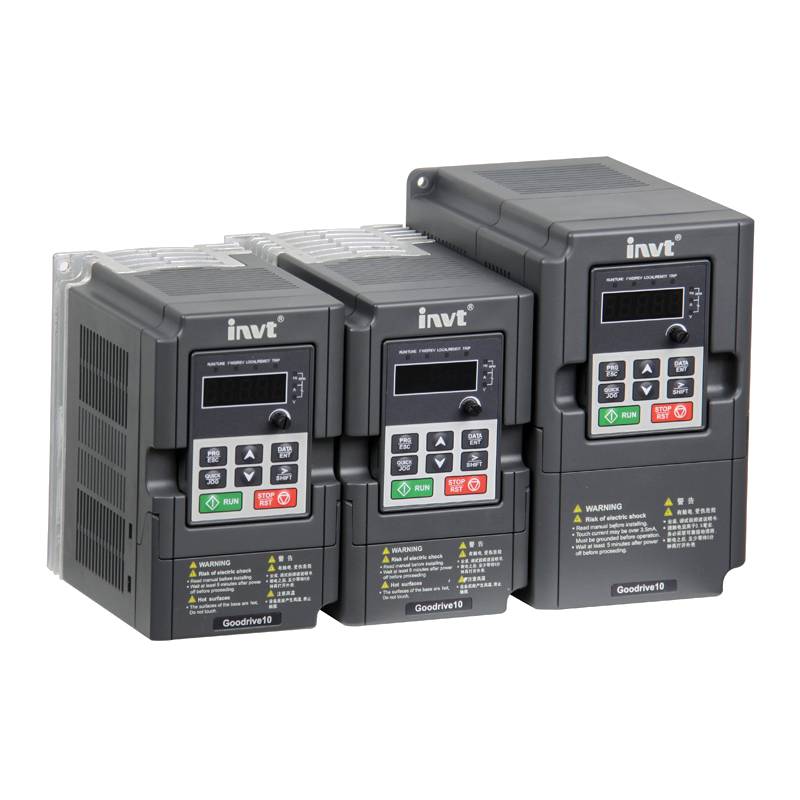












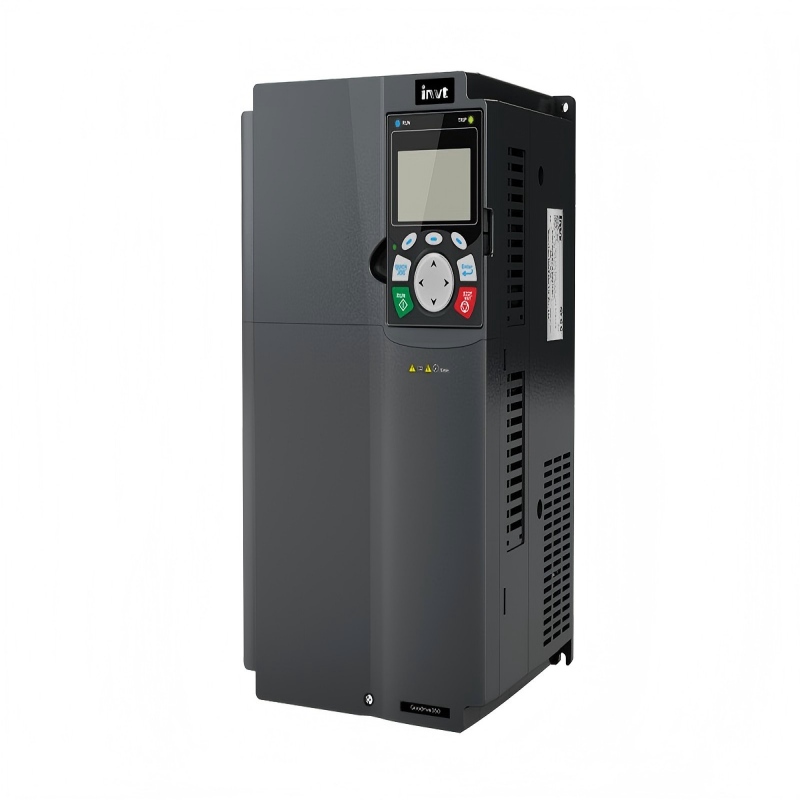
INVT GD350-5R5G-4 Goodrive350 Heavy Load Inverter 5.5kW Smart Industrial Controller 400V


The INVT GD350-5R5G-4 Goodrive350 Heavy Load Inverter 5.5kW Smart Industrial Controller 400V is engineered for demanding industrial applications, offering robust performance and intelligent control. This heavy-duty inverter boasts a 5.5kW power rating and operates on a 400V system, making it ideal for applications requiring significant torque and precise speed regulation. Its core advantages lie in its superior overload capability, advanced motor control algorithms, and comprehensive protection features, ensuring reliable operation even under extreme conditions. Key technical parameters include a rated power of 5.5kW, a nominal input voltage of 400V, and a robust output current capacity suitable for heavy load applications.
Product Specifications
| Feature | Specification |
| :----------------- | :--------------------------------------------- |
| Model | GD350-5R5G-4 |
| Series | Goodrive350 Heavy Load |
| Rated Power | 5.5kW (7.5 HP) |
| Input Voltage | 380V/400V/415V AC (3-Phase) |
| Output Voltage | 380V/400V/415V AC (3-Phase) |
| Rated Frequency | 50/60 Hz |
| Output Frequency | 0-3000 Hz |
| Control Method | Sensorless Vector Control, V/f Control |
| Overload Capacity | 150% for 60s, 180% for 10s |
| Protection Class | IP20 |
| Ambient Temperature| -10°C to 40°C (derating above 40°C) |
| Mounting | Wall or DIN rail mounting |
Core Features & Market Positioning
The INVT GD350-5R5G-4 positions itself as a high-performance solution for industries demanding exceptional motor control and durability. Its advanced sensorless vector control algorithm provides precise speed and torque regulation, even with fluctuating loads, a critical advantage over basic V/f control in heavy-duty scenarios. The inverter's enhanced overload capability, allowing for 150% of rated current for 60 seconds and 180% for 10 seconds, is a standout feature designed to handle high starting torques and sudden load surges common in applications like crushers, presses, and extruders. This robust design translates to increased machinery uptime and reduced maintenance requirements, offering a strong competitive edge in the industrial automation market.
Key Application Scenarios
This INVT GD350-5R5G-4 is exceptionally well-suited for a wide array of heavy-load industrial applications. It excels in driving equipment that requires high starting torque and consistent performance under variable load conditions, such as injection molding machines, CNC machine tools, rubber and plastic machinery, and heavy conveyors. Its 400V rating and 5.5kW power capacity make it a practical choice for textile machinery, mining equipment, and large fan and pump systems where energy efficiency and precise control are paramount. The ability to precisely control motor speed and torque translates directly into improved product quality and reduced energy consumption across these diverse sectors.
Practical System Integration Guidance
Integrating the INVT GD350-5R5G-4 into existing industrial systems is facilitated by its versatile input/output terminals and communication options. Proper wiring is crucial; ensure the input power supply is correctly connected to the L1, L2, L3 terminals and the motor is wired to T1, T2, T3. For optimal performance, using shielded motor cables is recommended to minimize electromagnetic interference. Commissioning typically involves parameter setting via the integrated keypad or software, with essential configurations including motor data auto-sensing, output frequency limits, and acceleration/deceleration times. For advanced integration, Modbus RTU communication via RS-485 allows seamless connectivity with PLCs and SCADA systems for centralized control and monitoring.
Operation and Risk Mitigation
Safe and effective operation of the INVT GD350-5R5G-4 necessitates adherence to established safety protocols and an understanding of its fault indications. Always ensure the unit is de-energized before performing any wiring or maintenance. Key fault codes, such as E.OC (Overcurrent) or E.OL (Overload), often indicate issues with motor parameters, excessive load, or inadequate cooling, requiring investigation into the application's mechanical and electrical characteristics. Implementing the recommended derating for ambient temperatures above 40°C and ensuring adequate ventilation are critical for preventing thermal shutdowns and extending the inverter's lifespan.
Scalability & Long-Term Value
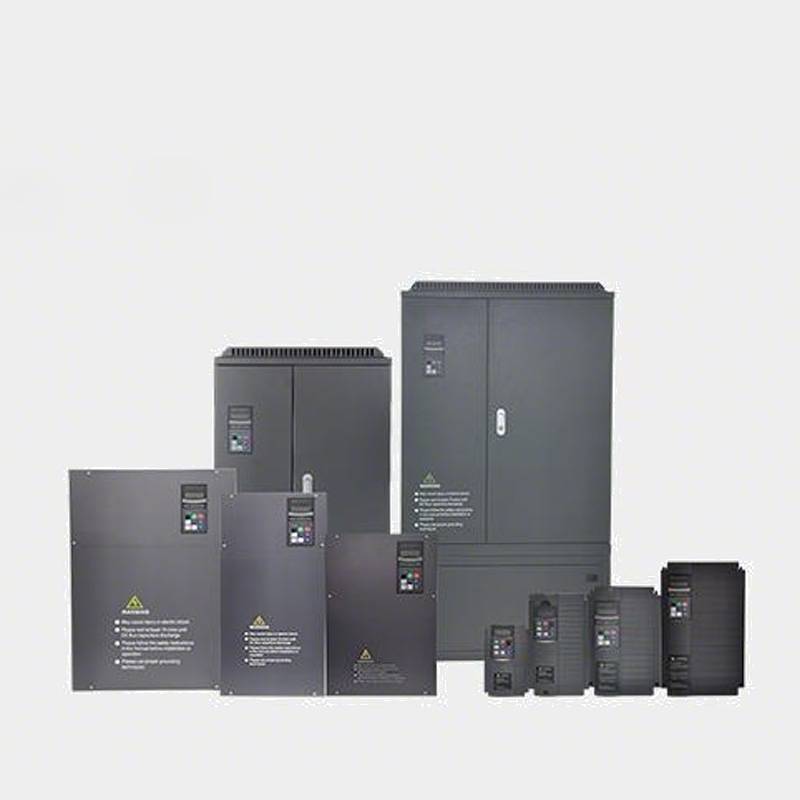
The INVT GD350-5R5G-4 offers significant scalability and long-term value through its compatibility and potential for advanced integration. Its modular design and standard communication protocols like Modbus enable easy integration into larger automation systems and IIoT platforms, facilitating data acquisition for predictive maintenance and process optimization. While this specific model is a 5.5kW unit, INVT's Goodrive350 series offers a range of power ratings, allowing for system expansion or upgrades to higher-capacity drives as operational demands grow. This forward-thinking design ensures that the investment in the GD350-5R5G-4 can support evolving industrial needs.
Frequently Asked Questions
What is the primary advantage of the INVT GD350-5R5G-4 for heavy load applications?
The primary advantage is its superior overload capability, handling 150% current for 60s and 180% for 10s. This ensures it can manage high starting torques and transient load spikes common in demanding industrial machinery, preventing premature shutdowns and ensuring operational continuity. This robust performance directly translates to increased productivity and reduced machinery wear.
This advanced overload capacity is a key differentiator for heavy-duty operations. It allows for the use of smaller motor sizes in some cases, leading to cost savings. The inverter's sophisticated thermal management system also supports these high current demands without overheating, further enhancing its suitability for continuous heavy use.
The INVT GD350-5R5G-4's design prioritizes reliability under stress. Its heavy-duty construction and internal components are engineered to withstand the rigors of continuous operation with significant torque requirements, making it a dependable choice for critical industrial processes.
How does the sensorless vector control of the GD350-5R5G-4 benefit users?
Sensorless vector control provides highly accurate speed and torque regulation without requiring an external motor encoder. This simplifies installation by eliminating the need for encoder wiring and reducing potential failure points. It ensures the motor operates efficiently and responsively even when load conditions change rapidly.
This advanced control mode allows for smooth acceleration and deceleration profiles, which is crucial for delicate processes or machinery sensitive to shock. The precise torque control also enhances product quality by maintaining consistent operational parameters, minimizing variations.
Users benefit from the inverter's ability to deliver consistent performance across a wide speed range. This adaptability makes the GD350-5R5G-4 suitable for a broad spectrum of applications, from high-speed continuous processes to low-speed, high-torque operations, optimizing energy usage in both scenarios.
What are typical installation considerations for this 400V inverter?
Ensure the input power supply is stable and correctly phase-connected to L1, L2, L3. Use appropriately sized circuit breakers and fuses for overload protection. Motor wiring to T1, T2, T3 should utilize shielded cables to prevent electromagnetic interference, especially in noisy industrial environments.
Proper ventilation is critical. Install the inverter in a clean, dry location with ample airflow, avoiding direct sunlight or proximity to heat sources. If ambient temperatures exceed 40°C, active derating of the inverter's output capacity is necessary to prevent overheating and ensure longevity.
Grounding is essential for safety and performance. Ensure a robust earth connection to the designated grounding terminal on the inverter and to the main electrical ground system. Follow local electrical codes and regulations meticulously during the installation process.
Can the INVT GD350-5R5G-4 be integrated with PLC systems?
Yes, the INVT GD350-5R5G-4 supports Modbus RTU communication via its RS-485 interface. This standard protocol allows for seamless integration with most Programmable Logic Controllers (PLCs) and SCADA systems, enabling remote monitoring and control of the inverter's parameters and status.
This integration facilitates automated control strategies and process optimization. You can send commands to start/stop the motor, adjust speed, and monitor real-time operational data such as current, voltage, and fault codes directly from your central control system.
Advanced programming within the PLC allows for complex control logic, including closed-loop operations where the inverter's feedback influences overall system behavior. This interconnectivity is fundamental for modern industrial automation and smart manufacturing environments.
What are common causes for an E.OC fault on the GD350-5R5G-4?
An E.OC (Overcurrent) fault typically indicates that the output current has exceeded the inverter's programmed limit. This can be caused by a sudden mechanical jam or obstruction in the driven machinery, leading to an immediate surge in motor current. It might also signify an issue with the motor itself, such as shorted windings.
Another frequent cause is incorrect motor parameter settings within the inverter. If the inverter's internal model of the motor is inaccurate, it may misinterpret normal operating currents as overcurrent events. Incorrect acceleration or deceleration ramp times, set too aggressively for the connected load, can also trigger this fault.
This fault can also occur during the initial startup if the motor parameters have not been properly auto-tuned or manually entered. In rare cases, it could point to an internal hardware issue within the inverter itself, though mechanical load and motor parameters are far more common culprits.
How do I perform motor auto-tuning on this inverter?
Motor auto-tuning is a crucial step for optimal performance, especially with sensorless vector control. Access the parameter menu and navigate to the auto-tuning function, often labeled as "Motor Auto-Detection" or similar. Ensure the motor is disconnected from any load during this process to prevent damage.
Initiate the auto-tuning sequence by following the on-screen prompts or parameter settings. The inverter will then send specific signals to the motor to measure its electrical characteristics, such as resistance, inductance, and inertia. This process typically takes a few minutes to complete.
Once the auto-tuning is finished, save the detected parameters. The inverter will now have an accurate profile of the connected motor, allowing it to precisely control speed and torque for efficient and responsive operation. Re-run auto-tuning if the motor is changed or if performance issues arise.
What is the overload protection setting on the INVT GD350-5R5G-4?
The INVT GD350-5R5G-4 is designed with robust overload protection, capable of handling 150% of its rated current for up to 60 seconds. For even higher demands, it can sustain 180% of rated current for a duration of 10 seconds, a critical feature for heavy-duty starting and intermittent peak loads.
These overload capabilities are configurable through specific inverter parameters. Users can adjust these settings to match the exact requirements of their application and the motor's capabilities, while also ensuring the protection mechanisms are not overly sensitive to nuisance tripping.
It is essential to understand that these are maximum ratings. Exceeding them consistently can lead to premature component wear or failure. Always ensure the motor connected is appropriately sized for the application to take full advantage of the inverter's protective features without compromising its lifespan.
What communication protocols are supported by the Goodrive350 series?
The INVT Goodrive350 series, including the GD350-5R5G-4 model, primarily supports the Modbus RTU communication protocol. This is implemented through an RS-485 serial interface, which is a widely adopted standard in industrial automation for robust data exchange between devices.
This support for Modbus RTU allows for easy integration into existing industrial networks. It enables users to connect the inverter to PLCs, HMIs (Human-Machine Interfaces), and supervisory control systems for centralized monitoring, control, and data logging purposes, enhancing overall system efficiency.
Beyond Modbus RTU, depending on specific configurations or optional communication cards, other protocols might be supported by the broader Goodrive350 range. However, for the standard GD350-5R5G-4, Modbus RTU via RS-485 is the principal method for digital communication with external systems.
What is the typical operating temperature range and how does it affect performance?
The INVT GD350-5R5G-4 is designed to operate reliably within an ambient temperature range of -10°C to 40°C. Operating within this specified range ensures optimal performance and longevity of the electronic components, as extreme temperatures can significantly impact their efficiency and lifespan.
When ambient temperatures exceed 40°C, the inverter's performance must be derated. This means its maximum output current and power capacity are reduced to prevent overheating. For instance, at 50°C, the output current capacity might be reduced by a certain percentage, as detailed in the product's technical manual, to maintain safe operation.
Conversely, operating at very low temperatures (e.g., below 0°C) can also present challenges, particularly with the LCD display's responsiveness and the initial startup of the motor. Ensuring the inverter is installed in an environment that stays within its specified operating range, or implementing appropriate environmental controls, is key to sustained reliable operation.
How can I troubleshoot common issues with the GD350-5R5G-4?
For common issues like motor not starting or running erratically, first verify power supply connections and ensure all safety interlocks are enabled. Check parameter settings, particularly motor data and operating modes, and confirm they align with the application requirements. A motor auto-tuning procedure might resolve performance anomalies.
If the inverter displays a fault code, consult the user manual for the specific error description and recommended actions. For instance, E.OL (Overload) might require checking for mechanical impediments or reducing the load, while E.OV (Overvoltage) could point to regeneration issues or line voltage instability.
Ensure adequate ventilation and that the ambient temperature is within the operational limits. Dust accumulation on heatsinks can impair cooling, so regular cleaning is advisable. If issues persist after basic troubleshooting, contact INVT technical support or a qualified service professional for further assistance.