











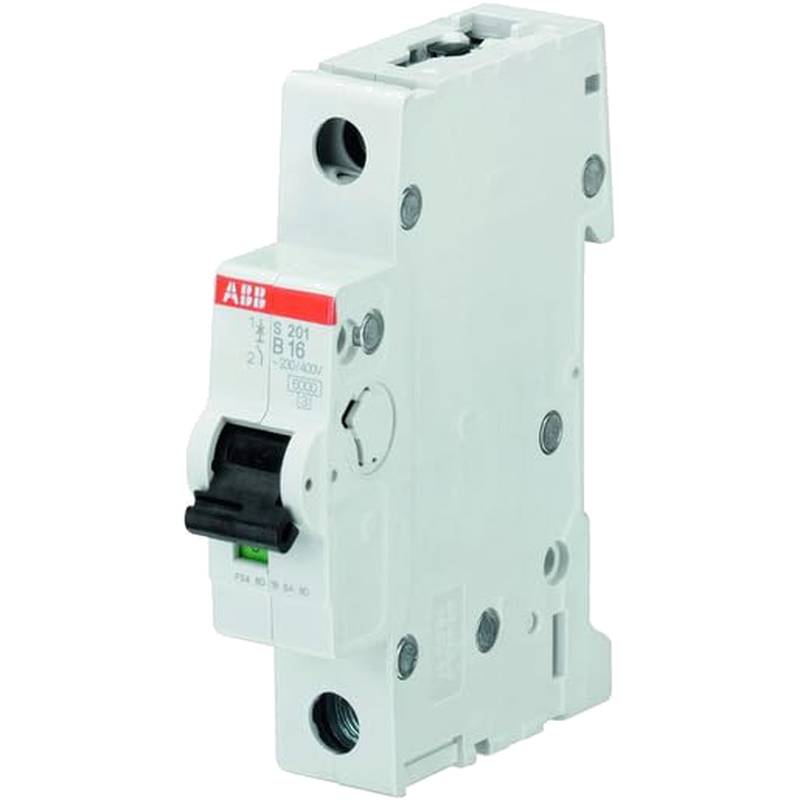
ABB S201-B10 10A MCB Single Pole Protection Device


The ABB S201-B10 Miniature Circuit Breaker (MCB) is a single-pole protection device engineered for reliable overcurrent and short-circuit protection in a wide array of electrical installations. This device offers robust safety and operational efficiency, making it a cornerstone component for safeguarding sensitive equipment and ensuring system stability. Its compact design and high breaking capacity provide a dependable solution for industrial, commercial, and residential applications demanding stringent safety standards.
Product Specifications
| Parameter | Specification |
| :---------------------- | :--------------------------------------------- |
| Product Name | S201-B10 MCB |
| Manufacturer | ABB |
| Poles | 1 |
| Rated Current (In) | 10 A |
| Tripping Characteristic | Type B |
| Rated Voltage (Ue) | 230/400 V AC |
| Frequency | 50/60 Hz |
| Breaking Capacity (Icn) | 6 kA |
| Protection Type | Overcurrent and Short Circuit |
| Mounting Type | DIN Rail |
| Terminal Type | Screw Terminals |
| Protection Degree | IP20 |
| Ambient Temperature | -25 to +55 °C |
| Certifications | IEC/EN 60898-1, IEC/EN 60947-2, UL 489, CSA 22.2 |
Core Features & Market Positioning
The ABB S201-B10 stands out in the market due to its consistent performance and adherence to rigorous international safety standards, including IEC/EN 60898-1 and IEC/EN 60947-2. Its Type B tripping characteristic is optimized for applications where lower inrush currents are expected, offering precise protection without nuisance tripping. This positions the S201-B10 as a highly reliable choice for protecting lighting circuits, sensitive electronic equipment, and general distribution circuits where rapid fault clearing is paramount. The robust construction ensures longevity and dependable operation even in demanding environments, a key differentiator for industrial-grade components.
Key Application Scenarios
This 10A MCB is ideally suited for a multitude of applications, particularly in residential and commercial electrical distribution boards. It is frequently employed to protect individual circuits for lighting, socket outlets, and small appliances where the anticipated surge currents are within the Type B limit. In industrial settings, the S201-B10 serves as a critical component for safeguarding control panels, auxiliary circuits, and smaller machinery, preventing damage from overloads and short circuits and minimizing downtime. Its versatility extends to protecting sensitive electronic devices that require immediate disconnection upon fault detection, ensuring the integrity of connected systems.
Practical System Integration Guidance
Integrating the ABB S201-B10 is straightforward due to its standard DIN rail mounting capability, allowing for seamless integration into existing or new electrical panels. The device features screw terminals for secure conductor connections, accommodating various wire gauges commonly used in electrical installations. Proper wiring involves connecting the live conductor to the upper terminal and the neutral conductor to the lower terminal (though configurations can vary based on local electrical codes and specific panel designs). Ensuring correct polarity and tightening terminals to the specified torque is crucial for safe and reliable operation.
Operation and Risk Mitigation
The S201-B10 operates by monitoring the current flow; if the current exceeds a predetermined level due to overload or a short circuit, internal mechanisms trip and disconnect the circuit, preventing potential hazards like fire or equipment damage. Risk mitigation is inherent in its design, providing essential overcurrent protection. Common troubleshooting typically involves identifying the cause of the trip, such as a faulty appliance or wiring issue, rather than the MCB itself failing. Resetting the breaker is done by flipping the toggle switch to the 'on' position after the fault has been rectified. It's imperative to understand that frequent tripping indicates an underlying system problem requiring professional diagnosis.
Scalability & Long-Term Value
The modular design of the ABB S201-B10, part of the extensive ABB System pro M compact range, ensures excellent compatibility and scalability within ABB's electrical protection ecosystem. This allows for easy expansion or modification of electrical systems without compromising reliability or performance. Its robust construction and high-quality components contribute to a long service life, reducing the total cost of ownership. For future-proofing, compatibility with smart grid technologies and potential integration with monitoring systems can be considered when designing larger electrical infrastructures, though the S201-B10 itself is a foundational mechanical protection device.
Frequently Asked Questions
Q1: What is the primary function of the ABB S201-B10 MCB?
The ABB S201-B10 MCB primarily functions as an overcurrent and short-circuit protection device. It safeguards electrical circuits from excessive current that could lead to overheating, fire, or damage to connected equipment. Its reliable tripping mechanism ensures rapid disconnection when fault conditions arise.
This device is crucial for maintaining the safety and integrity of electrical installations across various environments. It provides essential protection for sensitive electronics and general power distribution, preventing costly equipment failures and enhancing operational safety.
By automatically interrupting power flow during abnormal conditions, it significantly reduces the risk of electrical fires and equipment damage. This makes it an indispensable component in any compliant and safe electrical system design.
Q2: What does the "B10" designation signify in the ABB S201-B10?
The "B10" in the product name refers to its tripping characteristic and rated current. "B" indicates a Type B tripping curve, meaning it trips between 3 to 5 times its rated current, suitable for resistive loads and sensitive electronics. "10" signifies its rated current is 10 Amperes.
This specific tripping characteristic is designed for applications where moderate inrush currents are expected, such as lighting circuits or devices with electronic power supplies. It offers precise protection without excessive nuisance tripping from normal operational surges.
Understanding the Type B characteristic is vital for correct application. It ensures that the MCB provides immediate protection against dangerous short circuits while tolerating the typical temporary current surges that occur when certain appliances are switched on.
Q3: What are the typical applications for the ABB S201-B10 10A MCB?
This 10A MCB is widely used in residential and commercial electrical distribution boards for protecting lighting circuits, socket outlets, and smaller appliances. Its 10A rating is suitable for circuits with lower power demands.
In industrial control panels, it is often employed for protecting auxiliary circuits, control transformers, and specific low-power machinery where precise overcurrent protection is necessary. It ensures the reliability of control systems.
It is also a suitable choice for protecting sensitive electronic equipment that requires rapid disconnection upon detecting fault currents. This includes instrumentation, data processing equipment, and telecommunications gear.
Q4: How is the ABB S201-B10 MCB installed?
Installation involves mounting the MCB onto a standard 35mm DIN rail within an electrical enclosure or distribution board. Ensure the rail is securely fixed and properly grounded.
The device features screw terminals for conductor connections. Typically, the incoming live wire connects to the upper terminal and the outgoing live wire to the lower terminal, or vice versa depending on panel design. The neutral wire is connected to a separate terminal block.
Always ensure that the power supply is isolated before installation and that all connections are tight and secure to prevent overheating and ensure reliable performance. Follow local electrical codes and manufacturer guidelines meticulously.
Q5: What is the breaking capacity of the ABB S201-B10 MCB?
The ABB S201-B10 MCB has a breaking capacity of 6 kA (kiloamperes) at its rated voltage. This rating indicates the maximum fault current the MCB can safely interrupt without sustaining damage.
A 6 kA breaking capacity is sufficient for most residential, commercial, and light industrial applications where the prospective fault current at the point of installation is unlikely to exceed this value. It ensures safety during severe short-circuit events.
It is critical to ensure that the breaking capacity of the installed MCB is appropriate for the system's fault level. Using an MCB with insufficient breaking capacity could lead to dangerous device failure during a short circuit.
Q6: Can the ABB S201-B10 be used for DC applications?
While primarily designed for AC systems, some versions of ABB MCBs, including specific S200 series variants, may have ratings for DC applications. However, the S201-B10 is predominantly specified and certified for AC use.
For DC applications, it is crucial to consult the manufacturer's datasheet or product markings explicitly stating DC voltage and current ratings. DC circuits behave differently than AC circuits, requiring specific considerations for arc extinction.
Using an AC-rated MCB on a DC circuit without explicit DC rating can lead to failure to trip, posing a significant safety hazard. Always verify the product's suitability for the intended DC voltage and current levels.
Q7: What is the operational temperature range for the S201-B10?
The ABB S201-B10 MCB is designed to operate reliably within an ambient temperature range of -25°C to +55°C. This wide range ensures performance in diverse environmental conditions.
Operating outside this specified temperature range can affect the MCB's performance and lifespan. Extremely low temperatures can make components brittle, while high temperatures can reduce its current-carrying capacity and trip sensitivity.
Proper ventilation within the electrical enclosure is essential to maintain the ambient temperature within the specified limits, especially in installations with high ambient temperatures or high-density component packing.
Q8: How do I reset a tripped ABB S201-B10 MCB?
To reset a tripped ABB S201-B10 MCB, first identify and rectify the cause of the trip (e.g., overloaded appliance, short circuit). Once the fault is cleared, simply push the toggle switch firmly to the "ON" position.
If the MCB trips again immediately, it indicates that the fault condition still exists and the circuit should not be used until it is properly diagnosed and repaired by a qualified electrician. Do not force the switch.
It is important to note that frequent tripping is a sign of an underlying problem. Repeatedly resetting a faulty circuit without addressing the root cause can be dangerous and may lead to further equipment damage or fire hazards.
Q9: What certifications does the ABB S201-B10 MCB hold?
The ABB S201-B10 MCB complies with several key international standards, including IEC/EN 60898-1 and IEC/EN 60947-2. These certifications ensure its suitability for various electrical installations globally.
Additionally, it often holds certifications like UL 489 and CSA 22.2, which are important for markets in North America. These approvals indicate adherence to stringent safety and performance requirements in those regions.
These certifications provide assurance to users and specifiers that the product has undergone rigorous testing and meets the required safety and performance criteria for its intended applications, ensuring reliability and compliance.
Q10: How does the Type B tripping characteristic differ from Type C or Type D?
Type B MCBs trip between 3-5 times their rated current, ideal for resistive loads and sensitive electronics with low inrush. Type C MCBs trip between 5-10 times their rated current, suitable for inductive loads like motors and transformers that have higher inrush currents.
Type D MCBs trip between 10-20 times their rated current, designed for high inrush applications such as large motors, welding equipment, or X-ray machines where significant temporary current surges are expected during startup.
Choosing the correct tripping characteristic is crucial for effective protection. An incorrect choice can lead to nuisance tripping (e.g., using Type B for a motor) or inadequate protection (e.g., using Type C for a very high inrush device).