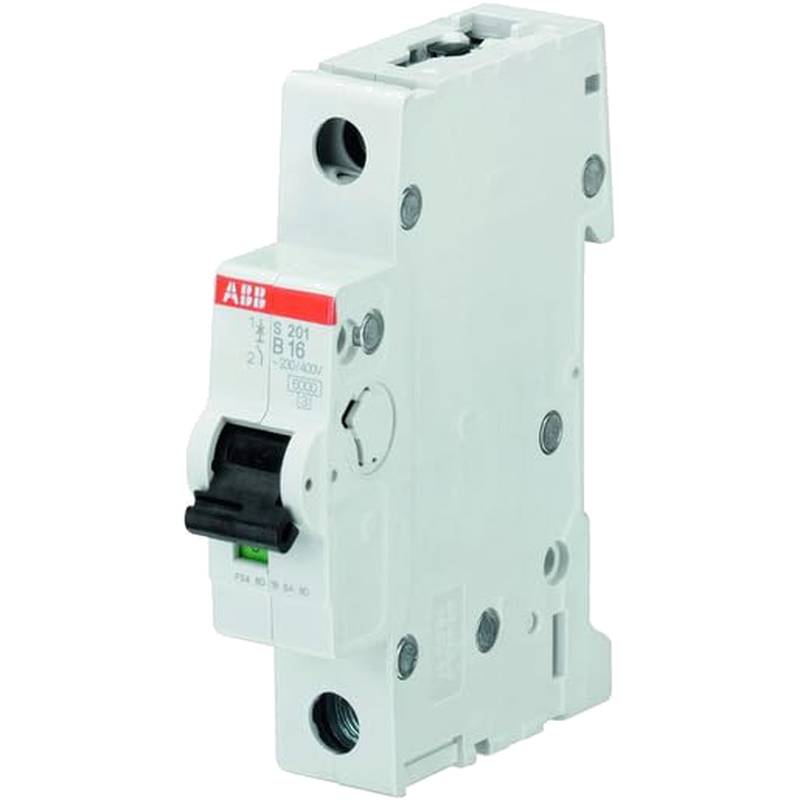
ABB S201-C3 Circuit Breaker 3A C Curve Protection Device


The ABB S201-C3 is a high-performance Miniature Circuit Breaker (MCB) designed for robust protection of electrical installations against overcurrents and short circuits. This device features a C-curve tripping characteristic, ideal for applications with moderate inductive or capacitive loads, ensuring reliable operation without nuisance tripping. With a rated current of 3A and a breaking capacity of 6kA, the S201-C3 offers dependable safety for residential, commercial, and light industrial settings. Its compact design and plug-and-play functionality streamline installation, making it a preferred choice for electrical contractors and system integrators.
Product Specifications
| Feature | Specification |
| :----------------------- | :------------------------------------------- |
| Product Type | Miniature Circuit Breaker (MCB) |
| ABB Series | S200 |
| Model Number | S201-C3 |
| Number of Poles | 1 |
| Rated Current (In) | 3 A |
| Tripping Characteristic | C Curve |
| Rated Breaking Capacity | 6 kA |
| Rated Voltage (Ue) | 230/400 V AC |
| Frequency | 50/60 Hz |
| Terminal Type | Screw Terminals |
| Installation Method | DIN Rail Mounting |
| Protection Degree | IP20 |
| Ambient Temperature Range| -25 to +55 °C |
| Certifications | IEC/EN 60898-1, IEC/EN 60947-2 |
Core Features & Market Positioning
The ABB S201-C3 distinguishes itself through its precision C-curve tripping mechanism, which provides enhanced protection for circuits with higher inrush currents, such as those powering motors or fluorescent lighting systems. This selective tripping capability minimizes unnecessary disconnections, thereby improving system uptime and user satisfaction. Manufactured by ABB, a global leader in electrification and automation technology, the S201-C3 benefits from extensive research and development, ensuring superior reliability and adherence to stringent international safety standards. Its robust construction and dependable performance position it as a premium, yet cost-effective, solution for safeguarding critical electrical circuits against common overcurrent faults.
Key Application Scenarios
This 3A C-curve circuit breaker is exceptionally well-suited for protecting individual circuits within residential distribution boards, such as those powering lighting circuits, socket outlets for sensitive electronics, or small appliances with moderate inductive loads. In commercial environments, it finds application in protecting lighting panels, control circuits for HVAC systems, and individual equipment circuits where predictable inrush currents are a factor. For light industrial settings, the S201-C3 serves as a reliable protective device for control panels, instrumentation circuits, and smaller motor loads that require a C-curve's specific tripping response.
Practical System Integration Guidance
Integrating the ABB S201-C3 into an electrical system is straightforward due to its standard DIN rail mounting capability and user-friendly screw terminals. Ensure the main power supply is de-energized before installation. The line conductor (incoming power) should be connected to the terminal marked 'L' or with the incoming power symbol, while the load conductor (outgoing to the circuit) connects to the terminal marked '1'. The neutral conductor should be connected to the corresponding neutral terminal on the busbar or distribution block. It is crucial to verify that the circuit's nominal current and potential fault levels do not exceed the breaker's rated current (3A) and breaking capacity (6kA), respectively.
Operation and Risk Mitigation
The primary function of the ABB S201-C3 is to interrupt electrical current automatically when it exceeds a safe level, preventing damage to connected equipment and mitigating the risk of electrical fires. The C-curve characteristic means the breaker will trip if the current reaches 5 to 10 times the rated current (3A), providing protection against both overload and short-circuit conditions without excessive sensitivity to temporary, high inrush currents. In the event of a trip, the breaker's toggle will move to the 'OFF' position. To reset, ensure the fault condition is cleared, then firmly push the toggle upwards to the 'ON' position. Persistent tripping indicates a persistent overload, a short circuit, or a faulty appliance that requires professional diagnosis.
Scalability & Long-Term Value
The ABB S201-C3, as part of the extensive S200 series, offers inherent scalability and long-term value within ABB's modular electrical distribution systems. Its compatibility with other S200 series devices, such as RCBOs and other MCBs with identical form factors, allows for flexible and expandable panel designs. This modularity simplifies future upgrades or modifications to the electrical system. While the S201-C3 itself is a foundational protective device, its integration into broader ABB Ability™ solutions for smart building and industrial environments is facilitated by its robust design, contributing to a more connected and optimized electrical infrastructure over its service life.
Frequently Asked Questions (FAQs)
1. What is the tripping characteristic of the ABB S201-C3?
The ABB S201-C3 features a C-curve tripping characteristic. This means it is designed to trip when the current reaches 5 to 10 times its rated current.
This characteristic is ideal for circuits with moderate inductive or capacitive loads. It provides protection against short circuits and overloads while preventing nuisance tripping from normal inrush currents.
This type of breaker is commonly used for lighting circuits, socket outlets, and small motor applications.
2. What is the maximum current the ABB S201-C3 can handle?
The ABB S201-C3 has a rated current of 3 Amperes (3A). This is the maximum continuous current it is designed to safely carry.
Exceeding this current for extended periods will cause the breaker to trip, protecting the circuit and connected equipment from overload.
For circuits requiring higher current capacity, a different breaker with a higher ampere rating would be necessary.
3. Can the ABB S201-C3 protect against short circuits?
Yes, the ABB S201-C3 is designed to provide protection against short circuits. Its C-curve tripping mechanism ensures rapid disconnection under fault conditions.
A short circuit causes a very high surge of current, significantly exceeding the 3A rating, triggering the breaker's magnetic trip mechanism.
This rapid interruption is crucial to prevent damage to wiring, connected devices, and to mitigate fire hazards.
4. What is the breaking capacity of the ABB S201-C3?
The ABB S201-C3 has a breaking capacity of 6 kiloamperes (6kA). This is the maximum fault current the breaker can safely interrupt.
It is essential that the prospective fault current at the point of installation does not exceed this 6kA rating.
Exceeding the breaking capacity can lead to catastrophic failure of the circuit breaker, posing a significant safety risk.
5. Where is the ABB S201-C3 typically used?
This circuit breaker is commonly used in residential and commercial electrical distribution systems. Its 3A rating and C-curve are suitable for protecting lighting circuits.
It is also ideal for socket outlets, especially where devices with moderate inrush currents, like some electronics, might be plugged in.
In light industrial applications, it serves well for protecting control circuits and smaller equipment requiring specific overcurrent protection.
6. How do I install the ABB S201-C3?
Installation requires mounting the breaker onto a standard 35mm DIN rail within an electrical enclosure. Ensure the power supply is completely isolated before proceeding.
Connect the incoming live wire to the terminal marked 'L' or the incoming symbol, and the outgoing wire to the load to terminal '1'. Ensure proper grounding and neutral connections are made elsewhere in the panel.
Always follow local electrical codes and standards, and if uncertain, consult a qualified electrician for safe installation.
7. What does a C-curve mean for circuit protection?
A C-curve designation indicates the breaker's tripping sensitivity to inrush currents. It is less sensitive than a B-curve but more sensitive than a D-curve.
This makes it suitable for circuits with moderate inductive loads, such as motors, transformers, or fluorescent lighting, which have higher initial current draws.
The C-curve balances protection against overloads and short circuits with a reduced risk of nuisance tripping during normal equipment startup.
8. Is the ABB S201-C3 a single-pole breaker?
Yes, the "S201" in the product designation indicates that this is a single-pole circuit breaker. It is designed to protect a single live conductor.
Single-pole breakers are typically used for line and neutral conductors in single-phase circuits.
For applications requiring protection of both live conductors in a two-wire system, two single-pole breakers or a double-pole breaker would be used.
9. What are the dimensions of the ABB S201-C3?
The ABB S201-C3 typically conforms to standard MCB dimensions for easy integration into distribution boards. It occupies one module width on a DIN rail.
Specific dimensions are approximately 88mm in height and 17.5mm in width per pole, with a depth of around 69mm. Always check the datasheet for exact measurements.
Its compact size allows for higher circuit density within electrical panels, offering efficient use of space.
10. What certifications does the ABB S201-C3 hold?
The ABB S201-C3 circuit breaker holds key international certifications ensuring its safety and performance. These typically include IEC/EN 60898-1 and IEC/EN 60947-2.
These certifications signify compliance with rigorous standards for circuit breakers used in residential, commercial, and industrial applications.
These approvals are essential for its use in most electrical installations worldwide and demonstrate its reliability and safety compliance.