











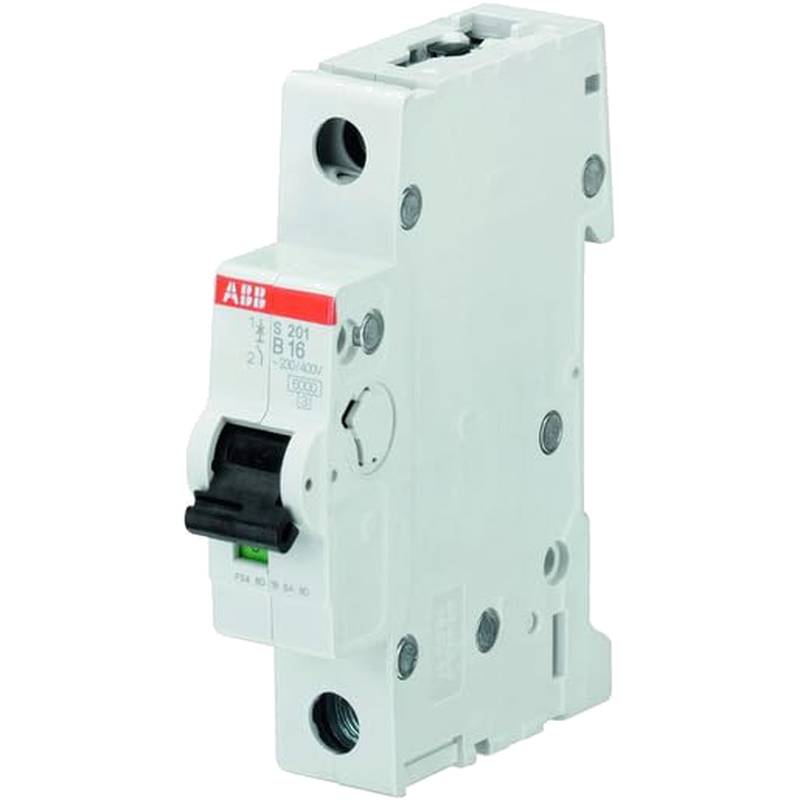
ABB S201-C63 High Amperage MCB 63A C Curve


The ABB S201-C63 High Amperage Miniature Circuit Breaker (MCB) is a robust and reliable solution for overcurrent protection in demanding industrial and commercial applications. Engineered with precision, this 63A C-curve MCB offers superior tripping characteristics, enhanced safety features, and seamless integration into modern electrical systems. Its compact design and high breaking capacity make it an indispensable component for safeguarding equipment and ensuring operational continuity. Key advantages include its rapid fault current interruption, excellent durability, and adherence to stringent international safety standards, providing peace of mind for system designers and end-users alike.
Product Specifications
| Feature | Specification |
| :-------------------------- | :-------------------------------------------- |
| Product Series | S200 |
| Rated Current (In) | 63 A |
| Tripping Curve | C Curve |
| Number of Poles | 1 |
| Breaking Capacity (Icn) | 6 kA |
| Voltage Rating (Ue) | 400V AC |
| Frequency | 50/60 Hz |
| Degree of Protection | IP20 |
| Termination Type | Screw Terminals |
| Mounting Type | DIN Rail (35mm) |
| Operating Temperature Range | -25°C to +55°C |
| Compliance | IEC/EN 60898-1, IEC/EN 60947-2 |
Core Features & Market Positioning
The ABB S201-C63 stands out in the market due to its advanced thermal-magnetic tripping mechanism, which precisely controls current flow and safeguards circuits against both overload and short-circuit conditions. The C-curve characteristic is particularly advantageous for applications with moderate inrush currents, such as lighting systems, motors, and solenoid valves, offering reliable protection without nuisance tripping. This MCB's robust construction, featuring high-quality materials and meticulous manufacturing, ensures exceptional longevity and consistent performance even in harsh industrial environments. Its market positioning is firmly rooted in its reputation for reliability, safety, and cost-effectiveness, making it a preferred choice for electricians and system integrators worldwide seeking dependable circuit protection.
Key Application Scenarios
The versatility of the ABB S201-C63 MCB allows for its deployment across a broad spectrum of industrial and commercial settings. It is extensively used in main distribution boards, sub-distribution boards, and control panels within manufacturing plants, data centers, and commercial buildings. Its specific application includes protecting circuits supplying inductive loads, such as small to medium-sized electric motors, transformers, and fluorescent lighting ballasts, where the C-curve's ability to tolerate higher initial current is crucial. Furthermore, it serves as an essential component in power distribution for HVAC systems, pumps, and conveyor belts, ensuring uninterrupted operation and preventing costly downtime due to electrical faults.
Practical System Integration Guidance
Integrating the ABB S201-C63 MCB into existing or new electrical systems is a straightforward process, adhering to standard electrical installation practices. The unit mounts effortlessly onto a standard 35mm DIN rail, facilitating quick and secure installation within enclosures. When wiring, ensure that the line conductor is connected to the top terminal and the load conductor to the bottom terminal for proper operation and safety. The recommended conductor cross-sectional area for terminals is typically between 1.5 mm² and 16 mm² for solid conductors, and 1.5 mm² to 10 mm² for flexible conductors, with appropriate torque applied to the terminal screws as per manufacturer guidelines to ensure a reliable connection and prevent overheating. Always ensure the main power supply is de-energized before commencing any installation or maintenance work.
Operation and Risk Mitigation
Proper operation of the ABB S201-C63 MCB relies on understanding its tripping characteristics and ensuring it is correctly sized for the protected circuit. The C-curve provides a tripping range between 5 and 10 times the rated current, ideal for inductive loads. To mitigate risks, regularly inspect the MCB for any signs of physical damage, loose connections, or overheating. In the event of a trip, identify the cause of the fault (overload or short circuit) before resetting the breaker. Repeated tripping without an identifiable external cause may indicate an internal fault or a persistently overloaded circuit, requiring professional diagnosis. Adherence to local electrical codes and standards, such as the National Electrical Code (NEC) in the US or BS 7671 in the UK, is paramount for safe and compliant operation.
Scalability & Long-Term Value
The ABB S201-C63 MCB is designed for longevity and compatibility, offering significant long-term value within electrical infrastructure. Its modular design ensures that it can be easily replaced or expanded as system requirements evolve. Being part of the ABB S200 series, it maintains compatibility with a wide range of complementary ABB protection and control devices, simplifying future upgrades or modifications. While this specific model focuses on fundamental overcurrent protection, its integration into larger smart grid or industrial IoT (IIoT) systems can be facilitated through associated communication modules or by incorporating intelligent power distribution units that incorporate MCBs like the S201-C63, allowing for remote monitoring and diagnostics when implemented within a broader intelligent network.
---
Frequently Asked Questions (FAQs)
What is the primary function of the ABB S201-C63 MCB?
This MCB acts as an automatic switch. It protects electrical circuits from damage. It does this by interrupting current when it exceeds safe levels.
It guards against overloads and short circuits. This prevents overheating and potential fires. It ensures the safety of electrical equipment and users.
This device is crucial for maintaining system integrity. It provides reliable and automatic protection. It ensures uninterrupted power flow under normal conditions.
What does "C Curve" mean for this circuit breaker?
A C-curve breaker trips between 5 to 10 times the rated current. This makes it suitable for loads with moderate inrush current. Examples include motors and lighting.
It offers a balance between overload protection and inrush tolerance. This reduces nuisance tripping in certain applications. It ensures operational stability for connected devices.
Unlike B-curve breakers, C-curve is better for inductive loads. Unlike D-curve, it's for lower inrush currents than heavy machinery.
How do I properly install the ABB S201-C63 MCB?
First, ensure the power supply to the intended installation point is completely OFF. Mount the MCB securely onto a 35mm standard DIN rail.
Connect the incoming power (line) to the top terminal. Connect the outgoing circuit (load) to the bottom terminal. Use appropriate torque for screw connections.
Always follow local electrical codes and safety regulations. Consult a qualified electrician if you are unsure about any step.
What is the breaking capacity of the S201-C63?
The breaking capacity (Icn) is 6 kA. This means it can safely interrupt a fault current up to 6,000 Amperes. This is crucial for safety.
This rating is essential for protecting circuits in typical residential and commercial settings. It ensures the breaker can handle moderate short-circuit currents.
Higher breaking capacities are available for higher-risk industrial environments. The 6 kA rating is suitable for many standard applications.
Can this MCB be used for DC applications?
This specific model, S201-C63, is designed for AC systems. It is rated for 400V AC.
Using AC-rated breakers on DC circuits can be unsafe. DC arcs are harder to extinguish. It may lead to equipment failure or hazards.
For DC applications, you must use a circuit breaker specifically designed and rated for DC voltage and current. Always check the product specifications.
What are the dimensions of the ABB S201-C63?
The S201-C63 is a single-pole breaker. Its physical dimensions are compact for easy mounting on DIN rails.
Typical dimensions for a single-pole S200 series MCB are approximately 88mm in height and 17.5mm in width. The depth is usually around 69mm.
These standard dimensions ensure easy integration into most electrical enclosures and distribution boards. Always verify exact dimensions for critical space planning.
What is the operating temperature range for this MCB?
The ABB S201-C63 operates reliably within a wide temperature range. It can function effectively from -25°C to +55°C.
This broad range ensures performance in various environmental conditions. It is suitable for both cold and moderately warm installations.
Operating outside this range can affect performance and lifespan. Proper ventilation in enclosures is important to maintain optimal temperature.
How do I reset the circuit breaker after a trip?
After a trip, first identify and rectify the cause of the fault. Ensure the load is no longer causing the overload or short circuit.
Once the fault is cleared, push the operating lever fully down. Then, lift the lever back up to reset the breaker.
If the breaker trips again immediately, there is likely a persistent fault. Do not force the reset. Consult a qualified electrician for diagnosis.
What type of connections does the S201-C63 use?
This MCB utilizes screw terminals for electrical connections. These provide a secure and reliable connection point for conductors.
The terminals are designed to accept specific conductor sizes. Typically, they accommodate solid and flexible copper conductors within a defined gauge range.
Ensure the correct wire gauge is used and the screws are tightened to the manufacturer's recommended torque. This prevents loose connections and potential hazards.
Is the ABB S201-C63 compatible with other brands of electrical components?
While the S201-C63 is designed to fit a standard 35mm DIN rail, ensuring mechanical compatibility, electrical compatibility with components from other brands should be carefully verified.
ABB circuit breakers are typically designed to work seamlessly within the ABB ecosystem of protection and control devices. Mixing brands for critical protection functions may impact system performance or safety certifications.
For optimal performance and warranty considerations, it is generally recommended to use complementary products from the same manufacturer or ensure strict adherence to international standards that guarantee interoperability.