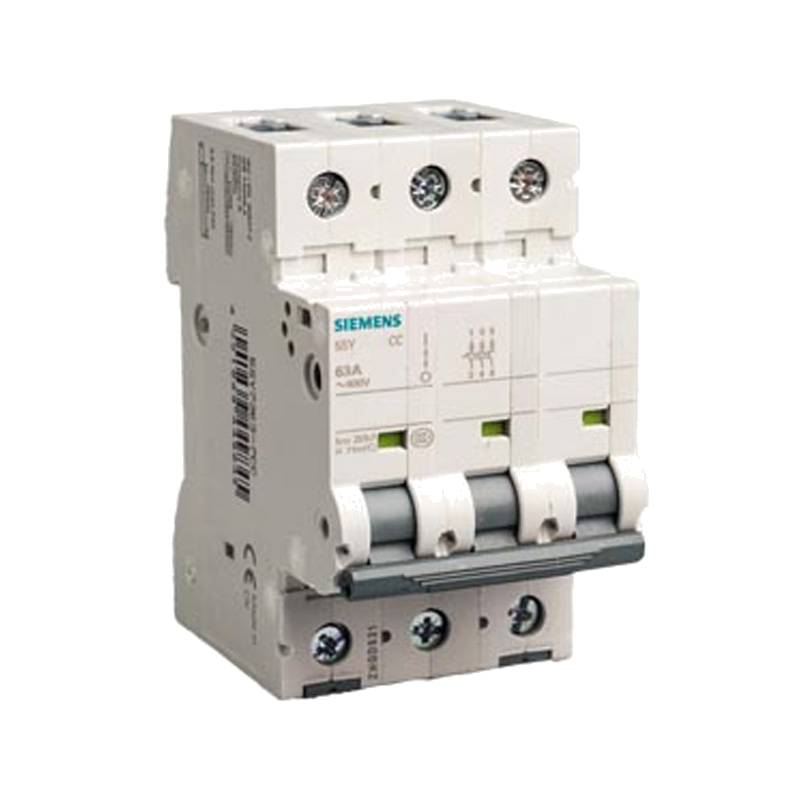












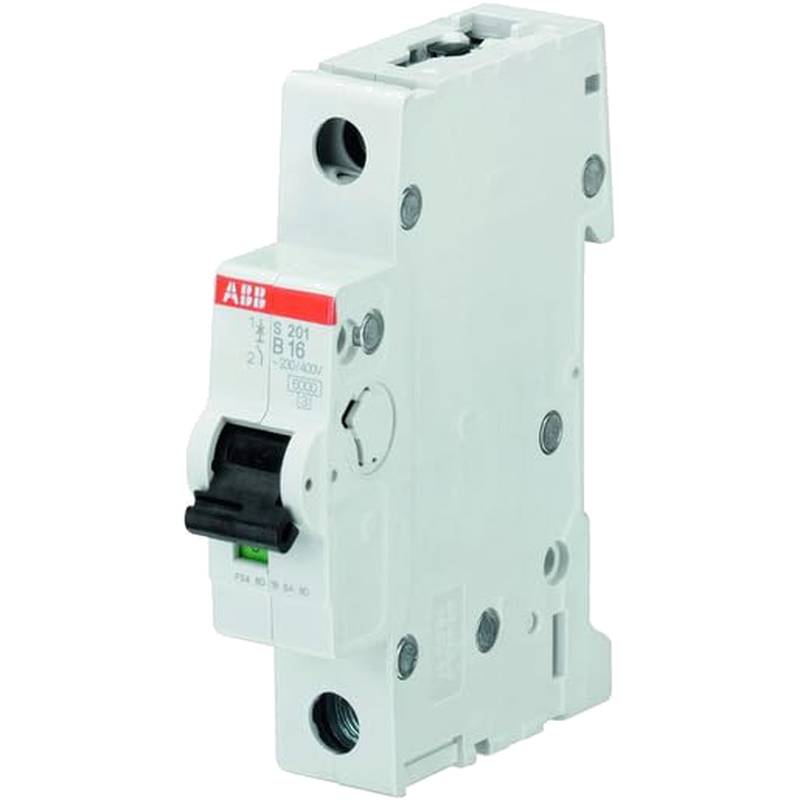
ABB S201-D2 Miniature Circuit Breaker D Curve 1P 2A


The ABB S201-D2 Miniature Circuit Breaker, a 1-pole, 2-amp device with a D-curve characteristic, stands as a robust solution for industrial and commercial electrical protection. Its key advantages lie in its high breaking capacity, reliable tripping behavior for inductive loads, and compliance with stringent international safety standards. The core features include a compact design for space efficiency in control panels, a clear visual indicator for trip status, and robust terminal connections ensuring secure and lasting electrical integrity. With a nominal voltage of 400V AC and a breaking capacity of 6kA, the S201-D2 is engineered for demanding applications where overcurrents and short circuits pose significant risks.
Product Specifications
| Feature | Specification |
| :----------------------- | :---------------------------------------------- |
| Product Name | Miniature Circuit Breaker |
| ABB Series | S200 |
| Model Number | S201-D2 |
| Poles | 1 |
| Rated Current | 2 A |
| Tripping Characteristic | D |
| Rated Voltage (Ue) | 400V AC |
| Breaking Capacity (Icn) | 6kA |
| Frequency | 50/60 Hz |
| Terminal Type | Cage clamp |
| Mounting Type | DIN rail |
| Operating Temperature | -25 to +55 °C |
| Protection Class | IP20 (installed) |
| Compliance Standards | IEC/EN 60898-1, IEC/EN 60947-2 |
Core Features & Market Positioning
The ABB S201-D2 distinguishes itself through its D-curve tripping characteristic, specifically designed to handle high inrush currents associated with inductive loads such as motors, transformers, and solenoids. This capability prevents nuisance tripping, ensuring operational continuity in industrial settings where such loads are prevalent. Its market positioning is as a premium, reliable overcurrent protection device for applications demanding robust performance and safety under challenging conditions. The S201 series, in general, is recognized for its durability and compliance with global standards, making the S201-D2 a trusted choice for system integrators and maintenance professionals seeking dependable circuit protection.
Key Application Scenarios
This miniature circuit breaker is ideally suited for safeguarding individual circuits and equipment within industrial control panels, machinery, and building management systems. Its D-curve is particularly beneficial for protecting motor starter circuits, pump controls, and lighting systems with large inductive components. Applications where rapid tripping is required for significant overcurrents but nuisance tripping from normal inductive surges must be avoided are primary use cases. Examples include protecting small to medium-sized induction motors in manufacturing plants, HVAC systems, and automated material handling equipment.
Practical System Integration Guidance
Integrating the ABB S201-D2 into electrical systems is straightforward due to its standard DIN rail mounting and robust cage clamp terminals. Ensure that the incoming power conductors are connected to the line side (typically the top terminals) and the outgoing load conductors are connected to the load side (bottom terminals). The breaker's pole is then connected in series with the circuit to be protected. For optimal safety and performance, verify that the ambient temperature is within the specified operating range of -25 to +55 °C and that the circuit's rated current does not exceed the breaker's 2A rating. Proper torque applied to the terminals is crucial for a secure connection.
Operation and Risk Mitigation
The S201-D2 operates by detecting overcurrents and short circuits. When the current exceeds a predetermined threshold, a bimetallic strip or electromagnetic coil triggers a mechanism, rapidly opening the circuit to prevent damage to downstream equipment and mitigate fire hazards. The D-curve ensures that the breaker will not trip for currents between 10 to 20 times the rated current, allowing for the normal inrush of inductive loads. In the event of a trip, the visible lever will move to the "OFF" position, clearly indicating a fault. To reset, move the lever fully to "OFF" and then back to "ON." Avoid resetting a breaker repeatedly without investigating the cause of the trip, as this can lead to equipment damage or safety risks.
Scalability & Long-Term Value
While the S201-D2 is a single-pole device, ABB's S200 series offers a comprehensive range of poles (1P, 2P, 3P, 4P) and tripping characteristics (B, C, D, K, Z) allowing for scalable protection solutions. This ensures compatibility with existing ABB installations and provides clear upgrade paths as system requirements evolve. The robust construction and adherence to international standards contribute to its long-term value and reliability. Furthermore, the S200 series is designed for seamless integration into modern electrical distribution systems, supporting efficient energy management and operational continuity, which are key components of Industry 4.0 initiatives.
Frequently Asked Questions
What is the primary function of the ABB S201-D2 circuit breaker?
The ABB S201-D2 serves as an essential overcurrent protection device. It safeguards electrical circuits from damages caused by overloads and short circuits.
This breaker is specifically designed for high inrush currents. Its D-curve characteristic prevents premature tripping in applications with inductive loads.
Ensuring operational continuity and preventing equipment failure are its core objectives in industrial settings.
What does the "D" in S201-D2 signify regarding its tripping characteristic?
The "D" denotes a D-curve tripping characteristic. This is crucial for handling high inrush currents often seen with inductive loads like motors.
A D-curve breaker will typically trip when the current reaches 10 to 20 times its rated current. This range allows for temporary surges without causing a false trip.
This makes the S201-D2 ideal for applications involving transformers, motors, and solenoids where initial current draw is significantly higher.
Can the ABB S201-D2 be used for protecting DC circuits?
The ABB S201-D2 is primarily designed and rated for AC applications up to 400V. Its use in DC circuits is generally not recommended without specific manufacturer approval.
Standard AC circuit breakers have different arc quenching capabilities compared to DC breakers. Applying them to DC circuits can lead to unsafe conditions.
For DC circuit protection, it is essential to use breakers specifically manufactured and certified for DC voltage and current ratings.
What is the breaking capacity (Icn) of the ABB S201-D2, and why is it important?
The breaking capacity (Icn) of the S201-D2 is 6kA. This rating indicates the maximum fault current it can safely interrupt without sustaining damage.
A higher breaking capacity ensures the breaker can safely interrupt severe short circuits. This is vital for preventing damage to the breaker itself and surrounding electrical infrastructure.
Selecting a breaker with an adequate breaking capacity for the potential fault levels in a system is a critical safety requirement.
How do I properly install the ABB S201-D2 miniature circuit breaker?
Install the S201-D2 on a standard 35mm DIN rail. Ensure the breaker is securely clipped into place to prevent vibration-related disconnections.
Connect the line conductors to the upper terminals and the load conductors to the lower terminals. Always follow proper wiring practices and ensure all connections are tight.
Before energizing, confirm that the circuit is de-energized and perform all necessary safety checks, including verifying correct pole orientation.
What is the rated current of the S201-D2, and what does it mean for application selection?
The S201-D2 has a rated current of 2 Amperes (A). This is the maximum continuous current the breaker can carry under normal operating conditions without tripping.
When selecting this breaker, ensure that the continuous load current of the protected circuit does not exceed 2A. This prevents nuisance tripping and premature wear.
For inductive loads, consider the inrush current, but the continuous load must still be within the 2A limit for reliable operation.
What are the main advantages of using a D-curve breaker like the S201-D2 over other curves (e.g., B or C)?
D-curve breakers are designed for high inrush currents from inductive loads, such as motors. They are less prone to nuisance tripping in these scenarios compared to B or C curves.
This characteristic allows for smoother startup of machinery and equipment. It ensures that the breaker does not trip unnecessarily during the initial surge of power.
For applications with significant inductive components, a D-curve breaker like the S201-D2 offers superior reliability and operational stability.
What safety standards does the ABB S201-D2 comply with?
The ABB S201-D2 complies with IEC/EN 60898-1 for household and similar electrical installations. It also meets the requirements of IEC/EN 60947-2 for low-voltage switchgear.
These international standards ensure the product's safety, performance, and reliability in various electrical applications. Compliance is a testament to its quality.
Adherence to these standards guarantees that the breaker has undergone rigorous testing for electrical and mechanical integrity.
How can I reset the ABB S201-D2 after it has tripped?
To reset the S201-D2, first ensure the fault condition has been cleared. Then, firmly move the breaker's toggle lever all the way to the "OFF" position.
After moving it to "OFF," move the lever back to the "ON" position to restore power to the circuit. Always investigate the cause of the trip before resetting.
Repeatedly resetting a tripped breaker without addressing the underlying issue can lead to equipment damage or safety hazards.
What is the typical operating temperature range for the ABB S201-D2?
The ABB S201-D2 is designed to operate reliably within a temperature range of -25°C to +55°C. This covers a wide spectrum of environmental conditions.
Operating the breaker outside this specified range can affect its performance and tripping characteristics. Extreme temperatures can lead to premature failure.
Ensure that the installation environment is suitable to maintain the breaker's intended operational efficiency and lifespan.