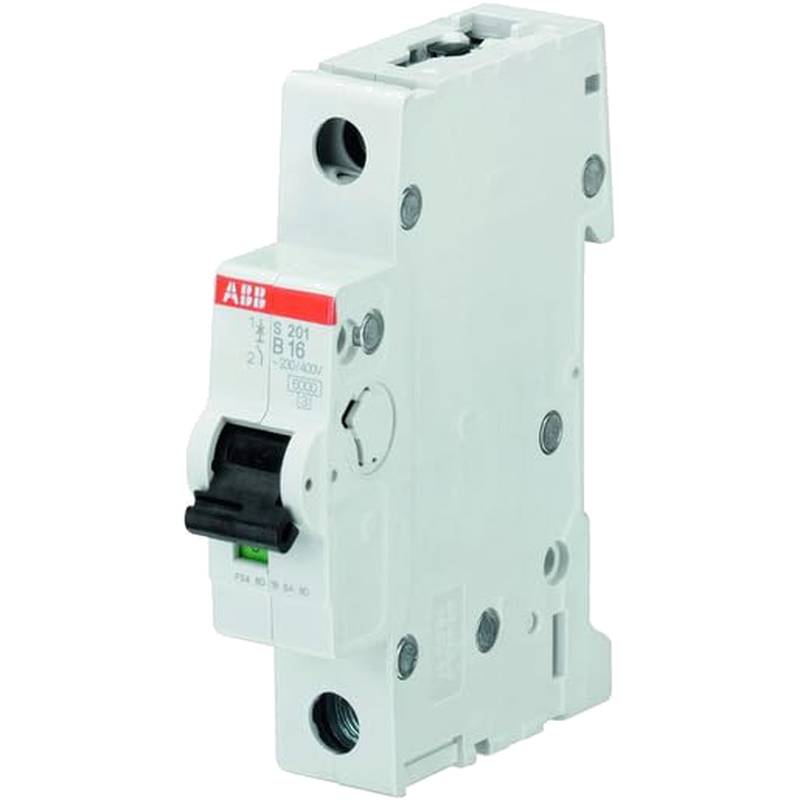
ABB S201-D20 Single Pole D Curve Breaker 20A


The ABB S201-D20 single-pole miniature circuit breaker (MCB) is engineered for robust overcurrent protection in diverse electrical installations. This D-curve breaker offers superior tripping characteristics for inductive loads, safeguarding sensitive equipment from damaging surges. Its compact design, high breaking capacity, and reliable tripping mechanism make it a cornerstone for industrial, commercial, and residential applications requiring dependable circuit interruption. With a rated current of 20A and a tripping characteristic designed for high inrush currents, the S201-D20 ensures operational continuity while preventing hazardous conditions.
Product Specifications
| Feature | Specification |
| :------------------- | :------------------------------------------ |
| Product Type | Miniature Circuit Breaker (MCB) |
| Manufacturer | ABB |
| Series | S200 |
| Pole Configuration | 1 Pole |
| Tripping Curve | D |
| Rated Current (I n ) | 20 A |
| Rated Voltage (U n ) | 230/400 V AC |
| Breaking Capacity | 6 kA |
| Frequency | 50/60 Hz |
| Terminal Type | Screw Terminal |
| IP Protection Rating | IP20 |
| Ambient Temperature | -25 to +55 °C |
| Compliance Standards | IEC/EN 60898-1, IEC/EN 60947-2 |
Core Features & Market Positioning
The ABB S201-D20 distinguishes itself through its robust D-curve tripping characteristic, specifically designed to handle high inrush currents typical of inductive loads such as motors, transformers, and solenoid coils. This capability is crucial in industrial settings where sudden current demands can cause nuisance tripping in standard B or C curve breakers, leading to operational downtime. ABB's reputation for quality and reliability underpins the S201-D20's market position as a preferred choice for applications demanding consistent performance and enhanced safety. Its high breaking capacity of 6 kA ensures it can safely interrupt fault currents, providing superior protection compared to lower-rated MCBs.
Key Application Scenarios
This 20A single-pole D-curve breaker is ideally suited for protecting circuits with high inductive loads, making it a staple in motor control applications, pump systems, and machinery control panels. It is frequently employed in industrial facilities and workshops where equipment such as large compressors, welding machines, or industrial lighting systems are common. The breaker's ability to withstand momentary high current surges without tripping ensures the continuous operation of these critical systems. Furthermore, its application extends to residential distribution boards for circuits feeding appliances with large starting currents, such as refrigerators or air conditioning units.
Practical System Integration Guidance
Integrating the ABB S201-D20 into existing or new electrical systems is straightforward due to its standard DIN rail mounting capability and clear terminal markings. Installation requires connecting the line conductor to the upper terminal and the load to the lower terminal. Ensure the circuit is de-energized before making any connections to prevent electrical shock. For systems requiring precise fault discrimination, careful consideration of upstream and downstream protective devices is essential to ensure the correct breaker trips during a fault, minimizing disruption. The D-curve is generally employed upstream of equipment with high starting current characteristics, while downstream protection might utilize C-curve breakers for resistive or lower inductive loads.
Operation and Risk Mitigation
The primary function of the ABB S201-D20 is to protect electrical circuits from overcurrents and short circuits, thereby preventing equipment damage and mitigating fire hazards. Its D-curve mechanism allows for a higher magnetic tripping threshold, typically 10 to 20 times the rated current, accommodating the significant inrush currents of inductive loads. To mitigate risks, it is imperative to select the correct breaker rating for the specific load and wiring capacity. Overloading the breaker or using it in environments exceeding its specified temperature range can compromise its performance and safety. Regular inspection of terminals for tightness and signs of wear is also recommended.
Scalability & Long-Term Value
The ABB S201-D20 is part of ABB's extensive S200 series, offering excellent compatibility with a wide range of modular DIN-rail mounting devices from ABB and other manufacturers adhering to EN 60715 standards. This inherent modularity and standardization facilitate easy integration into existing electrical panels and allow for straightforward upgrades or expansion of protection circuits without requiring complete system overhauls. For facilities moving towards smart integration, while the S201-D20 itself is a traditional MCB, its integration into larger control systems can be managed through intelligent panels and remote monitoring solutions that track circuit status and power consumption, contributing to overall system efficiency and predictive maintenance strategies.
Frequently Asked Questions
What is the primary advantage of a D-curve breaker like the ABB S201-D20?
The D-curve provides enhanced protection for inductive loads by allowing higher inrush currents before tripping. This prevents nuisance tripping in applications with motors or transformers. It ensures operational continuity for demanding equipment.
What type of loads is the ABB S201-D20 best suited for?
This breaker excels with inductive loads, such as electric motors, transformers, and solenoid coils. These components draw significantly more current at startup. The D-curve handles these momentary surges effectively.
How does the tripping mechanism of a D-curve breaker differ from a C-curve?
A D-curve breaker has a higher magnetic tripping range, typically 10-20 times its rated current. A C-curve breaker has a lower range, usually 5-10 times its rated current. This difference is key for managing high starting currents.
Can the ABB S201-D20 be used in residential applications?
Yes, it can be used for specific circuits in residential settings. It is ideal for appliances with high starting currents, like refrigerators, air conditioners, or large power tools. Standard circuits often use C-curve breakers.
What is the breaking capacity of the ABB S201-D20, and why is it important?
The breaker has a breaking capacity of 6 kA. This indicates the maximum fault current it can safely interrupt without damage. A higher breaking capacity ensures robust protection against severe short circuits.
What are the typical installation requirements for the ABB S201-D20?
It mounts on a standard 35mm DIN rail. Ensure the circuit is de-energized before wiring. Connect the line conductor to the upper terminal and the load to the lower terminal.
What is the rated current of the ABB S201-D20 breaker?
The rated current for this specific model is 20 Amperes (A). This value signifies the maximum continuous current the breaker can carry without tripping under normal operating conditions. It is crucial for selecting the correct breaker for a given circuit load.
What ambient temperature range is suitable for operating the ABB S201-D20?
This breaker is designed to operate within an ambient temperature range of -25°C to +55°C. Operating outside this range can affect its performance and tripping characteristics. Proper ventilation is essential in enclosed spaces.
What IEC/EN standards does the ABB S201-D20 comply with?
The S201-D20 complies with IEC/EN 60898-1 and IEC/EN 60947-2 standards. These certifications ensure the breaker meets stringent international safety and performance requirements for circuit protection devices.
Is the ABB S201-D20 compatible with other modular devices on a DIN rail?
Yes, it is designed for universal compatibility with standard 35mm DIN rail systems. This allows for seamless integration within ABB's extensive product range and other manufacturers adhering to the same mounting standards.