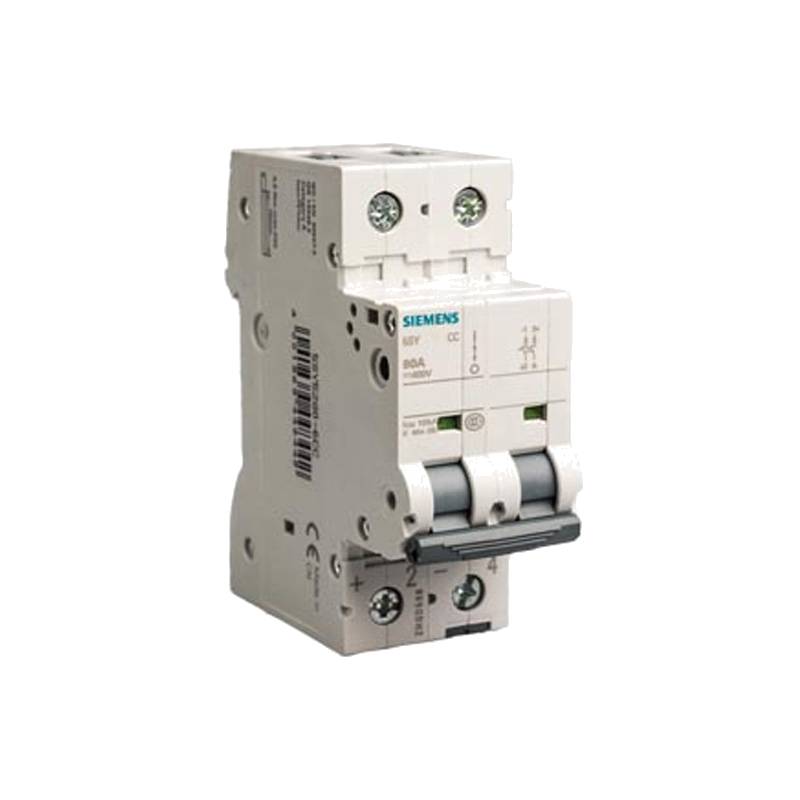













ABB S202-C1 Two Pole Circuit Breaker 1A C Curve


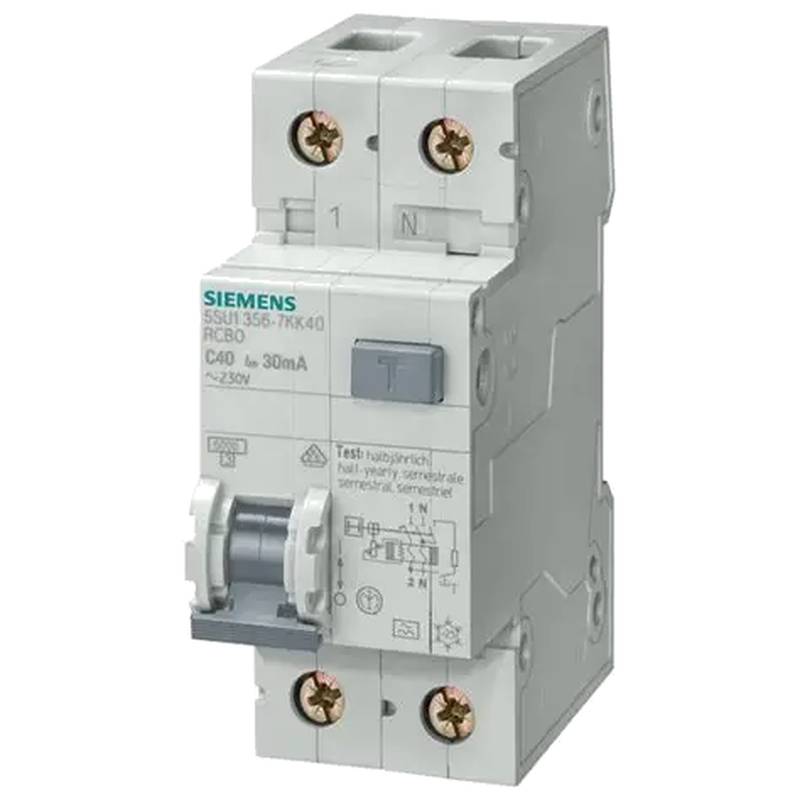
The ABB S202-C1 Two Pole Circuit Breaker 1A C Curve is a high-performance protective device engineered for robust electrical system safety and reliability. It offers superior overcurrent and short-circuit protection with a rapid tripping mechanism characteristic of its C-curve design. This two-pole breaker, rated at 1 Ampere, is ideal for safeguarding sensitive electronic equipment and general power distribution circuits against damaging surges. Its compact design and DIN rail mounting facilitate straightforward integration into various electrical panels and systems.
Product Specifications
| Feature | Specification |
| :------------------ | :------------------------------------------ |
| Product Type | Miniature Circuit Breaker (MCB) |
| Manufacturer | ABB |
| Series | S200 |
| Number of Poles | 2 |
| Rated Current (I n) | 1 A |
| Trip Curve | C |
| Breading Capacity | 6 60947-2) 2
| Voltage Rating (U n)| 400 V AC |
| Frequency | 50/60 Hz |
| Terminal Type | Screw terminals |
| Mounting | DIN Rail (35 mm) |
| Protection Class | IP20 (enclosure), IP40 (front face) |
| Ambient Temp. Range | -25 °C to +55 °C |
| Compliance | IEC/EN 60898-1, IEC/EN 60947-2 |
Core Features & Market Positioning
The ABB S202-C1 distinguishes itself through its precision tripping capabilities and robust construction, a hallmark of ABB's commitment to electrical safety innovation. The C-curve characteristic makes it particularly adept at handling moderate inrush currents common in inductive loads, such as motors and transformers, without nuisance tripping. This positions the S202-C1 as a preferred choice for applications where reliable operational continuity is paramount, yet sensitive equipment demands swift protection against faults. Its high breaking capacity of 6 kA ensures it can safely interrupt fault currents, preventing extensive damage to the electrical installation and connected devices. The dual-pole design offers enhanced safety by simultaneously disconnecting both live and neutral conductors, crucial for isolating circuits completely.
Key Application Scenarios
This 1A, two-pole circuit breaker is extensively utilized in safeguarding low-voltage electrical installations across diverse sectors. Its primary applications include protecting control circuits, instrumentation, lighting systems, and sensitive electronic equipment in residential, commercial, and industrial environments. Specifically, it serves as an effective protective element for small motors, power supplies for electronic devices, and alarm systems where precise current limitation and rapid fault interruption are critical. The C-curve is particularly beneficial in protecting circuits with moderate inductive loads, preventing unnecessary shutdowns while ensuring prompt protection against short circuits.
Practical System Integration Guidance
Integrating the ABB S202-C1 into existing electrical systems is a streamlined process due to its standard DIN rail mounting and user-friendly screw terminals. Installers must ensure the ambient temperature remains within the specified operating range of -25 °C to +55 °C for optimal performance and longevity. When wiring, connect the incoming power supply to the upper terminals and the outgoing load to the lower terminals. Ensure all connections are tightened securely to prevent thermal issues and maintain electrical integrity. For systems requiring comprehensive isolation, the two-pole design allows for simultaneous disconnection of both phase and neutral conductors, adhering to safety standards. The breaker's IP20 protection class requires it to be housed within an enclosure to prevent contact with live parts and protect against dust ingress.
Operation and Risk Mitigation
The ABB S202-C1 operates by continuously monitoring the current flowing through its protected circuit. If the current exceeds a predetermined threshold due to an overload or a short circuit, an internal tripping mechanism is activated. For overload conditions, the thermal element initiates a delayed trip, allowing for temporary inrush currents. For short circuits, the magnetic element provides instantaneous tripping, rapidly interrupting the fault current. To mitigate risks, always ensure the circuit breaker is correctly rated for the load and that the installation complies with all relevant electrical codes and standards. Avoid resetting a tripped breaker without identifying and rectifying the underlying cause of the fault to prevent recurrence and potential damage. Regular inspection of terminals for tightness and signs of overheating is also a crucial risk mitigation practice.
Scalability & Long-Term Value
The S200 series, to which the S202-C1 belongs, offers a high degree of compatibility within ABB's broader modular DIN rail product ecosystem. This inherent compatibility allows for seamless integration with other ABB devices such as residual current devices (RCDs), surge protective devices (SPDs), and auxiliary contacts, facilitating scalable protection solutions. As systems evolve or demand changes, the S202-C1 can be easily replaced or complemented with higher-rated breakers or specialized protective devices without requiring significant modifications to existing infrastructure. This modularity ensures long-term value by supporting system upgrades and expansions, and its robust design contributes to a long operational lifespan, reducing the need for premature replacements.
Frequently Asked Questions
What is the primary function of the ABB S202-C1?
The ABB S202-C1 is an overcurrent protection device. It safeguards electrical circuits from damage caused by excessive current flow due to overloads or short circuits. Its rapid response prevents equipment failure and potential fire hazards.
How does the "C" curve characteristic benefit applications?
A C-curve breaker is designed to handle moderate inrush currents typical of inductive loads. This means it won't trip unnecessarily when motors or transformers briefly draw more current upon startup. It offers a balance between sensitivity and tolerance for transient surges.
What are the key safety features of this two-pole breaker?
This two-pole breaker ensures simultaneous disconnection of both the live and neutral conductors. This provides complete circuit isolation, enhancing safety during maintenance or fault conditions. It also offers robust short-circuit breaking capacity for fault interruption.
Can the ABB S202-C1 be used for DC circuits?
The ABB S202-C1 is primarily designed and rated for AC circuits, specifically up to 400 V AC. Using it for DC circuits is generally not recommended unless explicitly specified by ABB for specific DC applications and voltage ranges, which this model is not.
What is the breaking capacity of the S202-C1?
The ABB S202-C1 has a breaking capacity of 6 kA according to IEC/EN standards. This means it can safely interrupt fault currents up to 6,000 Amperes without sustaining damage, ensuring protection for the electrical installation.
How should the ABB S202-C1 be mounted?
This circuit breaker is designed for easy mounting on a standard 35 mm DIN rail. It simply clips onto the rail, allowing for quick installation and removal within electrical panels and enclosures. Ensure secure fastening for reliable operation.
What is the rated current and voltage for this breaker?
The rated current for the ABB S202-C1 is 1 Ampere (1A). It is rated for a nominal voltage of 400 Volts AC (400 V AC). Always ensure the breaker's rating matches the circuit's requirements.
What are typical applications for a 1A C-curve breaker?
A 1A C-curve breaker is ideal for protecting low-power sensitive electronics, control circuits, small instrumentation, and some lighting circuits. It's chosen when moderate inrush current is expected but rapid fault protection is essential.
What is the operating temperature range for this breaker?
The ABB S202-C1 can operate reliably within an ambient temperature range of -25 °C to +55 °C. Exceeding these limits can affect its performance and lifespan, so proper ventilation is important.
How does this breaker differ from an A-curve or B-curve breaker?
A-curve breakers trip at lower currents and are for very sensitive electronics. B-curve breakers trip at lower inrush currents, suitable for resistive loads. C-curve breakers offer a compromise, tolerating moderate inrush currents while still providing fast protection.