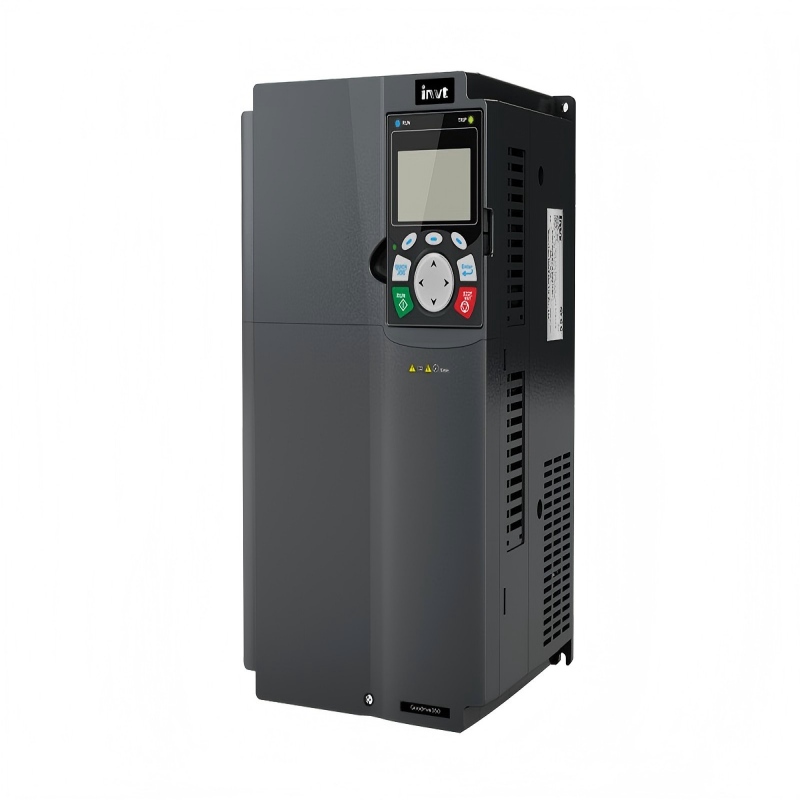
SIEMENS PME73.840A2 PME73 Temperature Input Module Burner


The SIEMENS PME73.840A2 PME73 Temperature Input Module Burner is a critical component designed for precise temperature monitoring and control in industrial burner management systems. This module offers robust performance, ensuring operational safety and efficiency. Key advantages include its high accuracy in temperature sensing, reliable integration into Siemens control architectures, and its specialized design for demanding burner applications. Core features encompass a wide input temperature range, rapid response times, and comprehensive diagnostic capabilities, all essential for maintaining optimal combustion processes and preventing hazardous conditions. Technical parameters highlight its specific voltage requirements, input signal types, and environmental operating conditions, crucial for system designers and maintenance engineers.
| Feature | Specification |
| :---------------------- | :------------------------------------------- |
| Product Type | Temperature Input Module |
| Series | PME73 |
| Model Number | PME73.840A2 |
| Application | Burner Management Systems |
| Temperature Sensor Input| Thermocouple/RTD (Specific types to be confirmed based on exact variant) |
| Accuracy | High Precision (Specific tolerance to be confirmed) |
| Response Time | Fast |
| Power Supply | Typically 24V DC (To be confirmed) |
| Communication | Integrated into Siemens PLC/DCS systems |
| Environmental Rating | Industrial grade, suitable for harsh environments |
The SIEMENS PME73.840A2 stands out due to its sophisticated signal conditioning and processing capabilities, specifically tailored for the rigorous demands of burner control. Its market positioning is that of a high-reliability, precision instrument within the Siemens industrial automation portfolio. The module's differentiation lies in its seamless integration with other Siemens components, ensuring a cohesive and robust system. This focus on interoperability and specialized burner application design provides a competitive edge over generic temperature input devices. Its ability to accurately measure and transmit critical temperature data forms the backbone of safe and efficient burner operation, making it indispensable in industries where process stability is paramount.
Key application scenarios for the SIEMENS PME73.840A2 PME73 Temperature Input Module Burner include its deployment in industrial boilers, furnaces, and thermal processing equipment. It is vital for applications requiring precise flame temperature control, such as in power generation facilities, chemical plants, and metal processing industries. The module ensures that combustion temperatures remain within optimal parameters, maximizing fuel efficiency and minimizing harmful emissions. Its integration into burner management systems allows for automated startup, shutdown, and continuous monitoring of the combustion process, safeguarding against flameout or overheating.
Practical system integration of the SIEMENS PME73.840A2 typically involves connecting compatible temperature sensors, such as thermocouples or RTDs, to the module's input terminals. The module then converts these raw sensor signals into digital data that can be processed by a Siemens PLC or DCS. Wiring should adhere to industrial standards, ensuring proper grounding and shielding to prevent electromagnetic interference. Configuration within the control system software, such as Siemens TIA Portal, involves defining the sensor type, scaling the input range, and setting alarm thresholds. This systematic approach ensures accurate data acquisition and reliable control loop performance.
Operation and risk mitigation are paramount when utilizing the SIEMENS PME73.840A2. The module incorporates self-diagnostic functions to monitor sensor integrity and internal operation, providing early warnings of potential issues. Following manufacturer guidelines for installation and maintenance is crucial to prevent operational failures. In case of faults, error codes displayed by the associated control system will indicate specific issues, such as open sensor circuits or out-of-range temperature readings. Promptly addressing these alerts through troubleshooting and component replacement, if necessary, is vital to maintain system safety and prevent costly downtime.
The SIEMENS PME73.840A2 offers significant scalability and long-term value due to its compatibility with Siemens' broader automation platforms. It can be integrated into existing or new Siemens PLC and DCS architectures, allowing for phased upgrades or system expansions. This compatibility ensures that investments in Siemens control systems remain future-proof. Furthermore, as industries move towards digital transformation, the data provided by the PME73.840A2 can be leveraged for advanced analytics, predictive maintenance, and integration into Industrial IoT (IIoT) solutions, enhancing overall operational intelligence and efficiency.
What is the primary function of the SIEMENS PME73.840A2?
This module serves as a dedicated input for temperature sensors within industrial burner management systems. It accurately measures critical temperatures to ensure safe and efficient combustion processes.
The PME73.840A2 converts raw sensor signals into a format usable by control systems. This allows for precise monitoring and automated adjustments to maintain optimal operating conditions. Its specialized design targets the demanding environment of burner control applications.
By providing reliable temperature data, the module is essential for preventing flameout, overheating, and other hazardous conditions. It plays a crucial role in safeguarding personnel and equipment.
What are the key technical specifications to consider?
Key specs include the type of temperature sensors it supports, such as thermocouples or RTDs. Accuracy and response time are also critical parameters for precise control.
Voltage supply requirements, typically 24V DC, and its communication interface for integration are vital. Environmental operating conditions like temperature and humidity ratings ensure reliable performance.
Understanding these specifications is crucial for proper selection, installation, and configuration within a Siemens control system. This ensures optimal system performance and longevity.
Can this module be used with non-Siemens control systems?
While designed for seamless integration with Siemens PLCs and DCS, compatibility with other systems may be possible via gateways or custom interfaces. However, direct integration is typically recommended for optimal performance.
Using third-party gateways or custom programming can enable data exchange, but this may introduce complexity and potential compatibility issues. It's essential to verify interoperability thoroughly.
For guaranteed performance, reliability, and access to full diagnostic features, utilizing the PME73.840A2 within a native Siemens automation environment is strongly advised.
What types of temperature sensors are compatible?
The SIEMENS PME73.840A2 is engineered to interface with standard industrial temperature sensors. This includes common thermocouple types and Resistance Temperature Detectors (RTDs).
Specific compatibility details for each sensor type (e.g., K, J, Pt100) should be confirmed against the product's detailed datasheet. Proper selection ensures accurate signal acquisition.
Accurate sensor selection and connection are fundamental for the module to provide precise temperature readings required for burner control.
How does the PME73.840A2 ensure safe operation?
It facilitates safe operation by providing accurate temperature monitoring essential for burner control loops. Deviations from setpoints can trigger safety interlocks.
The module often includes self-diagnostic features to detect sensor failures or internal module faults. This proactive monitoring helps prevent hazardous situations before they escalate.
Its integration into a comprehensive burner management system allows for automated shutdown sequences if critical temperature thresholds are breached, ensuring process safety.
What is the typical installation process for this module?
Installation involves physically mounting the module onto a DIN rail within a control cabinet. Then, electrical connections are made according to wiring diagrams for power and sensor inputs.
Connect the designated temperature sensor to the module's input terminals, ensuring correct polarity and sensor type configuration. Proper grounding and shielding are vital for signal integrity.
The module is then addressed and configured within the Siemens PLC or DCS software environment, enabling it to communicate with the controller.
What are common troubleshooting steps for this module?
Begin by checking sensor connections and integrity, as open circuits or short circuits are common issues. Verify power supply to the module is within its specified range.
Consult the associated control system's diagnostics for any error codes or fault messages related to the module. These codes often pinpoint specific problems like calibration errors or input signal faults.
Review the module's configuration in the PLC software, ensuring it matches the connected sensor type and expected temperature range for accurate readings.
How can this module be integrated into a larger automation system?
It integrates seamlessly into Siemens S7 PLCs or PCS 7 DCS via standard communication protocols. This allows for centralized control and data acquisition.
The module's data can be accessed by the master controller for logic execution, alarming, and historical trending. This provides comprehensive process visibility.
This integration enables advanced functionalities like predictive maintenance, remote monitoring, and optimization of the burner system.
What is the role of this module in burner efficiency?
Accurate temperature measurement by the PME73.840A2 is key to optimizing fuel-air ratios for efficient combustion. This minimizes wasted energy.
By maintaining precise temperature control, the module helps ensure the burner operates at its peak performance point. This reduces emissions and fuel consumption.
Real-time temperature feedback allows for dynamic adjustments, contributing to overall process efficiency and cost savings in industrial heating applications.
Does SIEMENS offer software for configuring this module?
Yes, Siemens provides engineering software, such as TIA Portal, for configuring and diagnosing modules like the PME73.840A2. This software is essential for setup.
This platform allows engineers to define sensor types, scaling, alarm limits, and other operational parameters. It facilitates the module's integration into the control logic.
Using Siemens' native engineering tools ensures full functionality, optimal performance, and straightforward troubleshooting of the module within its intended ecosystem.