












SIEMENS 6SL3710-7LG32-2AA3 SINAMICS S150 Converter Cabinet 200kW 690V AC-AC Drive System Regenerative C3 Class


The SIEMENS 6SL3710-7 সরবরাহকারী-7LG32-2AA3 SINAMICS S150 Converter Cabinet is a high-performance, regenerative AC-AC drive system engineered for demanding industrial applications. This 200kW, 690V solution offers exceptional energy efficiency and precise motor control, making it a leading choice for sectors requiring robust and reliable motion control. Its C3 class filter rating ensures superior harmonic suppression, crucial for sensitive power grids and machinery. Key advantages include its regenerative capability, which returns energy to the supply during braking, significantly reducing operational costs and environmental impact. The system boasts advanced control algorithms for optimized torque and speed regulation, alongside a modular design for enhanced flexibility and serviceability.
Product Specifications
| Feature | Specification |
| :------------------------ | :------------------------------------------------------------------------------------------------------------------------------------------------------------------------------------------------------------------------------------------ |
| Product Number | 6SL3710-7LG32-2AA3 |
| Product Name | SINAMICS S150 Converter Cabinet |
| Power Rating | 200 kW |
| Input Voltage | 690V AC |
| Output Voltage | 690V AC |
| Drive Type | AC-AC Drive System |
| Regenerative Capability | Yes |
| Filter Class | C3 |
| Control Type | Vector Control, V/f Control |
| Cooling | Air Cooling |
| Enclosure Type | Cabinet |
| Communication | PROFINET, PROFIBUS DP, EtherNet/IP, EtherCAT (optional) |
| Protection Rating | IP20 (standard, with extensions for higher ratings) |
| Dimensions (H x W x D)| Typically 2200 mm x 800 mm x 1000 mm (subject to exact configuration) |
| Weight | Approximately 800-1000 kg (subject to exact configuration) |
| Ambient Temperature | 0°C to 40°C (derating may apply at higher temperatures) |
| Certifications | CE, UL, cUL, EAC |
Core Features & Market Positioning
The SINAMICS S150 system excels with its integrated regenerative feedback capabilities, allowing for significant energy savings by returning power to the grid during deceleration or load-shedding phases. This feature positions it as an environmentally conscious and cost-effective solution for industries focused on sustainability and operational efficiency. Its advanced vector control ensures precise torque and speed management, even under dynamic load conditions, which is critical for applications requiring high accuracy. The C3 class filtering is a notable differentiator, effectively minimizing harmonic distortion and ensuring compliance with stringent power quality standards, thereby protecting downstream equipment and the power supply infrastructure. The modular design of the SINAMICS S150 converter cabinet enhances flexibility, allowing for customization and simplified maintenance, reducing downtime and total cost of ownership. This combination of regenerative power, precise control, harmonic mitigation, and modularity solidifies its position as a premium drive system for complex industrial automation tasks.
Key Application Scenarios
This high-performance drive system is ideally suited for a wide array of demanding industrial applications. In the plastics and rubber industry, it is frequently employed for extruders, calenders, and mixers where precise speed and torque control are paramount for product quality and consistency. The mining and metals sector benefits from its robust construction and regenerative capabilities in applications such as conveyor systems, mills, and hoists, where significant energy can be recovered during heavy load cycles. In material handling and logistics, the SINAMICS S150 is integral to high-speed sorting systems, automated storage and retrieval systems (AS/RS), and heavy-duty cranes, ensuring efficient and reliable operation. Furthermore, its advanced control features make it suitable for textile machinery, paper mills, and water/wastewater treatment plants for driving pumps and fans that require variable speed and energy optimization. The 690V rating makes it particularly effective for applications requiring high power and efficient operation over long distances.
Practical System Integration Guidance
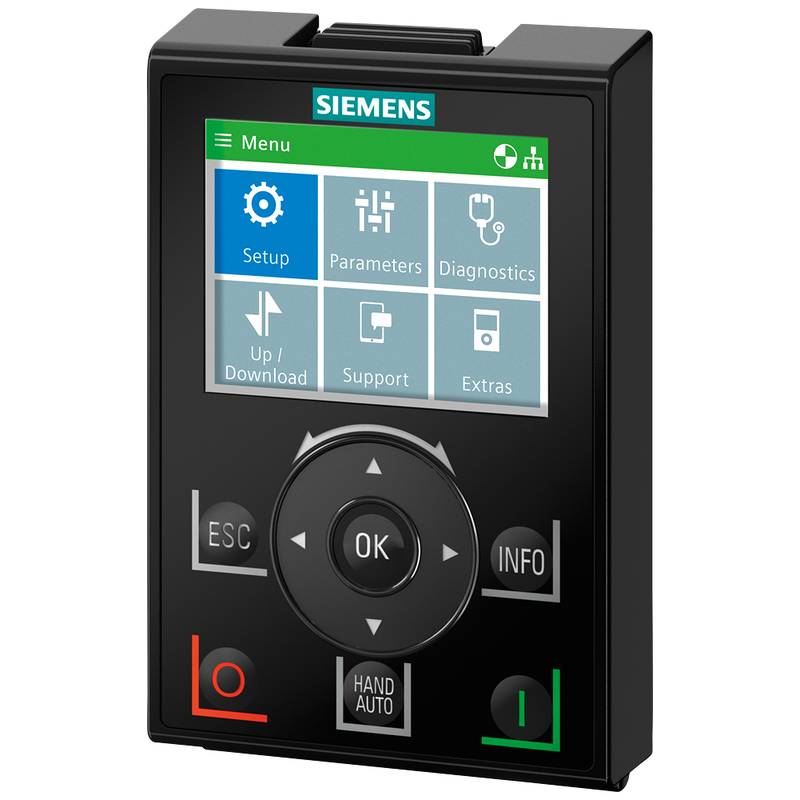
Integrating the SIEMENS 6SL3710-7LG32-2AA3 SINAMICS S150 converter cabinet requires careful planning and execution. The cabinet typically includes all necessary components for a self-contained drive solution, but proper power cabling, grounding, and communication interfaces are crucial. For installation, ensure adequate ventilation and space around the cabinet to maintain optimal operating temperatures, as per the manufacturer's recommendations for ambient conditions. Wiring of the power terminals (line and motor side) must adhere strictly to the specified voltage and current ratings, utilizing appropriate cable glands and strain relief to prevent ingress and mechanical stress. Commissioning involves configuring the drive parameters via the operator panel or engineering software like STARTER. Initial setup often includes defining motor data, control modes (e.g., V/f, vector control), and input/output signals for external control. For regenerative operation, ensure the grid connection is robust and capable of handling the returned energy; proper line reactors or filters may be necessary depending on the site's power quality. Communication setup involves selecting the appropriate fieldbus module and configuring the network addresses and data exchange parameters to integrate with the plant's PLC or SCADA system.
Operation and Risk Mitigation
Safe and efficient operation of the SIEMENS 6SL3710-7LG32-2AA3 SINAMICS S150 converter cabinet hinges on understanding its operational parameters and potential risks. Prior to operation, ensure all safety interlocks and emergency stop circuits are properly wired and tested. The drive's diagnostic capabilities, accessible through the control panel or software, provide real-time status updates and fault codes, which are essential for troubleshooting. Common operational challenges can include parameter misconfiguration, leading to suboptimal performance or unexpected behavior. Always refer to the official Siemens documentation for precise parameter definitions and recommended settings for your specific application. Overheating can occur if ventilation is compromised or the ambient temperature exceeds limits; regular inspection of cooling fans and air filters is vital. Critical fault codes, such as F0001 (Overcurrent) or F0002 (Overvoltage), often indicate issues with the motor, cabling, or power supply, requiring immediate investigation and potential system shutdown to prevent damage. Adherence to lockout/tagout procedures during maintenance and ensuring qualified personnel perform all electrical work are paramount for risk mitigation.
Scalability & Long-Term Value
The SINAMICS S150 drive system is designed with scalability and long-term value in mind, ensuring it remains a relevant and effective solution within evolving industrial environments. Its modular architecture allows for the addition or modification of components, such as different communication modules or I/O expansions, to adapt to changing control requirements or integrate new functionalities without necessitating a complete system overhaul. Compatibility with Siemens' broader automation portfolio, including SIMATIC PLCs and HMIs, facilitates seamless integration into existing or planned automated systems, leveraging established platforms and engineering tools. For industries embracing Industry 4.0 and the Industrial Internet of Things (IIoT), the SINAMICS S150 can be integrated with digital solutions for advanced diagnostics, predictive maintenance, and remote monitoring. This enables data-driven optimization of machine performance and uptime, providing continuous value beyond its initial operational life. The system's robust design and Siemens' commitment to long-term support ensure that investments in the SINAMICS S150 deliver sustained operational efficiency and technological relevance for years to come.
FAQs
Q1: What are the primary benefits of the SINAMICS S150's regenerative capability?
The regenerative function allows energy to be fed back into the grid during deceleration. This significantly reduces overall energy consumption for the application. It also helps to decrease heat generation within the drive and motor, improving system efficiency.
This capability contributes to a lower carbon footprint, aligning with modern sustainability goals. It also minimizes the need for external braking resistors, saving space and reducing installation complexity.
The energy savings realized directly translate into lower operational costs and a quicker return on investment for the installed equipment. This makes it an economically attractive choice.
Q2: How does the C3 class filter benefit my industrial setup?
A C3 class filter significantly reduces harmonic distortion injected into the power supply. This ensures compliance with international power quality standards. It also protects sensitive electronic equipment connected to the same power grid from interference.
Reduced harmonic distortion leads to less heat in transformers and cables, extending their lifespan. It also prevents nuisance tripping of circuit breakers and other protection devices.
This enhanced power quality improves the overall reliability and stability of your industrial automation system, minimizing unexpected downtime. It ensures optimal performance for all connected components.
Q3: What types of industrial applications are best suited for the SINAMICS S150 6SL3710-7LG32-2AA3?
Applications requiring high precision in speed and torque control, such as extruders and winding machines, benefit greatly. Heavy-duty machinery in mining, metals, and material handling that experiences frequent acceleration and deceleration cycles are ideal.
Industries focused on energy efficiency and sustainability will find its regenerative feature particularly advantageous. This includes sectors like paper and pulp, or water treatment, where energy recovery can be substantial.
Its robust design and 690V rating make it suitable for large-scale industrial operations and applications where high power density is required. This ensures reliable operation under demanding conditions.
Q4: What are the key considerations for installing the SINAMICS S150 converter cabinet?
Ensure adequate ventilation and clearance around the cabinet to prevent overheating. Follow all manufacturer guidelines for ambient temperature and humidity levels. Proper grounding is essential for safety and electromagnetic compatibility (EMC).
Carefully select and install appropriate power cables and connectors rated for 690V and the cabinet's 200kW capacity. Adhere strictly to electrical codes and standards for safe and reliable connections.
Plan for the physical space required, considering access for maintenance and operation. The cabinet's dimensions and weight necessitate a suitable foundation or mounting structure.
Q5: Can the SINAMICS S150 be integrated with existing automation systems?
Yes, the SINAMICS S150 supports various industrial communication protocols like PROFINET and PROFIBUS. This enables seamless integration with Siemens SIMATIC PLCs and other control systems. Optional modules can provide compatibility with protocols like EtherNet/IP or EtherCAT.
Configuration of communication parameters is done through the drive's engineering software or operator interface. This allows for data exchange, status monitoring, and remote control within your existing network architecture.
This integration capability ensures that the SINAMICS S150 can become a vital component of your plant-wide automation strategy, enhancing overall system intelligence and efficiency.
Q6: What maintenance is typically required for the SINAMICS S150?
Regular visual inspections for dust accumulation, loose connections, and proper fan operation are crucial. Ensure cooling vents and filters are clean to maintain optimal operating temperatures. Check for any unusual noises or vibrations.
Periodic functional tests of safety circuits and monitoring of drive parameters via the control interface or software are recommended. Follow Siemens' guidelines for scheduled maintenance intervals and specific checks.
Software updates for the drive firmware should be considered to benefit from new features and security enhancements. Always perform these updates following proper procedures to avoid data loss or operational disruption.
Q7: How can I troubleshoot common issues with the SINAMICS S150?
Consult the drive's built-in diagnostic functions and error codes displayed on the operator panel or in the engineering software. These codes provide valuable insights into the cause of the problem. Refer to the product manual for detailed explanations of each code.
Verify all parameter settings against the application requirements and the manufacturer's recommendations. Incorrect parameterization is a frequent cause of performance issues or faults. Double-check motor data and control mode settings.
Inspect all physical connections, including power cables, motor wiring, and control signals, for any signs of damage, looseness, or incorrect wiring. Ensure the motor itself is functioning correctly and within its specifications.
Q8: What is the role of the SIEMENS 6SL3710-7LG32-2AA3 in IIoT and Industry 4.0 initiatives?
This drive can serve as a key data acquisition point within an IIoT ecosystem, providing performance metrics and diagnostic information. Its communication interfaces enable seamless connectivity to cloud platforms and analytics software. This facilitates advanced monitoring and predictive maintenance.
By integrating with IIoT platforms, the SINAMICS S150 allows for remote management, performance optimization, and the implementation of smart control strategies. This enhances overall operational efficiency and agility.
The data generated by the drive can be used for process optimization, energy management, and creating digital twins, supporting broader Industry 4.0 objectives of intelligent and connected manufacturing.
Q9: What kind of safety features are integrated into the SINAMICS S150?
The SINAMICS S150 typically includes safety functions such as Safe Torque Off (STO), which prevents unintended motor start-up. Depending on the configuration and optional modules, it can also support other safety integrated functions like Safe Stop 1 (SS1) or Safely Limited Speed (SLS).
These safety functions are designed to protect personnel and machinery by ensuring that hazardous movements are prevented or safely stopped. They are critical for compliance with functional safety standards like IEC 61508.
Proper implementation and integration of these safety features into the overall machine safety concept are essential. This requires careful planning, correct wiring, and validation by qualified safety professionals.
Q10: How does the 690V operating voltage of the SINAMICS S150 affect its applications?
The 690V rating allows the drive to handle higher power applications more efficiently compared to lower voltage systems. This reduces current requirements for the same power output, leading to smaller cable sizes and lower current losses.
It is ideal for large industrial motors and applications where power needs are substantial. This voltage level is common in heavy industry settings, ensuring robust performance for demanding machinery.
Operating at 690V necessitates specific electrical infrastructure and safety precautions. Ensure your facility's power distribution system is designed to safely accommodate this voltage level.