











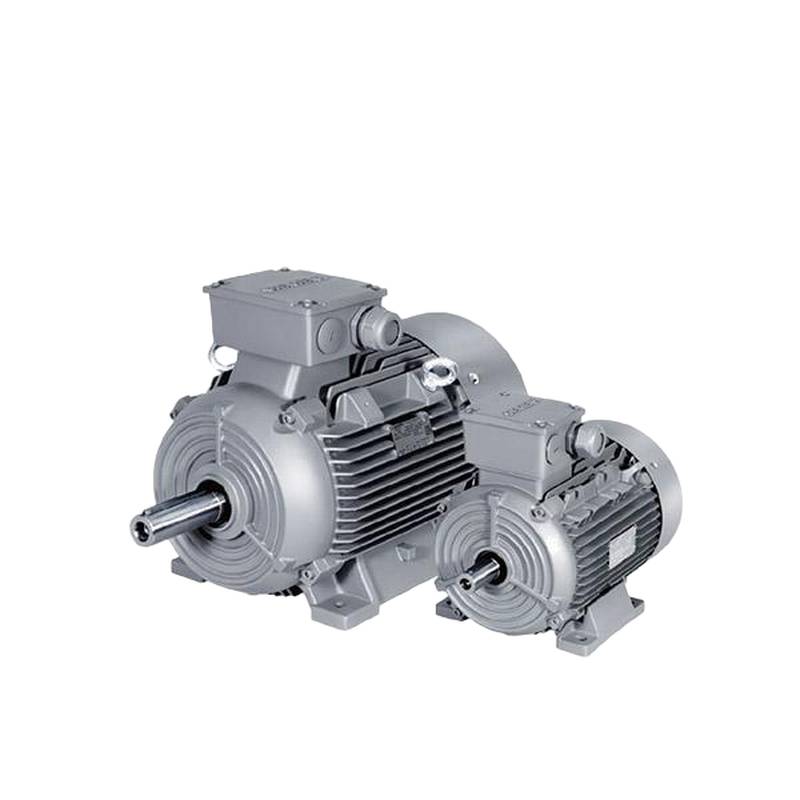
SIEMENS 1LE0003-3AA22-1AA4 High Efficiency Motor 132 kW


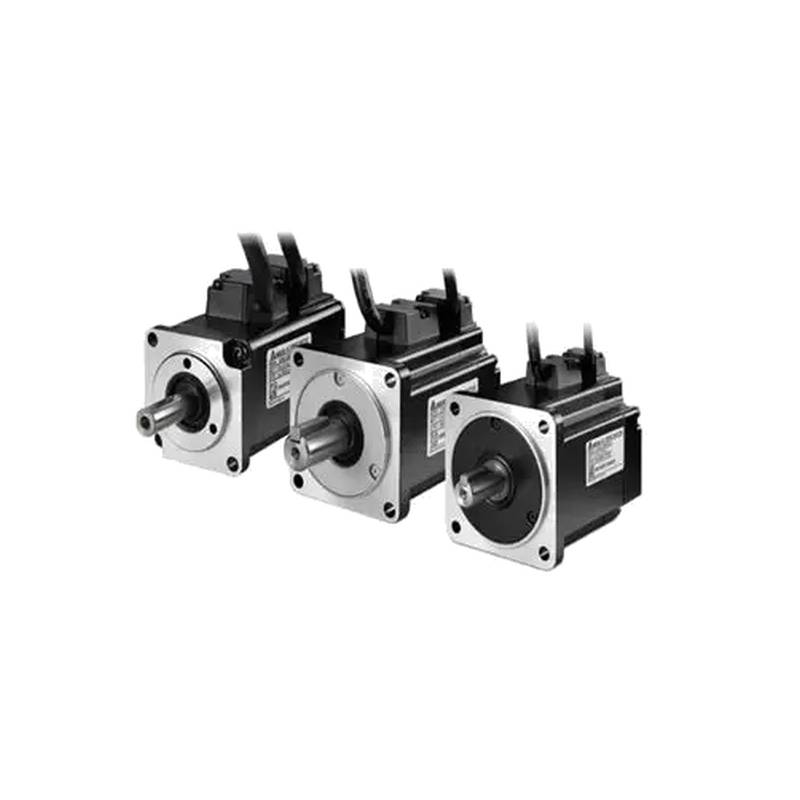
The SIEMENS 1LE0003-3AA22-1AA4 is a robust, high-efficiency motor engineered for demanding industrial applications, delivering exceptional performance and reliability. This motor boasts a 132 kW power output and operates at 400V with a 50Hz frequency, featuring an IE3 efficiency rating that significantly reduces energy consumption and operational costs. Its cast-iron housing ensures durability in harsh environments, while advanced cooling systems maintain optimal operating temperatures. The 1LE0003-3AA22-1AA4 is designed for seamless integration into various industrial processes, offering a superior balance of power, efficiency, and longevity.
Product Specifications
| Parameter | Value |
| :-------------------- | :---------------- |
| Model Number | 1LE0003-3AA22-1AA4 |
| Power Output | 132 kW |
| Voltage | 400 V |
| Frequency | 50 Hz |
| Efficiency Rating | IE3 |
| Housing Material | Cast Iron |
| Frame Size | 315 M |
| Speed | 1480 rpm |
| Protection Class | IP55 |
| Insulation Class | F |
| Duty Cycle | S1 |
Core Features & Market Positioning
The SIEMENS 1LE0003-3AA22-1AA4 stands out in the industrial motor market due to its adherence to stringent IE3 efficiency standards, directly translating into reduced electricity bills for end-users. This focus on energy savings positions it as a cost-effective and environmentally conscious choice for businesses aiming to optimize their operational expenditures. The motor's robust cast-iron construction provides superior mechanical strength and resistance to corrosion, making it ideal for challenging industrial settings where other materials might falter. Siemens' reputation for engineering excellence and product longevity further underpins the market value of this motor, offering a reliable component for critical industrial processes.
Key Application Scenarios
This 132 kW high-efficiency motor finds extensive use across a multitude of heavy-duty industrial sectors. It is a prime candidate for driving large pumps in water treatment plants and oil and gas facilities, where continuous, high-power operation is essential. In manufacturing, the SIEMENS 1LE0003-3AA22-1AA4 is integral to powering large conveyors, crushers, and mixers in cement plants, mining operations, and heavy machinery production. Its robust design and consistent power delivery also make it suitable for large fan applications in ventilation systems for industrial complexes and power generation facilities.
Practical System Integration Guidance
Integrating the SIEMENS 1LE0003-3AA22-1AA4 into existing industrial systems requires careful attention to electrical connections and mechanical mounting. Ensure the power supply precisely matches the motor's 400V, 50Hz rating to prevent damage. Proper alignment with the driven equipment is crucial; use a precision alignment tool to minimize vibration and bearing wear, extending the motor's service life. When connecting to variable speed drives (VSDs), verify compatibility and ensure appropriate filtering is employed to mitigate potential electrical noise issues.
Operation and Risk Mitigation
Safe operation of the SIEMENS 1LE0003-3AA22-1AA4 mandates adherence to all local electrical codes and proper grounding procedures to prevent electrical hazards. Regular inspection of bearings for lubrication levels and wear, along with monitoring motor temperature and vibration, can proactively identify potential issues. Overloading the motor beyond its 132 kW rating is a primary cause of premature failure; utilize appropriate overload protection devices and ensure the driven load aligns with the motor's specifications. Familiarize maintenance personnel with fault codes that may appear on associated control systems for swift diagnosis and resolution.
Scalability & Long-Term Value
The inherent design of the SIEMENS 1LE0003-3AA22-1AA4 supports long-term value through its compatibility with modern industrial automation and IIoT platforms. When paired with compatible variable frequency drives and intelligent control systems, its operational parameters can be precisely managed and optimized for energy efficiency and predictive maintenance. This allows for seamless integration into smart factory initiatives, enabling remote monitoring, performance analysis, and data-driven decision-making, thereby enhancing the overall productivity and lifespan of the asset within a dynamic industrial ecosystem.
Frequently Asked Questions
What is the typical lifespan of a SIEMENS 1LE0003-3AA22-1AA4 motor?
The lifespan of this motor is extensive, often exceeding 20 years under optimal operating conditions and with regular maintenance. Proper installation, including precise alignment and adequate ventilation, significantly contributes to longevity.
Adhering to recommended lubrication schedules and using high-quality lubricants are critical for bearing health and overall motor durability. Timely replacement of worn components, such as seals or bearings, can prevent cascading failures.
Factors such as ambient temperature, load cycles, and environmental contaminants can influence the actual service life. Consistent monitoring of vibration and temperature also aids in predicting and preventing premature wear.
How does the IE3 efficiency rating benefit an industrial operation?
The IE3 efficiency rating signifies a substantial reduction in energy consumption compared to older, less efficient motor standards. This directly translates into lower electricity bills, improving the overall profitability of the industrial process.
Choosing an IE3 motor like the 1LE0003-3AA22-1AA4 contributes to a facility's sustainability goals by minimizing its carbon footprint. Reduced energy use means less demand on power grids and fewer greenhouse gas emissions.
Beyond direct cost savings, higher efficiency motors often run cooler, which can lead to extended insulation life and reduced maintenance requirements. This translates to fewer unplanned downtimes and greater operational reliability.
What are the primary considerations for installing the SIEMENS 1LE0003-3AA22-1AA4 motor?
Ensure the mounting surface is level and rigid to prevent excessive vibration and stress on the motor bearings. Mechanical alignment with the driven equipment must be within manufacturer tolerances for optimal performance and longevity.
Verify that the electrical supply matches the motor's specifications: 400V, 50Hz. Proper grounding is essential for safety and to protect the motor and connected control systems from electrical surges.
Adequate ventilation around the motor is crucial for heat dissipation. Ensure that ductwork or surrounding structures do not impede airflow, as overheating can lead to premature failure.
Can this motor be used with a Variable Frequency Drive (VFD)?
Yes, the SIEMENS 1LE0003-3AA22-1AA4 motor can be effectively operated with a Variable Frequency Drive (VFD). VFDs allow for precise speed control, which can further enhance energy savings and process optimization in applications requiring variable torque or speed.
When using a VFD, it is important to consider potential issues such as motor bearing currents and insulation breakdown due to high-frequency switching. Employing appropriate mitigation techniques, like insulated bearings or output filters, is highly recommended to protect the motor.
Ensure the VFD is correctly sized for the motor's power rating (132 kW) and that its output voltage and frequency capabilities are compatible with the motor's design parameters. Consult both the motor and VFD manufacturers' documentation for detailed integration guidelines.
What maintenance is required for the 1LE0003-3AA22-1AA4 motor?
Regular visual inspections for leaks, damage, and proper functioning of cooling fins are essential. Lubrication of bearings according to the manufacturer's schedule, using the specified grease type, is critical for preventing premature wear.
Monitoring motor temperature and vibration levels using portable or permanently installed sensors provides early detection of potential issues like bearing failure or imbalance. Periodic checks of electrical connections for tightness and signs of corrosion are also necessary.
Depending on the operating environment, periodic cleaning of the motor housing and cooling surfaces may be required to maintain optimal heat dissipation. Always follow safety lockout/tagout procedures before performing any maintenance tasks.
What does the IP55 protection rating mean for this motor?
The IP55 rating indicates that the motor offers a high degree of protection against solid foreign objects and water. The '5' in IP55 means it is dust-protected, preventing harmful ingress of dust.
The second '5' signifies that the motor is protected against low-pressure jets of water from any direction. This makes it suitable for installation in environments where occasional splashing or washdowns might occur.
This level of protection ensures reliable operation in many industrial settings, but it's important to note that IP55 does not protect against immersion in water. For submersion applications, a higher IP rating would be necessary.
How does the cast-iron housing contribute to the motor's performance and durability?
The cast-iron housing provides superior mechanical robustness and impact resistance compared to lighter materials like aluminum. This makes the motor more resilient to physical damage in demanding industrial environments.
Cast iron also offers excellent thermal dissipation properties, aiding in keeping the motor cool during prolonged operation. This contributes to the motor's overall efficiency and extends the life of its internal insulation and components.
Furthermore, cast iron offers good vibration damping capabilities and resistance to corrosion, which are critical factors for ensuring long-term reliability and performance, especially in harsh or aggressive industrial atmospheres.
What is the significance of the 315 M frame size for this motor?
The frame size, 315 M, is a standardized designation that indicates the physical dimensions and mounting characteristics of the motor. It ensures interchangeability with other motors of the same frame size from different manufacturers, simplifying replacement and upgrades.
This specific frame size, along with the corresponding shaft dimensions and mounting hole patterns, is engineered to accommodate the 132 kW power output while ensuring sufficient cooling and structural integrity. It dictates the physical footprint and how the motor bolts onto machinery.
Understanding the frame size is crucial during the initial design or retrofitting phase of an industrial system. It ensures that the motor will physically fit into the intended space and connect correctly to the driven equipment and baseplate.
How can I ensure optimal energy efficiency with the 1LE0003-3AA22-1AA4 motor?
To maximize energy efficiency, ensure the motor is correctly sized for the application's load requirements, avoiding oversizing which leads to reduced efficiency at partial loads. Operate the motor as close to its rated speed as possible, ideally using a VFD for fine-tuning when needed.
Regularly monitor and maintain the motor's condition; efficient bearings, proper lubrication, and clean cooling surfaces are vital. Any degradation in these areas will increase friction and reduce overall efficiency.
Implement smart control strategies, such as variable speed drives or soft starters, to match motor output precisely to the demand. This prevents energy waste associated with running motors at full speed when less is required.
What are common troubleshooting steps for issues with this motor?
If the motor fails to start, first check the power supply voltage and frequency, ensuring they match the motor's specifications (400V, 50Hz) and that circuit breakers are engaged. Verify that the control circuit wiring is correct and that all safety interlocks are disengaged.
If the motor runs but overheats, check for proper ventilation, ensure the load does not exceed the motor's 132 kW rating, and inspect the bearings for signs of wear or lack of lubrication. Vibration analysis can also indicate bearing issues or an unbalanced load.
For unusual noises, investigate potential causes such as loose mounting, bearing problems, or internal mechanical faults. A qualified technician should perform thorough diagnostics, including winding resistance tests and insulation resistance checks, if internal issues are suspected.