SIEMENS 1TL0003-3AA22-1AA4 High Efficiency Motor 132 kW


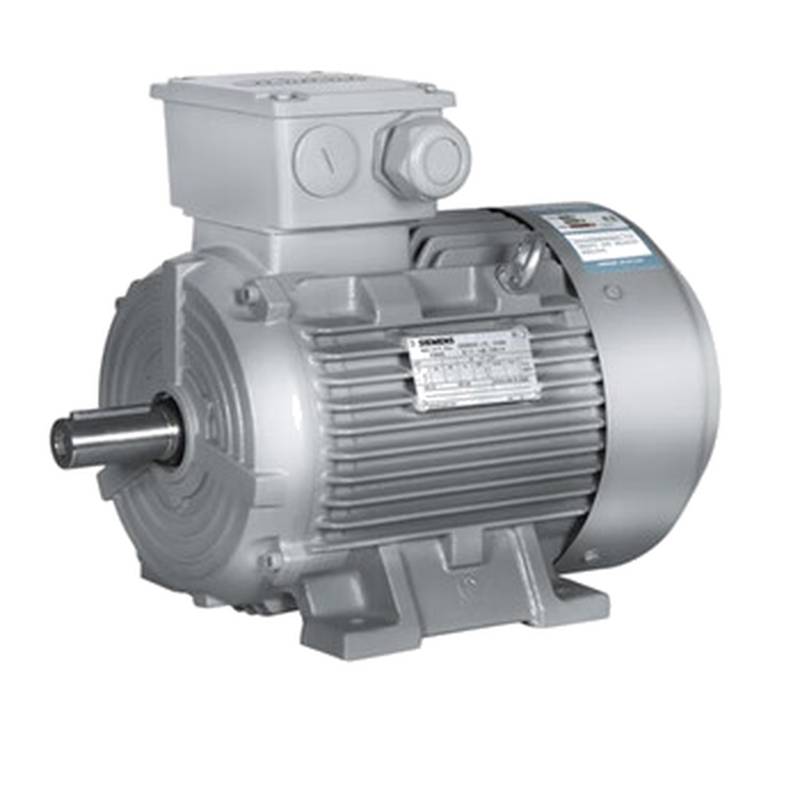
The SIEMENS 1TL0003-3AA22-1AA4 is a high-efficiency motor engineered for demanding industrial applications, boasting a robust 132 kW power output. This motor excels in energy savings, reduced operating costs, and enhanced operational reliability, making it a superior choice for modern manufacturing environments. Its core features include a highly efficient design, robust construction, and advanced cooling systems, positioning it as a leading solution in the premium efficiency motor market. Key technical parameters include a rated power of 132 kW, an efficiency rating that significantly surpasses standard requirements, and a frame size optimized for widespread integration.
Product Specifications
| Parameter | Specification |
| :----------------- | :---------------------------- |
| Manufacturer | SIEMENS |
| Model Number | 1TL0003-3AA22-1AA4 |
| Rated Power | 132 kW |
| Voltage | 400 V (typical, can vary) |
| Frequency | 50 Hz (typical, can vary) |
| Protection Class | IP55 |
| Insulation Class | F |
| Efficiency Class | IE3 (High Efficiency) |
| Frame Size | 315M |
| Mounting Type | IM B3 (Foot Mounted) |
| Ambient Temperature| -20°C to +40°C |
Core Features & Market Positioning
The SIEMENS 1TL0003-3AA22-1AA4 distinguishes itself through its adherence to IE3 efficiency standards, translating directly into reduced energy consumption and lower operational expenditures for industrial facilities. This focus on efficiency is not merely a regulatory compliance but a strategic market advantage, offering substantial long-term cost savings. The motor's robust construction, utilizing high-quality materials and precision engineering, ensures extended service life and exceptional reliability even under strenuous operating conditions. Its advanced thermal management system, typically incorporating enhanced ventilation, prevents overheating, thereby maintaining peak performance and preventing premature component degradation. This combination of efficiency, durability, and performance solidifies its position as a preferred choice for applications where energy management and operational continuity are paramount.
Key Application Scenarios
This 132 kW high-efficiency motor finds its optimal use in a wide array of heavy-duty industrial sectors. It is particularly well-suited for driving large pumps in water treatment plants and chemical processing, where continuous operation and energy efficiency are critical. In the mining and metals industry, it powers large crushers, conveyor systems, and ventilation fans, demanding robust torque and reliability. Manufacturing facilities utilize it for large compressors, extruders, and mixers in plastic production, food processing, and general manufacturing lines. The SIEMENS 1TL0003-3AA22-1AA4 is also an excellent choice for large fan applications in HVAC systems for industrial buildings and power generation, where consistent airflow and energy savings contribute significantly to overall operational cost reduction.
Practical System Integration Guidance
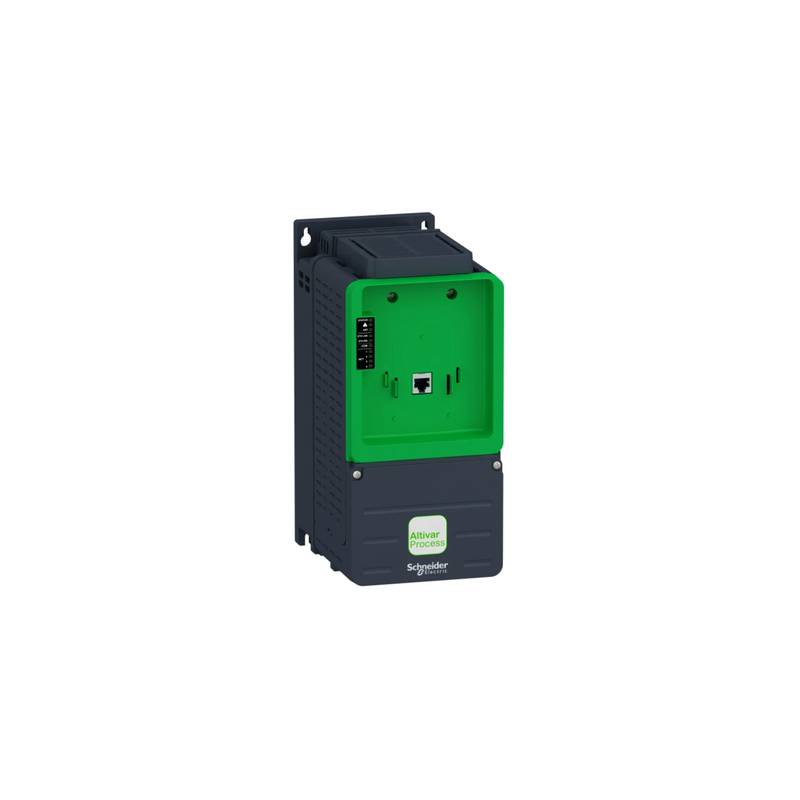
Integrating the SIEMENS 1TL0003-3AA22-1AA4 into existing industrial systems requires careful consideration of power supply and control interfaces. For power, ensure the supply voltage and frequency precisely match the motor's specifications (typically 400V, 50Hz, but always verify the nameplate). The motor's IP55 protection class allows for installation in environments with dust and water ingress, but appropriate cable glands and sealing are essential. For control, it can be directly connected to a suitable motor starter or, more commonly for efficiency and control, integrated with a variable frequency drive (VFD). When using a VFD, ensure it is rated for the motor's power and that the VFD's output parameters are configured to match the motor's characteristics, such as overload capacity and thermal protection settings. Proper grounding is a critical safety and operational requirement.
Operation and Risk Mitigation
Safe operation of the SIEMENS 1TL0003-3AA22-1AA4 involves adhering to standard industrial safety protocols. Prior to commissioning, verify all electrical connections, ensure proper insulation, and confirm that the motor is securely mounted to prevent vibration-induced issues. During operation, monitor motor temperature and vibration levels. Overloading is a primary risk; ensure the driven load does not exceed the motor's nameplate capacity or the continuous duty rating. Frequent starts and stops can also increase thermal stress; consider this in application design. If the motor is connected to a VFD, ensure the VFD's overcurrent and undervoltage protection settings are correctly configured. In the event of unusual noise, excessive heat, or tripping of protective devices, immediately de-energize the motor and consult the official SIEMENS documentation for troubleshooting. Common fault codes from associated VFDs would typically relate to overcurrent, overvoltage, undervoltage, or thermal overload.
Scalability & Long-Term Value
The SIEMENS 1TL0003-3AA22-1AA4, as part of SIEMENS' comprehensive industrial motor portfolio, offers significant scalability and long-term value. Its IE3 efficiency rating ensures reduced energy costs over its lifespan, directly contributing to a lower total cost of ownership. Compatibility with SIEMENS' broader automation and drive system ecosystem, including SINAMICS and SIMOTICS families, allows for seamless integration into advanced control architectures. This facilitates upgrades and expansion of production lines, where additional motors or drives can be added with predictable performance and interoperability. Furthermore, its robust design and high-quality components translate into extended operational life, minimizing the need for premature replacements. For facilities moving towards digitalization, this motor can be readily integrated with IIoT platforms through compatible VFDs and monitoring devices, enabling predictive maintenance and enhanced operational insights.
FAQs
What is the primary benefit of the SIEMENS 1TL0003-3AA22-1AA4 motor's high efficiency rating?
The main advantage is significant energy savings, leading to reduced electricity bills and lower operational costs for industrial facilities. This directly impacts the plant's profitability and environmental footprint.
This increased efficiency also translates into less waste heat generated by the motor, which can reduce the load on cooling systems and contribute to a more stable operating environment. The motor runs cooler, which prolongs its lifespan and reduces the likelihood of thermal-related failures.
By consuming less power for the same output, the motor supports sustainability goals and can help companies meet increasingly stringent energy efficiency regulations and corporate responsibility targets.
How does the IP55 protection class of the SIEMENS 1TL0003-3AA22-1AA4 benefit its application in industrial environments?
IP55 protection means the motor is protected against dust ingress and is resistant to water jets, making it suitable for challenging industrial settings. This allows for installation in areas where environmental conditions are not perfectly clean or dry.
This level of protection minimizes the risk of internal damage from dust accumulation or water splashes, which could lead to short circuits or bearing corrosion in less protected motors. It enhances the motor's durability and reliability in demanding operational settings.
Consequently, facilities can install this motor in a wider range of locations without requiring extensive additional protective enclosures, thereby simplifying installation and reducing overall system costs.
What are the typical industries that benefit most from using the SIEMENS 1TL0003-3AA22-1AA4 132 kW motor?
Heavy industries like mining, metals, and chemical processing extensively benefit due to the motor's high power and robust design for demanding applications. These sectors often operate machinery requiring significant torque and continuous operation.
The manufacturing sector, including food processing and plastics extrusion, also finds this motor ideal for driving large mixers, extruders, and conveyor systems where consistent power and efficiency are crucial.
Furthermore, applications in water treatment, large-scale ventilation systems for industrial buildings, and power generation, which require reliable and energy-efficient operation of pumps and fans, are prime beneficiaries.
Can the SIEMENS 1TL0003-3AA22-1AA4 motor be controlled by a Variable Frequency Drive (VFD)?
Yes, this motor is highly compatible with Variable Frequency Drives (VFDs) for advanced speed control and energy optimization. Using a VFD allows for precise adjustment of motor speed to match load requirements, maximizing energy efficiency.
When pairing with a VFD, it is crucial to ensure the VFD is appropriately sized for the 132 kW motor and that its parameters are correctly configured to match the motor's specifications for safe and optimal operation. This includes setting overload protection and thermal parameters.
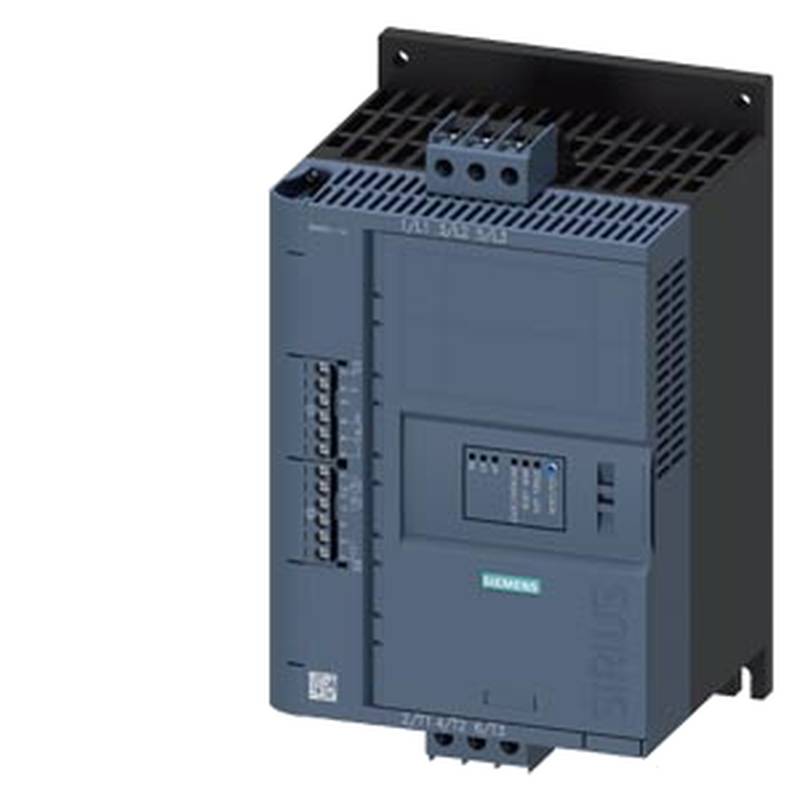
Integration with a VFD enables features like soft starting, braking, and precise process control, which are essential in many modern industrial automation scenarios, enhancing both performance and motor longevity.
What is the importance of the insulation class (Class F) for this SIEMENS motor?
Class F insulation allows the motor to operate safely at higher temperatures than lower insulation classes, providing a greater margin of safety. This is critical in industrial applications where motors may be subjected to temporary overloads or high ambient temperatures.
This higher thermal capability means the motor can handle more demanding duty cycles without premature insulation breakdown, leading to increased reliability and a longer operational lifespan. It directly contributes to reduced maintenance and downtime.
The Class F insulation system is designed to withstand thermal stresses, ensuring the integrity of the windings and preventing electrical faults, even under challenging operating conditions, which is a hallmark of premium industrial motor design.
What are the basic requirements for installing this 132 kW motor safely?
Safe installation requires a stable, level mounting surface to prevent vibration and ensure proper alignment with the driven load. Electrical connections must be made by qualified personnel, ensuring correct voltage, phase, and grounding.
Before energizing, a thorough inspection of all mechanical and electrical connections is mandatory, alongside verifying that the motor's cooling system is unobstructed. The motor must be properly grounded to prevent electrical hazards.
Ensure the surrounding environment complies with the motor's IP55 rating and that adequate ventilation is provided, especially if operating in warmer ambient conditions or with a VFD. Always follow the manufacturer's installation manual precisely.
How can I monitor the performance and health of the SIEMENS 1TL0003-3AA22-1AA4 motor in an industrial setting?
Performance and health can be monitored through a combination of techniques, including regular visual inspections for signs of wear or damage, and listening for unusual noises. Temperature sensors and vibration analysis are key diagnostic tools.
For enhanced monitoring, especially when integrated with advanced control systems or VFDs, you can track parameters such as current draw, voltage, speed, and operating temperature. Many VFDs offer built-in diagnostics and can communicate this data to a central control system.
Implementing a predictive maintenance program, leveraging IIoT connectivity if available through compatible drives, allows for early detection of potential issues before they lead to failure, thereby optimizing uptime and maintenance scheduling.
What is the typical ambient temperature range for operating the SIEMENS 1TL0003-3AA22-1AA4 motor?
This motor is typically designed to operate within an ambient temperature range of -20°C to +40°C without derating. This wide range makes it suitable for various climates and industrial environments.
Operating outside this specified range, particularly at higher temperatures, may require derating the motor's output or ensuring enhanced cooling measures are in place to prevent overheating and potential damage.
Conversely, operation at extremely low temperatures might necessitate specific considerations for lubricants and materials to ensure reliable startup and performance, though Class F insulation typically handles cold well.
How does the frame size (315M) impact the integration of this SIEMENS motor?
The frame size (315M) specifies the physical dimensions and mounting footprint of the motor, ensuring compatibility with standard base plates and coupling systems. This standardization facilitates easy replacement of older motors or integration into new equipment designs.
Understanding the frame size is crucial for mechanical engineers and installers to ensure the motor will fit correctly in its intended location and that shaft height and diameter are compatible with the driven equipment. It simplifies the mechanical design process.
This standardized sizing allows for interchangeability within SIEMENS' product lines and often with motors from other manufacturers adhering to similar standards, providing flexibility during equipment upgrades or repairs.
What are the advantages of choosing an IE3 efficiency rated motor like the 1TL0003-3AA22-1AA4 over standard efficiency motors?
IE3 motors offer significantly improved energy efficiency, meaning they convert more electrical energy into mechanical output, reducing wasted energy as heat. This leads to substantial savings on electricity bills over the motor's operational life.
The reduced energy consumption also translates to a lower carbon footprint, supporting environmental sustainability goals and helping companies comply with energy efficiency regulations. It's a key component in green industrial initiatives.
Furthermore, the lower operating temperatures associated with higher efficiency can lead to extended motor lifespan, reduced maintenance needs, and increased reliability, contributing to a lower total cost of ownership compared to standard efficiency models.