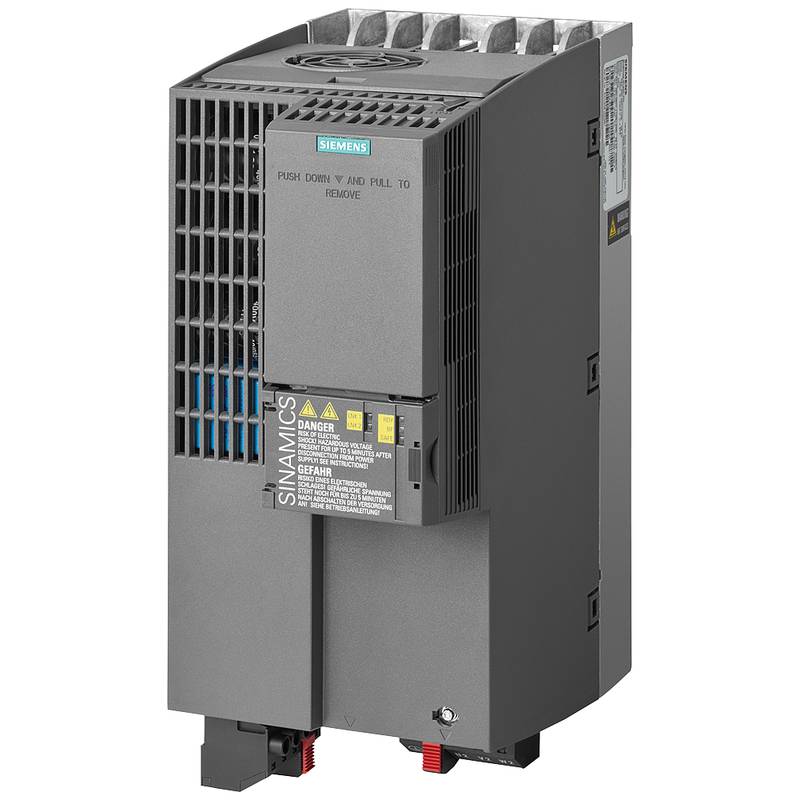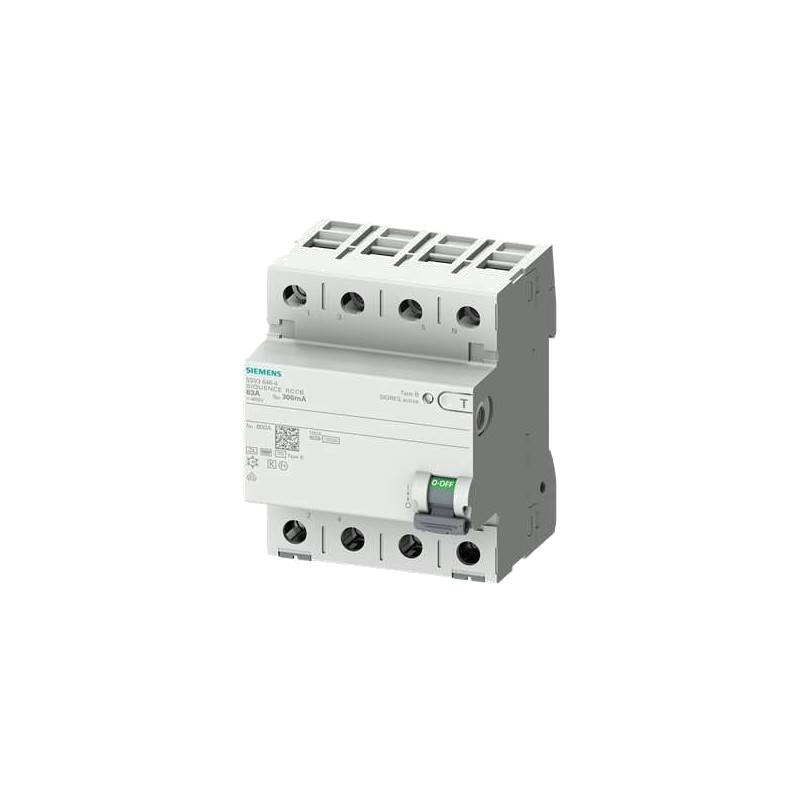













SIEMENS ALG403 Burner Control Unit Ignition Transformer


The SIEMENS ALG403 Burner Control Unit Ignition Transformer is a critical component for ensuring reliable and safe ignition in a wide range of industrial combustion systems. This unit is engineered for high performance, offering robust ignition power and exceptional durability. Key advantages include its compact design, ensuring easy integration into existing or new burner management systems, and its superior energy efficiency, which contributes to reduced operational costs. The ALG403 is built to withstand harsh industrial environments, providing consistent performance even under demanding conditions. Its core technical specifications highlight a primary voltage range of 220-240V AC at 50/60 Hz and a secondary output voltage of 10 kV AC, delivering the necessary spark energy for robust ignition. It boasts an ignition current of approximately 15-20 mA, precisely tailored for effective pilot and main burner ignition. The transformer operates efficiently within an ambient temperature range of -20°C to +60°C, underscoring its versatility across various climate conditions.
Product Specifications
| Specification | Value |
| :---------------------- | :---------------------------------------- |
| Primary Voltage | 220-240V AC, 50/60 Hz |
| Secondary Voltage | 10 kV AC |
| Ignition Current | Approx. 15-20 mA |
| Duty Cycle | Intermittent, suitable for ignition cycles |
| Ambient Temperature Range | -20°C to +60°C |
| Protection Class | IP20 (typical, consult specific datasheet) |
| Dimensions (approx.) | Varies by specific model variant |
| Mounting Type | Typically surface or DIN rail mount |
Core Features & Market Positioning
The SIEMENS ALG403 stands out due to its integration of advanced ignition technology with SIEMENS' renowned reliability. Its market positioning is firmly anchored in providing a dependable, high-quality ignition solution for industrial applications where burner safety and operational continuity are paramount. Unlike some competitors, the ALG403 offers a precisely controlled spark output, minimizing wear on electrodes and ensuring optimal fuel combustion from the very first spark. This focus on precision ignition translates to extended equipment lifespan and reduced maintenance intervals. The unit's robust construction, often featuring high-grade insulation and thermal protection, further solidifies its reputation for resilience in demanding plant environments. Its compatibility with a broad spectrum of SIEMENS burner control systems, such as the LFL series, enhances its value proposition for users already invested in the SIEMENS ecosystem.
Key Application Scenarios
This ignition transformer is ideally suited for a diverse array of industrial combustion processes. It plays a crucial role in gas and oil burner systems used in industrial boilers, furnaces, kilns, and thermal oxidizers, where reliable ignition is the first step in safe and efficient operation. For sectors such as power generation, chemical processing, and food manufacturing, the ALG403 ensures that steam production, process heating, and waste gas treatment systems can initiate combustion sequences without fail. Its robust performance makes it a preferred choice for applications requiring frequent start-stop cycles or ignition in challenging atmospheric conditions, such as those found in offshore platforms or high-altitude industrial sites. The precise spark energy it delivers is also beneficial for igniting pilot flames, which then safely ignite the main fuel source, a common safety protocol in many large-scale combustion setups.
Practical System Integration Guidance
Integrating the SIEMENS ALG403 Burner Control Unit Ignition Transformer into an existing system demands careful attention to electrical connections and safety protocols. The transformer typically connects to the burner control unit (BCU) via designated terminals, with primary side connections requiring a stable power supply matching the specified voltage (220-240V AC). Secondary high-voltage leads must be routed correctly to the ignition electrodes, ensuring proper spacing and grounding to establish the ignition spark gap. It is imperative to use high-voltage-rated cabling and to maintain adequate clearance from grounded surfaces to prevent flashovers. Earthing of the transformer's metal casing is a critical safety measure. Before powering up, a thorough check of all connections, including the continuity of the high-voltage circuit and proper grounding, should be performed. Commissioning typically involves verifying the spark characteristics and ensuring the ignition sequence integrates seamlessly with the BCU's flame detection and safety interlocks.
Operation and Risk Mitigation
The operation of the SIEMENS ALG403 is inherently tied to the burner control unit it serves. It activates only during the ignition phase of the burner sequence, delivering high-voltage pulses to the ignition electrodes to initiate combustion. Once the main flame is established and confirmed by the flame detector, the BCU deactivates the transformer. Continuous operation without a flame present can lead to the accumulation of unburnt fuel, posing an explosion risk. Therefore, the integrity of the BCU's flame monitoring and safety interlock functions is paramount. Common troubleshooting involves checking for power supply to the primary winding, ensuring the secondary high-voltage leads are intact and properly connected, and verifying electrode condition and gap. Fault codes displayed by the BCU often provide direct insight into ignition circuit issues, such as a lack of flame signal during ignition or a short circuit in the high-voltage path.
Scalability & Long-Term Value
The SIEMENS ALG403 offers significant long-term value primarily through its reliability and compatibility within the broader SIEMENS industrial automation portfolio. While the unit itself is not designed for direct software-based scalability, its integration into SIEMENS burner management systems allows for system-level expansion. This means that as a facility's needs grow, the overall combustion control system, including the ALG403, can be part of a larger, more sophisticated setup, potentially incorporating advanced diagnostics, remote monitoring, and integration with Industrial Internet of Things (IIoT) platforms via gateways and SCADA systems. Its robust design ensures a long operational lifespan, reducing the total cost of ownership by minimizing replacement frequency. Compatibility with established SIEMENS control architectures ensures that upgrading or expanding an existing burner management system often involves leveraging the ALG403's proven performance rather than requiring a complete overhaul of the ignition sub-system.
Frequently Asked Questions (FAQs)
What is the primary function of the SIEMENS ALG403?
The SIEMENS ALG403 acts as an ignition transformer. It converts low-voltage AC power into high-voltage pulses. These pulses generate a spark to ignite fuel in industrial burners.
This critical function ensures safe and reliable startup of combustion processes. It is essential for boilers, furnaces, and other industrial heating equipment. Proper ignition is the first step in efficient fuel combustion.
Its design focuses on delivering consistent spark energy. This promotes optimal combustion initiation and reduces ignition failures. It is a key component in burner safety chains.
How is the SIEMENS ALG403 installed in a typical system?
Installation involves connecting the primary side to a 220-240V AC power source. The secondary side connects to ignition electrodes via high-voltage cables. Proper grounding of the unit's casing is a mandatory safety step.
Ensure correct routing of high-voltage leads to avoid flashovers. Maintain appropriate electrode gap and alignment for effective sparking. Consult the specific wiring diagrams for your burner control unit.
After physical installation, electrical connections must be verified. A pre-commissioning check of the ignition circuit is crucial. This confirms proper connections before energizing the system.
What are the key technical specifications for the SIEMENS ALG403?
It operates with a primary voltage of 220-240V AC at 50/60 Hz. The secondary output voltage is 10 kV AC, providing sufficient spark energy. Ignition current is approximately 15-20 mA.
The unit is designed for intermittent duty cycles, typical for ignition sequences. It can operate reliably within an ambient temperature range of -20°C to +60°C. Protection class is typically IP20.
These specifications ensure effective and safe ignition across various industrial environments. Always refer to the specific product datasheet for exact values and certifications.
What maintenance is typically required for the SIEMENS ALG403?
Routine maintenance primarily involves visual inspection of connections and cables. Check for any signs of physical damage or wear on the high-voltage leads. Ensure the unit remains clean and free from dust or debris.
Periodically inspect the ignition electrodes and their gap. Worn or misaligned electrodes can impact ignition performance. Clean or replace electrodes as recommended by the burner manufacturer.
While the transformer itself is solid-state and requires little internal maintenance, ensuring the entire ignition circuit is functional is key. This includes the BCU and flame detector.
What are common issues or fault codes associated with the ALG403?
Common issues include failure to ignite, which can stem from a lack of primary power, damaged secondary leads, or incorrect electrode gap. A short circuit in the high-voltage path will also prevent ignition.
Fault codes typically originate from the burner control unit (BCU), not the transformer itself. For instance, "flame failure during ignition" indicates the BCU did not detect a flame after the transformer activated.
Other codes might point to electrical faults in the ignition circuit. Always consult the BCU's manual for specific fault code interpretations and troubleshooting steps.
Can the SIEMENS ALG403 be used in hazardous area applications?
Standard versions of the SIEMENS ALG403 are generally not designed for direct use in explosive atmospheres. Such applications require specifically certified equipment with enhanced safety features, like intrinsic safety or explosion-proof enclosures.
For hazardous areas, it's crucial to consult SIEMENS' range of products approved for ATEX or IECEx certifications. These units will have specific design considerations to prevent ignition of flammable gases or dust.
Always verify the product's certification against the requirements of your specific hazardous location classification. Using non-certified equipment in such zones poses significant safety risks.
What is the expected lifespan of a SIEMENS ALG403 ignition transformer?
The lifespan of a SIEMENS ALG403 is generally long, often exceeding many years of service. This is due to its robust construction and the fact it operates intermittently only during ignition cycles. Factors influencing lifespan include ambient conditions, frequency of starts, and quality of electrical supply.
Premature failure can occur if the unit is subjected to excessive heat, voltage fluctuations, or if it's used in a duty cycle beyond its design parameters. Proper installation and maintenance of the entire burner system are key to maximizing its operational life.
SIEMENS is known for high-quality components, and the ALG403 benefits from this reputation. Its reliability contributes significantly to the overall uptime and reduced maintenance costs of combustion systems.
How does the SIEMENS ALG403 differ from other ignition transformers?
The SIEMENS ALG403 distinguishes itself through its integration within the SIEMENS burner management ecosystem, offering seamless compatibility with SIEMENS control units like the LFL series. It provides a precisely controlled spark, contributing to electrode longevity and efficient ignition.
Its robust build quality ensures consistent performance in demanding industrial environments, often surpassing generic alternatives in durability. SIEMENS' commitment to stringent quality control means a higher level of reliability and predictable performance.
Engineered for specific voltage and current outputs, it is optimized for efficient ignition across a range of fuels and burner types, reducing the risk of ignition failure and ensuring stable combustion.
What voltage and frequency is required for the primary supply of the ALG403?
The SIEMENS ALG403 requires a primary voltage supply of 220-240V AC. This voltage range is standard in many industrial electrical systems globally. The unit is designed to operate effectively at both 50 Hz and 60 Hz frequencies.
Ensuring a stable and clean power supply within this specified range is critical for the transformer's optimal performance and longevity. Voltage fluctuations outside the acceptable limits can stress the internal components.
Always confirm the exact voltage and frequency requirements on the product label or its accompanying technical documentation before connecting it to the power grid.
Where can I find the technical datasheet for the SIEMENS ALG403?
The most comprehensive technical datasheet for the SIEMENS ALG403 is typically available directly from SIEMENS or its authorized distributors. You can often find it by searching the SIEMENS industrial automation website using the product model number.
When searching, look for product documentation, technical specifications, or datasheets. These documents will contain detailed information on electrical characteristics, dimensions, operating conditions, and safety certifications.
If you cannot locate it online, contacting SIEMENS technical support or a local sales representative is the best approach. They can provide you with the most current and accurate documentation for your specific needs.