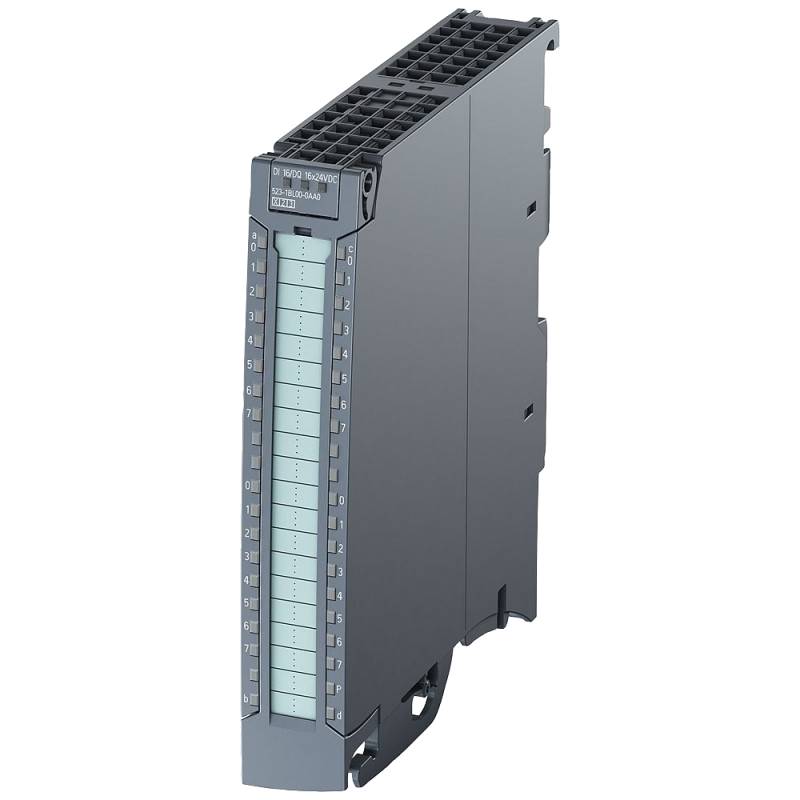













SIEMENS GBB331.1E GBB Series Air Damper Actuator


The SIEMENS GBB331.1E GBB Series Air Damper Actuator stands as a robust solution for precise control in HVAC systems, offering reliable performance and advanced features. This actuator boasts a torque of 5 Nm, an operating voltage of AC/DC 24 V, and a control signal type of 0...10 Vdc, ensuring seamless integration and effective air damper management. Its direct mounting capability and built-in mechanical end stops simplify installation and enhance operational safety. The GBB331.1E is engineered for durability and efficiency, making it a preferred choice for demanding industrial and commercial applications requiring accurate airflow regulation.
Product Specifications
| Feature | Specification |
| :----------------------- | :-------------------------------- |
| Product Type | Air Damper Actuator |
| Series | GBB Series |
| Model Number | GBB331.1E |
| Torque | 5 Nm |
| Operating Voltage | AC/DC 24 V |
| Control Signal | 0...10 Vdc |
| Mounting | Direct mount |
| Spring Return | Yes |
| Auxiliary Switches | Optional (specify configuration) |
| Manual Override | Yes |
| Protection Class | IP54 |
| Ambient Temperature Range | -30...+50 °C |
| Cable Length | 1.5 m |
| Dimensions (W x H x D) | 66 x 131 x 57.5 mm |
| Weight | Approx. 1.2 kg |
Core Features & Market Positioning
The SIEMENS GBB331.1E distinguishes itself in the competitive HVAC actuator market through its reliable spring-return functionality and robust construction. Its ability to provide 5 Nm of torque ensures adequate power for a range of damper sizes. The integrated mechanical end stops prevent over-travel and damage, contributing to a longer service life and reducing maintenance needs. This actuator is positioned as a dependable, high-quality component for applications where precise airflow control and operational stability are paramount. Its compatibility with the widely adopted 0-10 Vdc control standard further solidifies its market appeal for seamless integration into modern building management systems.
Key Application Scenarios
The SIEMENS GBB331.1E is ideally suited for variable air volume (VAV) terminal units, controlling airflow to individual zones within commercial buildings. It excels in controlling air dampers in ventilation systems for hospitals, laboratories, and cleanrooms where precise air exchange rates are critical for environmental control and safety. Furthermore, its robust design makes it suitable for industrial ventilation applications, managing airflow in manufacturing facilities and process areas. It is also a reliable choice for balancing air intake and exhaust in general building ventilation systems to maintain optimal indoor air quality and energy efficiency.
Practical System Integration Guidance
Integrating the SIEMENS GBB331.1E actuator involves direct mounting onto the damper shaft using the provided universal shaft adapter, ensuring a secure fit. Wiring should adhere to the voltage and control signal specifications (AC/DC 24 V and 0-10 Vdc). For optimal performance, ensure the damper is manually operated to the desired position before energizing the actuator and connecting the control signal. Troubleshooting often involves verifying power supply and control signal integrity. The actuator's self-centering shaft adapter simplifies installation, reducing setup time.
Operation and Risk Mitigation
The SIEMENS GBB331.1E operates by receiving a control signal to adjust the damper position, utilizing its internal motor and gear train. In case of power failure, the spring-return mechanism ensures the damper moves to a predefined safe position, crucial for safety and system integrity. Users should always disconnect power before performing any maintenance or manual adjustments to mitigate the risk of electrical shock or mechanical injury. Regular inspection of wiring and mechanical linkages will help prevent operational failures and ensure continued reliable performance.
Scalability & Long-Term Value
The GBB331.1E actuator integrates seamlessly with Siemens' broader range of HVAC control components and Building Management Systems (BMS), offering scalability for future expansions. Its compatibility with standard control protocols allows for easy integration into existing infrastructure or new digital building solutions, including those supporting the Industrial Internet of Things (IIoT). This future-proofing ensures long-term value by maintaining compatibility with evolving building automation technologies and enhancing system manageability and energy optimization capabilities.
Frequently Asked Questions
Q: What is the maximum damper size supported by the SIEMENS GBB331.1E?
The GBB331.1E actuator delivers 5 Nm of torque, suitable for medium-sized dampers. It's typically rated for dampers up to approximately 1 m². Consult the detailed technical documentation for precise sizing based on damper type and air pressure.
This actuator is designed for robust performance in various HVAC applications. Its direct mounting and 5 Nm torque capacity ensure reliable operation for many common damper installations. For critical or unusually large dampers, verification against specific application requirements is always recommended.
The spring-return functionality of the GBB331.1E provides an essential safety feature. This ensures that if power is lost, the damper will automatically move to a safe, predetermined position, maintaining essential ventilation or shutdown states.
Q: How do I wire the SIEMENS GBB331.1E actuator?
Connect the AC/DC 24 V power supply to the designated terminals (usually L/N or +/-, depending on the specific model variant). Ensure correct polarity for DC power. The control signal (0-10 Vdc) connects to the input terminals, typically labeled Y or Input.
Refer to the wiring diagram in the product manual for precise terminal assignments. Incorrect wiring can lead to actuator malfunction or damage. Always ensure power is disconnected before commencing any wiring tasks.
Grounding connections are also vital for safety and electromagnetic compatibility. Ensure the actuator is properly grounded according to local electrical codes and the manufacturer's instructions.
Q: What does the 0-10 Vdc control signal signify for the GBB331.1E?
The 0-10 Vdc signal is a standard analog input used to proportionally control the damper position. A 0 V signal typically corresponds to one end stop (e.g., closed damper), while a 10 V signal corresponds to the other end stop (e.g., fully open damper).
Intermediate voltage levels between 0 and 10 Vdc will position the damper accordingly, allowing for precise modulation of airflow. This proportional control is essential for applications like VAV systems requiring fine-tuned air volume regulation.
The control system generating this signal (e.g., a thermostat or BMS controller) dictates the desired airflow. The SIEMENS GBB331.1E accurately translates these voltage commands into physical damper movements.
Q: Can the SIEMENS GBB331.1E be used in outdoor environments?
With an IP54 protection class, the SIEMENS GBB331.1E offers protection against dust ingress and splashing water. This makes it suitable for many outdoor applications where environmental exposure is moderate.
However, prolonged direct exposure to harsh weather conditions like heavy rain, snow, or extreme temperatures outside its specified range (-30 to +50 °C) may require additional protective measures or a different product variant. Always consult the datasheet for precise environmental ratings.
For installations subject to significant weather, consider enclosing the actuator or selecting a model with a higher IP rating to ensure longevity and reliable operation. Proper installation in a sheltered location is often sufficient.
Q: What is the spring return function and why is it important?
The spring return function ensures the damper automatically moves to a predefined fail-safe position (typically closed or open) when power is lost or the control signal is removed. This is a critical safety feature in HVAC systems.
It prevents uncontrolled airflow during power outages, which could compromise building safety or energy efficiency. For example, in fire and smoke systems, it ensures dampers close to prevent smoke spread.
The spring mechanism provides a reliable, mechanical fail-safe operation independent of any electronic control signals or power availability. This inherent reliability enhances overall system safety and operational integrity.
Q: How do I perform manual override on the SIEMENS GBB331.1E?
Locate the manual override mechanism, typically a button or lever on the actuator housing. While holding the override engaged, you can manually move the damper to the desired position. Ensure power is disconnected before engaging the manual override.
Release the override mechanism once the damper is in the desired position. The actuator will then resume automatic control when power and a valid control signal are reapplied. This feature is useful for commissioning, maintenance, or emergency situations.
Always refer to the specific model's user manual for precise instructions on engaging and disengaging the manual override. Incorrect use could potentially damage the actuator or the damper linkage.
Q: What are the typical error codes for this actuator?
Siemens GBB actuators generally do not display numeric error codes directly on the unit. Instead, fault indications are usually derived from the control system observing abnormal actuator behavior or lack of response.
Troubleshooting typically involves checking power supply continuity, control signal validity (0-10 Vdc range and source function), and the physical operation of the damper itself. Listen for unusual noises from the actuator.
For detailed diagnostics, integration with a Siemens BMS or using compatible diagnostic tools may be necessary to interpret specific fault statuses or operational anomalies. Always consult the comprehensive technical documentation.
Q: Is the SIEMENS GBB331.1E compatible with building management systems?
Yes, the GBB331.1E is designed for seamless integration with most Building Management Systems (BMS) due to its standard 0-10 Vdc control input. This allows for centralized monitoring and control of HVAC functions.
Its analog control signal ensures compatibility with legacy and modern BMS platforms. The actuator can be commanded to specific positions or respond to system-wide commands for optimized building performance.
Integration allows for advanced features like energy management, predictive maintenance, and remote diagnostics, significantly enhancing the overall building automation strategy and operational efficiency.
Q: What is the expected lifespan of the SIEMENS GBB331.1E?
The expected lifespan of the SIEMENS GBB331.1E actuator is dependent on its operating environment and duty cycle. However, Siemens products are known for their durability and reliability, typically offering many years of service under normal operating conditions.
Factors influencing lifespan include the frequency of operation, ambient temperature, air quality (dust, humidity), and proper installation and maintenance. Regular checks and adherence to operational parameters will maximize its service life.
With a robust design and quality components, the GBB331.1E is built for longevity in demanding HVAC applications, providing a solid return on investment over its operational life.
Q: What maintenance is required for this actuator?
Routine maintenance for the SIEMENS GBB331.1E is minimal, primarily involving visual inspections of the actuator and its connection to the damper shaft. Ensure the unit is clean and free from excessive dust or debris.
Periodically check that the damper operates smoothly through its full range of motion without binding. Verify that the wiring remains secure and undamaged. No lubrication is typically required for the internal mechanism.
Adhering to the specified operating temperature range and environmental conditions will significantly contribute to the actuator's long-term reliability and reduce the need for unscheduled maintenance or premature replacement.