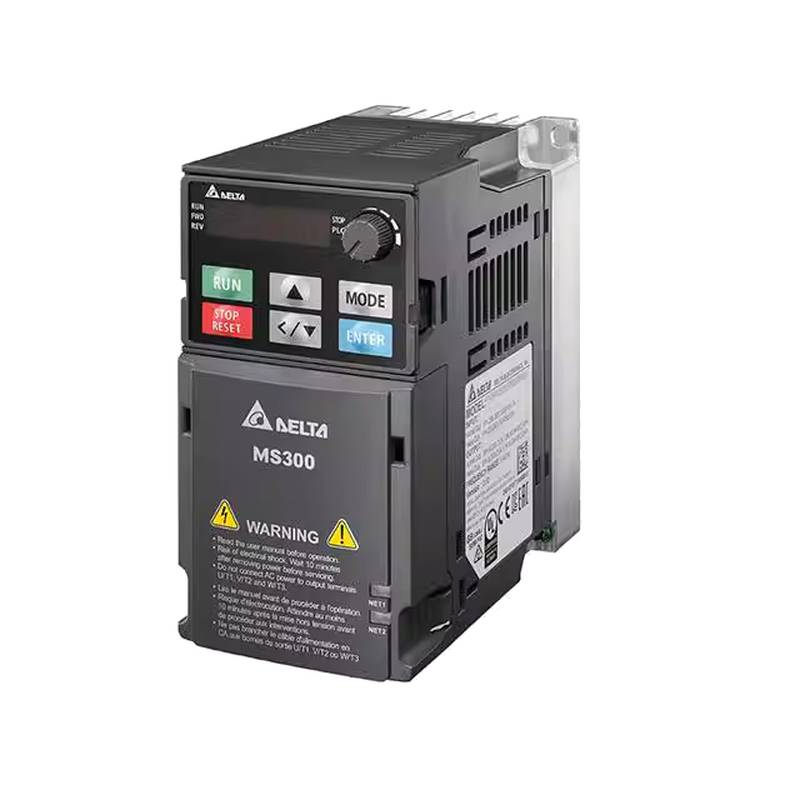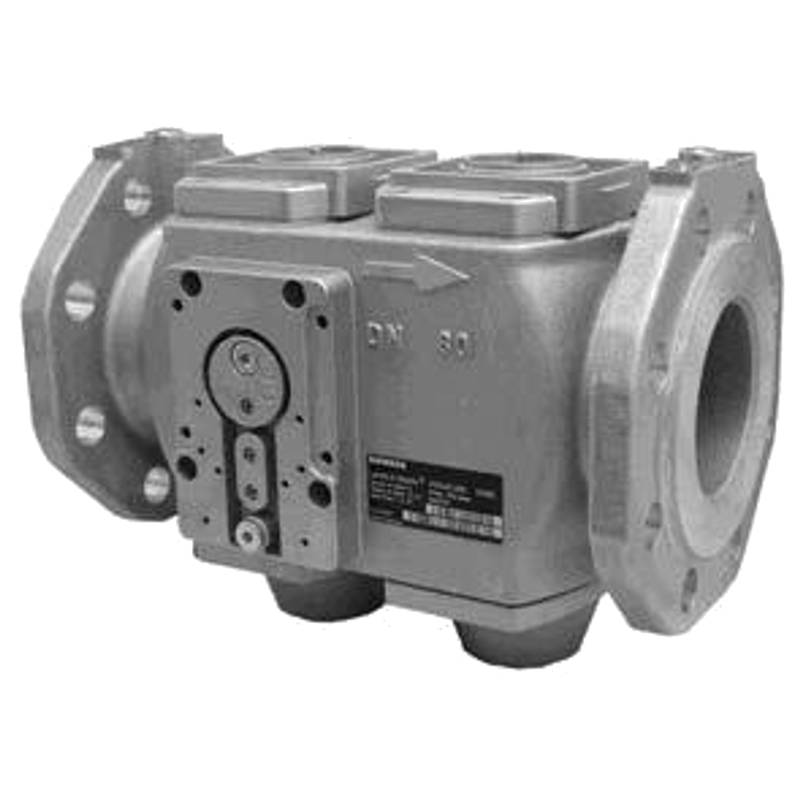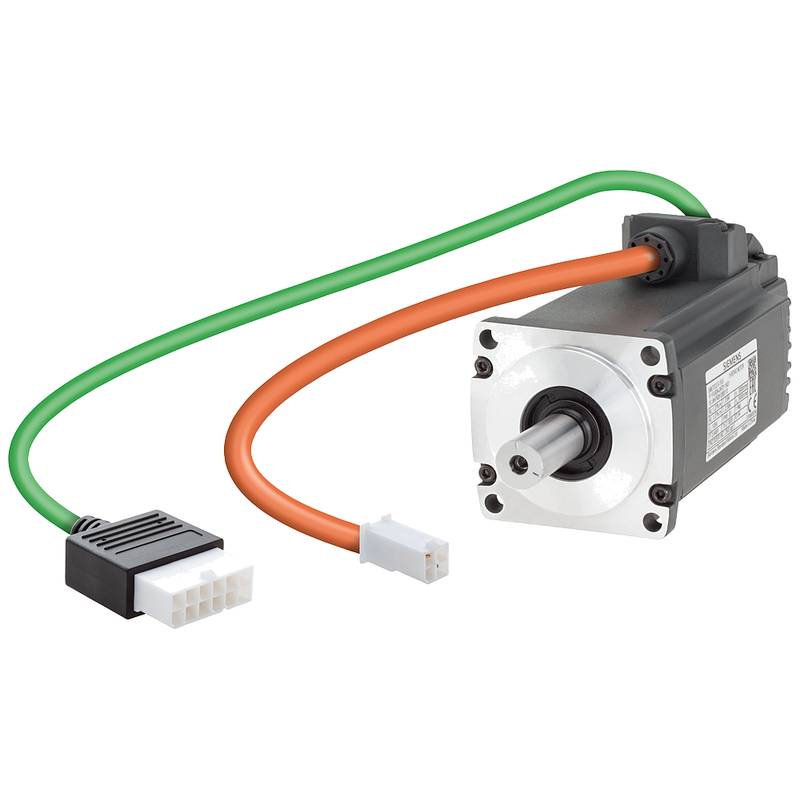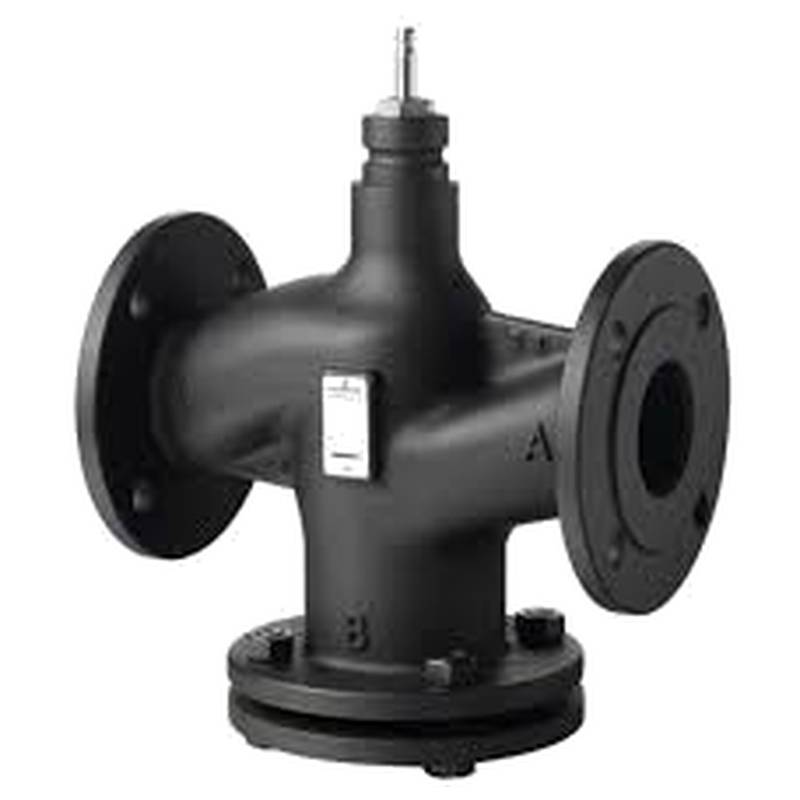












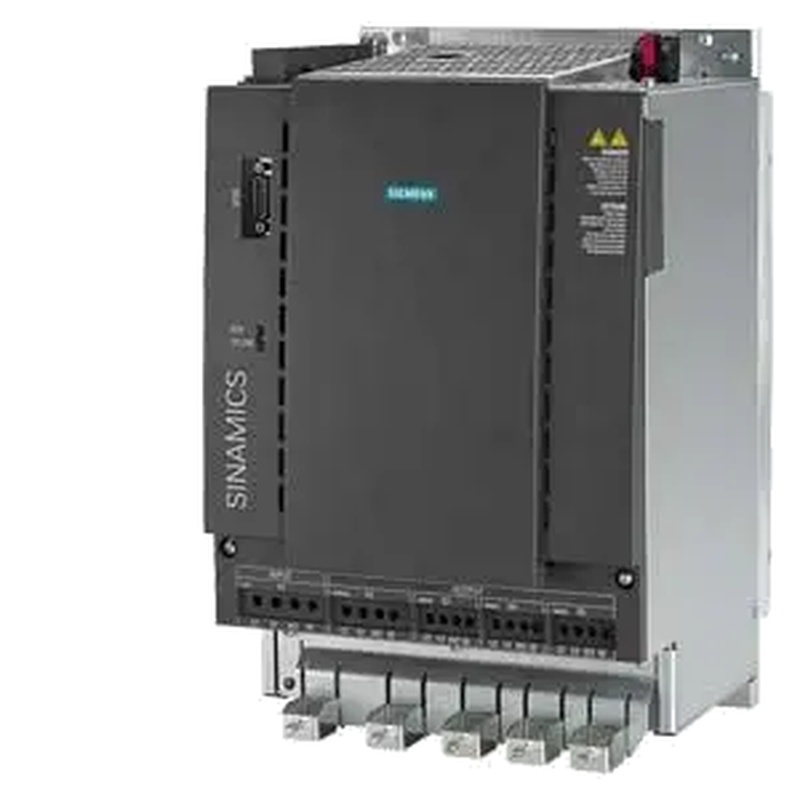
SIEMENS 6SL3111-4VE21-6ED2 SINAMICS S120 COMBI B17 16kW Quadruple Output Module 24A 12A 9A 9A Configuration


The SIEMENS 6SL3111-4VE21-6ED2 SINAMICS S120 COMBI B17 stands as a sophisticated multi-axis drive solution, engineered for demanding industrial automation tasks. This module offers significant advantages through its integrated design, robust performance, and flexible configuration. Its core strengths lie in its quadruple output capability, enabling simultaneous control of multiple motors with precise independent regulation. Key technical parameters include a total power output of 16kW, with individual outputs rated at 24A, 12A, 9A, and 9A, facilitating diverse motor load requirements within a single unit. The B17 frame size signifies a compact yet powerful footprint, ideal for space-constrained applications. This drive represents a cornerstone for high-performance motion control, delivering enhanced efficiency and reliability across a spectrum of industrial processes.
Product Specifications
| Parameter | Specification |
| :---------------------- | :--------------------------------------------- |
| Product Number | 6SL3111-4VE21-6ED2 |
| Series | SINAMICS S120 COMBI |
| Frame Size | B17 |
| Total Power Output | 16kW |
| Output Configuration | Quadruple |
| Output Current Ratings | 24A, 12A, 9A, 9A |
| Voltage Rating | [Specific voltage details typically found in documentation, assumed to be standard industrial voltages like 400-480V for this power class] |
| Protection Class | [Specific IP rating details typically found in documentation] |
| Communication Interfaces| [Details on integrated protocols like PROFINET, PROFIBUS would be crucial, assumed based on SINAMICS family] |
Core Features & Market Positioning
The SINAMICS S120 COMBI B17 excels through its highly integrated design, consolidating multiple motor control channels into a single, intelligent unit. This integration significantly reduces cabinet space and wiring complexity compared to using individual drives. Its advanced control algorithms, characteristic of the SINAMICS S120 family, provide superior dynamic performance and precision, making it a preferred choice for high-speed and high-accuracy applications. The module's positioning in the market is defined by its ability to offer a cost-effective and space-saving solution for multi-motor applications without compromising on performance or Siemens' renowned reliability. It competes effectively against systems requiring multiple standalone drives by offering a streamlined, unified platform.
Key Application Scenarios
This drive is exceptionally well-suited for complex material handling systems, such as automated storage and retrieval systems (AS/RS), where precise, independent control of multiple lifting, traversing, and conveyor motors is essential. Packaging machinery, particularly those with multiple synchronized axes for film handling, sealing, and product placement, also benefits from the quadruple output configuration. Furthermore, printing presses and textile machinery, which often involve intricate web control and synchronized roller drives, find the 6SL3111-4VE21-6ED2 to be a highly effective solution for achieving high throughput and superior product quality. Its versatility allows for deployment in diverse sectors including automotive manufacturing, food and beverage processing, and general industrial automation.
Practical System Integration Guidance
Integrating the SIEMENS 6SL3111-4VE21-6ED2 into an automation system typically involves connecting it to a central control unit via industrial Ethernet (e.g., PROFINET) or PROFIBUS. Power connection requires adherence to local electrical codes and Siemens' specific wiring guidelines for the rated voltage and current. Motor connections are made to the individual output terminals, ensuring proper sizing and type of motor for each specific current rating. Commissioning is performed using Siemens' TIA Portal software, where parameters for each motor, axis, and motion control function are configured. This includes setting up servo control loops, safety functions, and communication parameters to align with the overall machine logic.
Operation and Risk Mitigation
Proper operation of the SINAMICS S120 COMBI B17 necessitates understanding its operational modes and safety features. The drive incorporates comprehensive protection mechanisms against overcurrent, overvoltage, undervoltage, and overheating, which are critical for preventing component damage and ensuring operational continuity. Familiarization with the TIA Portal's diagnostic tools is vital for identifying and resolving common issues. Error codes displayed on the drive's interface or within the TIA Portal provide crucial diagnostic information. For instance, overcurrent faults (e.g., F7400) typically indicate motor or cable issues, while overtemperature warnings (e.g., F7401) might suggest inadequate cooling or an overloaded motor. Adhering to recommended ambient operating temperatures and ensuring proper ventilation is paramount for risk mitigation.
Scalability & Long-Term Value
The SINAMICS S120 platform, including the 6SL3111-4VE21-6ED2 COMBI module, offers significant long-term value through its inherent scalability and integration capabilities. It seamlessly integrates with other Siemens automation components, such as SIMATIC PLCs and HMIs, within the TIA Portal environment, facilitating the creation of cohesive and intelligent automation solutions. For applications requiring expansion, additional SINAMICS S120 drive units or modules can be networked together, allowing for a modular and adaptable approach to machine design. Furthermore, its compatibility with modern digital manufacturing trends, including Industry 4.0 concepts and IIoT platforms, enables advanced data acquisition and predictive maintenance strategies, maximizing the operational lifespan and return on investment.
Frequently Asked Questions
What are the main benefits of the Siemens 6SL3111-4VE21-6ED2?
This drive offers integrated multi-axis control, reducing cabinet space and wiring complexity. It provides precise, independent control for up to four motors simultaneously. Its advanced SINAMICS S120 technology ensures high performance and reliability.
The unit delivers efficient power management with a 16kW total output and specific current ratings for varied motor loads. Its robust design is optimized for demanding industrial environments. This simplifies automation projects by consolidating multiple functions.
Key advantages include reduced system costs, faster commissioning, and enhanced operational efficiency. The integrated safety functions also contribute to a safer working environment. It represents a modern, consolidated approach to motion control.
How do I connect motors to the SINAMICS S120 COMBI B17?
Motor connections are made to the dedicated output terminals on the module. Ensure the motor's power and current ratings are compatible with the specific output channel (24A, 12A, 9A, or 9A) being used. Always follow Siemens' recommended wiring practices for motor cables.
Proper cable selection and routing are crucial to prevent electromagnetic interference (EMI). Use shielded motor cables and ensure correct grounding of both the motor and the drive. Consult the product manual for specific cable length limitations and connection diagrams.
Verify all connections are secure before powering up the system. Incorrect wiring can lead to motor damage, drive faults, or safety hazards. Double-check polarities and conductor assignments against the module's terminal layout.
What programming software is used for the 6SL3111-4VE21-6ED2?
The Siemens TIA Portal (Totally Integrated Automation Portal) is the primary software used for configuring and programming this drive. It allows for comprehensive project management, including PLC, HMI, and drive engineering within a single environment. The software facilitates parameterization, diagnostics, and firmware updates.
Within TIA Portal, you will utilize specific drive configuration tools and libraries for the SINAMICS S120 family. This enables you to set up motor data, control modes (e.g., V/f, vector control, servo control), safety functions, and communication protocols. You can also develop custom motion control applications.
Familiarity with TIA Portal is essential for efficient commissioning and ongoing maintenance of the SINAMICS S120 COMBI B17. The software provides advanced simulation capabilities and debugging tools to streamline the development process and minimize downtime.
Can I use different types of motors with this module?
Yes, the SINAMICS S120 COMBI B17 is designed to control various types of AC motors, including asynchronous and synchronous motors. The specific motor type and its characteristics (e.g., power, pole count, inertia) must be accurately entered into the drive's parameters for optimal performance and control.
The drive's advanced control algorithms allow for precise speed and torque regulation, making it suitable for a wide range of motor applications. You can configure different control modes within TIA Portal to match the requirements of each connected motor, such as field-oriented control for high dynamic response.
Ensure that the motor's operating voltage and current requirements fall within the capabilities of the specific output channel you are using on the 6SL3111-4VE21-6ED2 module. Overloading any output channel can lead to faults and damage.
What are the typical fault codes for this drive?
Common fault codes include overcurrent faults (e.g., F7400), which may indicate motor issues, cable problems, or a drive overload. Overtemperature warnings or faults (e.g., F7401) can point to inadequate cooling or motor overheating.
Other frequent fault codes might relate to communication errors (e.g., P0301 for communication timeouts), voltage issues (e.g., F7404 for DC link overvoltage), or encoder feedback problems if a closed-loop system is used. Each code is documented in the SINAMICS S120 system manual.
Diagnosing faults involves referencing the specific error code in TIA Portal or on the drive's local display. The TIA Portal provides detailed diagnostic buffers that offer historical fault data and contextual information, aiding in efficient troubleshooting.
How does the quadruple output configuration benefit my application?
The quadruple output configuration allows simultaneous control of up to four independent motors from a single drive unit. This significantly reduces the number of required drive components, leading to a more compact and cost-effective system design.
It simplifies wiring and cabinet layout by consolidating multiple drive functions into one module. This can lead to faster installation times and reduced maintenance effort. The integrated nature also ensures better synchronization between axes.
This configuration is ideal for machines with multiple synchronized motion axes, such as complex conveyor systems, packaging machines, or automated assembly lines. It enables precise, independent control over each motor, enhancing overall machine performance and throughput.
What communication protocols does the 6SL3111-4VE21-6ED2 support?
While specific protocols depend on the installed communication modules, the SINAMICS S120 COMBI family typically supports industry-standard industrial Ethernet protocols such as PROFINET. It can also be configured for PROFIBUS DP communication if required for existing systems.
These protocols enable seamless integration with Siemens SIMATIC PLCs and other automation devices, facilitating high-speed data exchange for control and diagnostics. The choice of protocol impacts the system's performance and connectivity options.
Ensuring the correct communication setup within TIA Portal is crucial for establishing reliable data transfer between the drive and the controller. This includes configuring IP addresses, network settings, and addressing schemes according to the chosen protocol.
How can I ensure proper cooling for this drive?
Proper cooling is essential for the longevity and reliable operation of the SINAMICS S120 COMBI B17. Ensure the drive is installed in an environment with adequate ambient air temperature, typically within the specified operating range (e.g., 0-40°C or 50°C with derating).
Adequate ventilation within the control cabinet is critical. Maintain sufficient clearance around the drive for airflow, and ensure any cabinet cooling systems (fans, air conditioners) are functioning correctly and are sized appropriately for the heat generated by the drive and other components.
Avoid installing the drive near heat sources or in dusty/corrosive environments that could impede airflow or require special filtration. Regular cleaning of ventilation grilles and filters is recommended to maintain optimal cooling performance.
What are the safety features integrated into this drive?
The SINAMICS S120 platform includes integrated safety functions, such as Safe Torque Off (STO), which prevents the motor from generating torque and is a crucial part of functional safety. Depending on the configuration and safety modules used, other safety functions like Safe Stop 1 (SS1) and Safe Speed Monitoring (SSM) might also be available.
These safety functions allow for the implementation of safety-related functions on the machine directly at the drive level, potentially reducing the need for external safety relays and components. This contributes to a more streamlined and cost-effective safety concept.
Proper implementation and validation of safety functions require careful design according to relevant safety standards (e.g., IEC 61508, ISO 13849) and detailed configuration within TIA Portal. It is crucial to work with qualified personnel to ensure compliance and reliable operation.
How does this drive contribute to Industry 4.0 and IIoT integration?
The SINAMICS S120 COMBI B17, through its communication interfaces and diagnostic capabilities, serves as a key node in an Industry 4.0 ecosystem. It can transmit real-time operational data, such as speed, torque, current, and status, to higher-level systems like SCADA, MES, or cloud platforms.
This data enables advanced applications such as predictive maintenance, energy monitoring, and process optimization. By analyzing drive performance data, potential equipment failures can be predicted and maintenance scheduled proactively, minimizing unplanned downtime.
Integration with IIoT platforms allows for remote monitoring and control, offering greater flexibility and visibility into the manufacturing process. The drive's ability to log detailed operational information also supports continuous improvement initiatives and performance benchmarking.