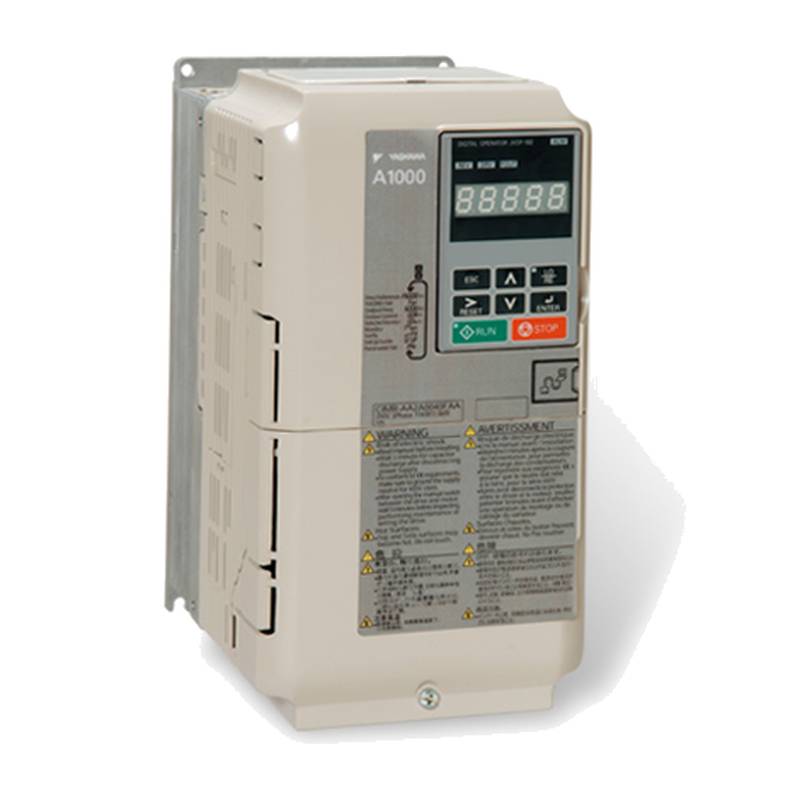
DANFOSS FC-111P160T4E20H2XXCXXXSXXXXAXBXCXXXXDX 160kW 303A Three Phase 480V FC-111 Inverter


The DANFOSS FC-111P160T4E20H2XXCXXXSXXXXAXBXCXXXXDX 160kW 303A Three Phase 480V FC-111 inverter represents a robust and versatile solution for demanding industrial applications, offering superior motor control and energy efficiency. This advanced variable frequency drive (VFD) is engineered for reliability and performance, featuring a powerful 160kW motor rating and a substantial 303A output current. Its 480V three-phase power input makes it suitable for a wide range of heavy-duty machinery. Key advantages include its intelligent control algorithms, comprehensive protection features, and ease of integration into existing control systems.
Product Specifications
| Parameter | Value |
| :------------------------ | :----------------------------------------------------------- |
| Model | FC-111P160T4E20H2XXCXXXSXXXXAXBXCXXXXDX |
| Power Rating | 160 kW |
| Output Current | 303 A |
| Input Voltage | 480 V (Three Phase) |
| Series | FC-111 |
| Protection Rating | IP20 (Standard configuration, refer to specific options for variations) |
| Cooling | Forced Air Cooling |
| Control Method | Vector Control, V/f Control |
| Harmonic Distortion | Low harmonic distortion, often with integrated filters or options for reduced harmonics |
| Operating Temperature | Typically -20°C to +50°C (derating may apply at higher temperatures) |
Core Features & Market Positioning
The DANFOSS FC-111 inverter distinguishes itself through its cutting-edge control technology, particularly its advanced vector control capabilities, which ensure precise speed and torque regulation even under fluctuating load conditions. This capability positions the FC-111 as a premium choice for applications demanding high dynamic performance and accuracy, such as in complex material handling systems and precision manufacturing. Its robust design and high overload capacity further solidify its market standing for continuous operation in challenging industrial environments. The integration of advanced diagnostic tools and a user-friendly interface contributes to its appeal as a reliable and efficient solution for modern industrial automation.
Key Application Scenarios
This 160kW inverter is ideally suited for a broad spectrum of industrial applications requiring robust motor control and significant power. Common scenarios include the operation of large pumps and fans in water treatment plants and HVAC systems, where precise flow and pressure management are critical for energy efficiency. It is also extensively used in the material handling industry for conveyor systems and automated warehousing, as well as in heavy machinery for applications such as crushers, mixers, and extruders in the manufacturing and processing sectors. The 480V rating makes it a prime candidate for facilities operating on North American power grids.
Practical System Integration Guidance
Integrating the DANFOSS FC-111 inverter into an industrial control system demands careful attention to electrical connections and parameter configuration. Ensure that the power supply is correctly rated for 480V three-phase and that all local electrical codes are adhered to during installation. Proper grounding of both the inverter and the motor is essential for safety and electromagnetic compatibility. For optimal performance, motor data such as nominal power, voltage, current, and speed should be accurately entered into the inverter's parameters to enable effective auto-tuning and vector control. Consider the use of shielded motor cables to minimize electrical noise, especially in environments with sensitive electronic equipment. The programming of start/stop commands, speed references, and fault reset functions can typically be achieved via digital inputs, analog signals, or fieldbus communication protocols, depending on the desired level of automation.
Operation and Risk Mitigation
Safe operation of the DANFOSS FC-111 inverter necessitates adherence to established safety protocols. Before performing any electrical work or maintenance, always ensure the power supply to the drive is completely disconnected and locked out. Familiarize yourself with the inverter's fault codes to quickly diagnose and address potential issues. Common fault indications might relate to overcurrent, overvoltage, undervoltage, or motor thermal overload. For instance, a "Fault 15: Overcurrent" could indicate a short circuit, a motor issue, or parameters set too low for the load. Proper ventilation and maintaining the inverter within its specified ambient temperature range are crucial for preventing thermal faults and ensuring longevity.
Scalability & Long-Term Value
The DANFOSS FC-111 series offers significant scalability and long-term value, particularly through its compatibility with Danfoss's broader automation ecosystem and various industrial communication protocols. This allows for seamless integration into existing SCADA systems and Distributed Control Systems (DCS), facilitating remote monitoring and control. The availability of optional communication modules for protocols such as Modbus, Profibus, or Ethernet/IP enables advanced data exchange and diagnostics, paving the way for integration with Industrial Internet of Things (IIoT) platforms. This forward-thinking design ensures that the FC-111 can adapt to evolving plant-wide automation strategies and future upgrades without requiring complete system overhauls.
Frequently Asked Questions
What is the primary function of the DANFOSS FC-111P160T4E20H2XXCXXXSXXXXAXBXCXXXXDX?
This inverter's primary function is variable speed motor control. It precisely manages motor speed and torque. It's crucial for energy savings.
It allows for smooth starting and stopping of motors. This reduces mechanical stress on equipment. It also optimizes process control.
The drive handles motor protection and diagnostics. It provides valuable operational feedback. This helps in predictive maintenance.
How do I select the correct VFD for my application?
Consider motor power rating and full load amps. Ensure VFD specs meet or exceed these. Check voltage and frequency compatibility.
Analyze the application's torque requirements. Does it need constant torque or variable torque? This affects VFD sizing and control mode.
Factor in environmental conditions. Consider enclosure rating (IP), temperature, and altitude. Also, think about any special features like braking.
What are the benefits of using a VFD like the FC-111?
Significant energy savings are a major benefit. Reduced power consumption is achieved. This lowers operational costs substantially.
VFDs improve process control and product quality. They provide precise speed and torque regulation. This leads to more consistent manufacturing.
They extend equipment lifespan. Soft starts reduce mechanical stress. Motor protection features prevent damage.
Can the DANFOSS FC-111 control asynchronous and synchronous motors?
The FC-111 typically excels with asynchronous (induction) motors. Its advanced vector control is optimized for them. It provides excellent performance across various loads.
Depending on the exact configuration and firmware, some FC-111 models might support synchronous motors. Verify this with Danfoss documentation. This often requires specific parameter settings.
Always confirm motor type compatibility with the VFD manual. Incorrect setup can lead to poor performance or damage. Proper selection is key.
What is the typical installation environment for this inverter?
Install in a clean, dry, and well-ventilated area. Avoid dusty or corrosive atmospheres. Ensure ambient temperature is within spec.
Proper spacing around the drive is critical. Allow for airflow to prevent overheating. Consult the manual for clearance requirements.
Protect from direct sunlight and excessive vibration. Electrical noise should be minimized. Use appropriate shielding and grounding.
How can I connect external control signals to the FC-111?
Use the digital input terminals for basic commands. Connect switches for start/stop or direction control. Use analog inputs for speed reference signals.
Configure input parameters in the drive menu. Map signals to desired functions. Refer to wiring diagrams in the user manual.
For advanced control, consider fieldbus communication. Install an optional communication module. This allows integration into PLC systems.
What are common troubleshooting steps for FC-111 fault codes?
Identify the specific fault code displayed. Consult the user manual for its meaning. This guides the troubleshooting process.
Check for external factors first. Verify power supply stability and motor connections. Ensure ventilation is adequate.
If the fault persists, inspect motor windings. Check for short circuits or open circuits. Consider if parameter settings are appropriate for the load.
What is the power factor correction capability of this inverter?
VFDs inherently improve power factor. They reduce reactive power demand on the grid. This leads to more efficient energy usage.
The FC-111 actively manages motor current. This helps maintain a high power factor. It can reduce utility penalties for low power factor.
For even higher power factor correction, especially at light loads, consider external PFC units. However, the drive itself offers substantial benefits.
How does the FC-111 handle motor overload situations?
The inverter monitors motor current and temperature. It provides electronic thermal overload protection. This prevents motor damage from sustained overloads.
If an overload condition is detected, the drive will trip. It will display a specific overload fault code. It will then shut down the motor safely.
After an overload, allow the motor to cool. Reset the fault and restart. Investigate the cause of the overload, e.g., excessive load or incorrect parameters.
What are the advantages of Danfoss FC-111 for IIoT integration?
Optional communication modules enable connectivity. Protocols like Modbus TCP/IP are supported. This allows remote monitoring and control.
Data logging and trending capabilities are key. You can collect performance data. This is vital for analytics and optimization.
Integration with cloud platforms is possible. This facilitates predictive maintenance strategies. It enhances overall plant efficiency.