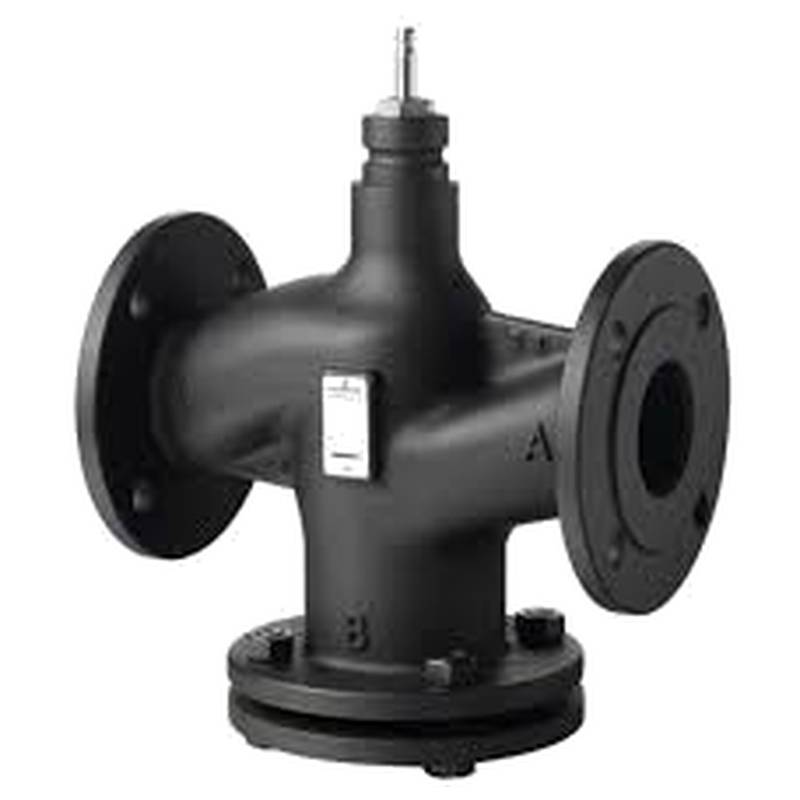













SIEMENS VGD20.403 Gas Safety Shut-off Valve DN40 2-Stage


The SIEMENS VGD20.403 Gas Safety Shut-off Valve, DN40, 2-Stage, stands as a critical component for ensuring industrial gas safety. This valve offers robust protection through its reliable two-stage closing mechanism, preventing uncontrolled gas flow and safeguarding personnel and equipment. Key technical parameters include a nominal diameter (DN) of 40mm, indicating its suitability for medium to large gas lines. The two-stage operation is a significant advantage, allowing for a controlled initial closure followed by a complete shut-off, thereby minimizing pressure surges and system shock. This design is crucial for applications requiring stringent safety protocols, such as in power generation, chemical processing, and large-scale heating systems. Its durable construction and adherence to stringent safety standards make it a preferred choice for demanding industrial environments.
The SIEMENS VGD20.403 distinguishes itself through its advanced safety features and Siemens' renowned engineering precision. Its core strength lies in its two-stage closing function, a technological differentiator that enhances system stability and reduces wear compared to single-stage valves. This feature is particularly valued in industries where operational continuity and safety are paramount, positioning the VGD20.403 as a premium solution in the gas safety valve market. The valve is engineered for high reliability, minimizing the risk of failure and ensuring compliance with rigorous international safety directives.
This 2-stage gas safety shut-off valve is ideally suited for a variety of industrial applications where the secure control of fuel gas is essential. It plays a vital role in industrial burners and boilers, ensuring that gas supply is safely interrupted in case of abnormal conditions, such as flame failure or over-pressure. Its DN40 size makes it appropriate for installations requiring substantial gas flow rates in sectors like manufacturing, food processing, and commercial building services. The valve's robust design also makes it suitable for environments with challenging operating conditions, where consistent and reliable performance is non-negotiable.
System integration of the SIEMENS VGD20.403 involves careful consideration of gas type, operating pressure, and flow rate to ensure optimal performance and safety. The valve typically requires electrical actuation, connecting to a safety control system that monitors gas pressure and burner status. Proper installation involves securely mounting the valve in the gas line, ensuring correct orientation as per manufacturer guidelines, and connecting the electrical supply for the tripping mechanism. It is imperative to follow the detailed wiring diagrams provided in the technical documentation to ensure correct engagement with the safety interlock circuits. Commissioning should always be performed by qualified personnel, including leak testing and functional checks of both the manual and automatic shut-off capabilities.
Operation of the SIEMENS VGD20.403 is designed for fail-safe closure, meaning it automatically shuts off the gas supply when power is lost or a safety signal is received. The two-stage closing mechanism ensures that the valve closes gradually upon receiving a signal, preventing sudden pressure drops or surges that could destabilize the system. To mitigate risks, regular maintenance and inspection are crucial, including checking for external damage, ensuring the manual reset mechanism functions correctly, and verifying the integrity of the electrical connections. Understanding common fault codes or indicator lights, if present, is also important for swift troubleshooting.
The SIEMENS VGD20.403 offers significant long-term value through its durable construction and compatibility with Siemens' broader industrial automation portfolio. While the valve itself is a specific safety component, its integration into a larger Siemens control system can facilitate scalability and future upgrades. Compatibility with digital platforms and Industrial Internet of Things (IIoT) solutions is often achieved through the overarching control system to which the VGD20.403 is connected, enabling remote monitoring and diagnostics. This ensures that the safety infrastructure remains effective and can be enhanced as operational demands or digital integration strategies evolve.
*
FAQs about SIEMENS VGD20.403 Gas Safety Shut-off Valve DN40 2-Stage
Q1: What is the primary function of the SIEMENS VGD20.403?
The SIEMENS VGD20.403 is a gas safety shut-off valve designed to automatically and safely interrupt the flow of gas. It is engineered with a critical two-stage closing mechanism. This ensures reliable protection in industrial gas applications.
This valve plays a crucial role in preventing hazardous situations by quickly isolating the gas supply when safety parameters are breached. Its robust design ensures dependable operation even under demanding industrial conditions. It adheres to strict safety standards.
The primary objective is to safeguard personnel, equipment, and facilities from potential gas leaks or combustion-related incidents. This makes it an essential component in any industrial gas train.
Q2: What does "DN40 2-Stage" signify for this valve?
"DN40" refers to the nominal diameter of the valve's connections, indicating it is designed for pipes with a 40mm internal diameter. This size is suitable for handling medium to large gas volumes in industrial settings. "2-Stage" denotes its unique closing mechanism, which involves two distinct steps for gas shut-off.
The two-stage closing is a significant safety feature. It allows for a controlled initial closure, followed by a complete and final shut-off. This staged approach helps to minimize pressure surges and water hammer effects within the gas piping system.
This design enhancement provides a more stable and less disruptive shutdown compared to single-stage valves. It contributes to the overall longevity of connected piping and equipment by reducing mechanical stress.
Q3: In which industrial applications is the SIEMENS VGD20.403 typically used?
This valve is extensively used in applications requiring stringent gas safety control, such as in industrial burners, boilers, and furnaces. It is critical for systems that utilize fuel gases like natural gas or LPG. Its DN40 size suits applications with substantial gas flow requirements.
Sectors benefiting from its reliability include power generation, chemical processing, food manufacturing, and large commercial heating systems. It ensures that gas supply is safely interrupted during abnormal operating conditions. This prevents potentially dangerous scenarios.
The VGD20.403 is also deployed in gas distribution networks and as a safety component in gas trains for various industrial processes. Its robust construction makes it suitable for challenging environments where consistent performance is vital.
Q4: How is the SIEMENS VGD20.403 installed and commissioned?
Installation requires careful consideration of the gas line's orientation and flow direction, ensuring the valve is securely mounted and properly sealed. Electrical connections must be made by qualified personnel to the safety control system or ignition controller. Following the manufacturer's detailed wiring diagrams is paramount.
Commissioning involves a thorough functional test of the valve's operation, including both manual reset and automatic shut-off capabilities. Leak testing of all connections and the valve body is essential to confirm system integrity. The gas supply pressure and flow rate must be verified to be within the valve's specified operating range.
It is imperative that installation and commissioning are performed by certified technicians familiar with industrial gas systems and safety regulations. This ensures the valve operates as intended and provides the necessary safety protection.
Q5: What are the key advantages of a 2-stage shut-off valve like the VGD20.403?
The primary advantage is enhanced system stability due to the controlled closure sequence. This gradual shut-off minimizes pressure spikes and shock waves, protecting downstream equipment and piping from potential damage. It leads to smoother system operation.
Secondly, the two-stage mechanism offers an additional layer of safety. By closing in two distinct phases, it provides a more reliable and secure shutdown, reducing the likelihood of residual gas flow or partial closure issues. This redundancy is crucial for high-risk applications.
Finally, this staged approach can contribute to reduced wear and tear on the valve and connected components. The less abrupt shut-off leads to a longer service life for the valve and associated equipment, offering better long-term economic value.
Q6: How does the SIEMENS VGD20.403 ensure operational safety?
The valve incorporates a fail-safe design, meaning it automatically closes when power is removed or a safety interlock signal is received from the control system. This ensures that gas flow is interrupted immediately in critical situations. The two-stage closing further enhances safety by controlling the rate of closure.
Regular maintenance and inspection are crucial for maintaining operational safety. This includes periodic checks for external damage, ensuring the manual reset lever functions correctly, and verifying the integrity of electrical connections. Performing functional tests confirms its readiness.
Understanding and responding to any fault indications or error codes is also vital for risk mitigation. Promptly addressing issues identified during operation ensures the continuous safe performance of the gas system.
Q7: Can the SIEMENS VGD20.403 be integrated with modern IIoT or digital platforms?
Direct integration of the VGD20.403 with IIoT platforms is typically facilitated through the broader Siemens control system or safety instrumentation to which it is connected. The valve itself is a mechanical and electrical safety device, but its status and operation can be monitored and logged by advanced automation systems. This allows for remote data acquisition.
Digital integration enables features like remote diagnostics, performance monitoring, and predictive maintenance alerts based on valve operational data. This enhances overall system manageability and provides valuable insights into operational efficiency and potential issues. Such integration requires compatible digital interfaces.
By connecting to a Siemens PLC or DCS system, the VGD20.403 can become part of a connected enterprise. This allows for seamless data flow and enhanced control capabilities, aligning with Industry 4.0 initiatives and smart manufacturing strategies.
Q8: What are common troubleshooting issues with gas safety shut-off valves?
One common issue is failure to open or close completely, which can be caused by debris in the gas line, mechanical obstruction, or faulty electrical actuation. It's crucial to check for blockages and ensure the control signal is correctly received. Resetting the valve after a trip is a standard procedure.
Another issue can be persistent tripping of the safety mechanism. This often indicates an underlying problem in the controlled process, such as flame failure, excessive pressure, or a fault in the control system itself, rather than a valve defect. A comprehensive system review is needed.
Leaks can also occur, either from the valve seat or from the connections. This necessitates immediate attention, including leak testing and potential valve seat refurbishment or replacement. Ensuring proper installation and using appropriate sealing materials is key to preventing leaks.
Q9: What maintenance is required for the SIEMENS VGD20.403?
Routine maintenance typically involves visual inspection for external damage, corrosion, or loose connections. The manual reset mechanism should be tested periodically to ensure it operates smoothly and engages correctly. Functionality checks should confirm both normal operation and safe shut-off.
Periodic functional testing of the entire safety chain is critical. This includes verifying the valve's response to simulated fault conditions and ensuring it shuts off the gas supply within the specified time limits. Detailed records of all maintenance activities should be kept.
The valve's internal components may require servicing or replacement after a certain operational period or if performance degrades, based on manufacturer recommendations. Following Siemens' service guidelines is essential for maintaining its safety integrity and operational lifespan.
Q10: Where can I find the official technical specifications and documentation for the VGD20.403?
The most accurate and comprehensive technical specifications, installation manuals, and operating instructions for the SIEMENS VGD20.403 are available directly from Siemens. This information is typically found on their official website, often within the product support or downloads section for industrial automation components. Accessing official documentation is vital for correct application.
You can also obtain these documents through authorized Siemens distributors or sales partners. They are equipped to provide technical assistance and ensure you receive the latest revisions of manuals and datasheets. Direct contact with their technical support is also an option.
Always ensure you are referencing the most up-to-date documentation to guarantee correct installation, commissioning, and operation, as well as to comply with all relevant safety standards and regulations. This prevents errors and ensures optimal performance.