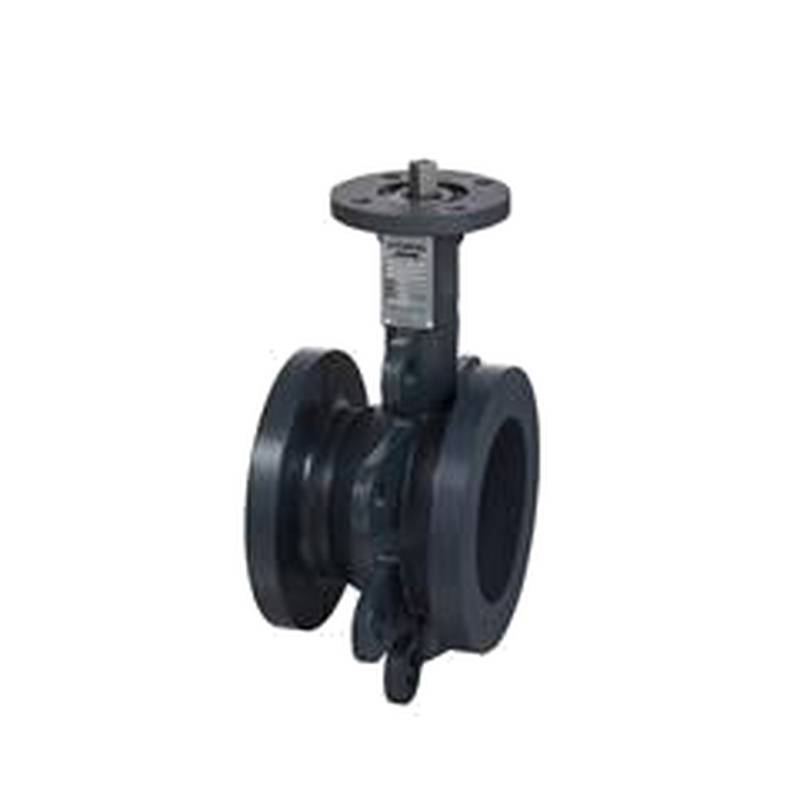












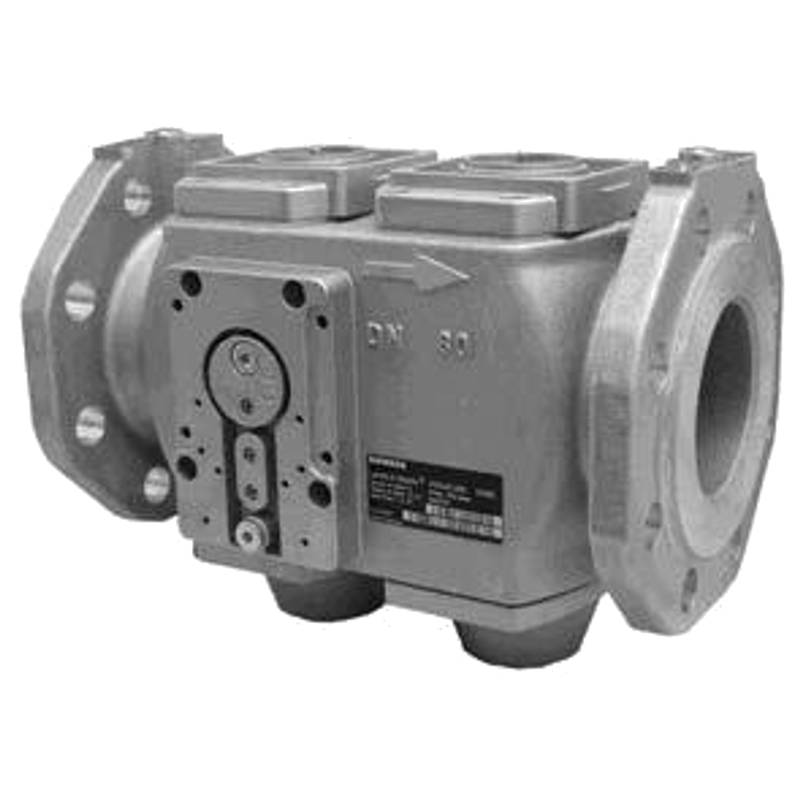
SIEMENS VGD40.100U Double Gas Valve DN100 Industrial


The SIEMENS VGD40.100U Double Gas Valve DN100 Industrial is a high-performance, reliable solution for critical gas control applications. This double gas valve offers exceptional safety and precise regulation, making it a cornerstone in various industrial processes. Its robust design ensures longevity and operational integrity, even in demanding environments. Key advantages include its redundant safety mechanism, high flow capacity, and seamless integration capabilities. The VGD40.100U features a nominal diameter (DN) of 100mm, a maximum operating pressure of up to 100 mbar, and is designed for natural gas and town gas applications. It also boasts a fast-acting shut-off function, crucial for emergency situations.
| Feature | Specification |
| :----------------------- | :-------------------------------------------- |
| Product Type | Double gas valve |
| Manufacturer | Siemens |
| Model Number | VGD40.100U |
| Nominal Diameter (DN) | 100 mm |
| Maximum Operating Pressure | 100 mbar |
| Connection Type | Flanged (according to EN 1092-1 PN16) |
| Gas Type Compatibility | Natural gas, town gas, LPG, non-corrosive gases |
| Actuator Type | Integrated, with spring return |
| Electrical Connection | Screw terminals |
| Protection Class | IP54 |
| Ambient Temperature | -20 °C to +60 °C |
| Approvals | CE |
The SIEMENS VGD40.100U distinguishes itself through its double-valve design, providing a high level of operational safety and redundancy. This feature is paramount in industries where gas leak prevention is critical. The valve's fast shut-off capability, typically in the order of seconds, ensures rapid response to abnormal conditions, minimizing potential hazards. Market positioning for the VGD40.100U is firmly within the high-reliability, safety-critical gas control segment. Its integrated actuator simplifies installation and reduces the need for external components, offering a more compact and efficient solution compared to systems requiring separate actuators. Siemens' reputation for quality and robust engineering further solidifies its place as a trusted choice for industrial gas handling.
Key application scenarios for the SIEMENS VGD40.100U Double Gas Valve DN100 Industrial encompass a wide range of demanding industries. It is extensively used in industrial combustion systems, including boilers, furnaces, and thermal oxidizers, where precise and safe gas supply is essential for efficient operation and emissions control. The valve is also a critical component in gas supply networks and distribution systems, ensuring the secure and controlled flow of gas to various industrial processes. Furthermore, it finds application in power generation facilities and in the chemical processing industry, particularly in areas where flammable or hazardous gases are handled. Its DN100 size makes it suitable for medium to high-flow rate applications.
Practical system integration of the SIEMENS VGD40.100U involves careful consideration of its electrical connections and mechanical mounting. The valve is typically equipped with screw terminals for the electrical connection of the actuator, facilitating straightforward wiring to control systems. Installation requires adherence to relevant piping standards, ensuring proper alignment and support for the DN100 flanged connection. Commissioning involves checking the valve's functionality, including its opening and closing times, and verifying its response to control signals. It is crucial to ensure the gas line is purged and free of debris before connecting the valve to prevent internal damage.
Operation and risk mitigation with the SIEMENS VGD40.100U Double Gas Valve DN100 Industrial are centered on its inherent safety features. The double-valve design inherently provides a safety shut-off should one valve fail. Regular maintenance, including periodic testing of the shut-off function and inspection of seals, is vital to ensure continued safe operation. In case of faults, error codes may be indicated by the integrated actuator's status lights or transmitted via the control system, depending on the specific model configuration and integration. Common troubleshooting might involve checking power supply, control signals, and ensuring no blockages are present in the gas line, which could impede valve operation.
Scalability and long-term value of the SIEMENS VGD40.100U are enhanced by its compatibility with Siemens' broader automation platforms, such as SIMATIC. This allows for seamless integration into existing or new industrial control systems, facilitating centralized monitoring and management. The robust construction and high-quality materials used in the VGD40.100U ensure a long service life, reducing the total cost of ownership. For facilities looking to embrace Industry 4.0 principles, the valve can be integrated with IIoT solutions, enabling predictive maintenance, remote diagnostics, and optimized process control, thus maximizing its long-term value and operational efficiency.
Frequently Asked Questions:
What is the primary function of the SIEMENS VGD40.100U?
The SIEMENS VGD40.100U serves as a critical safety component for controlling gas flow. It ensures reliable and precise regulation of natural gas and other industrial gases. Its double-valve design provides redundant shut-off capabilities for enhanced safety.
This industrial gas valve is designed for secure operation in demanding environments. It is a key element in preventing unintended gas releases and maintaining process integrity. The valve's quick-acting mechanism is vital for emergency response scenarios.
The VGD40.100U is integral to systems requiring high safety standards. It is commonly found in combustion equipment and gas distribution networks. Its robust construction guarantees long-term performance.
What are the key technical specifications of the SIEMENS VGD40.100U?
The SIEMENS VGD40.100U features a DN100 nominal diameter and supports a maximum operating pressure of 100 mbar. It is compatible with natural gas, town gas, and LPG. The valve has a flanged connection compliant with EN 1092-1 PN16.
It incorporates an integrated, spring-return actuator for fast shut-off. The electrical connection is made via screw terminals, and it offers an IP54 protection class. Ambient operating temperatures range from -20 °C to +60 °C.
This valve is approved by CE, signifying its compliance with European safety standards. Its technical design prioritizes reliability and operational safety in industrial gas applications.
How does the double-valve design of the SIEMENS VGD40.100U enhance safety?
The double-valve design incorporates two independent shut-off elements within a single housing. This redundancy means that if one valve fails to seal, the other can still prevent gas flow. It provides a critical safety layer against leaks.
This configuration significantly reduces the risk of gas escape in critical industrial processes. It offers peace of mind in environments where gas safety is paramount. The system is designed to fail-safe, closing automatically upon loss of power or signal.
The simultaneous closure of both valves ensures rapid and secure gas interruption. This feature is essential for emergency shutdown procedures and safeguarding personnel and equipment.
What types of gases can the SIEMENS VGD40.100U handle?
The SIEMENS VGD40.100U is designed to handle various fuel gases, including natural gas and town gas. It is also suitable for liquefied petroleum gas (LPG) and other non-corrosive industrial gases. This versatility makes it applicable across many industries.
Its material composition and sealing are optimized for these specific gas types. This ensures durability and leak-free operation over its service life. Always confirm specific gas compatibility with Siemens documentation if uncertain.
Proper selection of gas media is crucial for valve longevity and performance. Using incompatible gases could lead to premature wear or system failure. Consult the product datasheet for detailed compatibility information.
What is the typical pressure rating for this valve?
The SIEMENS VGD40.100U has a maximum operating pressure rating of 100 mbar. This specification is crucial for system design and ensuring the valve operates within its intended safe limits. Exceeding this pressure can cause damage or malfunction.
This pressure rating is common for low-pressure gas distribution and industrial burner applications. It allows for safe and controlled gas delivery without over-pressurization risks. Always verify system pressure against valve specifications.
System designers must ensure that the upstream and downstream pressures remain within the 100 mbar limit for optimal performance. Maintaining appropriate pressure is key to the valve's efficiency and lifespan.
What are the connection details for the SIEMENS VGD40.100U?
The SIEMENS VGD40.100U features flanged connections that comply with the EN 1092-1 PN16 standard. This standardized flange size of DN100 ensures compatibility with a wide range of industrial piping systems. Proper flange gasket selection is important.
These flanged connections allow for secure and leak-tight assembly to the gas piping. The PN16 rating indicates the pressure class the flange can withstand. Installation requires appropriate bolting and torque procedures.
Using the correct flange type and ensuring proper alignment during installation is critical. This prevents stress on the piping and ensures the integrity of the gas seal. Consult piping codes for correct installation practices.
How is the actuator for the VGD40.100U powered and controlled?
The actuator for the SIEMENS VGD40.100U is typically electrically powered. It utilizes an integrated design with a spring return mechanism, ensuring fast shut-off upon power loss or control signal interruption. Control is achieved via electrical signals to the actuator.
Electrical connections are made through screw terminals, allowing for straightforward integration into industrial control panels. Wiring should follow the provided schematic to ensure correct operation of opening, closing, and safety functions. Proper grounding is essential.
The actuator's performance is dependent on a stable power supply and accurate control signals from the plant's automation system. Understanding the voltage and signal requirements is key to successful commissioning and operation.
What safety features are incorporated into the VGD40.100U?
The primary safety feature is its double-valve design, offering redundant shut-off. It also includes a fast-acting shut-off mechanism, typically spring-loaded, for rapid closure in emergencies. The valve is designed to fail-safe.
Its construction adheres to strict industrial safety standards, such as CE certification. The robust design minimizes the potential for mechanical failure, contributing to overall system safety. Regular maintenance ensures these features remain effective.
The IP54 protection class indicates resistance to dust and splashing water, enhancing its suitability for harsh industrial environments. This helps prevent ingress that could compromise internal safety mechanisms.
Can the SIEMENS VGD40.100U be integrated with modern automation systems?
Yes, the SIEMENS VGD40.100U is designed for seamless integration with modern industrial automation and control systems. Its electrical interface allows it to be connected to PLCs and DCS. This enables remote monitoring and control.
Compatibility with platforms like Siemens' own SIMATIC systems is a key advantage. This facilitates advanced diagnostics, data logging, and integration into IIoT and Industry 4.0 initiatives for predictive maintenance and optimization.
By connecting to SCADA or HMI systems, operators can monitor valve status, flow rates, and trigger manual shutdowns if necessary. This connectivity enhances operational visibility and efficiency.
What are typical maintenance requirements for this valve?
Regular visual inspections for external damage or leaks are recommended. Periodic functional testing of the shut-off mechanism ensures its reliable operation in safety-critical situations. Refer to the service manual for detailed schedules.
Cleaning of external surfaces may be required to prevent buildup of contaminants that could affect components. In some cases, periodic lubrication of moving parts might be necessary, depending on the operating environment and duration of use.
Over time, seals may degrade and require replacement to maintain leak-tightness. While the valve is designed for longevity, adherence to a maintenance schedule will maximize its operational life and safety performance.