











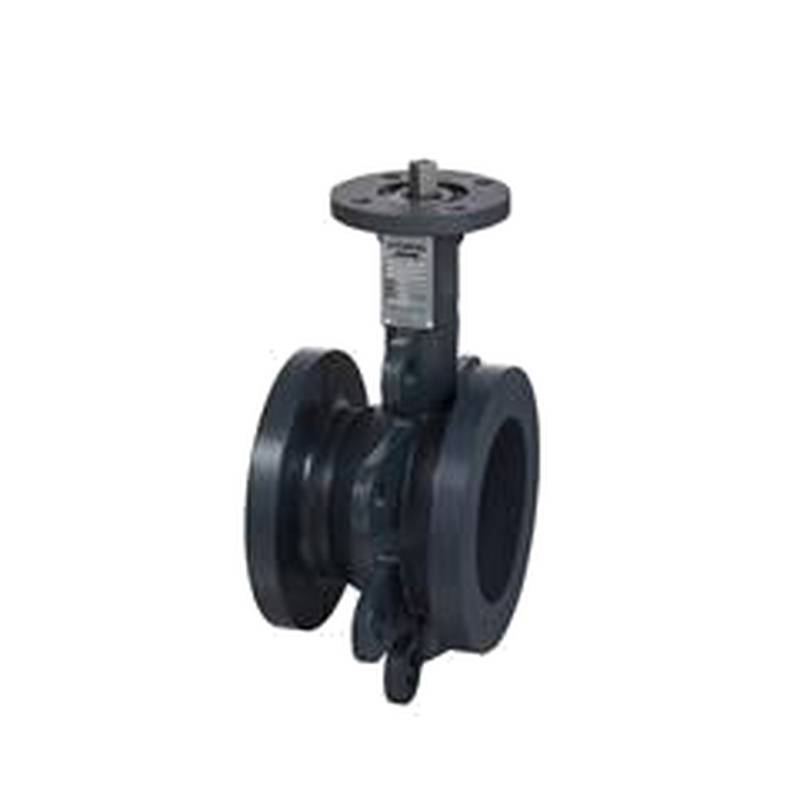
SIEMENS VAI51.15-4 Two-Way Ball Valve DN15 kvs 4 High Pressure


The SIEMENS VAI51.15-4 Two-Way Ball Valve, a DN15 unit with a kvs of 4, is engineered for high-pressure industrial applications, offering robust control and reliability. This valve stands out with its superior sealing capabilities, precise flow regulation, and durable construction designed to withstand demanding operational environments. Its compact design and high-pressure rating make it an ideal solution for critical process control where performance and longevity are paramount. The VAI51.15-4 is built for demanding industrial settings, ensuring consistent performance and minimal maintenance. Key technical parameters include a nominal diameter (DN) of 15, a flow coefficient (kvs) of 4, and a high-pressure rating, signifying its capacity for robust fluid management.
Product Specifications
| Specification | Value |
| :--------------------- | :-------------------------- |
| Product Type | Two-Way Ball Valve |
| Manufacturer | Siemens |
| Model Number | VAI51.15-4 |
| Nominal Diameter (DN) | 15 |
| Flow Coefficient (kvs) | 4 |
| Connection Type | Flanged/Threaded (Specific model dependent) |
| Actuation | Electric/Pneumatic (Actuator sold separately) |
| Pressure Rating | High Pressure (Specific rating varies) |
| Temperature Range | Industrial Operating Range |
| Material | Stainless Steel/Ductile Iron (Body/Ball) |
| Sealing Class | High Leakage Tightness |
Core Features & Market Positioning
The SIEMENS VAI51.15-4 distinguishes itself in the high-pressure valve market through its exceptional sealing technology, ensuring minimal leakage even under extreme conditions. This precision engineering translates to enhanced process efficiency and reduced operational losses. Its robust construction, often featuring durable materials like stainless steel for the ball and stem, provides superior resistance to corrosion and wear, extending service life in aggressive media and environments. Compared to conventional valves, the VAI51.15-4 offers more accurate and responsive flow control, crucial for applications requiring tight process parameter adherence. Its market positioning is that of a premium, high-reliability component for critical control loops where downtime is costly and performance must be guaranteed.
Key Application Scenarios
This high-pressure two-way ball valve finds extensive use in demanding industrial sectors such as chemical processing, petrochemical refining, and power generation. In chemical plants, it is vital for precise control of reactive fluid flows and safe handling of hazardous substances, where its high-pressure capability and reliable sealing are indispensable. Petrochemical facilities utilize the VAI51.15-4 for controlling feedstocks, intermediate products, and finished fuels under challenging pressure and temperature regimes. Furthermore, in power generation, it plays a role in managing steam, water, and auxiliary fluid systems, contributing to operational stability and safety. Its DN15 size and kvs of 4 make it suitable for medium-flow, high-precision control points within these complex industrial systems.
Practical System Integration Guidance
Integrating the SIEMENS VAI51.15-4 requires careful attention to ensure optimal performance and safety. Proper actuator selection is crucial, as the valve is typically supplied without one; compatibility with the chosen actuator's torque, speed, and control signals (e.g., 0-10V, 4-20mA) must be verified. Installation should adhere to relevant industrial standards, ensuring correct flange or thread alignment and tightening to prevent leaks, especially under high-pressure conditions. For electrical actuators, correct wiring according to the manufacturer's diagram is paramount, paying close attention to power supply, control input, and feedback signals if applicable. Commissioning involves verifying the valve's full range of motion and calibrating its response to control signals, ensuring accurate positioning and flow regulation.
Operation and Risk Mitigation
Safe and efficient operation of the SIEMENS VAI51.15-4 hinges on understanding its operational envelope and implementing appropriate risk mitigation strategies. Users must ensure that operating pressures and temperatures remain within the specified limits for the valve and its associated components to prevent catastrophic failure. Regular inspection for signs of wear, corrosion, or external damage is essential. In case of abnormal operation, such as sluggish movement or leakage, immediate investigation is required. While specific fault codes are actuator-dependent, general troubleshooting for ball valves involves checking for obstructions, actuator malfunction, or incorrect system pressure. Implementing a robust preventative maintenance schedule significantly reduces the risk of unexpected downtime and potential safety hazards.
Scalability & Long-Term Value
The SIEMENS VAI51.15-4 offers significant long-term value through its durable design and compatibility with modern industrial control platforms. Its robust construction minimizes the need for frequent replacements, contributing to lower total cost of ownership. While the valve itself is a specific component, its integration into larger automated systems allows for flexibility. As industrial processes evolve, the VAI51.15-4 can be recalibrated or paired with advanced digital actuators and control systems. This adaptability ensures it remains a valuable asset, capable of integrating with Industrial Internet of Things (IIoT) solutions for enhanced monitoring, diagnostics, and predictive maintenance, thereby future-proofing process operations.
FAQs
What is the primary function of the SIEMENS VAI51.15-4?
This valve serves as a high-pressure, two-way flow control device. It precisely regulates the volume of fluid passing through a pipeline. Its design ensures reliable operation in demanding industrial settings.
Its primary role is to open, close, or modulate fluid flow. The DN15 size and kvs 4 rating indicate its suitability for specific flow rates and control precision. It's built for robust, long-term performance.
This ball valve is essential for maintaining process integrity and efficiency. It contributes to safety by preventing uncontrolled fluid release under pressure. Its application spans critical industrial processes.
What are the main advantages of using a SIEMENS VAI51.15-4 ball valve?
A key advantage is its high-pressure capability, allowing for use in demanding applications. It offers excellent sealing performance, minimizing leakage and product loss. Its robust construction ensures longevity.
The valve provides precise flow control, crucial for optimized process parameters and efficiency. This precision helps in reducing waste and energy consumption. It contributes to overall system stability.
Its reliability in harsh industrial environments is a significant benefit. The Siemens brand is associated with quality and durability, offering peace of mind. It reduces maintenance requirements over its lifespan.
What industries commonly utilize the SIEMENS VAI51.15-4?
This valve is frequently employed in chemical processing industries. It's essential for controlling reactive and hazardous fluid flows safely. Its high-pressure rating is critical here.
Petrochemical and oil & gas sectors also heavily rely on this valve. It manages feedstocks and products under extreme conditions. Its robust build withstands corrosive elements.
Power generation facilities use it for steam and water systems. Its reliable operation ensures continuous power production. It's also found in HVAC systems requiring precise fluid control.
What is the significance of DN15 and kvs 4 for this valve?
DN15 denotes the nominal diameter, indicating the valve's size and flow path. A size of 15mm is suitable for medium-sized pipelines and specific flow capacities. It dictates physical pipe compatibility.
Kvs 4 is the flow coefficient, measuring the volume of water in m³/h at a 1-bar pressure drop. A kvs of 4 signifies a moderate flow capacity for control applications. It's key for sizing and performance calculations.
Together, DN15 and kvs 4 define the valve's flow characteristics and application range. This combination is optimized for precise regulation in many industrial control loops. It helps engineers select the correct valve for process needs.
Are there specific material considerations for the SIEMENS VAI51.15-4?
The body and ball are typically constructed from high-grade materials like stainless steel or ductile iron. These materials offer excellent resistance to corrosion and wear. Specific media compatibility should always be confirmed.
The sealing components, such as seat rings, are critical for performance. They are often made of resilient materials like PTFE or PEEK. These ensure tight shut-off and durability under pressure.
Material selection is paramount for valve longevity and process safety. It directly impacts resistance to the specific chemicals or fluids being handled. Always consult product datasheets for exact material specifications.
How is the SIEMENS VAI51.15-4 typically actuated?
This valve model usually requires a separate actuator. Common actuation methods include electric and pneumatic systems. The choice depends on process requirements and available utilities.
Electric actuators offer precise control and can be easily integrated with automation systems. They are suitable for applications needing fine flow modulation and remote operation. Their positioning feedback is often digital.
Pneumatic actuators are known for their speed and robustness, ideal for fast shut-off applications. They are often chosen in environments where electrical components may be hazardous. They require a compressed air supply.
What are common installation best practices for this valve?
Ensure the valve is installed in the correct flow direction if applicable. Proper alignment with piping is essential to prevent undue stress. Gasket selection and flange bolt torque are critical for high-pressure integrity.
Always isolate the system and depressurize before installation. Cleanliness of mating pipe surfaces is crucial to avoid damaging valve seats or seals. Follow manufacturer guidelines for support and bracing if needed.
Verify that the chosen actuator is correctly mounted and aligned with the valve stem. Ensure all electrical or pneumatic connections are secure and properly made according to schematics.
How do I troubleshoot common issues with the SIEMENS VAI51.15-4?
If the valve does not open or close fully, check the actuator for proper function and power supply. Inspect for any physical obstructions within the valve or piping. Verify system pressure is within operational limits.
Leakage issues can stem from worn seals or damaged valve seats. Ensure the valve is fully closed and that system pressure is not exceeding its rating. Inspect for foreign debris trapped in the sealing area.
Sluggish operation might indicate low actuator power, insufficient air pressure (for pneumatic), or internal friction. Check lubrication, actuator condition, and ensure no binding is occurring.
What is the typical lifespan and maintenance schedule for this valve?
The lifespan is highly dependent on the application, media, and operating conditions. With proper installation and regular maintenance, these valves can last many years. Harsh environments or abrasive media will reduce lifespan.
A recommended maintenance schedule typically includes periodic visual inspections for leaks and external damage. Check actuator performance and electrical/pneumatic connections. Lubrication may be required depending on the actuator type.
More intensive checks, such as seat and seal integrity testing, should be performed as per operational experience and manufacturer recommendations. Preventative maintenance is key to avoiding costly downtime and failures.
Can the SIEMENS VAI51.15-4 be integrated with smart or IIoT systems?
Yes, by using compatible intelligent actuators with digital communication interfaces. These actuators can transmit operational data like position, status, and diagnostics. This enables remote monitoring and control.
Integration allows for advanced features like predictive maintenance and performance optimization. Data from the valve can feed into plant-wide SCADA or DCS systems. This enhances overall operational awareness.
Siemens offers a range of actuators and control modules designed for such integrations. This ensures seamless connectivity with modern digital industrial environments and IIoT platforms.