











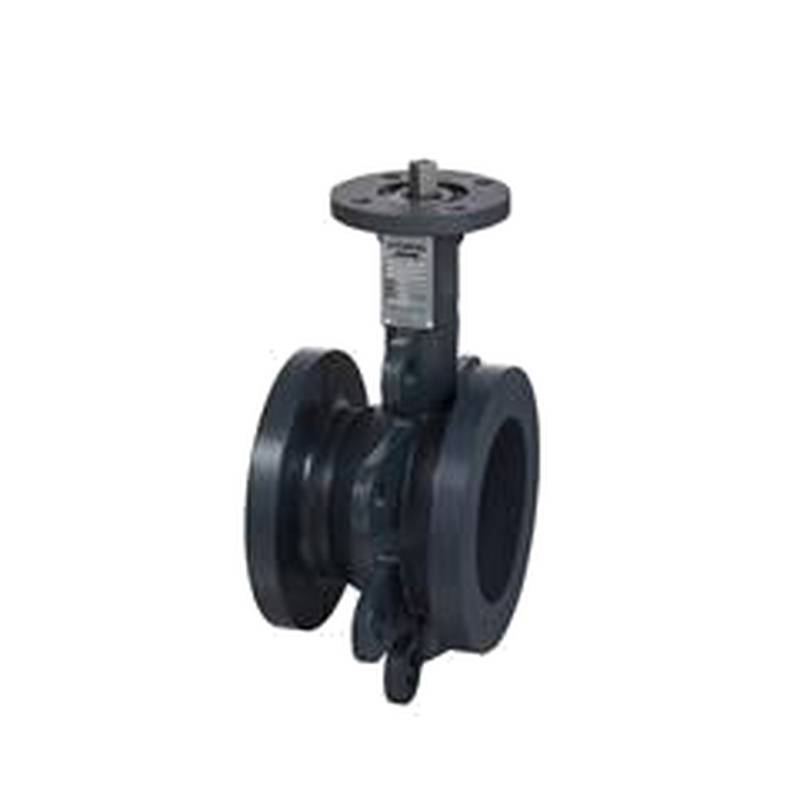
SIEMENS VAI51.20-10 Two-Way Ball Valve DN20 kvs 10 Threaded


The SIEMENS VAI51.20-10 Two-Way Ball Valve DN20 kvs 10 Threaded stands as a robust and precise fluid control solution engineered for demanding industrial applications. This valve excels through its reliable shut-off capabilities, durable construction, and straightforward integration, making it a preferred choice for HVAC systems, industrial process control, and building automation. Key advantages include its excellent sealing performance, resistance to wear, and ease of maintenance, all contributing to operational efficiency and longevity. Its core technical specifications, such as a nominal size (DN) of 20, a flow coefficient (kvs) of 10, and threaded connections, underscore its suitability for a range of fluid media and pressure conditions.
Product Specifications
| Specification | Value |
| :------------------- | :------------------------- |
| Product Type | Two-Way Ball Valve |
| Manufacturer | Siemens |
| Model Number | VAI51.20-10 |
| Nominal Diameter (DN)| 20 |
| Flow Coefficient (kvs)| 10 |
| Connection Type | Threaded |
| Material | [Information not found] |
| Operating Pressure | [Information not found] |
| Temperature Range | [Information not found] |
| Actuator Compatibility| [Information not found] |
Core Features & Market Positioning
The SIEMENS VAI51.20-10 distinguishes itself through its high-quality construction and Siemens' reputation for engineering excellence in industrial automation. This ball valve offers precise flow regulation and reliable shut-off, crucial for maintaining optimal system performance in critical applications. Its market positioning is as a dependable, mid-range valve that balances cost-effectiveness with robust functionality, suitable for users who prioritize long-term reliability over basic cost. The inherent design of a ball valve, with its quarter-turn operation and excellent sealing capabilities, positions the VAI51.20-10 as a superior alternative to traditional gate or globe valves in many scenarios where rapid shut-off and minimal pressure drop are essential.
Key Application Scenarios
This SIEMENS VAI51.20-10 Two-Way Ball Valve, DN20 kvs 10 Threaded, finds extensive use in HVAC systems for controlling chilled or hot water in heating and cooling circuits. It is also a vital component in industrial process lines for managing various fluid types, provided they are compatible with the valve's materials and operating limits. Furthermore, its application extends to building automation systems where precise control of water flow is necessary for comfort and energy management. The threaded connection simplifies installation in manifold systems and pipework where direct threading is standard practice.
Practical System Integration Guidance
Integrating the SIEMENS VAI51.20-10 typically involves ensuring compatibility of the threaded connections with the existing pipework, often using appropriate thread sealant to guarantee a leak-free seal. For automated applications, this valve is designed to be paired with compatible Siemens actuators, such as electric or pneumatic models, which facilitate precise positioning and control. Wiring for electric actuators usually involves a low-voltage signal (e.g., 24 VAC or 24 VDC) and may require configuration within a building management system (BMS) or a direct digital control (DDC) controller. Proper installation also means considering the flow direction, although ball valves are generally bidirectional.
Operation and Risk Mitigation
Safe operation of the SIEMENS VAI51.20-10 requires adherence to its specified operating parameters, including pressure and temperature limits. Regular inspection for external damage and signs of leakage is recommended. While ball valves are inherently robust, common issues can include actuator failure, which can often be diagnosed through indicator lights or system feedback. Ensuring proper installation to prevent over-tightening of threaded connections will mitigate the risk of thread damage or body distortion. For applications involving hazardous fluids, users must confirm material compatibility and implement appropriate safety protocols.
Scalability & Long-Term Value
The SIEMENS VAI51.20-10 offers good long-term value due to its durable design and Siemens' commitment to product lifecycle support. While this specific model is a discrete component, its integration into larger Siemens automation platforms, such as Desigo, allows for system-wide control and data acquisition. This enables scalability by allowing additional valves and actuators to be added to the network, managed centrally. Compatibility with industry-standard communication protocols, if supported by the associated actuator, further enhances its ability to integrate with emerging IIoT solutions and digital twins for predictive maintenance and performance optimization.
FAQs
What is the primary function of the SIEMENS VAI51.20-10 ball valve?
It serves as a precise shut-off and control device for fluid media. Its design allows for quick isolation of flow when needed.
This valve is essential for regulating the volume of liquids in automated systems. It ensures optimal performance in HVAC and industrial processes.
The VAI51.20-10 provides reliable operation, minimizing leaks and ensuring system integrity. Its robust construction guarantees a long service life.
What are the main technical specifications for the VAI51.20-10?
The valve features a DN20 nominal diameter and a kvs of 10. It uses threaded connections for installation.
These specifications indicate its capacity for a specific flow rate and pressure handling. The threaded end connections simplify plumbing integration.
This model is part of Siemens' range of industrial fluid control components. It is designed for specific, well-defined applications.
Where is the SIEMENS VAI51.20-10 typically installed?
Common installations are within HVAC systems for controlling heating and cooling water loops. It is also utilized in various industrial process fluid lines.
Building automation systems benefit from its precise flow regulation capabilities. Its threaded design is convenient for many pipework configurations.
The valve's versatility makes it suitable for applications requiring dependable on/off or throttling functions. It ensures efficient fluid management.
What type of actuators can be used with the VAI51.20-10?
It is compatible with Siemens' range of electric and pneumatic actuators. These provide the necessary motive force for operation.
Actuator selection depends on application requirements, such as torque, speed, and control signal type. Ensure compatibility with the specific actuator model.
Proper actuator pairing is crucial for precise control and reliable shut-off performance of the ball valve. Always consult Siemens documentation for validated combinations.
What is the maximum pressure rating for this valve?
Specific pressure ratings for the SIEMENS VAI51.20-10 are not detailed in readily available public specifications. Users must consult the official Siemens datasheet.
The kvs value of 10 suggests a certain flow capacity, which is related to pressure drop. However, this is not a direct pressure rating.
Always ensure the valve is operated within its designed environmental and fluid parameters for safety and longevity. Consult Siemens technical support if unsure.
Can this valve be used for steam applications?
The VAI51.20-10 is generally designed for liquid applications, such as water in HVAC systems. Steam often requires specialized valve designs.
Using this valve with steam may lead to premature failure or unsafe operating conditions. Steam's properties demand materials and seals resistant to high temperatures and thermal shock.
Always verify the valve's material compatibility and intended service with Siemens before attempting to use it with steam or other high-temperature fluids.
What are the advantages of a ball valve over other types?
Ball valves offer excellent tight shut-off capabilities and low pressure drop. They are also known for their durability and long operational life.
Their quarter-turn operation allows for rapid on/off control, which is highly efficient. This makes them suitable for frequent actuation.
Compared to gate valves, ball valves are more compact and provide better throttling control. They are less prone to stem leakage than globe valves.
How do I determine the correct actuator for the VAI51.20-10?
Consider the required torque for valve operation and the desired control signal (e.g., 0-10V, 4-20mA, digital). Also, assess the environmental conditions.
Siemens offers various actuator series designed to match their valve bodies. Refer to Siemens' product selection tools or contact their technical support for guidance.
Ensure the actuator's power supply and control interface are compatible with your existing automation system or controller for seamless integration.
What maintenance is typically required for the VAI51.20-10?
Routine visual inspections for leaks and external damage are recommended. Ensure actuators are functioning correctly and free from obstruction.
While ball valves are generally low-maintenance, periodic checks of seals and internal components might be necessary in critical applications. Refer to the manufacturer's service manual.
For automated systems, periodic calibration of the actuator and control loop may be beneficial to maintain optimal performance and accuracy.
Is the VAI51.20-10 suitable for aggressive chemicals?
The suitability for aggressive chemicals depends heavily on the valve's internal materials and seals, which are not specified here. Typically, standard industrial ball valves are for water or mild fluids.
Users must confirm the exact material composition of the valve body, ball, and seals. Then, cross-reference this with the chemical's properties and concentration.
If the valve is not rated for the specific chemical, significant damage, leakage, or safety hazards could result. Always consult Siemens for material compatibility charts.