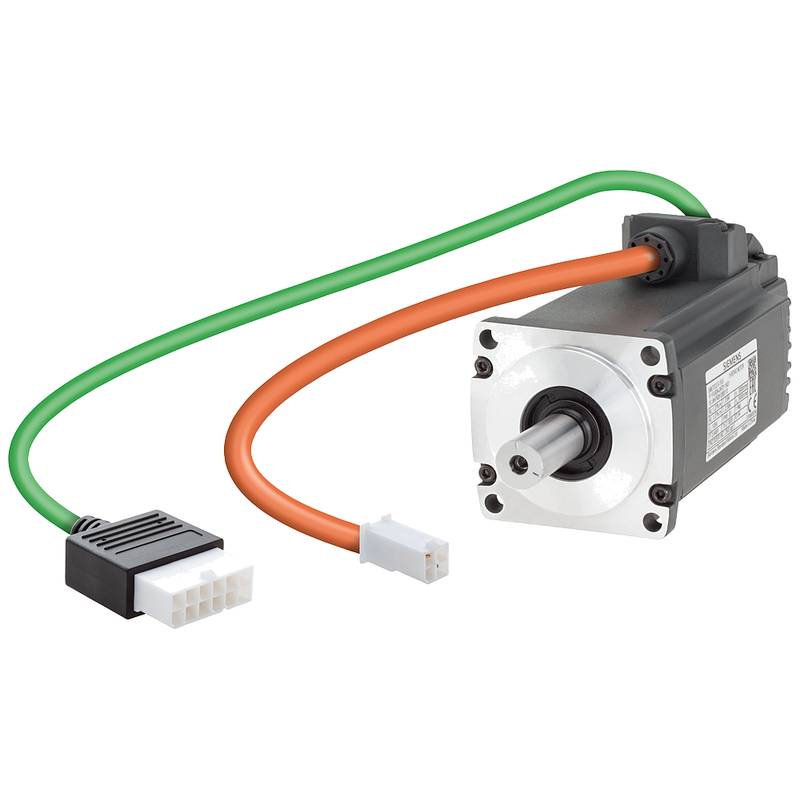













SIEMENS QFA2079 Room Humidity and Temperature Sensor


The SIEMENS QFA2079 Room Humidity and Temperature Sensor offers precise environmental monitoring for HVAC and building automation systems. This advanced sensor boasts a wide operating temperature range of -30 to +70 °C and a humidity measurement range of 0 to 100% RH, ensuring reliable performance across diverse conditions. Its analog output signals (0-10 V for temperature, 0-10 V for humidity) provide seamless integration into existing control infrastructure. Key advantages include its robust design for industrial environments and its ability to deliver accurate, real-time data critical for maintaining optimal indoor air quality and energy efficiency.
| Specification | Value |
| :----------------------- | :--------------------------------------- |
| Product Type | Room Humidity and Temperature Sensor |
| Model | QFA2079 |
| Operating Temperature | -30 to +70 °C |
| Humidity Measurement | 0 to 100% RH |
| Output Signal (Temp) | 0-10 V DC |
| Output Signal (Humidity) | 0-10 V DC |
| Power Consumption | Typically < 1 VA |
| Enclosure Protection | IP30 (in installed state) |
| Dimensions | Approx. 75 x 75 x 30 mm |
Core Features & Market Positioning
The SIEMENS QFA2079 stands out due to its dual-sensing capability, consolidating both temperature and humidity measurements into a single, compact unit. This integration simplifies installation and reduces the number of required devices within a building management system (BMS). Its factory calibration ensures immediate accuracy upon deployment, minimizing commissioning time. The sensor's passive design, relying on external power from the control system, contributes to its energy efficiency and straightforward integration. SIEMENS' reputation for reliability and advanced sensor technology positions the QFA2079 as a preferred choice for professionals seeking dependable environmental control.
Key Application Scenarios
This sensor is indispensable in a variety of commercial and industrial settings where precise environmental control is paramount. It is frequently employed in HVAC systems for offices, hospitals, and laboratories to maintain optimal comfort levels and air quality, preventing issues like mold growth or excessive dryness. In data centers, the QFA2079 helps regulate temperature and humidity to protect sensitive electronic equipment from damage. Furthermore, its application extends to museums and archives for preserving delicate artifacts and to manufacturing facilities where specific atmospheric conditions are critical for production processes.
Practical System Integration Guidance
Integrating the SIEMENS QFA2079 into a BMS is facilitated by its standard analog output signals. The temperature sensor output is typically wired to a dedicated analog input on a controller, calibrated to the 0-10 V DC range, which maps to the -30 to +70 °C operational spectrum. Similarly, the humidity sensor output is connected to another analog input, scaled for 0-100% RH. Ensure that the controller's power supply meets the sensor's requirements, typically 15-35 V DC or 24 V AC. Proper wiring, avoiding signal interference with shielded cables, is crucial for accurate readings. For advanced BMS platforms, the analog values can be further processed for sophisticated control algorithms.
Operation and Risk Mitigation
The QFA2079 operates passively, transmitting real-time temperature and humidity data to a connected building automation system. Users should ensure the sensor is installed in an area representative of the desired environmental conditions, avoiding direct sunlight, drafts, or proximity to heat sources or humidifiers, which could lead to inaccurate readings. Regular checks of the analog output signals against known environmental conditions can help identify potential sensor drift or faults. While the sensor itself has robust construction, maintaining the enclosure's integrity (IP30) is important to protect against dust and physical damage. No specific error codes are typically generated by the sensor; instead, anomalies are usually detected as out-of-range analog signals by the connected controller.
Scalability & Long-Term Value
The SIEMENS QFA2079 offers excellent scalability due to its reliance on standard analog output signals, ensuring compatibility with a wide array of existing and future building automation systems. As facilities expand or upgrade their control infrastructure, multiple QFA2079 sensors can be easily incorporated into the expanded network. Its integration with digital solutions is inherent; the analog data can be digitized and fed into IIoT platforms for advanced analytics, predictive maintenance, and energy management strategies. This future-proof design guarantees long-term value and adaptability in evolving smart building environments.
FAQs
What are the main advantages of the SIEMENS QFA2079 sensor?
This sensor provides highly accurate combined temperature and humidity readings. It simplifies installation by consolidating two sensing functions into one device. Its robust design ensures reliability in various environmental conditions.
The SIEMENS QFA2079 offers excellent energy efficiency due to its passive operation. It integrates seamlessly into existing HVAC and BMS infrastructure. Its factory calibration minimizes setup time and ensures immediate accuracy.
This sensor's key benefit is its contribution to optimal indoor air quality and energy savings. It helps prevent issues like mold and protects sensitive equipment. It is a dependable component for sophisticated environmental monitoring.
How do I install the SIEMENS QFA2079 sensor?
Mount the sensor in a central location, away from direct sunlight or heat sources. Ensure proper ventilation around the sensor for accurate readings. Follow mounting instructions for secure fixture.
Connect the sensor's analog outputs to your building automation system's input modules. Use appropriate gauge wiring and ensure connections are secure. Consult your BMS manual for specific input configurations.
Verify power supply to the sensor is within the specified range, typically 15-35 V DC or 24 V AC. Calibrate the input channels on your controller to match the sensor's output ranges.
What is the operating temperature range of the QFA2079?
The sensor operates reliably within a wide temperature spectrum. Its range is from -30 degrees Celsius up to +70 degrees Celsius. This covers most ambient conditions found in buildings.
This broad operating range makes the QFA2079 suitable for diverse climates and industrial applications. It ensures consistent performance from cold storage to warm environments. It provides data integrity across demanding thermal fluctuations.
Maintaining the sensor within this specified range is crucial for its longevity and accuracy. Extreme temperatures outside this limit could affect performance or cause damage. Always adhere to operating parameters.
Can the SIEMENS QFA2079 measure humidity levels accurately?
Yes, the QFA2079 is designed for precise humidity measurements. It accurately captures relative humidity from 0% to 100%. This ensures comprehensive environmental data collection.
The sensor's high accuracy in humidity sensing is vital for many applications. It aids in preventing mold growth and maintaining comfortable air conditions. It protects against humidity-related equipment failure.
For optimal accuracy, ensure the sensor is not exposed to condensation or direct moisture. Keep the sensor's sensing element clean and unobstructed. Regular calibration checks can further enhance precision.
What are the output signals of the SIEMENS QFA2079?
This sensor provides analog output signals for its measurements. It outputs 0-10 V DC for temperature readings. It also outputs 0-10 V DC for humidity readings.
These standardized analog outputs facilitate easy integration into most building automation systems. They are compatible with a wide range of controllers and data acquisition devices. This ensures flexible system design.
The 0-10 V DC range allows for precise scaling and interpretation of environmental data within your control software. Proper configuration of your BMS inputs is essential to accurately translate these signals.
How is the QFA2079 powered?
The SIEMENS QFA2079 is powered by the connected building automation system. It is a passive sensor that requires an external power source. This is typically supplied by the controller it is wired to.
The sensor operates on a voltage range of 15-35 V DC or 24 V AC. Ensure your power supply meets these requirements for optimal performance. Avoid overvoltage or undervoltage conditions.
This passive power design simplifies installation and reduces the need for dedicated power supplies for each sensor. It contributes to the overall energy efficiency of the building management system.
What type of enclosure does the QFA2079 have?
The sensor features an enclosure rated for protection against solid objects. It has an IP30 rating according to its specifications. This signifies protection against tools and wires larger than 1mm.
This IP30 rating means the sensor is suitable for indoor installations where direct exposure to water is not expected. It provides a good level of defense against incidental contact and dust. The enclosure is designed for typical room environments.
Ensure the enclosure remains sealed during installation and operation to maintain its protective integrity. Avoid cleaning with liquids or high-pressure air that could compromise the seal. Handle with care to prevent physical damage.
Is the SIEMENS QFA2079 suitable for industrial environments?
While designed for broad application, its robust nature lends itself to many industrial settings. The IP30 enclosure offers basic protection against solid particles. Its wide temperature range is beneficial.
For more demanding industrial environments with higher risks of dust, moisture, or physical impact, consider sensors with higher IP ratings. The QFA2079 is best suited for controlled industrial zones or light manufacturing.
Always assess the specific environmental conditions of your industrial site. If conditions exceed the sensor's stated protection levels, alternative SIEMENS sensors may be more appropriate.
What is the measurement accuracy of the QFA2079?
The SIEMENS QFA2079 offers high accuracy for both temperature and humidity. Specific accuracy tolerances are detailed in the product's technical documentation. These ensure reliable data for control.
Typical accuracy for temperature is often within ±0.5 K or better at room temperature. Humidity accuracy is generally within ±3% RH or better in the mid-range. These figures ensure precise environmental regulation.
It's important to note that accuracy can be influenced by installation location and environmental stability. Ensuring proper operation within specified ranges maintains this inherent accuracy.
How does the QFA2079 integrate with modern IIoT platforms?
The sensor's analog outputs can be easily digitized by gateway devices. These gateways then transmit data to cloud-based IIoT platforms. This enables advanced analytics and remote monitoring.
By converting the 0-10 V signals, data becomes accessible for machine learning algorithms. These can optimize HVAC performance and predict maintenance needs. It bridges traditional systems with digital intelligence.
This integration allows for comprehensive energy management and smart building functionalities. It leverages sensor data for enhanced operational efficiency and occupant comfort. It future-proofs building systems.