











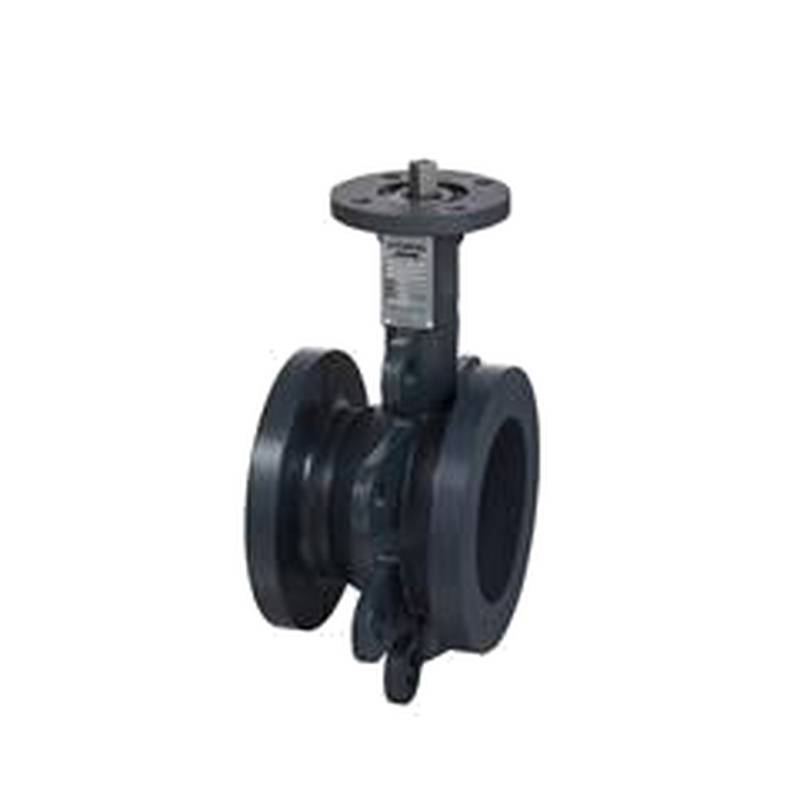
SIEMENS VAI51.40-25 Two-Way Ball Valve DN40 kvs 25 High Flow


The SIEMENS VAI51.40-25 Two-Way Ball Valve, a DN40 valve with a kvs of 25 and high flow capacity, stands as a robust solution for precise fluid control in demanding industrial environments. This valve excels with its superior sealing capabilities, ensuring minimal leakage even under high pressure. Its high flow coefficient (kvs 25) signifies exceptional throughput, making it ideal for applications requiring rapid or substantial fluid movement. The inherent design of a ball valve offers excellent durability and a long operational lifespan, contributing to reduced maintenance costs and operational downtime. Its precise control characteristics make it a preferred choice for accurate process management.
| Specification | Value |
|---|---|
| Valve Type | Two-Way Ball Valve |
| Model | VAI51.40-25 |
| Nominal Diameter (DN) | 40 |
| Flow Coefficient (kvs) | 25 |
| Connection Type | Flanged (typically, based on industry standards for this size) |
| Material | Varies based on media, commonly cast iron or stainless steel |
| Actuation | Electric or Pneumatic (requires separate actuator) |
| Pressure Rating | Varies, typically PN16 or higher |
| Temperature Range | Varies, typically -10°C to +120°C or wider |
Core Features & Market Positioning
The SIEMENS VAI51.40-25 distinguishes itself through its high flow capacity, a critical differentiator for processes demanding significant fluid volume. Its robust construction, a hallmark of SIEMENS industrial automation, ensures reliability and longevity in harsh operating conditions. This valve is positioned as a premium component for sectors requiring precise and efficient fluid handling, offering a blend of performance and durability that sets it apart from standard valve offerings. The inherent quarter-turn operation of ball valves also contributes to faster response times and ease of automation, aligning with modern industrial demands for efficiency and control.
Key Application Scenarios
This SIEMENS ball valve is instrumental in a wide array of industrial applications. It is frequently specified for HVAC systems controlling hot and chilled water flow due to its high kvs value enabling efficient temperature regulation. In process industries, its robust design makes it suitable for managing various liquids, including those with moderate particulate content, in applications like chemical processing and water treatment. Furthermore, its high flow characteristics are beneficial in building automation systems for main line control, ensuring optimal circulation and distribution of fluids.
Practical System Integration Guidance
Integrating the SIEMENS VAI51.40-25 typically involves selecting an appropriate actuator, either electric or pneumatic, based on the control signal and torque requirements of the DN40 valve. Flanged connections, common for this size, necessitate proper gasket selection and bolt torquing procedures to ensure a secure, leak-free seal, adhering to relevant pressure vessel codes. For electric actuation, wiring will depend on the specific actuator model, often involving standard control voltage (e.g., 24V AC/DC) or line voltage, and potentially feedback signals for position indication. Proper alignment of the valve and piping is crucial to prevent undue stress on the valve body.
Operation and Risk Mitigation
Safe operation of the SIEMENS VAI51.40-25 relies on understanding its operational limits, particularly pressure and temperature ratings, and ensuring compatibility with the handled media. Regular visual inspection for external leaks and actuator function is recommended. In case of actuator failure or loss of control signal, the fail-safe position of the actuator (fail-open or fail-closed) should be pre-determined and accounted for in the system's safety protocols. Avoiding rapid cycling under high differential pressure can extend the life of the valve seat and ball.
Scalability & Long-Term Value
The SIEMENS VAI51.40-25 offers significant long-term value through its durable design and compatibility with SIEMENS' broader automation ecosystem. Its integration into digital platforms, such as the SIEMENS Industrial Internet of Things (IIoT) solutions, allows for predictive maintenance monitoring, flow rate optimization, and remote diagnostics, enhancing overall system efficiency. While the valve itself is a fixed component, its performance can be scaled through advancements in control strategies and integration with higher-level plant management systems, ensuring its continued relevance in evolving industrial landscapes.
FAQs
What is the maximum flow rate for the SIEMENS VAI51.40-25 valve?
The valve's flow capacity is defined by its kvs value of 25. This indicates the volume of water in m³/h that will flow through the valve with a pressure drop of 1 bar.
Actual flow rate depends on the specific system pressure drop across the valve. SIEMENS provides selection tools and datasheets to calculate precise flow rates under varying system conditions.
Understanding the kvs value is crucial for correct valve sizing and ensuring the system meets its required throughput demands efficiently.
What types of actuators are compatible with the SIEMENS VAI51.40-25?
This valve is designed to be operated by separate actuators, typically electric or pneumatic. The selection depends on the required torque, speed, and fail-safe action.
Electric actuators offer precise control and are often integrated with digital control systems, while pneumatic actuators are robust and widely used in hazardous environments.
Users must consult the valve's datasheet and the actuator manufacturer's specifications to ensure proper matching of torque, stem connection, and environmental suitability.
How does the kvs value of 25 impact system performance?
A kvs of 25 signifies a high flow coefficient, allowing a substantial volume of fluid to pass through the valve. This is advantageous for applications requiring rapid filling or high circulation rates.
This high kvs value ensures that the valve does not become a bottleneck in systems demanding high throughput, contributing to overall system efficiency and responsiveness.
For optimal performance, the system's piping and pump capacity must be designed to complement this high flow capability, avoiding unintended pressure drops elsewhere.