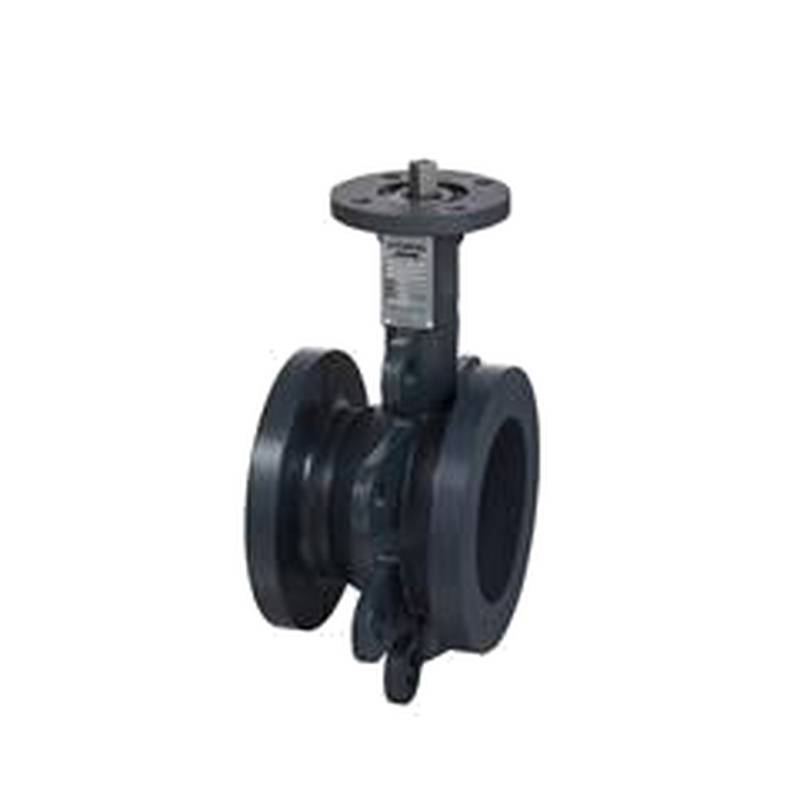
SIEMENS VAI61.15-1 Two-Way Ball Valve DN15 kvs 1 Low Flow


The SIEMENS VAI61.15-1 Two-Way Ball Valve, with its DN15 size and kvs 1 rating for low flow applications, represents a specialized solution for precise fluid control in demanding industrial environments. This valve distinguishes itself through its robust construction, reliable sealing, and precise actuation capabilities, making it an ideal choice for HVAC systems, building automation, and process control where accurate flow regulation is paramount. Its compact design and low-flow optimization contribute to energy efficiency and reduced operational costs. Key technical parameters include a nominal diameter of DN15, a flow coefficient (kvs) of 1, and its designation as a two-way, normally closed ball valve.
Product Specifications
| Parameter | Value |
| :--------------------- | :----------------- |
| Valve Type | Two-Way Ball Valve |
| Nominal Diameter (DN) | 15 |
| Flow Coefficient (kvs) | 1 |
| Actuation | Electric (typically) |
| Connection Type | Threaded (likely) |
| Application Focus | Low Flow Control |
| Manufacturer | SIEMENS |
| Model Number | VAI61.15-1 |
Core Features & Market Positioning
The SIEMENS VAI61.15-1 excels in applications requiring meticulous flow management, particularly in low-flow scenarios where standard valves might struggle with precision. Its market positioning is defined by Siemens' reputation for quality, reliability, and advanced engineering, ensuring superior performance and longevity compared to generic alternatives. The valve's design emphasizes tight shut-off capabilities and consistent control characteristics, which are critical for maintaining optimal process conditions and preventing energy wastage. This focus on precision and durability makes it a preferred component for engineers and facility managers seeking to enhance system efficiency and reduce maintenance overhead.
Key Application Scenarios
This SIEMENS VAI61.15-1 ball valve is ideally suited for a range of critical applications. In building automation and HVAC systems, it ensures precise temperature control by regulating the flow of chilled or hot water to terminal units, such as fan coil units or radiators. Its low-flow capability makes it particularly effective for smaller zones or systems where minimal flow rates are required for fine-tuning. Furthermore, it finds application in various industrial process control loops where accurate metering of fluids is essential, contributing to product quality and process stability. Its robust design also allows for deployment in sectors requiring high reliability and minimal downtime.
Practical System Integration Guidance
Integrating the SIEMENS VAI61.15-1 into existing systems typically involves direct threaded connections, facilitating straightforward installation. For actuation, it is commonly paired with Siemens electric actuators, such as the GLB or GBB series, which provide proportional or on/off control. Wiring considerations depend on the chosen actuator; for proportional control, a 0-10 VDC or 4-20 mA signal from a controller is typically required, while on/off control uses a simple two-wire connection. Ensuring the valve is installed in the correct flow direction, as indicated by an arrow on the body, is crucial for optimal performance and longevity. Proper support of the piping to prevent undue stress on the valve body is also recommended during installation.
Operation and Risk Mitigation
Safe and effective operation of the SIEMENS VAI61.15-1 relies on understanding its operational parameters and potential failure modes. It is designed for normally closed operation, meaning it requires power to open and will close automatically upon loss of power, a crucial safety feature for preventing uncontrolled flow. To mitigate risks, regular visual inspections for leaks or external damage are recommended. Periodic testing of the actuator and valve functionality, especially in critical applications, helps ensure reliable performance. If the valve fails to actuate or develops leaks, immediate investigation is warranted, typically involving checking power supply, control signals, and the mechanical integrity of the valve and actuator.
Scalability & Long-Term Value
The SIEMENS VAI61.15-1 offers significant long-term value through its inherent durability and compatibility with Siemens' broader automation platforms. Its integration into Building Management Systems (BMS) or SCADA systems via compatible actuators and communication protocols allows for centralized monitoring, control, and data logging. This facilitates predictive maintenance and system optimization, contributing to overall operational efficiency and energy savings. While the valve itself is a specific component, its reliable performance and ability to integrate with evolving digital solutions ensure its continued relevance in smart building and industrial automation environments, supporting scalability as system demands change.
Frequently Asked Questions
1. What is the primary application for the SIEMENS VAI61.15-1?
This low-flow ball valve is engineered for precise fluid regulation. It's commonly used in HVAC systems for accurate temperature control in smaller zones. It also serves industrial processes where meticulous flow metering is essential. The DN15 size and kvs 1 rating make it ideal for fine-tuning.
2. Can I use the VAI61.15-1 for high-pressure systems?
The VAI61.15-1 is optimized for low-flow applications. While robust, its pressure ratings should be verified against specific system requirements. It is not designed for high-pressure, high-flow scenarios. Always consult the official datasheet for exact pressure limits.
3. What type of actuator is compatible with the SIEMENS VAI61.15-1?
Siemens offers several compatible electric actuators, such as the GLB and GBB series. These actuators provide the necessary torque and control signals. Proportional or on/off control can be achieved depending on the actuator model selected.
4. How do I ensure the valve is installed correctly for optimal performance?
Ensure the valve is installed in the direction of flow, as marked on the valve body. Support the piping to avoid stress on the valve. For actuated valves, verify correct electrical connections for the chosen actuator.
5. What does "kvs 1" signify for this ball valve?
Kvs 1 indicates the flow coefficient, representing the volume of water in liters per minute that will pass through the valve at a pressure drop of 1 bar. A kvs of 1 means it's designed for precise control of lower flow rates.
6. Is the SIEMENS VAI61.15-1 suitable for steam applications?
This valve is typically designed for water or other compatible liquid media. Steam applications often require specialized high-temperature and pressure-rated valves. Always check the media compatibility and temperature ratings in the product specifications.
7. What maintenance is required for the VAI61.15-1?
Routine visual inspections for leaks are recommended. For actuated valves, periodic testing of the actuator and valve operation ensures reliability. Specific maintenance schedules depend on operating conditions and media.
8. Can this valve be controlled remotely?
Yes, when paired with an appropriate electric actuator and integrated into a building management system (BMS) or SCADA system. This allows for remote monitoring and control via standard industrial communication protocols.
9. What are the typical failure modes for this type of valve?
Common issues include actuator failure, loss of sealing leading to leaks, or blockages from debris. Electrical faults in the control signal or power supply can also prevent proper operation.
10. How does the VAI61.15-1 contribute to energy efficiency?
Its precise low-flow control minimizes over-regulation of media. This prevents unnecessary energy consumption in heating or cooling circuits. Reliable shut-off also prevents energy loss when the system is idle.