











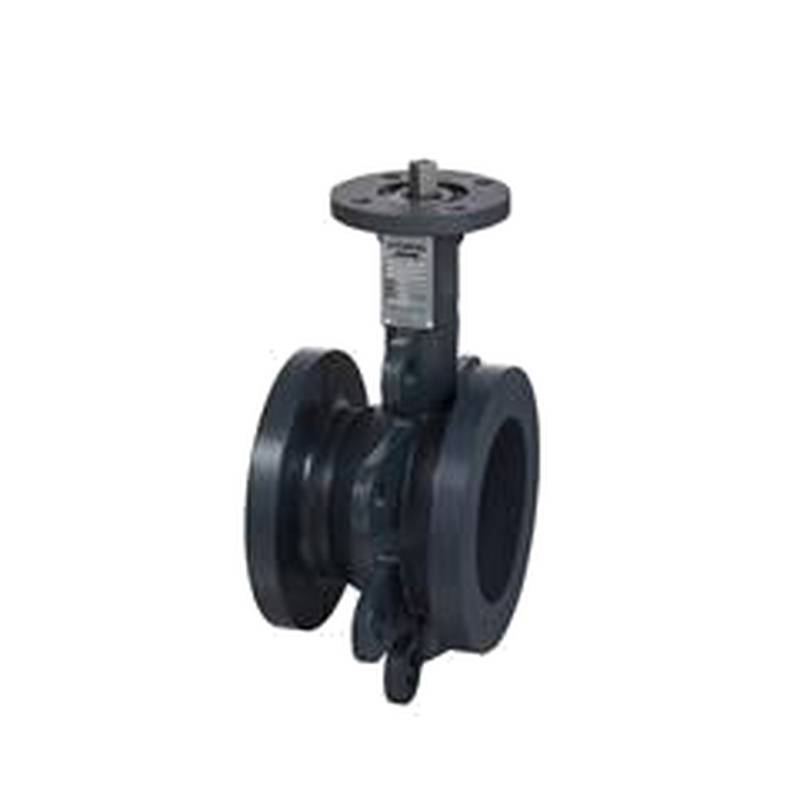
SIEMENS VAI51.50-63 Two-Way Ball Valve DN50 kvs 63 SIEMENS


The SIEMENS VAI51.50-63 Two-Way Ball Valve is engineered for precise fluid control in demanding industrial applications. This DN50 valve boasts a kvs value of 63, signifying its high flow capacity and suitability for robust systems. Its design emphasizes reliability, efficiency, and seamless integration into complex automation architectures. Key advantages include exceptional durability, tight shut-off capabilities, and adaptability to various media. Technical parameters highlight its robust construction and operational excellence.
Product Specifications
| Parameter | Specification |
| :-------------------- | :---------------------------------- |
| Product Type | Two-Way Ball Valve |
| Manufacturer | SIEMENS |
| Model Number | VAI51.50-63 |
| Nominal Diameter (DN) | 50 |
| Flow Coefficient (kvs) | 63 m³/h |
| Connection Type | Flanged (specific flange standard may vary) |
| Operating Temperature | Varies based on specific model/seals |
| Operating Pressure | Varies based on specific model/seals |
| Actuation | Typically electric or pneumatic |
| Material (Body) | Varies (e.g., cast iron, stainless steel) |
| Material (Ball/Seat) | Varies (e.g., metal, PTFE) |
Core Features & Market Positioning
The SIEMENS VAI51.50-63 distinguishes itself through its superior sealing technology, ensuring minimal leakage even under significant pressure differentials. Its precise control characteristics make it a preferred choice for applications requiring accurate flow regulation. The valve's robust construction, often featuring durable materials like cast iron or stainless steel for the body and high-performance seat materials, positions it as a long-term, reliable solution in challenging industrial environments. The kvs 63 rating underscores its capacity to handle substantial flow rates, making it competitive against other DN50 valves in its class. Siemens' reputation for engineering excellence further solidifies its market standing.
Key Application Scenarios
This SIEMENS VAI51.50-63 ball valve finds extensive use in HVAC systems for controlling chilled water, hot water, and temperate water circuits, optimizing building climate control. In industrial processes, it is integral to managing various fluid streams, including those in chemical plants, power generation facilities, and water treatment operations. Its ability to handle moderate to high flow rates (kvs 63) and provide tight shut-off makes it suitable for both control and isolation functions. Typical applications include controlling airflow for air handling units, managing steam condensate, and regulating process water in manufacturing lines.
Practical System Integration Guidance
Integrating the SIEMENS VAI51.50-63 typically involves connecting it to the process piping via its flanged ends, ensuring proper gasket selection and bolt torque according to industry standards. For actuated versions, electrical or pneumatic connections are critical. Electric actuators will require appropriate wiring for power supply and control signals (e.g., 0-10V, 4-20mA, or digital communication depending on the Siemens actuator model). Pneumatic actuators need a clean, dry air supply and signal lines for directional control. Commissioning often involves functional testing of the valve's open/close stroke and calibration of the control signal to achieve the desired flow rates, ensuring it aligns with the system's control loop requirements.
Operation and Risk Mitigation
Proper operation of the SIEMENS VAI51.50-63 focuses on maintaining system integrity and preventing premature wear. Users should ensure that the media handled is compatible with the valve's materials of construction and that operating pressure and temperature limits are not exceeded. Regular inspection of seals and actuation mechanisms can prevent potential leaks or control failures. In case of operational issues, common troubleshooting steps involve checking actuator feedback, verifying control signals, and inspecting for debris in the valve seat. Referencing the specific actuator's manual is crucial for detailed error code interpretation and fault diagnosis to mitigate operational risks effectively.
Scalability & Long-Term Value
The SIEMENS VAI51.50-63 offers considerable long-term value due to its robust design and compatibility with Siemens' broader automation ecosystem. Its ability to integrate with digital control systems and potentially IIoT platforms allows for enhanced monitoring, predictive maintenance, and optimized performance. While the valve itself is a discrete component, its scalability is realized through its integration into larger, networked control architectures. This ensures that as a facility's automation strategy evolves, the VAI51.50-63 can remain a reliable part of the system, contributing to overall operational efficiency and data-driven decision-making.
FAQs
What are the typical materials used for the SIEMENS VAI51.50-63 ball valve?
The SIEMENS VAI51.50-63 ball valve often features a body constructed from durable materials like cast iron or stainless steel, chosen based on the specific application's corrosive environment. The ball and seat materials are critical for sealing performance and media compatibility, commonly employing options such as PTFE or specialized metal alloys. These material selections ensure longevity and reliable operation across a wide range of industrial fluids.
How is the SIEMENS VAI51.50-63 ball valve actuated?
This SIEMENS valve is typically actuated by either electric or pneumatic means, offering flexibility in system design and integration. Electric actuators provide precise positioning and often integrate digital communication protocols for advanced control. Pneumatic actuators are favored for their speed and simplicity in environments where compressed air is readily available. The choice of actuator depends on the specific control requirements and existing plant infrastructure.
What kind of pressure and temperature can the SIEMENS VAI51.50-63 handle?
The precise pressure and temperature ratings for the SIEMENS VAI51.50-63 ball valve are dependent on its specific configuration, including the chosen body material, seal type, and associated actuator. Users must consult the detailed product datasheet for the exact specifications applicable to their model. Adhering to these specified limits is essential for safe and reliable operation, preventing potential failures or performance degradation.
Where is the SIEMENS VAI51.50-63 ball valve commonly used in industrial settings?
This DN50 ball valve is frequently deployed in HVAC systems for precise control of water flow in heating and cooling circuits. It also serves critical functions in chemical processing, power generation, and water treatment facilities for managing various fluid streams. Its kvs 63 rating makes it ideal for applications requiring significant flow capacity and accurate regulation of process fluids.
What does the "kvs 63" designation signify for this SIEMENS valve?
The "kvs 63" designation indicates the flow coefficient of the SIEMENS VAI51.50-63 ball valve, signifying that it can pass 63 cubic meters of water per hour at a pressure drop of 1 bar. This metric is crucial for sizing the valve correctly within a system to achieve the desired flow rates and control accuracy. It highlights the valve's substantial flow capacity for its size.
What are the advantages of using a SIEMENS ball valve like the VAI51.50-63?
A primary advantage is its robust construction, engineered for durability and longevity in demanding industrial environments. The valve also offers excellent sealing capabilities, ensuring tight shut-off and minimizing leakage. Its precise control characteristics are highly valued for applications requiring accurate fluid regulation, contributing to operational efficiency and process stability.
How do I correctly install the SIEMENS VAI51.50-63 ball valve?
Installation involves connecting the valve to the piping system using its flanged ends, ensuring proper gasket selection and adherence to recommended bolt torque values. For actuated versions, accurate electrical or pneumatic connections are paramount. It is crucial to follow the manufacturer's installation guidelines and relevant industry standards for a secure and functional setup.
What maintenance is typically required for the VAI51.50-63?
Routine maintenance primarily involves visual inspections of seals and the actuation mechanism to detect any signs of wear or leakage. Periodic functional testing of the valve's stroke and response can ensure continued optimal performance. Depending on the application and media, more specific maintenance protocols, such as lubrication or seal replacement, might be recommended by Siemens.
Can the SIEMENS VAI51.50-63 be integrated with modern digital control systems?
Yes, the SIEMENS VAI51.50-63 is designed for integration with contemporary automation platforms. When paired with appropriate Siemens actuators, it can communicate using digital protocols, enabling advanced control, monitoring, and data acquisition. This allows for its seamless incorporation into IIoT strategies and smart plant environments.
What is the typical response time or speed of actuation for this valve?
The actuation speed of the SIEMENS VAI51.50-63 depends heavily on the type of actuator fitted, whether electric or pneumatic. Pneumatic actuators generally offer faster response times, suitable for applications demanding rapid valve movement. Electric actuators may have variable speeds controlled by their internal electronics, allowing for slower, more controlled positioning if required by the process.