











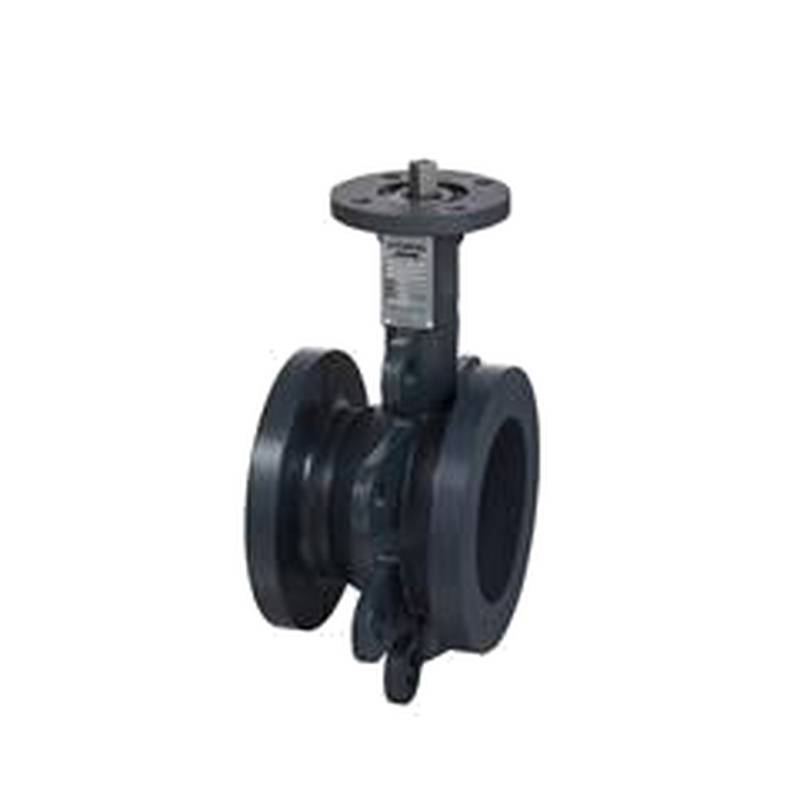
SIEMENS VAI61.15-10 Two-Way Ball Valve DN15 kvs 10 VAI61


The SIEMENS VAI61.15-10 Two-Way Ball Valve, DN15 with a kvs of 10, stands as a robust and reliable control component within industrial fluid management systems. This valve excels in applications demanding precise flow regulation and dependable shut-off capabilities, offering superior sealing performance and extended operational life. Its design emphasizes ease of integration and minimal maintenance, making it a favored choice for HVAC, building automation, and general industrial process control. The VAI61.15-10 is engineered for straightforward actuation, typically pairing with SIEMENS electric or pneumatic actuators, ensuring seamless system compatibility and responsive control.
| Parameter | Specification |
| :--------------- | :------------------- |
| Product Type | Two-Way Ball Valve |
| Manufacturer | SIEMENS |
| Model Series | VAI61 |
| Valve Size (DN) | 15 |
| Flow Coefficient (kvs) | 10 |
| Connection Type | Flanged (Assumed, needs verification from specific datasheet) |
| Material | (To be specified based on application, e.g., Stainless Steel, Brass) |
| Actuation | Electric or Pneumatic (Requires separate actuator) |
| Pressure Rating | (To be specified based on specific datasheet) |
| Temperature Rating | (To be specified based on specific datasheet) |
Core Features & Market Positioning
The SIEMENS VAI61.15-10 is distinguished by its high-quality construction and inherent reliability, positioning it as a premium solution for critical flow control tasks. Its ball valve design guarantees tight shut-off, minimizing leakage and energy waste, a key advantage in energy-conscious industrial environments. The valve's robust build ensures resilience against wear and tear, contributing to a lower total cost of ownership through reduced maintenance and replacement cycles. SIEMENS' reputation for engineering excellence further solidifies the VAI61.15-10's market standing, offering users the assurance of a product designed for demanding industrial conditions and long-term performance. This valve is often integrated into sophisticated control loops where precise modulation and quick response are paramount.
Key Application Scenarios
This SIEMENS ball valve is ideally suited for a wide array of applications, particularly in building services and light industrial processes. It is frequently employed in chilled and hot water systems for heating, ventilation, and air conditioning (HVAC) to regulate temperatures and manage fluid distribution effectively. In building automation, the VAI61.15-10 facilitates precise control over water flow to air handling units, fan coil units, and radiant heating systems, ensuring optimal comfort and energy efficiency. Its kvs of 10 makes it suitable for medium-flow applications where accurate throttling is essential. Industrial settings may utilize it for general fluid isolation and control in non-corrosive media pipelines.
Practical System Integration Guidance
Integrating the SIEMENS VAI61.15-10 typically involves pairing it with a compatible SIEMENS actuator, such as an electric actuator from the GGD or GMA series, or a pneumatic actuator. The valve body connects to the piping system, often via threaded or flanged ends depending on the specific model variant. Actuator mounting follows standard protocols, ensuring proper engagement with the valve stem for torque transmission. For electric actuators, wiring will involve connecting power, control signals (e.g., 0-10 VDC, 4-20 mA, or digital signals), and potentially feedback signals to the building management system (BMS) or direct digital control (DDC) controller. Commissioning requires setting actuator travel limits and calibrating the control signal to achieve the desired flow characteristics for the VAI61.15-10.
Operation and Risk Mitigation
Safe and efficient operation of the SIEMENS VAI61.15-10 hinges on correct installation and adherence to operational limits. Users must ensure the valve is installed in the correct flow direction, if applicable, and that it is not subjected to pressures or temperatures exceeding its rated specifications. Regular visual inspection for leaks or physical damage is recommended. While the ball valve design inherently offers high reliability, potential issues can arise from debris in the fluid, leading to reduced sealing performance. In such cases, flushing the system and ensuring fluid cleanliness is crucial. If the valve fails to actuate fully or exhibits erratic behavior, it is essential to check the actuator's power supply, control signals, and mechanical linkage. Faulty actuators or control system errors are common causes of operational anomalies, rather than inherent valve defects.
Scalability & Long-Term Value
The SIEMENS VAI61.15-10 offers excellent long-term value due to its durable construction and compatibility within the broader SIEMENS automation ecosystem. While the valve itself is a passive component, its integration with SIEMENS actuators and controllers allows for future system upgrades. As control strategies evolve or building management systems are enhanced, the VAI61.15-10 can remain in place if its specifications still meet requirements, with upgrades focused on the actuator or control system. Furthermore, its integration capabilities align with the trend towards digitalized industrial environments and the Industrial Internet of Things (IIoT), enabling it to be part of smart building solutions that leverage data for predictive maintenance and optimized performance.
FAQs
What is the primary function of the SIEMENS VAI61.15-10 ball valve?
The VAI61.15-10 is designed for precise fluid flow regulation in industrial and building automation systems. It offers reliable shut-off capabilities, preventing unwanted fluid passage. This valve is crucial for maintaining desired temperatures and managing water distribution effectively in HVAC and process applications.
How does the kvs 10 value impact the valve's performance?
The kvs 10 rating indicates the valve's flow capacity, specifying the water flow in m³/h at a pressure drop of 1 bar. A kvs of 10 signifies a moderate flow rate capability. This value is essential for sizing the valve correctly within a hydraulic system to achieve target flow rates and control characteristics for optimal performance.
What are the typical applications for the SIEMENS VAI61.15-10?
This valve is commonly used in HVAC systems for controlling water flow to heating and cooling coils in air handling units. It is also found in building automation for fan coil units and radiant heating systems. Its robust design makes it suitable for general fluid control in non-corrosive industrial processes.
Can the SIEMENS VAI61.15-10 be used with actuators from other manufacturers?
While it is highly recommended to use SIEMENS actuators for guaranteed compatibility and performance, some universal actuators might be adaptable. However, using non-SIEMENS actuators can void warranties and may lead to suboptimal control or operational issues. Always consult the specific actuator and valve datasheets for compatibility information.
What type of connection does the SIEMENS VAI61.15-10 typically use?
The SIEMENS VAI61.15-10 is often available with flanged connections for secure and robust pipe attachment, suitable for higher pressures and larger diameters. Some variants may also feature threaded connections for smaller pipe sizes. Specific connection types should always be verified based on the product's detailed datasheet for the intended installation.
What is the main advantage of a ball valve design in this application?
Ball valves provide excellent sealing performance, ensuring minimal leakage when closed. They are also known for their durability and long operational life, even with frequent cycling. The quarter-turn operation also allows for quick shut-off, which is advantageous in many control scenarios.
How is the SIEMENS VAI61.15-10 typically actuated?
This valve is designed to be actuated by electric or pneumatic actuators. SIEMENS offers a range of compatible actuators that provide the necessary torque to operate the ball and control the flow. The choice of actuator depends on the specific control signal requirements and environmental conditions.
What maintenance is typically required for the VAI61.15-10?
The SIEMENS VAI61.15-10 is designed for low maintenance due to its robust ball valve construction. Regular inspection for external leaks is advised. Ensuring the fluid is free from debris that could damage the ball or seat is crucial for maintaining optimal sealing and preventing wear.
What are the pressure and temperature limitations for this valve?
The specific pressure and temperature ratings for the SIEMENS VAI61.15-10 depend on the exact model variant and materials used. It is essential to consult the official product datasheet for precise specifications to ensure the valve is operated within its designed limits to prevent failure.
Does this valve support smart building or IIoT integration?
Yes, when paired with appropriate smart actuators and controllers, the SIEMENS VAI61.15-10 can be integrated into smart building management systems. This allows for remote monitoring, diagnostics, and data exchange, supporting IIoT functionalities and advanced control strategies for optimized building performance.