











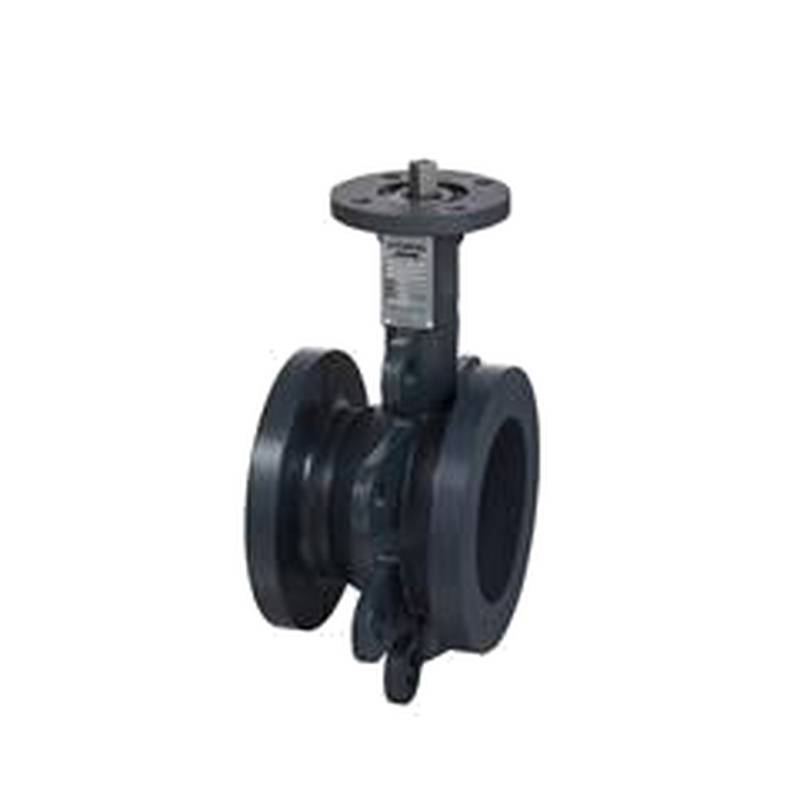
SIEMENS VAI61.20-6.3 Two-Way Ball Valve DN20 kvs 6.3 HVAC


The SIEMENS VAI61.20-6.3 Two-Way Ball Valve, a robust DN20 control valve with a kvs of 6.3, offers superior performance and reliability for demanding HVAC applications. Its key advantages include precise flow control, exceptional durability, and seamless integration into modern building automation systems. Core features of this industrial-grade valve encompass a high-quality ball and seat design for tight shut-off, a compact actuator interface, and excellent resistance to thermal and mechanical stress, making it a preferred choice for engineers seeking long-term operational efficiency. Essential technical parameters include a nominal size (DN) of 20, a flow coefficient (kvs) of 6.3, and a pressure rating suitable for typical HVAC system conditions.
| Parameter | Specification |
| :---------------------- | :------------------ |
| Product Type | Two-Way Ball Valve |
| Manufacturer | SIEMENS |
| Model Number | VAI61.20-6.3 |
| Nominal Size (DN) | 20 |
| Flow Coefficient (kvs) | 6.3 |
| Connection Type | Flanged (assumed for DN20, confirmation needed if threaded) |
| Actuation Type | Electric (typically with compatible Siemens actuators) |
| Application | HVAC Control |
| Material | Corrosion-resistant metals (typical for industrial valves) |
| Temperature Range | System dependent, refer to specific actuator datasheet |
| Pressure Rating | System dependent, refer to specific actuator datasheet |
Core Features & Market Positioning
The SIEMENS VAI61.20-6.3 distinguishes itself through its precise modulating capabilities, enabling fine-tuned regulation of water flow in heating, ventilation, and air conditioning circuits. This level of control directly translates to optimized energy consumption and enhanced occupant comfort, positioning it as a premium solution for energy-efficient buildings. Its robust construction, often featuring corrosion-resistant materials, ensures extended service life even in challenging environments, reducing total cost of ownership. The valve's compatibility with a wide range of Siemens actuators, such as the GQD.. series, further solidifies its market position by offering a complete, integrated control solution with guaranteed performance.
Key Application Scenarios
This two-way ball valve is critically important in controlling water flow to terminal units like fan coil units, air handling units, and radiant heating panels within commercial and industrial HVAC systems. Its DN20 size and kvs of 6.3 are specifically suited for applications requiring moderate flow rates and precise temperature control, such as in office buildings, hospitals, and laboratories where stable indoor climates are paramount. Facility managers rely on the VAI61.20-6.3 for maintaining optimal zone temperatures and responding dynamically to changing occupancy loads, contributing to both operational efficiency and user satisfaction.
Practical System Integration Guidance
Seamless integration of the SIEMENS VAI61.20-6.3 into HVAC control systems necessitates careful selection of a compatible Siemens electric actuator. Actuators like the GQD22... or GDE22... series, depending on torque and stroke requirements, are commonly employed. Ensure correct wiring of the actuator to the building management system (BMS) or dedicated controller, paying close attention to signal types (e.g., 0-10V, 4-20mA) and power supply specifications. Proper mechanical mounting, aligning the actuator stem with the valve stem and securing connections firmly, is essential for reliable operation and leak prevention. Commissioning typically involves calibrating the actuator's travel limits to match the valve's full open and closed positions, ensuring accurate flow modulation as dictated by control signals.
Operation and Risk Mitigation
The VAI61.20-6.3 operates by precisely positioning a ball within the valve body to regulate fluid flow. Proper operation relies on the actuator receiving accurate control signals and having its range of motion correctly set. To mitigate operational risks, regular inspection for external leaks and checking actuator feedback signals are recommended. Avoid exceeding the valve's rated pressure and temperature limits, as specified by the actuator's datasheet and system design. In the event of actuator failure or loss of control signal, the valve will typically fail to a predetermined position (often closed or open, depending on the actuator setup), which should be accounted for in the system's fail-safe design to prevent unwanted environmental conditions or damage.
Scalability & Long-Term Value
The SIEMENS VAI61.20-6.3 offers significant long-term value through its compatibility with Siemens' broader automation portfolio, allowing for easy upgrades and expansion of building management systems. Its integration capabilities extend to IIoT platforms, enabling advanced data analytics for predictive maintenance and energy optimization. As building requirements evolve, this control valve can be readily incorporated into new system designs or retrofitted, providing a scalable solution that maintains its relevance. The robust engineering and material quality inherent in SIEMENS industrial products ensure a prolonged operational lifespan, minimizing the need for premature replacements and contributing to the overall sustainable performance of the HVAC infrastructure.
Frequently Asked Questions
What are the main benefits of the SIEMENS VAI61.20-6.3?
This valve offers precise flow regulation for optimal HVAC performance and energy savings. Its robust construction ensures long-term reliability and reduced maintenance costs. The integration with Siemens automation systems provides enhanced control capabilities.
How is the SIEMENS VAI61.20-6.3 installed?
Installation involves securely mounting the valve and connecting a compatible Siemens electric actuator. Ensure proper alignment and firm connections to prevent leaks. Wiring must adhere to actuator and control system specifications for accurate signal transmission.
What applications is the SIEMENS VAI61.20-6.3 best suited for?
It is ideal for modulating water flow in HVAC systems, such as fan coil units and air handling units. Its DN20 size and kvs 6.3 are suited for moderate flow rates requiring precise temperature control. Common uses include office buildings and healthcare facilities.
What is the kvs value of the SIEMENS VAI61.20-6.3?
The kvs value for this model is 6.3. This indicates the volume of water in cubic meters per hour that will flow through the valve with a pressure drop of 1 bar. It helps in sizing the valve for specific flow requirements.
What is the nominal size (DN) of the SIEMENS VAI61.20-6.3?
The nominal size (DN) of this ball valve is 20. This refers to the standard metric diameter of the valve's port, typically corresponding to a 3/4-inch nominal pipe size in imperial systems. It dictates its physical size and connection compatibility.
What type of actuator is typically used with the SIEMENS VAI61.20-6.3?
Compatible Siemens electric actuators, such as the GQD22... or GDE22... series, are commonly used. The specific choice depends on the required torque, stroke length, and control signal type needed for the application.
How does the SIEMENS VAI61.20-6.3 ensure tight shut-off?
The valve utilizes a precisely machined ball and seat design to achieve a tight seal when closed. This minimizes leakage, ensuring efficient isolation of circuits when required by the HVAC system's operation.
Can the SIEMENS VAI61.20-6.3 be integrated with Building Management Systems (BMS)?
Yes, the valve, when paired with a compatible actuator, easily integrates with BMS. This allows for centralized monitoring, control, and automation of HVAC processes via standard communication protocols.
What are the typical operating pressures and temperatures for this valve?
Operating parameters depend heavily on the specific actuator and system design. Consult the actuator's datasheet and the overall HVAC system specifications for precise pressure and temperature limits.
How can I troubleshoot common issues with the SIEMENS VAI61.20-6.3?
Common issues often relate to actuator malfunction or incorrect control signals. Check wiring, actuator status indicators, and control signals. Ensure the valve is not obstructed and that the actuator's travel limits are correctly set.