











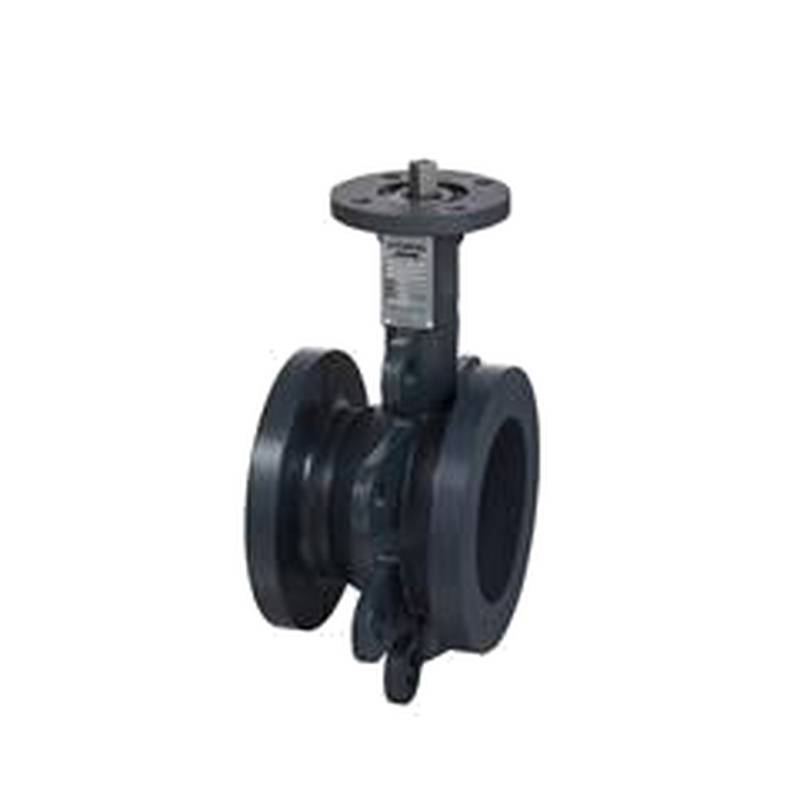
SIEMENS VAI61.40-16 Threaded Two-Way Ball Valve DN40 kvs 16


The SIEMENS VAI61.40-16 is a highly reliable, threaded two-way ball valve designed for precise fluid control in demanding industrial environments. This DN40 valve, with a kvs rating of 16, offers exceptional performance characteristics, including robust construction for longevity, superior sealing capabilities to prevent leakage, and precise flow regulation. Its integrated design simplifies installation and maintenance, making it a preferred choice for critical applications across various sectors. The VAI61.40-16 exemplifies SIEMENS' commitment to engineering excellence, providing a dependable solution for complex process automation challenges.
Product Specifications
| Feature | Specification |
| :--------------------- | :---------------------------------------------- |
| Product Type | Threaded Two-Way Ball Valve |
| Manufacturer | SIEMENS |
| Model Number | VAI61.40-16 |
| Nominal Diameter (DN) | 40 |
| Flow Coefficient (kvs) | 16 |
| Connection Type | Threaded |
| Valve Body Material | Typically brass or stainless steel (verify with specific order) |
| Actuator Type | Requires separate actuator (e.g., SIEMENS electric or pneumatic) |
| Temperature Range | Varies by seal material; consult datasheet |
| Pressure Rating | Varies by size and rating; consult datasheet |
| Sealing Class | High-performance, bubble-tight (typically Class VI) |
| Actuation Angle | 90 degrees |
Core Features & Market Positioning
The SIEMENS VAI61.40-16 distinguishes itself through its robust construction, engineered for extended operational life in challenging industrial settings. Its precision-machined ball and seat design ensures superior sealing performance, effectively preventing fugitive emissions and minimizing product loss. The valve's threaded connection simplifies integration into existing piping systems, offering a secure and reliable mechanical seal. This inherent reliability and ease of installation position the VAI61.40-16 as a go-to component for applications where downtime is costly and operational integrity is paramount. SIEMENS' reputation for quality and innovation further solidifies its market standing as a trusted provider of high-performance fluid control solutions.
Key Application Scenarios
The versatility of the SIEMENS VAI61.40-16 threaded two-way ball valve makes it indispensable across a multitude of industrial sectors. In HVAC systems, it precisely regulates chilled water or hot water flow for optimal climate control. Within the chemical processing industry, it reliably manages the transfer of various aggressive media, provided material compatibility is confirmed. The food and beverage sector benefits from its hygienic design and precise control capabilities for process fluid management. Furthermore, its robust nature lends itself well to general industrial automation, water treatment facilities, and any application requiring accurate and dependable on/off or throttling control of liquids or gases.
Practical System Integration Guidance
Integrating the SIEMENS VAI61.40-16 requires careful consideration of the actuator selection, as the valve body itself is typically supplied without an integrated actuator. SIEMENS offers a range of compatible electric and pneumatic actuators designed to provide precise control. Ensure the selected actuator's torque output is sufficient for the valve's operating pressure and size (DN40, kvs 16). Installation should adhere to standard piping practices, ensuring threads are clean and properly sealed with appropriate thread sealant to prevent leaks. For automated systems, wiring should follow the actuator manufacturer's specifications, paying close attention to power, control signals, and feedback if applicable. Commissioning involves verifying correct actuator stroke and fail-safe position if required.
Operation and Risk Mitigation
Proper operation of the SIEMENS VAI61.40-16 involves ensuring the actuator is correctly aligned and has adequate power supply. Avoid over-torquing or forcing the valve, especially during manual operation if an override is available. Regular inspection for external leaks around the stem seal and threaded connections is recommended. In systems with high cycle rates or abrasive media, periodic checks of seating integrity are advisable. While the VAI61.40-16 is designed for reliability, risks such as actuator failure, seal degradation due to incompatible media or extreme temperatures, or thread damage from improper installation can occur. Always consult the specific actuator's manual for operational limits and troubleshooting.
Scalability & Long-Term Value
The SIEMENS VAI61.40-16 offers excellent long-term value through its durable construction and compatibility with SIEMENS' broader automation ecosystem. While the valve itself is a mechanical component, its integration with intelligent SIEMENS actuators allows for seamless incorporation into digital control systems and IIoT platforms. This enables advanced monitoring, predictive maintenance, and remote control capabilities. The availability of spare parts and SIEMENS' global support network ensures the longevity of the valve's service life. For applications requiring higher flow rates or different connection types, SIEMENS provides a comprehensive range of valves, allowing for scalable solutions as plant requirements evolve.
Frequently Asked Questions
What are the main advantages of the SIEMENS VAI61.40-16?
The VAI61.40-16 offers superior sealing with its precision-machined ball and seat. Its robust construction ensures long operational life in demanding industrial environments. The threaded connection simplifies installation and provides a secure mechanical seal.
This valve is engineered for high reliability, minimizing downtime and product loss. Its precise flow control capabilities are crucial for process optimization. It integrates well with SIEMENS automation systems for enhanced functionality.
The inherent quality of SIEMENS engineering ensures consistent performance. This makes it a cost-effective solution over its extensive service life.
What is the maximum pressure rating for the SIEMENS VAI61.40-16?
The specific maximum pressure rating for the SIEMENS VAI61.40-16 varies significantly based on the materials used and the specific PN rating assigned. It is crucial to consult the product datasheet or the official SIEMENS specification for the exact pressure limits applicable to your valve model. Always verify this information before installation to ensure safe and compliant operation.
Factors such as temperature and media composition can also affect the allowable pressure. The kvs rating (16) indicates flow capacity, not pressure limitation.
Always refer to the manufacturer's documentation for definitive technical specifications regarding pressure handling capabilities.
Can the SIEMENS VAI61.40-16 be used for gas applications?
The suitability of the SIEMENS VAI61.40-16 for gas applications depends heavily on the specific gas type, pressure, and sealing material compatibility. While ball valves are generally capable of handling gases, it's imperative to confirm that the valve and its seals are rated for the intended gas and operating conditions. Consult the SIEMENS technical documentation for specific media compatibility.
Leakage prevention is critical in gas service. The valve's sealing class is important, but the overall system design, including connections, must also prevent fugitive emissions.
Always prioritize safety and consult SIEMENS or a qualified engineer if there is any doubt about using this valve for a particular gas application.
What type of actuator is compatible with the SIEMENS VAI61.40-16?
The SIEMENS VAI61.40-16 is designed to work with various compatible actuators, most commonly electric or pneumatic actuators provided by SIEMENS. The valve body itself is typically supplied without an integrated actuator, allowing for flexible system design. You will need to select an actuator that matches the valve's size (DN40) and torque requirements.
When selecting an actuator, consider the required actuation speed, fail-safe positioning (spring return or similar), and control signal type (e.g., on/off, proportional). SIEMENS offers a wide range of actuators that are engineered to interface seamlessly with their valves.
Ensure the chosen actuator's power supply, voltage, and communication protocols are compatible with your control system for efficient integration and operation.
How do I install the SIEMENS VAI61.40-16 valve?
Installation of the SIEMENS VAI61.40-16 involves ensuring the pipe threads are clean and free from debris. Apply a suitable thread sealant (e.g., PTFE tape or pipe dope) to the male threads of the piping, not the valve threads, to prevent sealant from entering the valve cavity. Screw the valve onto the pipe fitting until hand-tight, then use a wrench on the valve body flats (if provided) to achieve the final snug fit.
It is crucial to orient the valve correctly within the piping system according to flow direction and actuator clearance requirements. Ensure adequate support for the piping to prevent undue stress on the threaded connection. Avoid over-tightening, which can damage the threads or valve body.
After installation, a leak test should be performed under operational pressure before full system commissioning. If an actuator is being installed, follow the actuator manufacturer's specific mounting and connection instructions.
What is the kvs value of 16 for the VAI61.40-16?
The kvs value of 16 for the SIEMENS VAI61.40-16 represents its flow coefficient, indicating the volume of water in cubic meters per hour (m³/h) that will flow through the valve at a pressure drop of 1 bar. A higher kvs value signifies a greater flow capacity for a given pressure drop. This specific kvs value of 16 determines the valve's flow rate capabilities at its full open position.
This parameter is essential for system designers to accurately calculate flow rates and pressure drops within a piping system. It allows for proper sizing of pumps and other components to achieve the desired process performance. The kvs value is a standardized metric used internationally for valve sizing.
Understanding the kvs value helps in selecting the correct valve for a specific application, ensuring that it can handle the required flow without causing excessive pressure loss or cavitation.
What materials is the SIEMENS VAI61.40-16 typically made from?
The valve body of the SIEMENS VAI61.40-16 is commonly manufactured from materials like brass or stainless steel, depending on the specific model variant and intended application. The internal components, such as the ball and seals, will also be made from materials selected for their compatibility with the process media and operating conditions. Common seal materials include EPDM or NBR.
For precise material composition, especially regarding the valve body, ball, and stem, it is essential to refer to the official SIEMENS product documentation or the part number's specific datasheet. Different environmental conditions or media may necessitate specific material choices for optimal performance and longevity.
Always confirm the exact material specifications for your particular SIEMENS VAI61.40-16 unit before use, particularly when dealing with aggressive chemicals or extreme temperatures, to ensure chemical compatibility and operational safety.
How can I troubleshoot a stuck SIEMENS VAI61.40-16 valve?
If the SIEMENS VAI61.40-16 valve is stuck, first check the actuator's power supply and control signals for any faults or interruptions. Ensure the actuator is properly connected and receiving the correct commands. If it's an electric actuator, verify motor function and any safety interlocks. For pneumatic actuators, check air supply pressure and solenoid valve operation.
Inspect the valve and actuator for any physical obstructions or signs of damage. If an override is available on the actuator, try to manually move the valve to see if it is mechanically seized. If the valve is still stuck, it might indicate internal damage, debris lodged in the ball or seat, or a failure of the actuator's internal gearing.
In cases of persistent mechanical binding, it may be necessary to isolate the valve, relieve system pressure, and remove it for inspection and potential repair or replacement. Consult the SIEMENS actuator and valve documentation for specific troubleshooting steps.
What are the common applications for a DN40 kvs 16 valve?
A DN40 (nominal diameter 40mm) valve with a kvs of 16 is commonly used in medium-flow applications within industrial and building automation systems. These applications often involve precise regulation of water, steam, or other industrial fluids in heating, cooling, and process control loops. Its size and flow capacity make it suitable for applications where a balance between flow rate and compact design is needed.
Specific examples include control loops in large HVAC systems, process water management in manufacturing plants, and circulation control in commercial building heating systems. It can also be found in certain chemical processing applications where precise throttling is required for smaller batch sizes or specific process steps.
The selection of a DN40 kvs 16 valve is typically based on detailed hydraulic calculations to ensure it meets the specific flow and pressure drop requirements of the system it serves.
What is the difference between a two-way and a three-way ball valve?
A two-way ball valve, such as the SIEMENS VAI61.40-16, has two ports and is designed to either allow flow or stop it completely. It is used for on/off control or for throttling applications where precise flow regulation is needed in a single path. The ball within the valve has a hole drilled through it, and rotation of the ball controls the opening or closing of this passageway.
A three-way ball valve, on the other hand, has three ports and is used for mixing or diverting flow. In a mixing configuration, it combines two incoming streams into a single outlet. In a diverting configuration, it takes one incoming stream and directs it to one of two different outlets.
The primary functional difference lies in their intended purpose: two-way valves control flow quantity, while three-way valves manage flow direction or combine/split streams.