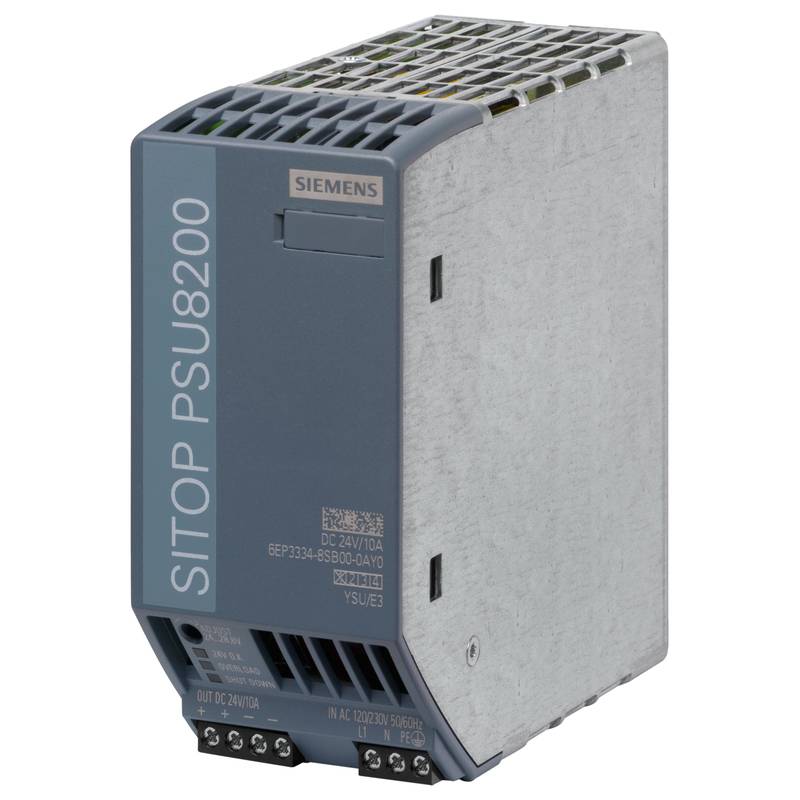












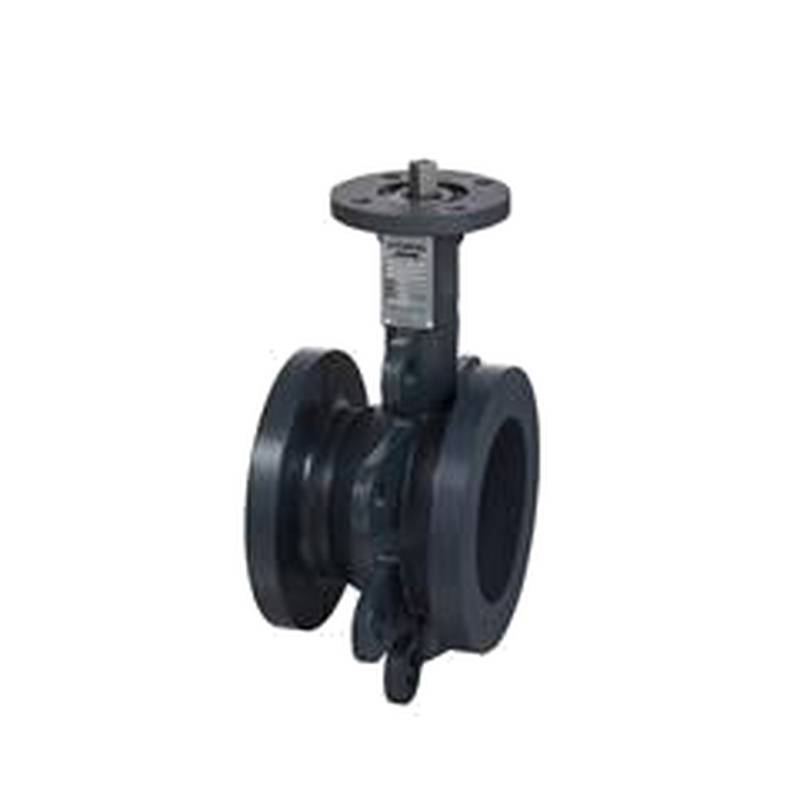
SIEMENS VAI61.40-25 Two-Way Ball Valve DN40 kvs 25 Control


The SIEMENS VAI61.40-25 Two-Way Ball Valve, a DN40 unit with a kvs of 25, represents a pinnacle of precision control in industrial fluid management. This valve excels with its robust construction, high flow capacity, and sophisticated actuation, making it ideal for demanding HVAC, building automation, and process control applications. Its ability to deliver accurate flow regulation, coupled with Siemens' renowned reliability, ensures optimal system performance and longevity.
Product Specifications
| Feature | Specification |
| :-------------------------- | :------------------------------------------- |
| Product Type | Two-Way Ball Valve |
| Manufacturer | Siemens |
| Model | VAI61.40-25 |
| Nominal Diameter (DN) | 40 |
| Flow Coefficient (kvs) | 25 |
| Connection Type | Flanged (typically PN16 or PN40, verify specific model) |
| Actuator Interface | Integrated electronic actuator |
| Control Signal | 0-10 V, 2-10 V, or 4-20 mA (verify specific actuator model) |
| Material (Body) | Cast Iron, Ductile Iron, or Stainless Steel (verify specific model) |
| Material (Ball) | Chrome-plated brass or stainless steel |
| Sealing Material | EPDM or NBR (verify specific model) |
| Operating Temperature Range | -25 to 150 °C (verify specific model) |
| Pressure Rating | PN16 or PN40 (verify specific model) |
| Application | HVAC, Building Automation, Process Control |
Core Features & Market Positioning
The SIEMENS VAI61.40-25 distinguishes itself through its highly accurate and responsive flow control capabilities, facilitated by its kvs value of 25. This specification ensures precise regulation of fluid volume, a critical factor in maintaining stable environmental conditions or optimizing industrial processes. Siemens' VAI61 series is positioned as a premium solution for applications demanding exceptional reliability and long-term performance. Its integrated electronic actuator simplifies installation and offers advanced control functionalities, setting it apart from simpler, mechanically actuated valves. The robust design and quality materials employed ensure durability even in challenging industrial environments, providing a strong competitive advantage in terms of total cost of ownership.
Key Application Scenarios
This two-way ball valve is a cornerstone in sophisticated HVAC systems, where it precisely modulates water flow to air handling units for optimal temperature and humidity control. In building automation, it plays a vital role in managing central heating and cooling circuits, ensuring energy efficiency and occupant comfort. Industrial process control benefits from its accuracy in regulating the flow of various liquids, supporting applications like chemical processing, water treatment, and manufacturing lines. Its DN40 size and kvs 25 rating are particularly well-suited for medium to high-flow applications where precise modulation is paramount.
Practical System Integration Guidance
Integrating the SIEMENS VAI61.40-25 typically involves connecting its flanged ends to the process piping according to relevant pressure and material standards. The integrated electronic actuator requires proper electrical wiring for power supply and control signals. For control signals, common configurations include 0-10V, 2-10V, or 4-20mA, depending on the specific actuator variant and the building management system (BMS) or PLC controlling it. Ensure the control signal matches the actuator's input requirements to achieve accurate positioning. Commissioning involves verifying correct actuator rotation and establishing the desired flow characteristics within the control system's software. Always consult the specific installation and operating manual for the exact wiring diagrams and commissioning procedures.
Operation and Risk Mitigation
Safe operation of the SIEMENS VAI61.40-25 hinges on adherence to specified operating parameters, particularly temperature and pressure limits. Regular visual inspection for leaks or physical damage is crucial. Ensure the valve is installed in an accessible location to facilitate maintenance. Potential troubleshooting might involve checking the control signal, power supply to the actuator, or ensuring no foreign objects are obstructing the ball's movement. While specific error codes are typically displayed by the actuator's control interface or the BMS, common issues could relate to actuator faults, signal loss, or mechanical binding. Always disconnect power before performing any maintenance.
Scalability & Long-Term Value
The SIEMENS VAI61.40-25 offers significant long-term value through its compatibility with Siemens' broader automation platforms and its robust, repairable design. Its integration into modern building management systems and industrial control architectures, potentially leveraging digital communication protocols, allows for enhanced monitoring and predictive maintenance. The inherent quality of Siemens components suggests a long operational lifespan, minimizing the need for premature replacement. For future upgrades, its standard interface and control signal compatibility facilitate its inclusion in evolving system designs, supporting scalability as facility or process demands change.
FAQs
Q1: What is the primary function of the SIEMENS VAI61.40-25 ball valve?
This valve precisely controls fluid flow in industrial systems. It's designed for applications requiring accurate modulation. Its robust construction ensures reliability in demanding environments.
Q2: What does "DN40 kvs 25" mean for this valve?
DN40 refers to the nominal diameter, indicating its pipe size compatibility. Kvs 25 signifies the flow coefficient, representing flow rate at a specific pressure drop. This allows for precise flow calculations and control.
Q3: What types of industries commonly use the VAI61.40-25?
It's widely adopted in HVAC and building automation. Industrial process control also benefits from its accurate regulation. Water treatment and chemical processing are key sectors.
Q4: How is the VAI61.40-25 controlled?
It utilizes an integrated electronic actuator. Control signals can be 0-10V, 2-10V, or 4-20mA. This allows for seamless integration with BMS and PLCs.
Q5: What are the typical connection types for this valve?
The valve usually features flanged connections. These are typically rated for PN16 or PN40 pressure classes. Always verify the specific model's flange rating.
Q6: What materials are commonly used in the construction of this valve?
Valve bodies can be cast iron or ductile iron. Stainless steel options may be available for corrosive media. The ball is typically chrome-plated brass or stainless steel.
Q7: What is the operating temperature range for the VAI61.40-25?
The valve generally operates between -25°C and 150°C. This wide range suits diverse industrial applications. However, always confirm the exact specification for your model.
Q8: How can I ensure proper installation of this valve?
Connect flanged ends according to pressure standards. Ensure the electrical wiring for the actuator is correct. Refer to the manufacturer's installation manual for detailed guidance.
Q9: What are common issues encountered during operation?
Potential issues include actuator faults or signal problems. Mechanical binding due to debris can also occur. Regular inspection and proper system maintenance are key.
Q10: Does this valve support integration with smart building or IIoT systems?
Yes, its electronic actuator allows for digital communication. It can be integrated into modern BMS for advanced control. This enables remote monitoring and data analysis.