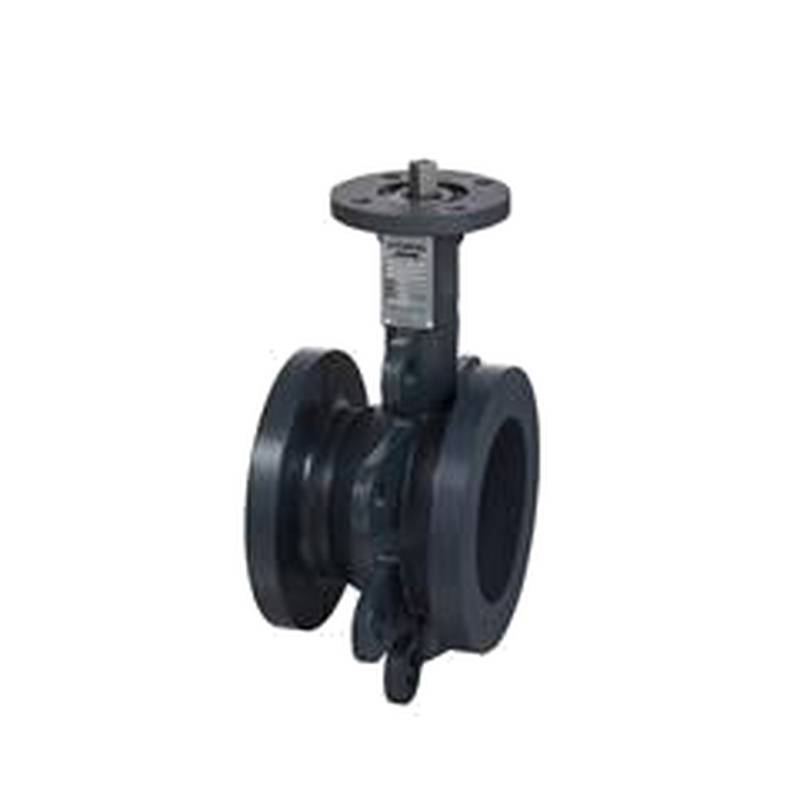












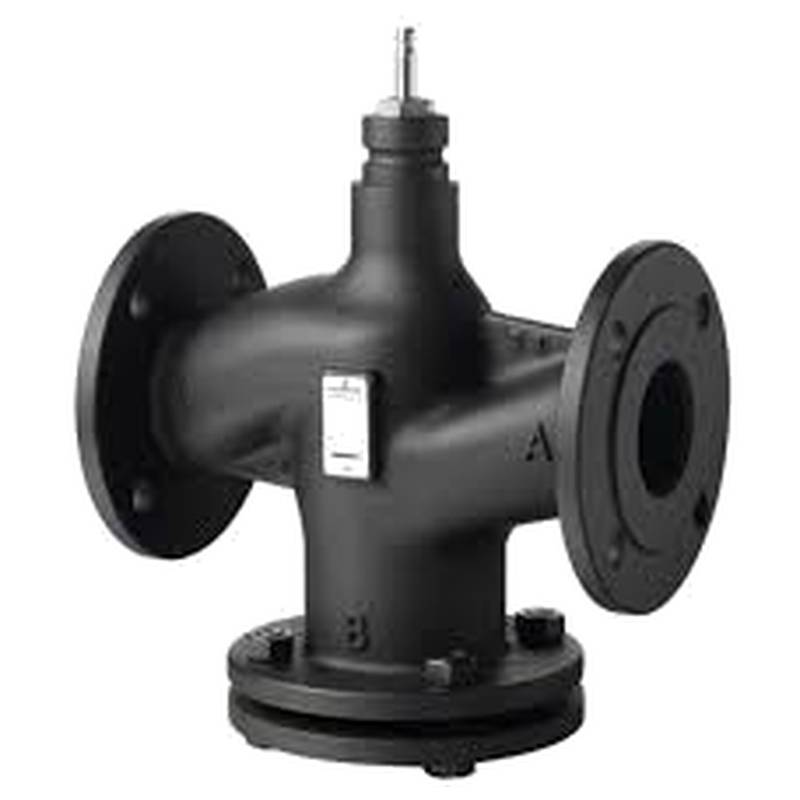
SIEMENS VVF53.40-12.5 Two-Way Valve DN40 kvs 12.5 Flanged


The SIEMENS VVF53.40-12.5 is a high-performance two-way control valve designed for precise fluid management in demanding industrial applications. This DN40 flanged valve boasts a kvs rating of 12.5, making it ideal for regulating flow in heating, ventilation, and air conditioning (HVAC) systems, district heating networks, and industrial process control. Its robust construction ensures reliable operation, while advanced Siemens technology delivers superior accuracy and efficiency.
Product Specifications
| Parameter | Specification |
| :-------------------- | :-------------------------- |
| Valve Type | Two-Way Control Valve |
| Manufacturer | Siemens |
| Model | VVF53.40-12.5 |
| Nominal Diameter (DN) | 40 |
| Connection Type | Flanged |
| kvs Value | 12.5 m³/h |
| Max. Differential Pressure | 250 kPa (2.5 bar) |
| Travel | 20 mm |
| Material | Cast Iron (GG25) |
| Sealing | EPDM |
| Medium Temperature | -10…120 °C |
| Actuator Mounting | Direct |
| Degree of Protection | IP54 (with actuator) |
Core Features & Market Positioning
The SIEMENS VVF53.40-12.5 distinguishes itself through its precision engineering and robust design, positioning it as a reliable choice for critical flow control tasks. Its direct mounting capability simplifies installation and reduces potential points of failure. The EPDM sealing ensures excellent chemical resistance and durability, crucial for maintaining system integrity in varied industrial environments. Siemens' reputation for quality and innovation further solidifies the VVF53.40-12.5's market standing as a dependable and efficient control solution.
Key Application Scenarios
This two-way valve finds extensive application in hydronic balancing and control systems within commercial buildings and industrial facilities. It is particularly well-suited for regulating the flow of water in chiller and boiler systems, ensuring optimal performance and energy efficiency. In district heating and cooling networks, the VVF53.40-12.5 plays a vital role in maintaining desired temperatures and pressures. Its ability to handle moderate differential pressures makes it a practical choice for terminal units and primary/secondary loop control in HVAC applications.
Practical System Integration Guidance
Integrating the SIEMENS VVF53.40-12.5 into existing systems is streamlined due to its standard DN40 flanged connection, facilitating easy mechanical coupling with compatible piping. For electrical integration, the valve typically requires a compatible Siemens actuator, such as an electric or electro-hydraulic type, which will connect via standard control signals (e.g., 0-10V, 4-20mA, or a 3-point step control, depending on the actuator model). Proper commissioning involves ensuring the actuator is correctly calibrated to the valve's stroke and that the control system is configured to send appropriate signals for precise flow regulation. Refer to the specific actuator's datasheet for detailed wiring diagrams and configuration parameters.
Operation and Risk Mitigation
Safe and efficient operation of the SIEMENS VVF53.40-12.5 hinges on adhering to its specified operating parameters, particularly temperature and differential pressure limits. The valve is designed for fluid compatibility with water and water-glycol mixtures within the specified temperature range. Potential risks include exceeding the maximum differential pressure, which can lead to premature wear or failure of the valve seat and stem. Incorrect actuator mounting or improper electrical connections can result in erratic control or complete system failure. Regular visual inspection for leaks and periodic operational checks are recommended to mitigate risks and ensure longevity.
Scalability & Long-Term Value
The SIEMENS VVF53.40-12.5 offers long-term value through its robust construction and compatibility with broader Siemens building automation and industrial control platforms. While the valve itself is a mechanical component, its integration into a digitally managed system allows for performance monitoring and predictive maintenance through advanced analytics. Upgrade paths often involve replacing the actuator with a more intelligent or communication-enabled model, thereby enhancing control capabilities and facilitating integration into IIoT frameworks without requiring a full valve replacement. This modular approach ensures that the core valve investment remains valuable as control technologies evolve.
Frequently Asked Questions
What is the maximum pressure the SIEMENS VVF53.40-12.5 can handle?
The valve has a maximum differential pressure rating of 250 kPa. This specification is crucial for system design.
Exceeding this limit can compromise valve integrity and performance. Always design within these parameters for optimal longevity.
Can I use the VVF53.40-12.5 with steam?
No, this valve is designed for water and water-glycol mixtures. Its EPDM seals are not suitable for high-temperature steam applications.
Consult Siemens documentation for valves specifically rated for steam service. High temperatures can damage the valve and seals.
What type of actuator is compatible with the VVF53.40-12.5?
It typically accepts direct-mount Siemens actuators. The specific actuator choice depends on control signal requirements.
Actuator compatibility is critical for precise flow control and system integration. Ensure the actuator matches the valve's torque and stroke needs.
How do I determine the correct kvs value for my application?
The kvs value indicates the flow rate at a specific pressure drop. It's calculated based on system requirements and desired flow.
Siemens provides selection tools and guidelines to assist in choosing the appropriate kvs. Accurate kvs selection ensures system efficiency.
Is the VVF53.40-12.5 suitable for aggressive chemicals?
The EPDM sealing is resistant to many common fluids, but not all aggressive chemicals. Its suitability depends on the specific chemical and concentration.
Always verify chemical compatibility with Siemens or your fluid supplier. Using it with incompatible chemicals can lead to seal degradation.
What is the operating temperature range for this valve?
The SIEMENS VVF53.40-12.5 operates within a temperature range of -10 to 120 °C. This range covers most HVAC and industrial water applications.
Operating outside this range can lead to performance issues or damage. Ensure your system operates within these specified thermal limits.
How is the valve installed?
The valve is flanged, meaning it connects to pipes using flanges and bolts. Direct mounting of the actuator simplifies installation.
Ensure proper gasket selection and torquing of flange bolts for a leak-free connection. Refer to the installation manual for detailed steps.
What maintenance is required for the VVF53.40-12.5?
Routine visual inspection for leaks and checking actuator operation are generally sufficient. Periodic operational checks are recommended.
Depending on the application, more in-depth maintenance might be specified by Siemens. Avoid unauthorized disassembly.
Can this valve be used in explosion-proof areas?
Standard versions of the VVF53.40-12.5 are not typically certified for hazardous or explosion-proof environments. Specific certifications are required for such applications.
For hazardous areas, consult Siemens for intrinsically safe or explosion-proof actuator and valve combinations. Always verify certifications for your specific environment.
Where can I find the full technical documentation for this valve?
The complete technical documentation, including datasheets and installation manuals, is available on the Siemens Industry Online Support (SIOS) platform. You can also request it from your Siemens sales representative.
Accessing the official documentation is essential for correct installation, operation, and maintenance. It contains all critical details.