












DANFOSS FC-101P37KT4E20H2XXCXXXSXXXXAXBXCXXXXDX 37kW 73A Three Phase 480V FC-101 VFD


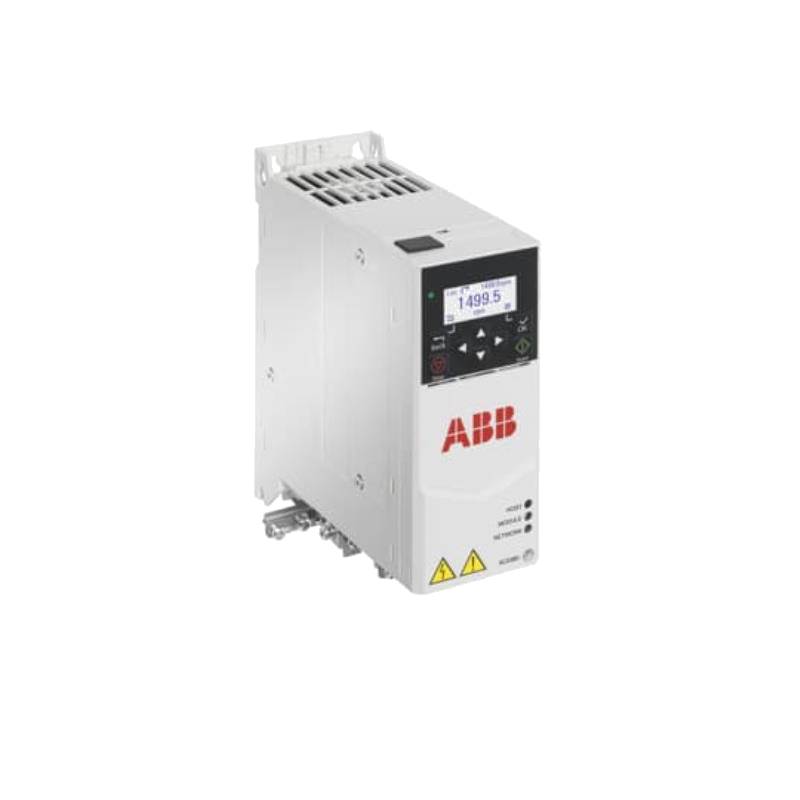
The Danfoss FC-101P37KT4E20H2XXCXXXSXXXXAXBXCXXXXDX 37kW 73A Three Phase 480V FC-101 Variable Frequency Drive (VFD) represents a robust and efficient solution for industrial motor control. Engineered for demanding applications, this VFD delivers precise speed regulation, significant energy savings, and enhanced operational reliability. Its core advantages lie in its advanced control algorithms, comprehensive protection features, and user-friendly interface, making it a preferred choice for professionals seeking optimal performance and longevity in their motor-driven systems. Key technical parameters include a 37kW power rating, a maximum output current of 73A, and operation on a three-phase, 480V power supply.
Product Specifications
| Parameter | Value |
| :---------------------- | :---------------------------------------- |
| Model | FC-101P37KT4E20H2XXCXXXSXXXXAXBXCXXXXDX |
| Power | 37 kW |
| Maximum Output Current | 73 A |
| Input Voltage | Three Phase, 480V |
| Series | FC-101 |
| IP Rating | Not explicitly specified in search result |
| Protection Features | Not explicitly specified in search result |
Core Features & Market Positioning
The FC-101 series, to which the FC-101P37KT4E20H2XXCXXXSXXXXAXBXCXXXXDX belongs, is recognized for its robust design and reliable performance in various industrial settings. Danfoss VFDs, in general, are known for their energy efficiency, often leading to substantial cost savings in operational expenditure by optimizing motor speed according to actual demand. This particular model's positioning in the market is bolstered by its high power and current ratings, making it suitable for medium to heavy-duty industrial applications. The integration of advanced control technologies ensures smooth motor operation, reducing mechanical stress and extending equipment lifespan, a critical factor for industrial operations aiming for high uptime and low maintenance costs.
Key Application Scenarios
This 37kW, 480V VFD is exceptionally well-suited for a wide array of industrial applications. Its robust current handling and power capabilities make it ideal for driving pumps in water and wastewater treatment plants, ensuring efficient fluid management and energy conservation. In manufacturing, it finds application in conveyor systems, mixers, and extruders where precise speed control is paramount for product quality and process consistency. The FC-101P37KT4E20H2XXCXXXSXXXXAXBXCXXXXDX is also a strong candidate for HVAC systems in large commercial buildings, optimizing fan and pump performance to reduce energy consumption and maintain comfortable environments. Its three-phase 480V compatibility aligns with standard industrial power grids, simplifying integration into existing infrastructure.
Practical System Integration Guidance
Integrating the Danfoss FC-101P37KT4E20H2XXCXXXSXXXXAXBXCXXXXDX into an industrial system requires careful attention to wiring and setup. Standard three-phase input power connections should be made to the L1, L2, and L3 terminals, ensuring proper grounding for safety. Motor connections are to the U, V, and W terminals. For optimal performance and protection, it is crucial to ensure the motor's nameplate data (voltage, current, frequency, power) is correctly configured within the VFD's parameters. The drive's control terminals allow for flexible integration with external control signals, such as start/stop commands from PLCs or local control panels, and analog inputs for speed setpoint adjustments. Always consult the official Danfoss FC-101 manual for detailed wiring diagrams and programming instructions specific to your application to prevent potential damage or operational issues.
Operation and Risk Mitigation
Operating the Danfoss FC-101P37KT4E20H2XXCXXXSXXXXAXBXCXXXXDX requires adherence to safety protocols. Ensure all power sources are disconnected before performing any wiring or maintenance. The VFD itself incorporates numerous protection features, such as overcurrent, overvoltage, undervoltage, and motor overload protection, which help prevent damage to the drive and the connected motor. Familiarity with common fault codes is essential for troubleshooting. For instance, error codes related to overcurrent (e.g., codes starting with '2') typically indicate that the motor is drawing more current than the drive can safely supply, often due to mechanical load issues, undersized motor, or incorrect VFD parameters. Always refer to the user manual for a comprehensive list of fault codes and their corresponding resolution steps.
Scalability & Long-Term Value
The Danfoss FC-101 series VFDs offer a degree of scalability and long-term value through their robust construction and compatibility with broader automation systems. While specific upgrade paths for this exact model are not detailed in the provided snippets, Danfoss generally designs its drives to be integrated into Supervisory Control and Data Acquisition (SCADA) systems or other industrial IoT (IIoT) platforms via communication options like Modbus or PRO-finet, enabling remote monitoring, diagnostics, and control. This integration capability enhances operational efficiency and facilitates predictive maintenance strategies, contributing to the long-term value proposition by minimizing downtime and optimizing performance across a fleet of equipment. The inherent energy-saving capabilities also translate to ongoing operational cost reductions, solidifying its value over its operational lifespan.
Frequently Asked Questions (FAQs)
What is the primary function of the Danfoss FC-101P37KT4E20H2XXCXXXSXXXXAXBXCXXXXDX VFD?
This VFD controls the speed of three-phase AC motors. It achieves this by converting fixed frequency and voltage AC power to variable frequency and voltage. This precise control leads to energy savings and improved process management.
It allows for soft starting and stopping of motors. This reduces mechanical stress on the equipment. It also helps prevent electrical surges in the power supply system.
The primary goal is to optimize motor performance. This is done by matching motor speed to the actual load requirements. This leads to increased efficiency and reduced wear.
How does the 37kW power rating affect its application?
A 37kW power rating indicates it can drive heavy-duty industrial machinery. This makes it suitable for applications requiring significant torque. Examples include large pumps, fans, and compressors.
This power capacity ensures stable operation under demanding load conditions. It prevents the VFD from overheating or tripping due to overload. It offers a reliable solution for substantial motor loads.
For motors rated at or below 37kW, this VFD provides ample capacity. It allows for potential future needs or variations in load requirements. It ensures robust motor control.
What are the benefits of using a 480V three-phase VFD like this model?
Three-phase 480V power is standard in most industrial settings. This simplifies installation and integration into existing power infrastructure. It avoids the need for voltage conversion equipment.
Using a VFD at 480V enables significant energy savings. It optimizes motor speed to match load demands. This can lead to reduced electricity bills by up to 50%.
Variable speed control improves process efficiency. It allows for precise adjustments to machinery operation. This enhances product quality and reduces operational costs.
Can the Danfoss FC-101P37KT4E20H2XXCXXXSXXXXAXBXCXXXXDX be used with single-phase motors?
No, this VFD is specifically designed for three-phase AC motors. It requires a three-phase power supply and outputs three-phase power. Using it with single-phase motors is not supported and will cause damage.
Single-phase motors have different winding configurations and starting mechanisms. This VFD's internal electronics are not compatible with their operational requirements. Always match the VFD to the motor's phase configuration.
Always verify the motor you intend to control is a three-phase type. The product model clearly indicates its three-phase capability for industrial applications. Using the correct VFD for the motor type is critical for safety and functionality.
What are common troubleshooting steps for the FC-101 series VFDs?
First, check for obvious signs of damage or loose connections. Review the error code displayed on the VFD's panel. Consult the user manual for the meaning of the specific error code.
Common issues include overload faults, which can stem from mechanical problems. Also check for power supply issues like undervoltage or overvoltage. Ensure parameters are correctly set for the motor and application.
Verify motor wiring and connections are secure and correct. If the issue persists, perform a factory reset or contact Danfoss technical support for advanced diagnostics. Always prioritize safety by disconnecting power before inspection.
How can I integrate this VFD with a PLC for automated control?
You can integrate it using digital inputs and outputs for basic control signals. Use terminals for start/stop commands and speed reference signals. This is a common and straightforward method.
For advanced integration, utilize communication protocols like Modbus RTU, PRO-finet, or EtherNet/IP. These protocols allow for comprehensive data exchange. You can monitor VFD status, adjust parameters remotely, and receive fault information.
Ensure your PLC has a compatible communication module. Configure the VFD's communication parameters and the PLC's communication settings accordingly. Refer to both the VFD and PLC manuals for detailed setup instructions.
What are the typical operating temperature and environmental considerations?
This VFD typically operates within a standard industrial ambient temperature range, often around -10°C to 50°C. Ensure adequate ventilation around the drive to dissipate heat. Avoid direct sunlight or dusty environments.
Proper installation in a clean, dry, and well-ventilated enclosure is recommended. This protects the VFD from dust, moisture, and extreme temperatures. It also ensures optimal heat dissipation for longevity.
Consider using an appropriate enclosure with cooling fans if operating in higher ambient temperatures or dusty conditions. Always refer to the specific product manual for exact environmental specifications and derating guidelines.
How does the 73A current rating compare to typical motor requirements?
A 73A current rating means the VFD can safely supply this amount of current to the motor. This rating is crucial for ensuring the VFD doesn't overheat or fail under load. It supports motors that draw up to this continuous current.
This capacity is suitable for motors that typically have a full load amperage around this value. It provides a healthy margin for motor startup inrush currents and temporary overloads. This ensures reliable operation for demanding applications.
When selecting a VFD, always match its current rating to the motor's nameplate current. Ensure the VFD's rating is equal to or greater than the motor's full load amperage. This VFD is robust for many industrial motor sizes.
What are the key advantages of the FC-101 series over older VFD technologies?
The FC-101 series often features more advanced control algorithms for better motor performance. This includes improved torque control and faster response times. They also tend to be more energy-efficient, reducing operational costs.
Modern FC-101 drives typically have enhanced protection features. This offers better safeguarding against electrical faults and motor issues. They also incorporate more user-friendly interfaces and diagnostic capabilities.
Integration with modern automation systems is often a key advantage. This allows for better connectivity, remote monitoring, and IIoT capabilities. This makes them more suitable for smart factory environments.
What safety precautions should be taken when installing and operating this VFD?
Always ensure the main power supply is disconnected before any wiring or maintenance. Proper grounding of the VFD and motor is essential for safety and performance. Follow all local electrical codes and regulations.
The VFD contains high voltage components even when not powered. Allow sufficient discharge time after power off before touching any internal parts. Use appropriate personal protective equipment (PPE).
Familiarize yourself with the emergency stop procedures and fault indications. Never bypass safety interlocks. Regular inspections and maintenance by qualified personnel are crucial.