











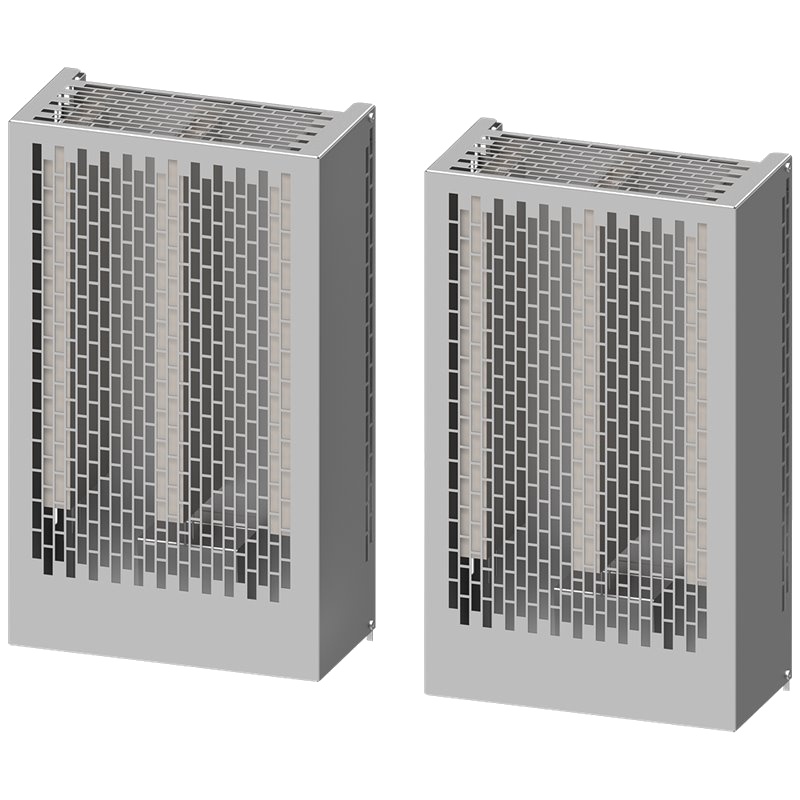
SIEMENS JJY:023424020002 SINAMICS G120 Braking Resistor for Power Module FSC 1.2kW 2.4kW


The SIEMENS JJY:023424020002 SINAMICS G120 Braking Resistor is an essential component for managing regenerative energy in variable frequency drive (VFD) systems. This braking resistor is specifically designed for integration with SIEMENS SINAMICS G120 Power Modules, offering robust performance for 1.2kW and 2.4kW applications. Its primary advantage lies in its ability to safely dissipate excess energy generated during motor deceleration, preventing overvoltage and protecting the drive system. Key technical parameters include a nominal power rating of 1.2kW and 2.4kW, an Ohmic resistance of 50 Ohms, and a duty cycle of 10%. The robust construction ensures reliable operation in demanding industrial environments.
Product Specifications
| Parameter | Value |
| :-------------------- | :------------------------------------ |
| Manufacturer | Siemens |
| Product Number | JJY:023424020002 |
| Series | SINAMICS G120 |
| Component Type | Braking Resistor |
| Power Rating | 1.2 kW, 2.4 kW |
| Resistance | 50 Ohms |
| Duty Cycle | 10% |
| IP Rating | IP20 |
| Connection Type | Screw Terminals |
| Dimensions (HxWxD) | 146 mm x 115 mm x 95 mm (approximate) |
Core Features & Market Positioning
The SIEMENS JJY:023424020002 stands out in the industrial VFD market due to its seamless integration with the SINAMICS G120 platform, a widely adopted and trusted drive system. This inherent compatibility minimizes engineering effort and ensures optimal performance, setting it apart from generic braking resistor solutions. Its design prioritizes thermal management and electrical stability, crucial for applications involving frequent braking cycles or high-inertia loads. The device's market positioning is solidified by Siemens' reputation for reliability and advanced industrial automation technology. Its robust IP20 rating also provides adequate protection against solid objects larger than 12.5 mm, suitable for many control cabinet environments.
Key Application Scenarios
This braking resistor is predominantly utilized in applications where a motor needs to decelerate rapidly or where regenerative energy is a significant factor. Common scenarios include material handling systems, such as conveyors and cranes, where loads are often lowered or stopped quickly. It is also critical in machine tools and processing equipment that require precise positioning and swift stopping. Industries benefiting from the SIEMENS JJY:023424020002 include manufacturing, logistics, and any sector employing automated machinery where dynamic motor control is paramount. The 50 Ohm resistance value is specifically chosen for optimal performance with the associated SINAMICS G120 power modules.
Practical System Integration Guidance
Integrating the SIEMENS JJY:023424020002 into a SINAMICS G120 system is straightforward. The resistor connects to the DC bus terminals (often marked P+ and M) of the corresponding SINAMICS G120 Power Module (FSC). Ensuring proper torque is applied to the screw terminals is vital for a secure electrical connection and to prevent overheating. Parameterization within the SINAMICS G120 drive is also necessary; specific braking parameters, such as the braking choppper activation threshold and the duty cycle limits, must be configured to match the resistor's specifications. Referencing the SINAMICS G120 control unit's manual is recommended for detailed parameter settings.
Operation and Risk Mitigation
Safe operation of the SIEMENS JJY:023424020002 braking resistor relies on correct system configuration and adherence to load limits. Overloading the resistor beyond its rated power or duty cycle can lead to excessive heat, potential damage, and system failure. The resistor dissipates energy as heat, so adequate ventilation around the installed unit is crucial to prevent thermal runaway. It is essential to ensure the braking chopper functionality is enabled and correctly configured in the SINAMICS G120 drive to activate the resistor when needed, preventing overvoltage on the DC bus. Regular inspection for physical damage or loose connections should be part of a preventive maintenance schedule.
Scalability & Long-Term Value
The SIEMENS JJY:023424020002 braking resistor offers significant long-term value through its compatibility with the scalable SINAMICS G120 platform. As power requirements or braking demands increase, users can often scale their SINAMICS G120 system by upgrading to larger power modules or adding additional braking units, with this resistor being a common choice for specific power ratings. Its robust design ensures longevity, reducing the need for frequent replacements. Furthermore, its integration within the Siemens automation ecosystem facilitates potential upgrades to more advanced control strategies or digital solutions, supporting Industry 4.0 initiatives and IIoT integration.
FAQs
What is the primary function of the SIEMENS JJY:023424020002 braking resistor?
The braking resistor's main role is to dissipate excess electrical energy generated during motor deceleration. This prevents overvoltage on the DC bus of the SINAMICS G120 drive. It ensures a safe and stable operation for the VFD system.
This process is crucial for applications with high inertia loads or frequent stopping. The resistor converts regenerative energy into heat. Without it, the VFD could fault and shut down.
By safely absorbing this energy, the braking resistor extends the lifespan of the drive components. It also allows for more precise and controlled motor stops.
How do I properly connect the SIEMENS JJY:023424020002 braking resistor to a SINAMICS G120 Power Module?
Connect the resistor's terminals to the DC bus terminals (P+ and M) of the SINAMICS G120 Power Module. Ensure secure screw terminal connections for optimal electrical contact. Always follow the wiring diagrams provided in the SINAMICS G120 manual for your specific power module.
Verify that the power module is appropriately rated for the 1.2kW or 2.4kW resistor. Double-check all connections before applying power to the system. Proper grounding of the resistor and drive system is also essential for safety.
Consult the technical documentation for the exact connection points and any specific cable cross-section recommendations. Incorrect wiring can lead to component damage or safety hazards.
What are the key specifications to consider when selecting this braking resistor?
Consider the power rating (1.2kW/2.4kW) and resistance value (50 Ohms) for compatibility with your SINAMICS G120 power module. The duty cycle (10%) is critical for applications with frequent braking. Also, note the IP20 rating for environmental suitability.
Ensure the resistor's thermal dissipation capabilities match your application's braking energy requirements. The physical dimensions and mounting method should also be suitable for your control cabinet space. Always refer to the SINAMICS G120 drive's technical data for recommended braking resistor specifications.
The drive's control unit must be configured to recognize and utilize the connected braking resistor effectively. Incorrect parameterization can lead to overvoltage faults or improper braking performance.
Can the SIEMENS JJY:023424020002 be used with SINAMICS G120 drive systems other than the FSC series?
While designed for the SINAMICS G120 platform, its compatibility may extend to other compatible G120 power modules or chassis, provided the voltage and current ratings align. Always verify the specific power module's technical manual for compatible braking resistor types and specifications. The resistance value and power rating are key factors in determining compatibility.
The primary determinant for using this resistor is the DC bus voltage and current handling capabilities of the power module. If a different power module in the SINAMICS G120 family shares similar DC bus characteristics, it might be usable. However, Siemens designs specific resistors for optimal performance with their modules.
For absolute certainty, cross-reference the JJY:023424020002 part number with the SINAMICS G120 system manual or a Siemens automation specialist. Incorrect pairings can lead to drive faults or reduced braking effectiveness.
What is the recommended operating temperature range for this braking resistor?
The product details do not explicitly state an operating temperature range, but it's designed for industrial environments. Proper ventilation within the control cabinet is crucial for effective heat dissipation. Overheating can occur if not installed correctly or if used beyond its duty cycle.
Siemens industrial components typically operate reliably within ambient temperatures common in control cabinets, often up to 50-60°C. However, the resistor itself will generate significant heat during operation. Ensure adequate airflow around the unit.
Always ensure that the temperature rating of the surrounding control cabinet and other components is not exceeded. Refer to the SINAMICS G120 Power Module specifications for its operating temperature limits, as the resistor's performance is linked to the drive's overall thermal management.
How does the 10% duty cycle affect the application of this braking resistor?
A 10% duty cycle means the resistor can be actively engaged for a maximum of 10% of a given time period, with the remaining 90% being off-time for cooling. This is suitable for applications with intermittent, but not continuous, heavy braking needs. Exceeding this limit can cause overheating and failure.
This specification is critical for sizing the resistor correctly based on the frequency and duration of braking events in your specific application. If your application requires continuous braking, a resistor with a higher duty cycle or a different thermal management solution would be necessary.
For example, if a cycle is 60 seconds long, the resistor can be active for a maximum of 6 seconds within that minute. Analyze your motor's load profile to ensure it fits within this duty cycle constraint.
What safety precautions should be taken when installing and operating the SIEMENS JJY:023424020002?
Always ensure the power supply to the SINAMICS G120 drive is completely de-energized and locked out before performing any wiring or maintenance. The braking resistor dissipates significant heat during operation, so ensure adequate clearance for ventilation to prevent burns or fire hazards. Wear appropriate personal protective equipment (PPE).
Verify that the resistor is securely mounted and all connections are tight to prevent arcing or loose wiring. Never operate the drive with a damaged or improperly installed braking resistor. Environmental conditions should also be considered; ensure it's not exposed to conductive dust or excessive moisture.
Regularly inspect the resistor for signs of physical damage or degradation. Implement a preventive maintenance schedule that includes checking connections and ventilation paths. Follow all local electrical codes and safety regulations.
What happens if the braking resistor fails or is not connected to the SINAMICS G120 drive?
If the braking resistor fails or is not connected, the SINAMICS G120 drive will likely experience an overvoltage fault (e.g., F07001 or similar) during deceleration. This is because the regenerative energy cannot be dissipated. The drive will shut down to protect itself from damage.
This fault condition prevents the VFD from operating correctly and can lead to unexpected stops in automated processes. It highlights the critical role of the braking resistor in managing the drive's DC bus voltage under dynamic load conditions. The drive's internal braking chopper will not have a load to discharge into.
It is crucial to address any braking resistor faults promptly. Ensure proper diagnosis to determine if the resistor itself has failed or if there is a configuration issue with the drive parameters or wiring.
Is it possible to use a generic braking resistor instead of the SIEMENS JJY:023424020002?
While generic resistors may seem like a cost-saving option, it is generally not recommended for optimal performance and safety with SINAMICS G120 drives. Generic resistors may not have the precise resistance value, power dissipation characteristics, or thermal management required. They may also lack the specific certifications or integrated features for seamless integration.
Siemens designs its braking resistors to match the electrical characteristics and control algorithms of its SINAMICS G120 series. Using a non-OEM component could lead to suboptimal braking performance, increased risk of drive faults, premature component failure, and voiding of any warranty. Compatibility issues with the drive's braking chopper are a significant concern.
Always prioritize using genuine Siemens accessories like the JJY:023424020002 for SINAMICS G120 applications. This ensures reliability, safety, and optimal system performance, avoiding potential costly troubleshooting and downtime.
How does this braking resistor contribute to energy efficiency in a SINAMICS G120 system?
This braking resistor's primary function is energy dissipation, not energy saving. It converts potentially harmful regenerative energy into heat, which is then released into the environment. While it doesn't recover energy, it prevents system downtime and damage caused by overvoltage, indirectly contributing to overall operational efficiency and reliability.
However, the SINAMICS G120 drive system itself, when used with proper configuration, can improve energy efficiency by adjusting motor speed to match load demands. The braking resistor ensures that this efficient operation is not compromised by excessive braking energy that could otherwise cause faults. It enables the drive to operate more dynamically and efficiently under varying loads.
For true energy recovery, a SINAMICS G120 drive system can be configured with an active infeed module or a regenerative braking unit that feeds energy back to the grid. The JJY:023424020002 is for applications where direct energy dissipation is the required method.