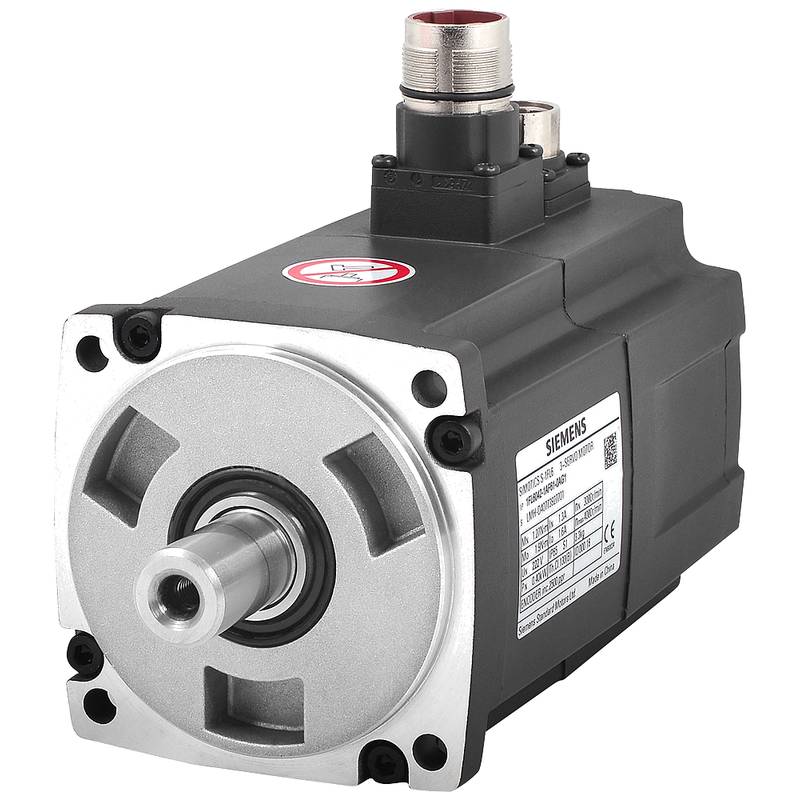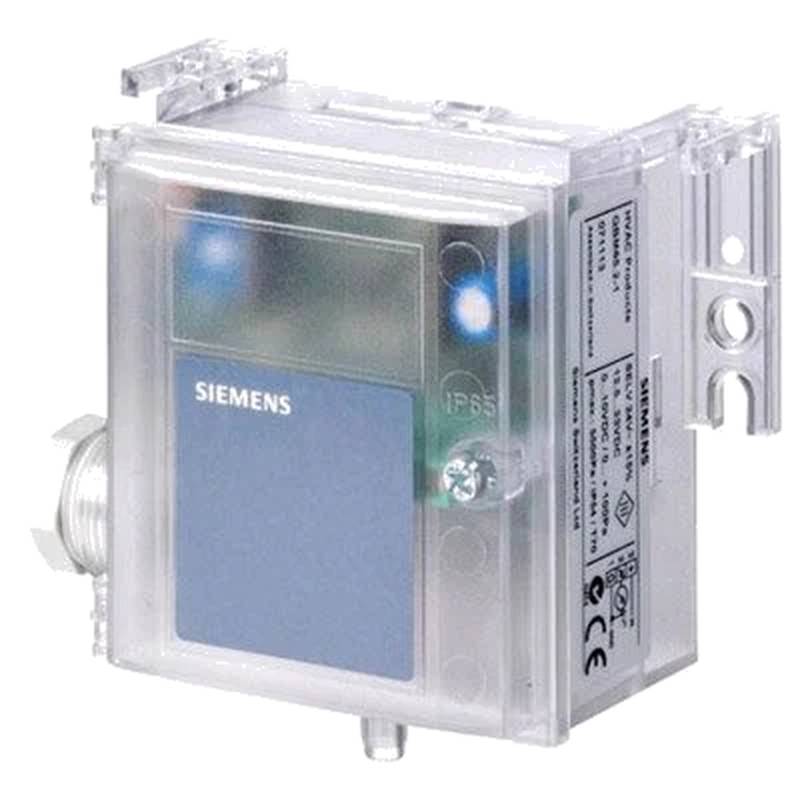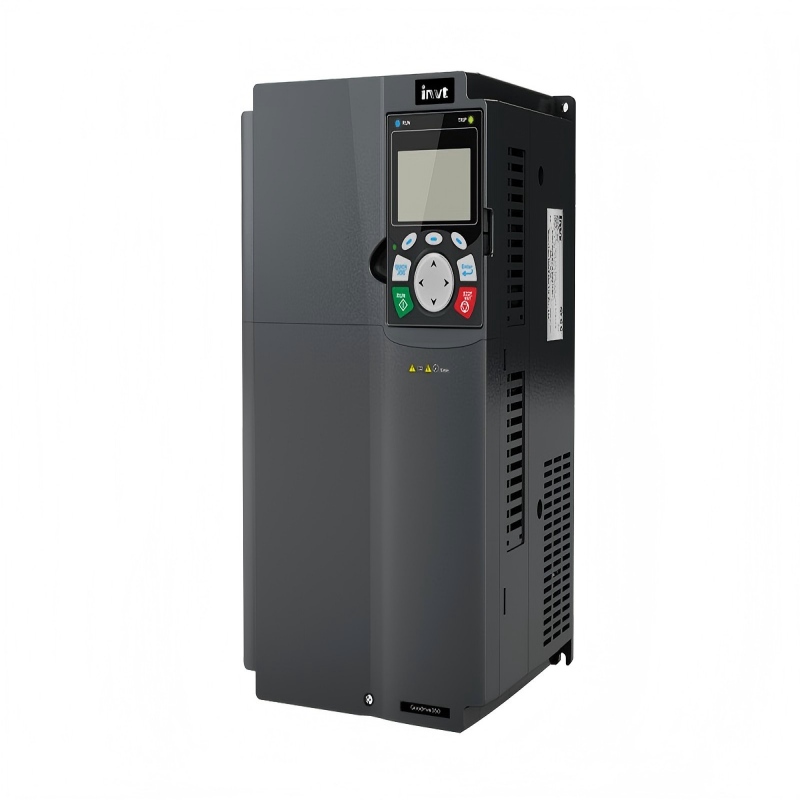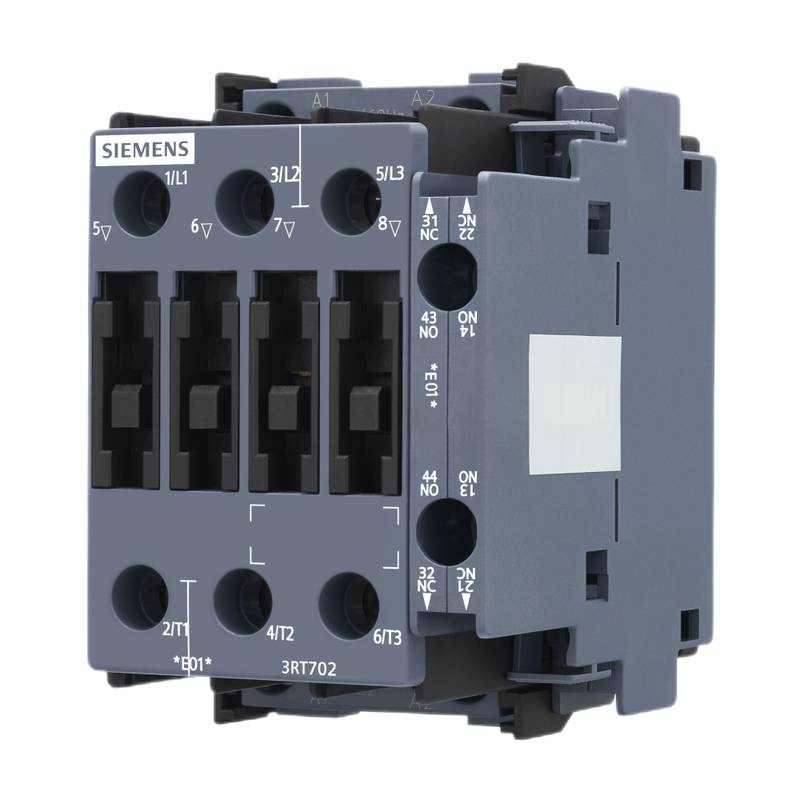
SIEMENS JJY:023422620001 SINAMICS G120 Braking Resistor for Power Module FSB 200W 400W


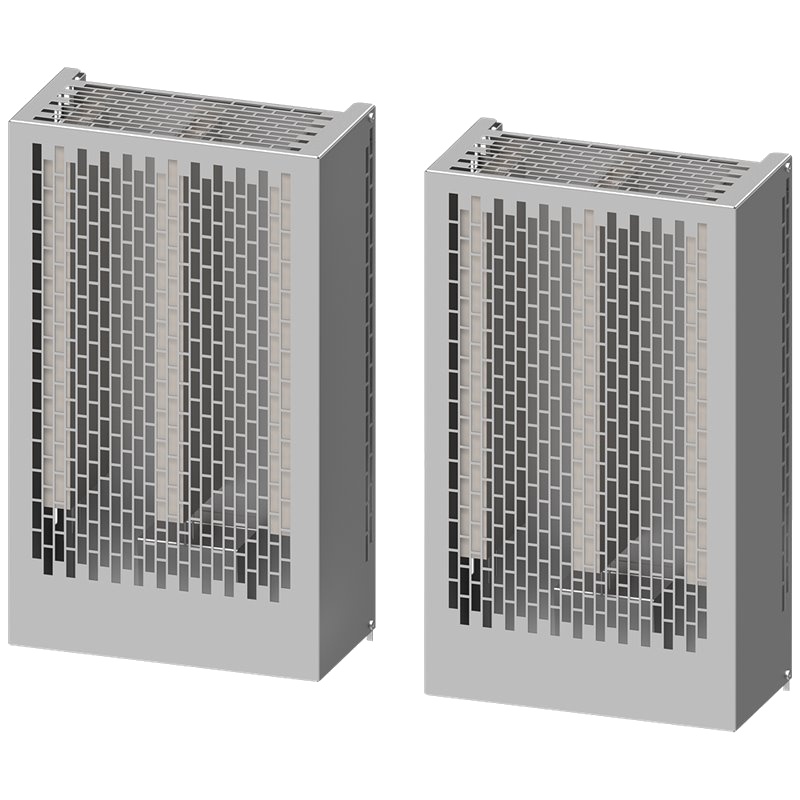
The SIEMENS JJY:023422620001 SINAMICS G120 Braking Resistor for Power Module FSB is a critical component designed to manage and dissipate excess energy generated during the deceleration of motor-driven applications. This resistor is engineered for seamless integration with the SINAMICS G120 series of frequency converters, specifically for Power Module FSB variants, offering enhanced operational efficiency and component longevity. Its robust design ensures reliable performance in demanding industrial environments, making it an indispensable part of modern automation systems. The unit's primary advantage lies in its ability to prevent overvoltage during regenerative braking, thereby protecting the drive system and ensuring smooth, controlled stops.
| Feature/Parameter | Value |
| :----------------------- | :--------------------------------------- |
| Product Type | Braking Resistor |
| Manufacturer | Siemens |
| Series | SINAMICS G120 |
| Compatibility | Power Module FSB |
| Power Rating | 200W, 400W (referring to module capacity) |
| Part Number | JJY:023422620001 |
| Voltage Rating | Dependent on G120 CU and PM configuration |
| Resistance Value | Specific values depend on application needs and G120 configuration |
| Protection Class | IP20 typical for SINAMICS components |
| Operating Temperature | -20°C to +50°C typical for SINAMICS |
Core Features & Market Positioning
The SIEMENS JJY:023422620001 distinguishes itself through its tailored integration with the SINAMICS G120 platform, offering a plug-and-play solution that minimizes engineering effort. This specific resistor is designed to complement the advanced control capabilities of the G120 series, ensuring optimal performance during dynamic braking cycles. Unlike generic braking resistors, the SINAMICS G120 variant is built to Siemens' stringent quality standards, guaranteeing durability and consistent thermal management. Its market positioning is firmly within high-performance industrial automation, where precise motor control and system reliability are paramount. The ability to handle regenerative energy effectively contributes to energy savings and reduces stress on the power supply infrastructure.
Key Application Scenarios
This braking resistor is ideally suited for applications requiring frequent or rapid motor deceleration, such as material handling systems, conveyor belts, cranes, and elevators. In these scenarios, the motor acts as a generator during braking, and the SIEMENS JJY:023422620001 safely dissipates the resulting energy as heat, preventing voltage spikes that could damage the drive or the power grid. It is also valuable in machine tools and processing machinery where controlled stops are essential for product quality and operational safety. The integration with SINAMICS G120 Power Module FSB makes it a natural fit for a wide range of manufacturing and processing industries seeking robust and efficient motor control solutions.
Practical System Integration Guidance
Integrating the SIEMENS JJY:023422620001 braking resistor involves connecting it directly to the DC bus terminals of the compatible SINAMICS G120 Power Module FSB. The specific terminals are clearly marked on the drive and the resistor itself. Ensuring proper polarity during connection is crucial. Configuration within the SINAMICS drive parameters is also necessary to activate and optimize the braking resistor's function. Parameters related to overvoltage thresholds and braking choppers need to be set according to the application's dynamic requirements and the resistor's specifications. The resistor's heat dissipation capabilities must be considered, ensuring adequate ventilation around the installed unit to prevent overheating.
Operation and Risk Mitigation
During operation, the braking resistor engages automatically when the DC bus voltage exceeds a predefined limit, typically during deceleration. The energy is dissipated as heat, which is normal. Operators should be aware that the resistor can become very hot during operation and should not be touched immediately after use. Risk mitigation involves ensuring the resistor is correctly sized for the application's braking energy requirements and that adequate cooling is provided. Fault codes within the SINAMICS G120 system will typically indicate issues related to braking resistor function, such as over-temperature or connection problems. Regular inspection of wiring and connections is recommended to prevent electrical faults.
Scalability & Long-Term Value
The SIEMENS JJY:023422620001 offers significant long-term value through its compatibility with the modular SINAMICS G120 platform. This modularity allows for easy replacement or upgrade of components as application needs evolve. While the resistor itself is a fixed component, the associated SINAMICS G120 drive can be scaled with different power modules and control units. This integrated system approach ensures that the braking resistor remains a relevant component within a flexible and upgradeable automation architecture. Its robust construction contributes to a long operational lifespan, reducing the total cost of ownership. Furthermore, its efficient energy management capabilities align with modern industrial trends towards energy efficiency and IIoT integration, providing a foundation for smarter manufacturing processes.
Frequently Asked Questions
What is a SINAMICS G120 braking resistor?
A SINAMICS G120 braking resistor is an accessory for Siemens frequency converters designed to dissipate excess energy. This energy is generated during motor deceleration when the motor acts as a generator. The resistor converts this electrical energy into heat, preventing overvoltage on the drive's DC bus. It is crucial for applications requiring rapid or frequent stops, protecting the drive components.
The SIEMENS JJY:023422620001 is specifically designed for compatibility with the SINAMICS G120 Power Module FSB. It ensures that the drive operates safely and efficiently by managing regenerative braking energy. Proper integration safeguards the overall system from potential damage due to voltage spikes.
This component is essential for maintaining the integrity and performance of the SINAMICS G120 drive system in demanding industrial environments. It contributes to longer component life and smoother operational control by effectively managing braking torque.
How do I connect the SIEMENS JJY:023422620001?
Connecting the SIEMENS JJY:023422620001 involves wiring it to the dedicated DC bus terminals on the SINAMICS G120 Power Module FSB. Ensure that the power module is de-energized before making any connections. Observe correct polarity for a safe and functional setup.
Refer to the specific wiring diagrams provided in the SINAMICS G120 manual for the Power Module FSB. Incorrect wiring can lead to drive faults or damage to the resistor. Always double-check connections before applying power to the system.
The resistor is typically connected in parallel with the DC bus capacitors. This allows it to absorb excess voltage when the braking chopper is activated by the control unit. Secure and robust connections are vital for reliable operation.
What is the power rating of the SIEMENS JJY:023422620001?
The "200W 400W" designation typically refers to the continuous and peak power handling capabilities of the braking resistor unit, relative to the associated power module size it's designed for. The actual power dissipated depends on the application's braking duty cycle. It's designed to manage the energy generated by the FSB module.
The resistor's power rating must be sufficient for the application's specific braking energy requirements. Overloading the resistor can lead to overheating and failure. Consult the SINAMICS G120 documentation for detailed power calculation guidelines.
This braking resistor is engineered to work in conjunction with the SINAMICS G120 drive's control unit, which manages the engagement of the braking chopper. This intelligent control ensures the resistor is only active when needed, optimizing its utilization and lifespan.
Where is the braking resistor installed on a SINAMICS G120?
The SIEMENS JJY:023422620001 braking resistor is typically mounted externally to the SINAMICS G120 Power Module FSB, often in close proximity. It requires adequate ventilation to dissipate the heat generated during operation. Ensure the mounting location complies with safety regulations.
Siemens provides specific guidelines for the installation and ventilation of braking resistors to ensure optimal performance and prevent overheating. Proper airflow is critical for the resistor's longevity and the overall system's reliability. Consult the product manual for precise mounting instructions.
Installation usually involves secure mechanical fastening and electrical connection to the designated DC bus terminals of the power module. Ensure that the resistor is accessible for inspection and maintenance, and that it does not interfere with other control cabinet components.
What causes a braking resistor fault on a SINAMICS G120?
A braking resistor fault on a SINAMICS G120 can be caused by several factors, including a faulty connection, an overloaded resistor, or an issue with the drive's braking chopper. Overheating due to inadequate ventilation is also a common cause. Check for loose wiring first.
The control unit monitors the DC bus voltage and the activation of the braking chopper. If the voltage remains high despite the resistor being active, or if the resistor does not activate when needed, the drive will register a fault. This indicates a problem with the resistor or its circuit.
Troubleshooting typically involves verifying the resistor's resistance value, checking all electrical connections, and ensuring sufficient cooling. Consult the SINAMICS G120 fault code list for specific error messages and recommended corrective actions.
Can I use a generic braking resistor with SINAMICS G120?
While technically possible in some basic scenarios, using a generic braking resistor with a SINAMICS G120 is generally not recommended by Siemens. The SINAMICS G120 drive system is optimized for specific resistor characteristics and control algorithms. Deviating may compromise performance and safety.
Siemens designs its braking resistors, like the SIEMENS JJY:023422620001, to integrate seamlessly with the G120 control units and power modules. This ensures proper impedance matching, thermal management, and accurate activation of the braking function. Generic resistors might not meet these precise requirements.
Using a non-approved resistor can lead to overvoltage, undervoltage, or overheating faults, potentially damaging the drive or causing unexpected shutdowns. For reliable operation and to maintain warranty, always use Siemens-approved accessories.
What happens if the braking resistor fails?
If the SIEMENS JJY:023422620001 braking resistor fails, the SINAMICS G120 drive will likely detect an overvoltage condition during regenerative braking. The drive will then typically shut down to protect itself and connected equipment from potential damage. This results in an unplanned stop of the motor.
A failed resistor, or a failure in its connection, means that the excess energy generated during deceleration cannot be safely dissipated. This energy causes the DC bus voltage to rise rapidly, exceeding safe operating limits. The drive's protective functions will intervene to prevent damage.
Replacing the failed resistor with a compatible Siemens part, like the JJY:023422620001, and verifying the cause of failure are crucial steps. Ensure that the new resistor is correctly installed and that the system's parameters are properly configured.
How do I calculate the required braking resistor size?
Calculating the required braking resistor size involves determining the peak regenerative power and the desired braking time. This calculation typically uses the inertia of the load, the motor speed, and the duty cycle of the application. Siemens provides software tools or formulas for this.
The SIEMENS JJY:023422620001 is designed for specific FSB power modules, implying a pre-defined range of applications it can handle. However, for critical applications or custom setups, a detailed engineering calculation is always recommended to ensure the resistor is adequately sized.
You need to consider the continuous power rating versus the peak power the resistor must dissipate. Overlooking the peak power requirements can lead to resistor failure during rapid deceleration events. Always refer to the SINAMICS G120 engineering documentation for guidance.
What is the resistance value of this braking resistor?
The exact resistance value for the SIEMENS JJY:023422620001 is not a single fixed number often published directly, as it depends on the specific configuration and power module it's paired with within the SINAMICS G120 system. It's designed to provide a specific impedance suitable for the drive's braking chopper. The optimal resistance is key for efficient energy dissipation.
Siemens engineers these resistors to offer the correct ohmic value that balances effective braking with thermal management for the specific power module series. This value is determined by factors like the drive's DC bus voltage and the desired braking torque. It's a carefully chosen parameter for the intended application.
For precise resistance specifications or to confirm compatibility, it is best to consult the technical documentation for the SINAMICS G120 Power Module FSB and the braking resistor itself, or contact Siemens technical support directly. This ensures you have the most accurate and relevant data for your system design.
How does regenerative braking work with a braking resistor?
During regenerative braking, when a motor slows down, its electrical energy is converted into mechanical energy. This energy then flows back towards the drive's DC bus, increasing its voltage. If this voltage rises too high, it can damage the drive's components.
The braking resistor acts as a load connected to the DC bus. When the DC bus voltage reaches a certain threshold, the drive's control unit activates a braking chopper. This chopper diverts the excess regenerative energy to the braking resistor, where it is safely dissipated as heat.
This process allows the motor to decelerate smoothly and safely without over-voltaging the drive. The braking resistor is essential for applications where frequent or rapid deceleration occurs, ensuring the longevity and reliable operation of the SINAMICS G120 drive system.