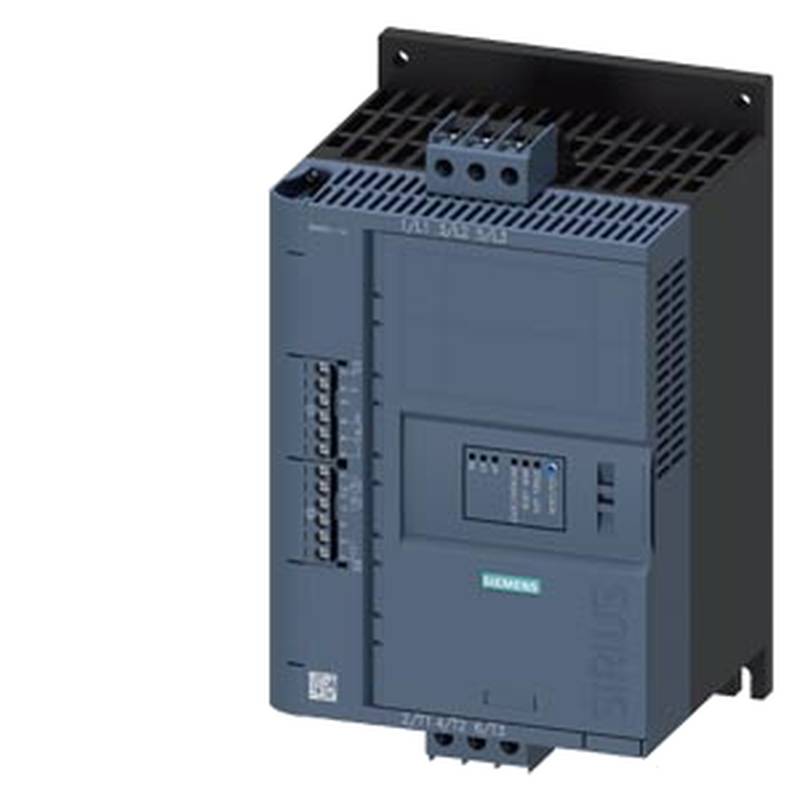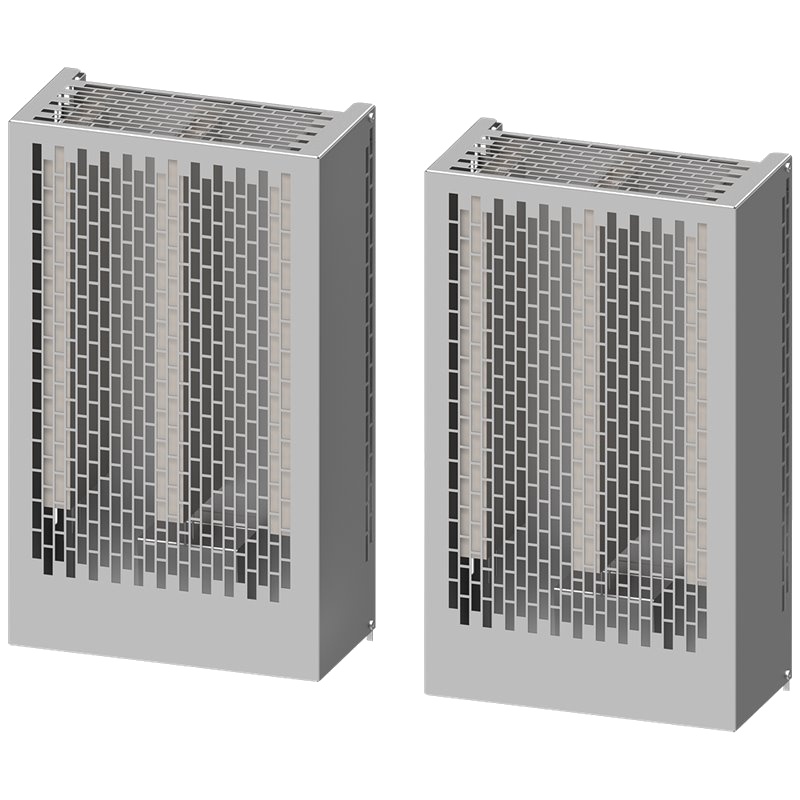
SIEMENS JJY:023433720001 SINAMICS G120 Braking Resistor for Power Module FSD 4.25kW 8.5kW


The SIEMENS JJY:023433720001 SINAMICS G120 Braking Resistor is engineered to enhance the performance and safety of motor control systems, particularly when paired with the SINAMICS G120 Power Module. This resistor unit is crucial for dissipating excess energy generated during regenerative braking, thereby protecting the drive and ensuring stable operation. Its robust design and precise power handling capabilities, rated for 4.25kW and 8.5kW, make it an indispensable component for demanding industrial applications. The JJY:023433720001 offers superior thermal management and reliability, a hallmark of SIEMENS industrial automation solutions.
Product Specifications
| Parameter | Value |
| :-------------------- | :----------------------------------------- |
| Manufacturer | SIEMENS |
| Product Number | JJY:023433720001 |
| Series | SINAMICS G120 |
| Type | Braking Resistor |
| Power Rating (Peak) | 8.5 kW |
| Power Rating (Cont.) | 4.25 kW |
| Compatibility | SINAMICS G120 Power Module (FSD variants) |
| Protection Class | IP20 (Typical, subject to enclosure) |
| Ambient Temperature | -20°C to +50°C (Typical, consult datasheet) |
| Resistance Value | Varies by specific part number (consult) |
Core Features & Market Positioning
The SIEMENS JJY:023433720001 distinguishes itself through its integrated design for the SINAMICS G120 platform, ensuring seamless compatibility and optimized performance. Its key advantage lies in its effective energy dissipation during deceleration, preventing overvoltage within the drive system and extending the lifespan of power components. This robust braking capability is critical for applications involving frequent starts and stops or those with significant overhauling loads. Market positioning is firmly within the high-reliability, industrial-grade segment, catering to sectors demanding precision control and operational security. The inherent SIEMENS quality and engineering ensure a dependable solution for critical motor control functions.
Key Application Scenarios
This braking resistor is ideally suited for a wide array of industrial applications where precise speed control and rapid deceleration are paramount. It finds extensive use in material handling systems, such as conveyor belts and cranes, where loads may need to be stopped quickly or held in position. Furthermore, it is beneficial in pump and fan applications that experience overhauling torque or require dynamic braking for safety during emergency stops. Manufacturing automation, packaging machinery, and machine tools frequently leverage the SINAMICS G120 with braking resistors like the JJY:023433720001 to achieve precise motion profiles and ensure operational integrity.
Practical System Integration Guidance
Integrating the SIEMENS JJY:023433720001 into a SINAMICS G120 system requires careful attention to wiring and parameterization. The resistor unit typically connects to the DC link terminals of the compatible SINAMICS G120 Power Module. Ensure the power module is appropriately rated and configured to accommodate the braking resistor. Parameterization within the SINAMICS drive configuration is crucial to define the braking torque thresholds and manage the resistor's duty cycle. Consult the SINAMICS G120 operating instructions and the specific datasheet for the JJY:023433720001 for detailed wiring diagrams and recommended parameter settings to prevent system faults and ensure optimal braking performance.
Operation and Risk Mitigation
Proper operation of the SIEMENS JJY:023433720001 involves ensuring it is correctly connected and parameterized within the SINAMICS G120 drive. Overheating is a primary risk, which can be mitigated by adhering to the specified continuous and peak power ratings and ensuring adequate ventilation for both the resistor and the power module. Fault codes related to overvoltage or braking chopper issues often indicate an improperly sized or malfunctioning braking resistor, or incorrect parameter settings. Regular inspection of connections and monitoring of drive temperatures during operation are essential risk mitigation practices. Always ensure the drive is powered down and capacitors discharged before performing any maintenance or inspection.
Scalability & Long-Term Value
The SINAMICS G120 platform, along with its accessories like the JJY:023433720001 braking resistor, offers significant scalability and long-term value. Compatibility with other SINAMICS components and the broader SIEMENS industrial automation ecosystem allows for expansion and integration into more complex systems. This modular approach facilitates upgrades and modifications to existing setups without requiring a complete system overhaul. For businesses investing in Industry 4.0 initiatives, the SINAMICS G120's capability to integrate with digital services and IIoT platforms ensures its continued relevance and value, supporting data-driven optimization and predictive maintenance strategies.
Frequently Asked Questions
What is the primary function of the SIEMENS JJY:023433720001 braking resistor?
The JJY:023433720001 dissipates excess energy generated during regenerative braking. This prevents overvoltage within the SINAMICS G120 drive system. It is essential for protecting drive components from electrical stress.
This resistor unit safeguards the power module and motor during deceleration events. It ensures a controlled and safe reduction in speed. Proper functioning extends the overall lifespan of the drive system.
Its core purpose is to manage kinetic energy that would otherwise return to the DC bus. This controlled dissipation maintains system stability and operational integrity. It's a critical safety and performance enhancement.
How does the power rating (4.25kW / 8.5kW) affect the selection of this resistor?
The 4.25kW rating denotes the continuous power dissipation capability. The 8.5kW rating signifies the peak power handling for short durations. You must match these ratings to your application's braking energy requirements.
Selecting a resistor with insufficient power ratings can lead to overheating and premature failure. It's crucial to calculate the regenerative energy and duty cycle accurately. Oversizing slightly can provide a safety margin.
Consulting the SINAMICS G120 documentation and performing energy calculations is vital. This ensures the resistor can safely handle the anticipated braking loads. Proper selection guarantees reliable operation and prevents costly downtime.
What are the main benefits of using a SIEMENS braking resistor with a SINAMICS G120 drive?
Using this resistor enhances system safety by preventing overvoltage conditions. It also improves control precision during dynamic braking applications. The solution offers robust and reliable energy dissipation.
It protects valuable drive components from damage caused by regenerative energy spikes. This leads to reduced maintenance costs and increased operational uptime. The integration is optimized for the G120 platform.
This combination ensures consistent performance and extends the lifespan of the motor and drive. It is a key component for applications requiring frequent stopping or overhauling loads. The SIEMENS ecosystem guarantees quality.
Can this braking resistor be used with SINAMICS G120 Power Modules other than FSD variants?
The JJY:023433720001 is specifically designed for SINAMICS G120 Power Modules, particularly those with FSD designations. Compatibility with other variants may exist but requires careful verification. Always consult the product datasheet and SIEMENS compatibility matrices.
Incorrect pairing can lead to improper operation, fault conditions, or damage to the drive system. Ensure that the power module's DC bus voltage and current ratings are compatible with the braking resistor's specifications. Proper system design is paramount.
For any uncertainty regarding compatibility, it is strongly recommended to contact SIEMENS technical support or a certified partner. They can provide definitive guidance on which G120 power module variants are supported. Verified compatibility ensures optimal performance.
What are typical installation considerations for the SIEMENS JJY:023433720001?
Ensure the braking resistor is mounted in an area with adequate ventilation. Avoid areas with excessive dust, moisture, or corrosive atmospheres. The resistor generates heat, so maintaining a safe distance from other components is important.
Proper electrical connections are crucial. Connect the resistor terminals directly to the DC bus terminals on the SINAMICS G120 Power Module. Follow the wiring diagrams provided in the SIEMENS documentation precisely.
Consider the physical mounting requirements and any specific enclosure requirements dictated by the IP rating. Secure mounting prevents vibration-related issues. Always follow safety procedures, including lockout/tagout, before installation.
How do I parameterize the SINAMICS G120 drive to utilize the braking resistor effectively?
Parameterization involves configuring the drive's braking control settings. You need to define the overvoltage threshold and the point at which the braking resistor is activated. Access these settings through the SINAMICS drive's control panel or engineering software.
Key parameters include the braking chopper enable, braking torque limit, and braking chopper activation threshold. Correctly setting these parameters ensures the resistor engages only when necessary, optimizing energy management. Refer to the SINAMICS G120 parameter list.
It is essential to understand your application's braking characteristics to set these parameters appropriately. Incorrect settings can lead to nuisance tripping or ineffective braking. Consult SIEMENS application notes for guidance.
What kind of troubleshooting steps should be taken if the drive reports a braking resistor fault?
Begin by visually inspecting the physical connections between the resistor and the power module. Check for any signs of damage, loose wiring, or overheating on both the resistor and its terminals. Ensure the resistor is securely mounted.
Verify the parameter settings related to the braking resistor and chopper functionality within the SINAMICS G120 drive. Ensure they are correctly configured according to the application requirements and SIEMENS recommendations. Reset the fault after checking.
If the fault persists, check the resistance value of the braking resistor itself using a multimeter (ensure the drive is powered off and discharged). A significantly out-of-spec resistance value indicates a faulty resistor that needs replacement.
Is the SIEMENS JJY:023433720001 compatible with future SINAMICS drive generations?
While SIEMENS strives for backward compatibility, specific integration with future generations is not guaranteed. The JJY:023433720001 is designed for the SINAMICS G120 platform. Newer SINAMICS generations might use different braking solutions.
For long-term projects or planned upgrades, it's advisable to consult SIEMENS' product roadmaps or technical documentation for upcoming series. This will provide insight into compatibility or recommended upgrade paths for braking components. Staying informed is key.
It's always best practice to verify compatibility with any new drive platform before system integration. SIEMENS' commitment to modularity often means related accessories can be integrated, but verification is crucial for new product lines.
What environmental conditions should be avoided when operating this braking resistor?
Operate the braking resistor in a clean, dry environment. Avoid exposure to high humidity, condensation, or direct contact with water or liquids. These conditions can lead to short circuits or corrosion.
Protect the unit from excessive dust, dirt, or abrasive particles, which can impede cooling and potentially cause internal damage. Harsh chemical vapors or corrosive atmospheres should also be avoided. Proper enclosure selection is vital.
Extreme temperatures outside the specified operating range can degrade performance and lifespan. Ensure the ambient temperature remains within the limits recommended by SIEMENS for both the resistor and the G120 power module.
How does this braking resistor contribute to energy efficiency in an industrial setting?
While primarily for safety and performance, regenerative braking recovers energy that would otherwise be dissipated as heat in conventional braking systems. This recovered energy can be fed back into the grid or used by other loads within the same facility, improving overall energy efficiency.
By enabling precise control and faster deceleration, it can reduce cycle times in automated processes. Shorter cycle times can lead to increased throughput and, consequently, more efficient use of the entire production line's energy consumption per unit produced.
The prevention of overvoltage also means the drive operates more consistently within its optimal efficiency range. Avoiding unnecessary energy dumps contributes to a more stable power draw and can indirectly support overall energy management strategies.