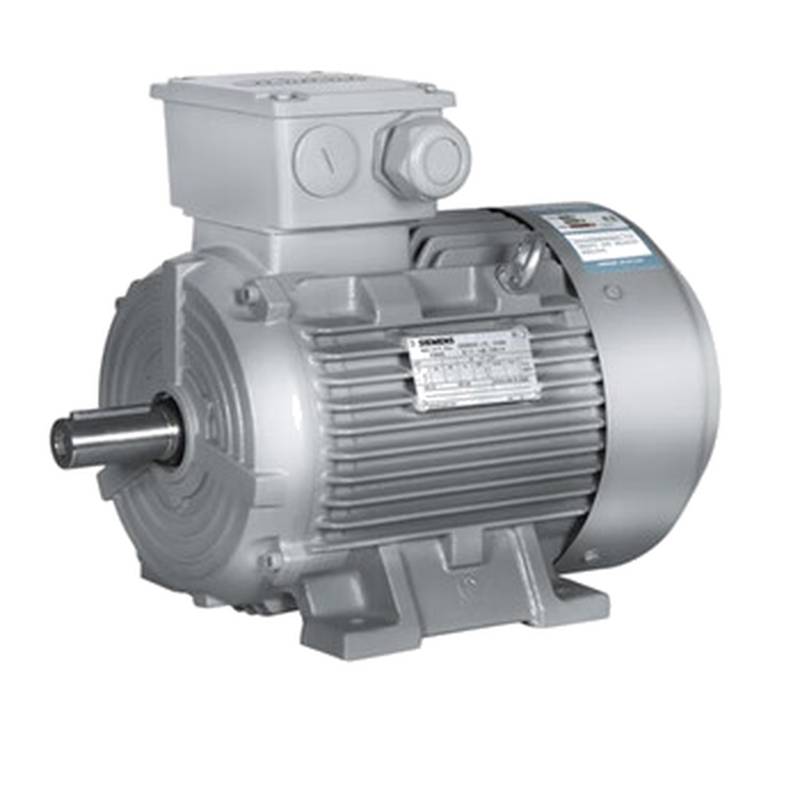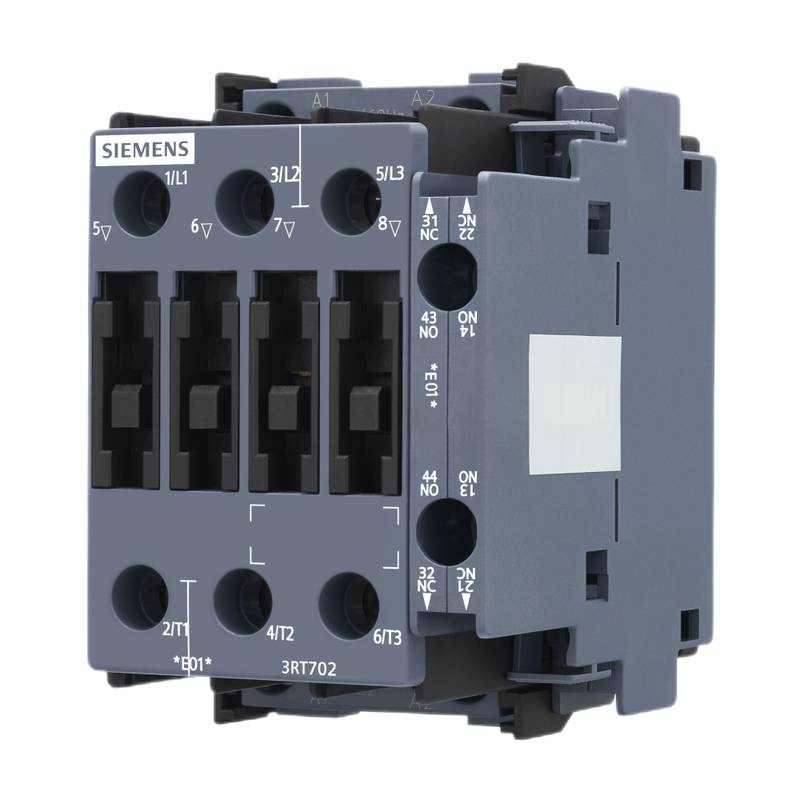













SCHNEIDER ATS22C11Q Soft Starter 110A 3 Phase


The SCHNEIDER ATS22C11Q soft starter is a robust 110A, 3-phase motor control solution designed for demanding industrial applications. Its key advantages include smooth acceleration and deceleration, reduced mechanical stress on machinery, and enhanced energy savings. This unit offers superior motor protection and operational reliability, making it a superior choice for applications requiring precise motor control and extended equipment lifespan. The ATS22C11Q boasts advanced features such as integrated bypass, comprehensive motor protection functions, and easy setup, positioning it as a leading option in its class for industrial automation.
| Parameter | Specification |
| :------------------------ | :---------------------------- |
| Product Type | Soft Starter |
| Model Number | ATS22C11Q |
| Rated Operational Current | 110 A |
| Number of Phases | 3-Phase |
| Voltage Range | 208-400 V AC |
| Control Voltage | 24 V AC |
| Mounting Type | Wall/Panel Mount |
| Protection Features | Overload, Short-circuit, Phase loss, Underload, Stall, Over-temperature |
| Bypass Contactors | Integrated |
| IP Rating | IP20 |
Core Features & Market Positioning
The SCHNEIDER ATS22C11Q distinguishes itself through its integrated bypass functionality, which eliminates the need for external bypass contactors, simplifying installation and reducing overall system cost. Its advanced motor control algorithms ensure exceptionally smooth ramp-up and ramp-down profiles, significantly minimizing mechanical shock and wear on driven equipment such as pumps, fans, and conveyors. This sophisticated control translates directly into increased equipment longevity and reduced maintenance requirements, a critical consideration in high-utilization industrial environments. The product's robust construction and comprehensive suite of motor protection features, including overload, phase loss, and stall protection, further solidify its position as a reliable and durable component in complex automation systems. Its intuitive setup and diagnostic capabilities, often facilitated through a simple interface or compatible software, contribute to its market appeal for professionals seeking both performance and ease of use.
Key Application Scenarios
This 110A, 3-phase soft starter is ideally suited for a wide array of industrial applications where smooth motor control is paramount. It excels in pump applications, preventing water hammer and reducing stress on piping systems during startup. For fan applications, it allows for gradual airflow adjustments, contributing to energy efficiency and noise reduction. Conveyor systems benefit from the controlled acceleration provided by the ATS22C11Q, ensuring smooth material handling and preventing jolts that could damage products or equipment. Other common scenarios include its use with compressors, mixers, and processing machinery in industries such as water treatment, manufacturing, food and beverage, and material handling, where precise control over motor starting and stopping is essential for operational efficiency and equipment protection.
Practical System Integration Guidance
Integrating the SCHNEIDER ATS22C11Q into existing industrial control systems is streamlined due to its design and common connectivity standards. The unit typically requires a 3-phase power supply connected to the main power terminals and the motor connected to the output terminals. The 24V AC control voltage is essential for its operation and should be wired according to the terminal diagram provided in the user manual. For straightforward installation, ensure adequate ventilation around the unit, as it can generate heat during operation. The integrated bypass contactor simplifies wiring by eliminating the need for external components, reducing potential points of failure and installation complexity. For advanced configuration, such as setting acceleration/deceleration times or overload thresholds, users can often utilize the integrated keypad and display, or connect to a PC via compatible software for more detailed parameter adjustments and diagnostics. This approach minimizes setup time and ensures optimal performance tailored to specific motor and load requirements.
Operation and Risk Mitigation
Proper operation of the SCHNEIDER ATS22C11Q is crucial for both performance and safety. Users must ensure that the motor's rated current and voltage fall within the starter's specified limits (110A, 208-400V AC) to prevent damage or malfunction. Always adhere to local electrical codes and standards during installation. During operation, monitor the starter for any warning lights or error codes displayed on the unit. Common troubleshooting may involve checking power supply connections, ensuring proper motor wiring, and verifying that overload settings are correctly configured for the specific motor and application. The ATS22C11Q is equipped with comprehensive internal diagnostics and protection mechanisms, including overload, phase loss, and thermal protection, which will trip the starter to safeguard the motor in case of anomalies. Refer to the product's technical documentation for a detailed list of fault codes and their corresponding mitigation procedures.
Scalability & Long-Term Value
The SCHNEIDER ATS22C11Q soft starter offers significant long-term value through its robust design and compatibility with broader automation ecosystems. While a soft starter itself provides essential motor control, its integration within a larger Schneider Electric automation architecture, such as with Programmable Logic Controllers (PLCs) or Variable Frequency Drives (VFDs), allows for enhanced system-wide control and monitoring. This enables advanced functionalities and data acquisition for Industrial Internet of Things (IIoT) applications, facilitating predictive maintenance and operational optimization. The durability and reliability of the ATS22C11Q ensure a long operational life, reducing the total cost of ownership. Furthermore, its design principles align with industry standards, ensuring compatibility with other control components and making future system expansions or upgrades more manageable.
Frequently Asked Questions (FAQs)
What is the primary function of the SCHNEIDER ATS22C11Q?
The ATS22C11Q provides smooth motor acceleration and deceleration. It protects the motor from electrical faults. This enhances equipment lifespan and reduces mechanical stress.
It manages starting current to prevent surges. This is crucial for grid stability and component longevity. The starter ensures consistent motor performance.
Its core purpose is to control the starting and stopping of 3-phase induction motors. It offers reliable operation and enhanced safety.
What are the main advantages of using the ATS22C11Q over a direct-on-line starter?
It significantly reduces starting current inrush. This prevents voltage dips and grid disturbances. It also minimizes mechanical shock on the motor and connected machinery.
The ATS22C11Q extends the operational life of equipment. It achieves this by eliminating the harsh mechanical and electrical stresses of DOL starting. This leads to lower maintenance costs.
It offers adjustable ramp times and torque control. This allows for optimized motor performance tailored to specific applications.
How do I correctly wire the SCHNEIDER ATS22C11Q for a 3-phase motor?
Connect the main 3-phase power supply to the input terminals (L1, L2, L3). Wire the motor to the output terminals (T1, T2, T3). Ensure all connections are secure and conform to local electrical codes.
Connect the 24V AC control voltage to the dedicated terminals. This is essential for the starter's internal logic and operation. Refer to the wiring diagram in the manual for precise terminal assignments.
Double-check all wiring before applying power. Incorrect wiring can lead to equipment damage or safety hazards. Consult the installation manual for detailed schematics.
What motor protection features are included in the ATS22C11Q?
The ATS22C11Q includes overload protection. It also features phase loss and underload protection. Stall and over-temperature protection are also integrated.
These features safeguard the motor from damage caused by abnormal operating conditions. This ensures reliable and safe motor operation. It minimizes downtime and repair costs.
The integrated protection functions are crucial for industrial environments. They provide comprehensive safety for both the motor and the electrical system.
Can the ATS22C11Q be used for single-phase motors?
No, the SCHNEIDER ATS22C11Q is specifically designed for 3-phase motors. It requires a 3-phase power supply for operation. Using it with a single-phase motor is not supported and can cause damage.
Single-phase motors have different starting requirements and electrical characteristics. Specialized single-phase starters or controllers are needed for such applications. Always verify motor type compatibility.
The product specifications clearly indicate its 3-phase capability. Always consult the product data sheet for precise application requirements.
What is the maximum voltage and current rating for the ATS22C11Q?
The ATS22C11Q operates with a voltage range of 208-400 V AC. It is rated for a maximum operational current of 110 A. It is designed for 3-phase AC induction motors.
Exceeding these voltage or current ratings can lead to severe damage to the soft starter and the motor. It may also pose a safety risk. Always ensure your motor's nameplate data is within these limits.
Adhering to the specified operational parameters is critical for safety and optimal performance. Always refer to the product's official specifications for exact details.
How can I configure the acceleration and deceleration times on the ATS22C11Q?
Acceleration and deceleration times can typically be set via the integrated keypad and display. This allows for manual adjustment of ramp times. Consult the user manual for specific button sequences and menu navigation.
Advanced configuration, including precise ramp control and soft start profiles, may be accessible through PC-based software. This software connects to the ATS22C11Q, offering a user-friendly interface for parameter tuning.
Setting appropriate ramp times is crucial for matching the motor's characteristics to the load. This optimizes starting smoothness and energy efficiency, preventing mechanical stress.
What does the integrated bypass feature on the ATS22C11Q do?
The integrated bypass allows the motor to run at full speed without passing through the soft starter's power electronics once started. This reduces heat generation within the starter during continuous operation. It also bypasses the starter's components to prevent wear.
This feature eliminates the need for external bypass contactors. This simplifies installation, reduces wiring complexity, and lowers overall system costs. It ensures efficient operation once the motor is up to speed.
The bypass engages automatically after the soft start sequence is complete. It disengages during the next start-up or if a fault occurs. This provides optimal protection and efficiency.
How do I troubleshoot common fault codes on the ATS22C11Q?
Refer to the product's official user manual for a comprehensive list of fault codes. The manual will detail the specific error code, its meaning, and recommended troubleshooting steps. Always power down the unit before performing any checks.
Common issues include power supply problems, incorrect wiring, or motor issues. Ensure the motor is correctly sized for the starter and that overload settings are properly configured. Check for loose connections.
If a fault persists after basic troubleshooting, it may indicate a more significant issue requiring professional assessment or replacement of the unit. Contact technical support for further assistance.
Is the SCHNEIDER ATS22C11Q compatible with IIoT platforms or remote monitoring?
While the ATS22C11Q itself may not have direct IIoT connectivity, it can be integrated into larger automation systems that do. This typically involves connecting it to a PLC or a communication gateway that supports IIoT protocols. This enables remote monitoring and data acquisition.
Modern automation architectures often leverage PLCs or industrial PCs to collect data from devices like the ATS22C11Q. These systems can then transmit the data to cloud-based platforms for analysis, diagnostics, and predictive maintenance.
Integration with IIoT platforms allows for enhanced visibility into motor performance and operational status. This facilitates proactive maintenance strategies and improves overall plant efficiency.