











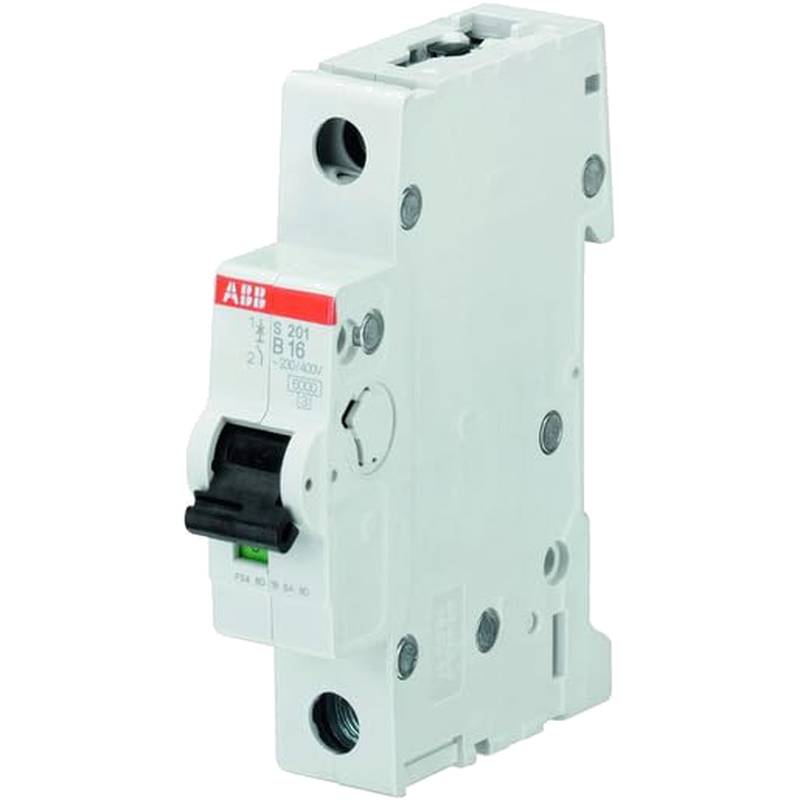
ABB S201-B3 Single Pole Circuit Protection Device 3A


The ABB S201-B3 is a highly reliable single-pole circuit protection device designed for robust electrical safety and performance. This compact and efficient circuit breaker offers a rated current of 3A and a tripping characteristic of Type B, making it ideal for protecting sensitive electronic equipment and general lighting circuits against overloads and short circuits. Its key advantages lie in its high breaking capacity, ensuring rapid disconnection during fault conditions, and its compliance with stringent international standards, guaranteeing dependable operation in diverse industrial and residential environments.
Product Specifications
| Feature | Specification |
| :-------------------- | :--------------------- |
| Manufacturer | ABB |
| Product Series | S200 |
| Model | S201-B3 |
| Number of Poles | 1 |
| Rated Current (In) | 3A |
| Tripping Characteristic | Type B |
| Rated Voltage (Ue) | 230/400V AC |
| Frequency | 50/60 Hz |
| Breaking Capacity (Icn) | 6 kA |
| Protection Type | Overcurrent, Short Circuit |
| Termination Type | Screw Terminal |
| Mounting Type | DIN Rail |
| Protection Degree | IP20 |
| Operating Temperature | -25 to +55 °C |
| Compliance Standards | IEC/EN 60898-1, IEC/EN 60947-2 |
Core Features & Market Positioning
The ABB S201-B3 stands out in the market due to its robust construction and precise tripping mechanism. Its Type B tripping curve is specifically engineered for applications where lower inrush currents are expected, such as protecting control circuits and sensitive electronic loads. Unlike Type C breakers, the Type B offers more sensitive protection against persistent low-level overloads and smaller short circuits, providing an enhanced layer of safety. This differentiation positions the S201-B3 as a preferred choice for applications demanding meticulous protection without unnecessary nuisance tripping, a critical factor in maintaining operational uptime and safeguarding valuable equipment. The S200 series, to which this device belongs, is renowned for its reliability and durability, making it a trusted component in electrical installations worldwide.
Key Application Scenarios
This 3A single-pole circuit breaker is extensively utilized in residential and light commercial settings for safeguarding lighting circuits, socket outlets, and low-power electronic devices. Its Type B characteristic makes it particularly suitable for protecting control circuits within machinery, alarm systems, and instrumentation panels where sensitive components are present. Industrial applications include supplementary protection for control transformers, and in situations where precise overcurrent detection is paramount to prevent damage to delicate equipment. Electricians and system designers commonly specify the ABB S201-B3 for ensuring compliance with electrical codes and providing reliable protection against common electrical faults.
Practical System Integration Guidance
Integrating the ABB S201-B3 into existing electrical systems is straightforward, owing to its standard DIN rail mounting compatibility. Ensure the main power supply is de-energized before installation. The live conductor should be connected to the line terminal (typically marked with an 'L' or a red indicator), and the load connection is made to the opposite terminal. For a single-pole device, only one phase conductor needs to be protected. The neutral conductor bypasses the circuit breaker and connects directly to the distribution busbar or load. Proper torque should be applied to the screw terminals to ensure a secure connection, preventing overheating and maintaining electrical integrity. Always adhere to local electrical wiring regulations and consult a qualified electrician for complex installations.
Operation and Risk Mitigation
The primary function of the ABB S201-B3 is to interrupt electrical circuits when the current exceeds safe levels, thereby preventing overheating, fire hazards, and damage to connected equipment. Its thermal-magnetic tripping mechanism ensures that overloads (slow-developing current increases) are detected by a bimetallic strip, while short circuits (sudden, high current surges) are instantaneously detected by an electromagnetic coil. In the event of a fault, the breaker will trip, indicated by the switch lever moving to the 'OFF' position. To reset, identify and rectify the cause of the fault, then firmly move the lever to the 'ON' position. Avoid resetting the breaker without addressing the underlying issue, as this can lead to repeated tripping and potential hazards.
Scalability & Long-Term Value
The ABB S201-B3, as part of the broader ABB S200 series, offers excellent compatibility with other components within the same product family, allowing for straightforward system expansion. This ensures that as electrical demands evolve, additional protection devices or complementary modules, such as auxiliary switches or surge protective devices, can be seamlessly integrated. The robust design and high-quality manufacturing by ABB ensure a long operational lifespan, reducing the need for premature replacements and contributing to the overall long-term value of the electrical installation. This inherent compatibility and durability underscore the S201-B3's position as a reliable, future-proof component for modern electrical systems.
FAQs
1. What is the primary function of the ABB S201-B3?
It safeguards electrical circuits from overcurrents. This prevents equipment damage and electrical fires.
It detects both overloads and short circuits. It then automatically interrupts power flow.
This circuit breaker ensures electrical safety and system reliability. It protects sensitive electronics and general loads.
2. What does the "B3" designation mean for the ABB S201-B3?
"B" refers to its Type B tripping characteristic. This means it trips on lower currents than Type C.
It is sensitive to inrush currents up to 5 times rated current. This is ideal for lighting and control circuits.
The "3" indicates a rated current of 3 Amperes. This specifies the maximum continuous current it can handle.
3. What types of applications is the ABB S201-B3 suitable for?
It is excellent for protecting lighting circuits. It is also used for socket outlets in homes.
This breaker is great for sensitive electronic equipment. Think control panels and alarm systems.
Industrial uses include protecting control transformers. It provides precise protection for delicate systems.
4. Can the ABB S201-B3 be used in residential and commercial settings?
Yes, it is widely used in homes and offices. It protects standard electrical circuits effectively.
Its compact size and DIN rail mounting ease installation. It fits standard distribution boards.
It meets safety standards for residential use. This ensures reliable protection for everyday needs.
5. What is the breaking capacity of the ABB S201-B3?
Its breaking capacity is 6 kA. This means it can safely interrupt faults up to 6000 Amperes.
This high breaking capacity ensures safety. It protects the system during severe short circuits.
It complies with IEC/EN standards for protection devices. This guarantees performance under fault conditions.
6. How do I install the ABB S201-B3 circuit breaker?
Ensure power is off before installation. Mount it securely on a standard DIN rail.
Connect the live wire to the terminal marked 'L'. The load connects to the other terminal.
Always follow local electrical codes. Consult a qualified electrician if unsure.
7. What is the difference between Type B and Type C circuit breakers?
Type B trips at lower overcurrents. It offers more sensitive protection against sustained faults.
Type C breakers tolerate higher inrush currents. They are used for motors and inductive loads.
The S201-B3's Type B is for loads with low starting currents. It prevents nuisance tripping in sensitive applications.
8. What are the voltage and frequency ratings for this device?
The rated voltage (Ue) is 230/400V AC. This suits most standard power systems.
It operates reliably on 50/60 Hz frequencies. This ensures compatibility worldwide.
Always check your system's voltage and frequency. Ensure they match the breaker's specifications.
9. How do I reset the ABB S201-B3 after it trips?
First, identify and fix the fault cause. Then, firmly move the switch lever to the 'ON' position.
Do not attempt to reset without fixing the issue. Repeated tripping indicates a persistent problem.
Resetting a tripped breaker is simple. Ensure safety by addressing the root cause first.
10. Is the ABB S201-B3 compatible with other ABB S200 series products?
Yes, it integrates seamlessly with the S200 series. This allows for system expansion and upgrades.
You can add accessories like auxiliary switches. This enhances monitoring and control capabilities.
Its compatibility ensures long-term value. It fits well into evolving electrical systems.