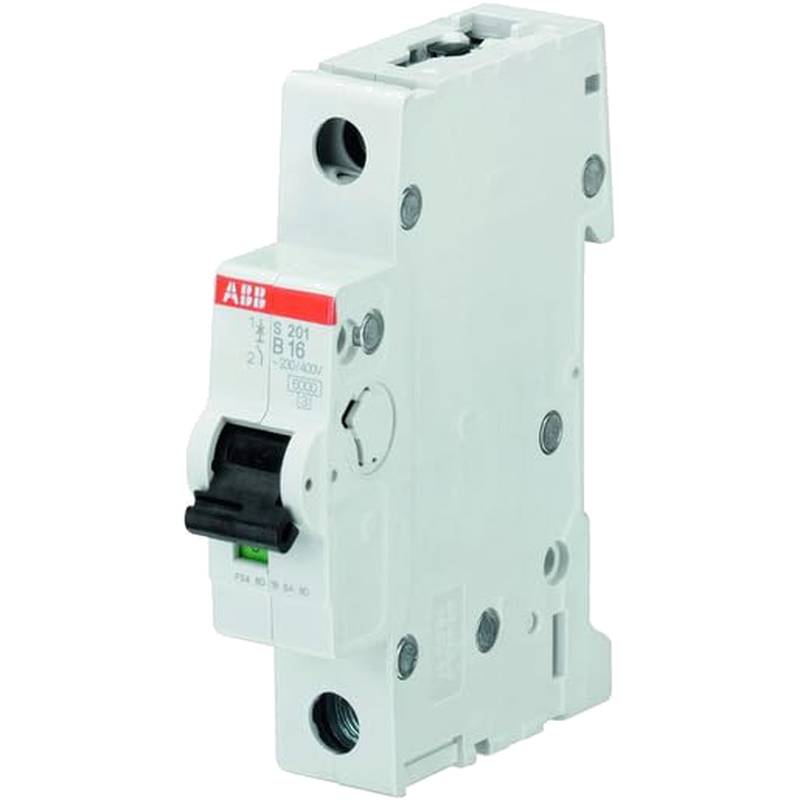
ABB S201-C20 20A MCB Single Pole Electrical Protection Device


The ABB S201-C20 Miniature Circuit Breaker (MCB) is a single-pole, 20A electrical protection device engineered for robust overcurrent and short-circuit protection in a wide array of industrial and residential applications. This highly reliable MCB distinguishes itself through its robust tripping characteristics, swift disconnection capabilities, and compliance with stringent international safety standards. Key technical parameters include a rated current of 20A, a C-curve tripping characteristic for inductive loads, and a breaking capacity of 6 kA, making it suitable for demanding electrical installations. The S201-C20 ensures operational continuity and protects sensitive equipment from damage caused by electrical faults.
Product Specifications
| Feature | Specification |
| :-------------------- | :--------------------------------- |
| Product Type | Miniature Circuit Breaker (MCB) |
| Manufacturer | ABB |
| Series | S200 |
| Model Number | S201-C20 |
| Number of Poles | 1 |
| Rated Current (In) | 20 A |
| Tripping Curve | C |
| Rated Breaking Capacity (Icn) | 6 kA |
| Rated Voltage (Un) | 230/400 V AC |
| Frequency | 50/60 Hz |
| Terminal Type | Screw terminals |
| Mounting Type | DIN rail (35 mm) |
| Protection Class | IP20 |
| Operating Temperature | -25 °C to +45 °C |
| Compliance Standards | IEC/EN 60898-1, IEC/EN 60947-2 |
Core Features & Market Positioning
The ABB S201-C20 stands out in the competitive landscape of circuit protection devices due to its advanced thermal-magnetic tripping mechanism, which provides reliable protection against both overload and short-circuit conditions. Its C-curve characteristic is specifically designed to handle moderate inrush currents typically associated with inductive loads such as motors and transformers, preventing nuisance tripping while ensuring swift disconnection during genuine fault events. This dual capability positions the S201-C20 as a versatile and dependable solution for safeguarding electrical circuits in diverse environments, from commercial buildings to industrial facilities. ABB's reputation for quality and innovation further solidifies the S201-C20's market standing as a premium, long-lasting protection device.
Key Application Scenarios
The robust design and specific tripping characteristics of the ABB S201-C20 make it exceptionally well-suited for a range of critical applications. It is widely employed in distribution boards for residential buildings, protecting individual circuits for lighting, sockets, and small appliances. In commercial settings, the S201-C20 is integral to safeguarding power circuits for office equipment, HVAC systems, and auxiliary power supplies. Industrially, it offers essential protection for motor control circuits, lighting circuits in manufacturing plants, and ancillary equipment where reliable overcurrent and short-circuit interruption is paramount. Its 6 kA breaking capacity is sufficient for many standard industrial installations, providing a vital layer of safety and operational integrity.
Practical System Integration Guidance
Integrating the ABB S201-C20 into electrical systems is a straightforward process, facilitated by its standard DIN rail mounting capability and screw terminals. Ensuring proper termination is crucial for reliable operation; always connect the live conductor to the line terminal and the load to the load terminal. For safety, confirm that the circuit is de-energized before commencing any installation or wiring work. The S201-C20 is designed to be installed in series with the circuit it protects, typically within a distribution panel or enclosure. Wiring should be appropriately sized for the 20A rating and securely fastened to prevent loose connections, which can lead to overheating and potential failure.
Operation and Risk Mitigation
The operational principle of the ABB S201-C20 relies on a bimetallic strip for overload protection and an electromagnetic coil for short-circuit protection. Overloads cause the bimetallic strip to heat up and bend, eventually tripping the mechanism. A sudden, high surge of current characteristic of a short circuit energizes the electromagnetic coil, creating a magnetic field that rapidly triggers the trip. To mitigate risks, regular inspection of the device and connected wiring is recommended to identify any signs of wear, damage, or overheating. Ensuring the correct C-curve characteristic is selected for the load type is also critical to prevent premature tripping or inadequate protection. Faulty operation, such as repeated tripping without apparent cause, should be investigated by a qualified electrician to identify and rectify the underlying issue.
Scalability & Long-Term Value
The ABB S201-C20 offers excellent long-term value through its inherent reliability and compatibility within the broader ABB S200 series ecosystem. This compatibility allows for seamless integration and potential upgrades to more advanced protection or control devices within the same product family if future system requirements demand it. While the S201-C20 itself is a foundational protection component, its integration into modern electrical systems can be enhanced through advanced monitoring systems or smart grid technologies, though direct IIoT connectivity is not a native feature of this specific model. The device's robust construction ensures a long operational lifespan, minimizing replacement costs and contributing to the overall stability and efficiency of the electrical infrastructure it serves.
Frequently Asked Questions
What is the purpose of the 'C' in ABB S201-C20?
The 'C' denotes the tripping characteristic of the circuit breaker. A C-curve breaker is designed to trip when the current is between 5 to 10 times the rated current. This makes it suitable for circuits with moderate inrush currents, such as those powering motors or transformers. It provides a balance between protection against faults and avoiding nuisance tripping from normal operational surges.
Can the ABB S201-C20 be used for residential lighting circuits?
Yes, the ABB S201-C20 is often suitable for residential circuits, including lighting. Its 20A rating and C-curve characteristic are appropriate for general lighting loads and standard wall socket outlets. It provides reliable protection against overloads and short circuits in typical home environments.
What is the breaking capacity of the ABB S201-C20, and is it sufficient for industrial use?
The ABB S201-C20 has a breaking capacity of 6 kA. This level of breaking capacity is generally sufficient for many common residential, commercial, and light to medium industrial applications. However, for very high fault current scenarios, higher breaking capacity MCBs or alternative protective devices might be necessary.
How do I properly install the ABB S201-C20 MCB?
Installation involves mounting the MCB onto a standard 35mm DIN rail. Ensure the circuit is de-energized before installation. Connect the incoming live wire to the terminal marked 'Line' and the outgoing wire to the terminal marked 'Load'. Use appropriately sized conductors and ensure all screw terminals are tightened securely.
What is the difference between a C-curve and a B-curve MCB?
A B-curve MCB trips between 3 to 5 times its rated current, suitable for purely resistive loads like lighting and heating. A C-curve MCB trips between 5 to 10 times its rated current, accommodating higher inrush currents from inductive loads like motors. The choice depends on the specific characteristics of the connected equipment.
Is the ABB S201-C20 a single-pole or multi-pole breaker?
The ABB S201-C20 is a single-pole circuit breaker. This means it is designed to protect and switch a single conductor, typically the live (phase) wire in a circuit. For circuits requiring protection on both live and neutral conductors, multi-pole breakers are used.
What is the maximum voltage rating for the ABB S201-C20?
The ABB S201-C20 has a rated voltage (Un) of 230/400 V AC. This indicates its suitability for standard single-phase (230V) and three-phase (400V) power systems commonly found in most electrical installations. Always ensure the breaker's voltage rating matches the system voltage.
Can I replace an existing MCB with the ABB S201-C20 if it has the same amperage rating?
While amperage is a key factor, it's crucial to match other specifications, particularly the tripping curve (e.g., C-curve) and breaking capacity (6 kA). Simply matching amperage is not sufficient; the correct curve and capacity ensure proper protection and system compatibility.
What maintenance is required for the ABB S201-C20?
Generally, MCBs like the S201-C20 require minimal maintenance. Periodic visual inspections for signs of damage or overheating are advisable. Occasional testing of the trip mechanism by activating the test button (if available) or through specialized testing equipment can confirm operational integrity.
Where is the ABB S201-C20 typically used in an industrial electrical panel?
In industrial panels, the S201-C20 is commonly used for protecting individual circuits for control transformers, small motors, auxiliary power supplies, and lighting. Its C-curve characteristic is beneficial for loads that experience temporary inrush currents during startup. It's a workhorse for general-purpose branch circuit protection.