











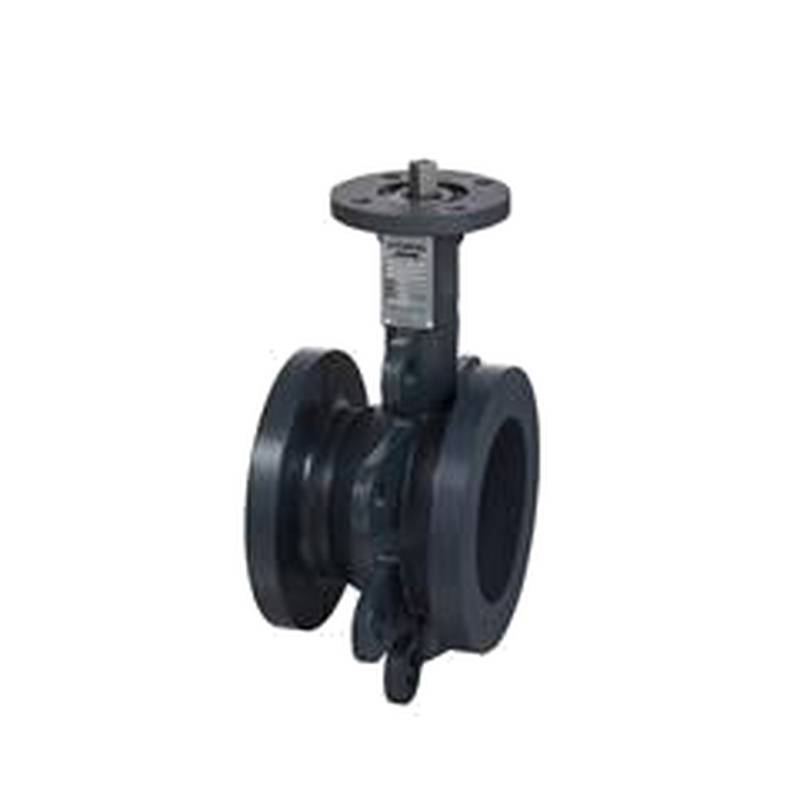
SIEMENS VAI61.50-40 Two-Way Ball Valve DN50 kvs 40 HVAC


The SIEMENS VAI61.50-40 is a high-performance two-way ball valve engineered for demanding HVAC applications, offering superior control and reliability. Its robust design and advanced features make it an ideal choice for precise flow regulation in building automation systems. Key advantages include exceptional durability, low maintenance requirements, and precise modulating capabilities. The valve boasts a nominal diameter (DN) of 50 and a characteristic kvs value of 40, ensuring efficient operation within its specified parameters.
Product Specifications
| Feature | Specification |
| :------------------- | :------------------------------------------ |
| Product Type | Two-Way Ball Valve |
| Manufacturer | SIEMENS |
| Model Number | VAI61.50-40 |
| Nominal Diameter (DN) | 50 |
| Characteristic Flow Coefficient (kvs) | 40 |
| Connection Type | Flanged |
| Actuator Type | Electric (typically with integrated control) |
| Control Signal | Modulating (e.g., 0-10 V, 4-20 mA) |
| Operating Temperature | Varies based on model variant, typically -10°C to +120°C |
| Pressure Rating | Varies based on model variant, e.g., PN16, PN25 |
| Body Material | Cast iron or stainless steel (application dependent) |
| Seal Material | EPDM or other suitable materials |
Core Features & Market Positioning
The SIEMENS VAI61.50-40 distinguishes itself in the HVAC market through its precision engineering and integration capabilities. As part of the Siemens Building Technologies portfolio, it leverages decades of expertise in automation and control. The valve's modulating control ensures tight shut-off and accurate flow adjustment, crucial for maintaining optimal building climate conditions and energy efficiency. Its robust construction, often featuring a cast iron or stainless steel body, provides excellent longevity and resistance to wear, positioning it as a reliable, long-term solution for commercial and industrial HVAC systems. The direct mounting of Siemens actuators simplifies installation and enhances system reliability.
Key Application Scenarios
This SIEMENS VAI61.50-40 ball valve is exceptionally suited for a variety of HVAC applications where precise fluid control is paramount. It excels in main water supply lines for heating and cooling systems, managing flow to air handling units, and controlling secondary circuits in complex hydronic systems. Its DN50 size and kvs 40 rating make it particularly effective in medium to large-scale building services, including commercial offices, hospitals, and educational institutions. The modulating capability is essential for maintaining stable temperatures and preventing energy waste in variable flow systems.
Practical System Integration Guidance
Integrating the SIEMENS VAI61.50-40 into an existing HVAC control system is streamlined due to its compatibility with standard Siemens automation platforms and common control signals. Typically, the valve requires an electric actuator, which can be directly coupled to the ball valve body. The actuator receives a modulating control signal, such as a 0-10V or 4-20mA analog input, from a Building Management System (BMS) or a dedicated controller. Wiring should follow the actuator's specific terminal layout, ensuring correct power supply and signal connections. Commissioning involves calibrating the actuator's stroke to match the BMS setpoints, ensuring accurate flow regulation from 0% to 100%.
Operation and Risk Mitigation
Proper operation of the SIEMENS VAI61.50-40 involves ensuring the control system provides appropriate signals and that the valve is not subjected to pressures or temperatures exceeding its specified limits. Risk mitigation primarily focuses on preventing actuator damage and ensuring system integrity. Common troubleshooting involves checking for correct power supply to the actuator, verifying the integrity of the control signal wiring, and confirming that no foreign objects are obstructing the valve's internal mechanism. While designed for reliability, periodic checks for leaks or unusual noises can preempt potential issues. Fault codes, if indicated by the actuator's diagnostic features, should be cross-referenced with the actuator's manual for specific remediation steps.
Scalability & Long-Term Value
The SIEMENS VAI61.50-40 offers significant long-term value through its inherent durability and Siemens' commitment to backward compatibility within its automation ecosystem. Its integration with modern Building Management Systems enables seamless incorporation into larger digital solutions, including IIoT platforms for advanced data analytics and predictive maintenance. While the valve itself is a discrete component, its ability to work within a scalable Siemens control architecture allows for system expansion without requiring a complete overhaul. Future upgrades to control logic or sensor technology can be easily implemented, ensuring the valve remains a functional and efficient part of an evolving building management strategy.
FAQs
What is the primary function of the SIEMENS VAI61.50-40 ball valve?
This valve precisely regulates fluid flow in HVAC systems. It is designed for modulating control, allowing for fine-tuning of water or other media circulation.
Its robust design ensures reliable performance in demanding building automation applications. The DN50 size and kvs 40 rating are optimized for specific flow rates and pressure drops.
The VAI61.50-40 is crucial for maintaining stable temperatures and energy efficiency in heating and cooling circuits.
What are the key technical specifications of the SIEMENS VAI61.50-40?
It features a nominal diameter (DN) of 50 and a kvs (flow coefficient) of 40. The valve is typically flanged for secure system connection.
It operates with electric actuators, accepting modulating control signals like 0-10V. Pressure and temperature ratings vary by specific model variant.
Body materials often include cast iron or stainless steel, with appropriate seal materials for durability and chemical resistance.
What types of HVAC systems is the SIEMENS VAI61.50-40 suitable for?
This valve is ideal for main heating and cooling lines, as well as control loops for air handling units. It performs exceptionally well in secondary circuits of complex hydronic systems.
Its precise control capabilities make it a perfect fit for variable flow applications and systems requiring stable temperature maintenance. Common installations are found in commercial buildings, hospitals, and educational facilities.
The DN50 size and kvs 40 make it suitable for medium to large-scale building services, ensuring efficient water management.
How is the SIEMENS VAI61.50-40 installed and commissioned?
Installation typically involves flange-mounting the valve body and directly coupling a compatible Siemens electric actuator. Secure connections are essential for proper function.
Commissioning requires wiring the actuator to the BMS or controller, ensuring correct power and control signal connections. Calibration of the actuator's stroke is then performed to match system setpoints.
The process ensures accurate flow regulation from minimum to maximum capacity, as defined by the control signal.
What are common troubleshooting issues with the SIEMENS VAI61.50-40?
Common issues include problems with the actuator's power supply or control signal integrity. Incorrect wiring can lead to valve malfunction.
Obstructions within the valve body, such as debris, can impede proper operation and shut-off. Ensure the fluid is free of contaminants.
Check the actuator's diagnostic indicators for fault codes, consulting the manual for specific troubleshooting steps and solutions.
Can the SIEMENS VAI61.50-40 be integrated with modern digital building management systems?
Yes, it integrates seamlessly with Siemens' own Building Management Systems (BMS). It is designed to work with standard control signals for broad compatibility.
The valve can be a component within larger IIoT (Industrial Internet of Things) frameworks for data analysis and predictive maintenance. This enhances overall building efficiency.
Its integration supports advanced automation strategies, allowing for remote monitoring and control of HVAC functions.
What is the expected lifespan and maintenance for this ball valve?
The SIEMENS VAI61.50-40 is built for durability and longevity in industrial HVAC environments. Its robust construction minimizes wear and tear.
Routine maintenance typically involves visual inspections for leaks or damage and ensuring the actuator is functioning correctly. Periodic flushing of the system may be beneficial.
With proper installation and operation within specified parameters, it offers a long service life with minimal proactive maintenance needs.
What are the pressure and temperature limitations for the VAI61.50-40?
Specific pressure and temperature limitations are dependent on the exact variant of the VAI61.50-40 and its associated actuator. These details are found in the product's technical documentation.
Common variants might be rated for pressures like PN16 or PN25, with operating temperature ranges often from -10°C up to 120°C. Exceeding these can cause damage or failure.
Always consult the official Siemens datasheet for the precise model number to ensure safe and effective operation within its design envelope.
What control signals does the actuator for the VAI61.50-40 typically use?
The actuators commonly utilize modulating control signals for precise flow adjustment. Standard signals include 0-10V DC analog voltage.
Another frequent control signal is the 4-20mA analog current loop, offering robust signal transmission over longer distances.
These signals allow the Building Management System (BMS) to command the valve to open or close to a specific percentage, ensuring precise flow control.
How does the kvs value of 40 affect the valve's performance?
The kvs value of 40 indicates the flow rate in cubic meters per hour (m³/h) of water at 1°C temperature difference across the valve. A higher kvs value signifies greater flow capacity for a given pressure drop.
This specific kvs value is chosen to match the flow requirements of the connected HVAC system. It ensures efficient water delivery to heating or cooling coils without unnecessary throttling losses.
Selecting a valve with an appropriate kvs value is critical for optimal system performance, energy efficiency, and occupant comfort.