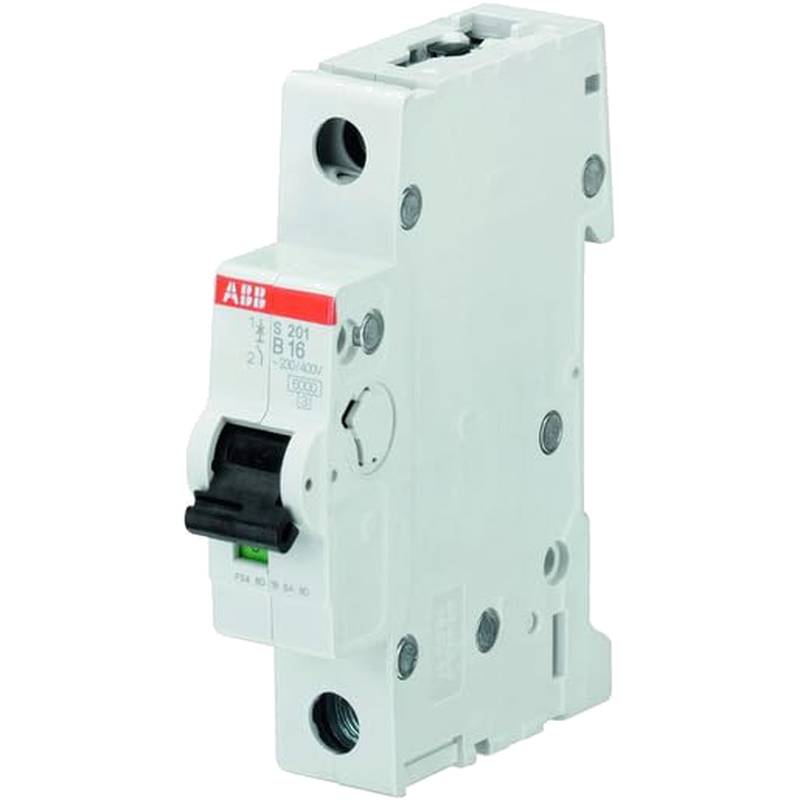
ABB S201M-C20 Modular Circuit Breaker 20A C Curve


The ABB S201M-C20 is a robust 20A modular circuit breaker, engineered for reliable protection in diverse electrical installations. Featuring a C-curve tripping characteristic, it's designed to handle moderate inrush currents without nuisance tripping, making it ideal for circuits with inductive loads like motors and transformers. This device offers superior overcurrent and short-circuit protection, ensuring the safety and integrity of electrical systems. With a rated breaking capacity of 6 kA, it provides robust defense against fault conditions. The S201M-C20 operates at 230/400V AC, supporting a wide range of industrial and commercial applications.
Product Specifications
| Feature | Specification |
| :-------------------------- | :------------------------ |
| Product Type | Modular Circuit Breaker |
| Manufacturer | ABB |
| Model | S201M-C20 |
| Rated Current (In) | 20 A |
| Tripping Curve | C |
| Number of Poles | 1 |
| Rated Voltage (Ue) | 230/400 V AC |
| Rated Breaking Capacity (Icn) | 6 kA |
| Frequency | 50/60 Hz |
| Protection Class | IP20 |
| Mounting Type | DIN Rail |
| Terminal Type | Cage Clamp |
Core Features & Market Positioning
The ABB S201M-C20 stands out in the market for its unwavering reliability and precise tripping behavior, a hallmark of ABB's commitment to electrical safety innovation. Its C-curve characteristic offers a distinct advantage over B or K curves in applications where connected equipment, such as motors or transformers, typically exhibits higher initial inrush currents during startup. This specific design minimizes the risk of unnecessary shutdowns, thereby enhancing operational continuity and reducing downtime – a critical factor in industrial settings. The robust 6 kA breaking capacity ensures effective protection against severe short-circuit events, safeguarding both personnel and valuable equipment. Manufactured by ABB, a globally recognized leader in power and automation technologies, the S201M-C20 benefits from decades of engineering expertise and stringent quality control, positioning it as a trusted component in professional electrical installations.
Key Application Scenarios
The ABB S201M-C20 is exceptionally well-suited for protecting circuits in commercial buildings and industrial facilities where loads are subject to moderate inductive surges. This includes controlling and safeguarding power circuits for small to medium-sized electric motors, such as those found in pumps, fans, and conveyor systems. It is also an excellent choice for protecting lighting circuits with fluorescent or LED ballasts, as well as transformers used in control panels or power distribution units. The C-curve's ability to tolerate higher temporary current peaks makes it a preferred solution for distribution boards where reliable circuit protection without nuisance tripping is paramount. Its compact modular design facilitates easy integration into standard DIN rail enclosures, common in electrical switchboards and control cabinets across various industries.
Practical System Integration Guidance
Integrating the ABB S201M-C20 into an existing electrical system is straightforward, leveraging standard DIN rail mounting for quick installation in control panels and distribution boards. Ensure the power supply is de-energized before commencing any work to guarantee safety. The circuit breaker connects to the electrical system via its cage clamp terminals, designed for secure and reliable termination of conductors. For single-phase applications, connect the incoming live conductor to the upper terminal and the outgoing load conductor to the lower terminal. Neutral and Earth connections should be made separately to the neutral and earth busbars, respectively. It is crucial to use appropriately sized conductors that match the 20A rating of the breaker to prevent overheating and ensure optimal performance. Always adhere to local electrical codes and standards during installation.
Operation and Risk Mitigation
Operating the ABB S201M-C20 is designed for simplicity and safety. The toggle lever serves as the primary interface for manual ON/OFF switching and also indicates the breaker's status – UP for ON, DOWN for OFF. In the event of an overcurrent or short-circuit fault, the breaker will automatically trip, moving the lever to the OFF position and interrupting the circuit. To reset the breaker after a fault has been cleared, simply move the lever fully to the OFF position and then back to the ON position. Risk mitigation is inherent in its design; the C-curve prevents nuisance tripping from typical motor inrush, reducing unnecessary downtime. However, it is critical to identify and rectify the root cause of any fault before resetting the breaker to prevent recurrence and potential damage. Never attempt to reset a breaker repeatedly without addressing the underlying issue. Proper system design, including correct conductor sizing and adherence to the breaker's specifications, is the primary method of risk mitigation.
Scalability & Long-Term Value
The ABB S201M-C20 offers excellent long-term value due to its compatibility within ABB's extensive S200 series of modular devices. This allows for seamless integration and expansion of protection schemes, enabling users to easily add more circuits or upgrade protection levels as system requirements evolve. The S200 series is designed for interoperability, meaning the S201M-C20 can be combined with other compatible ABB modular components, such as residual current devices (RCDs) or surge protective devices (SPDs), within the same distribution board. This modularity ensures a flexible and future-proof electrical infrastructure. Furthermore, ABB's focus on durable construction and high-quality materials guarantees a long operational lifespan, minimizing the need for premature replacements and contributing to the overall cost-effectiveness of electrical installations. Its adherence to international standards ensures broad applicability and interchangeability with other compliant devices.
*
Frequently Asked Questions (FAQs)
1. What is the main advantage of the C-curve on the ABB S201M-C20?
The C-curve allows for higher inrush currents without tripping. This is crucial for inductive loads like motors. It prevents nuisance tripping during startup.
It provides a balance between protection and operational continuity. This reduces unnecessary downtime in industrial settings. Many applications benefit from this characteristic.
The S201M-C20's C-curve protects against overloads and short circuits. It ensures reliable operation of sensitive equipment. This feature is vital for system stability.
2. Can the ABB S201M-C20 be used for DC applications?
No, this specific model is designed for AC circuits only. It is rated for 230/400V AC. Using it on DC systems is not recommended.
DC circuits have different arcing characteristics. Standard AC breakers may not safely interrupt DC faults. This can lead to equipment damage or fire.
Always select circuit breakers rated for the specific voltage and current type (AC or DC). For DC applications, specialized DC circuit breakers are required.
3. What is the breaking capacity of the ABB S201M-C20?
The S201M-C20 has a rated breaking capacity of 6 kA. This means it can safely interrupt fault currents up to 6000 Amperes. It provides robust protection against severe short circuits.
A higher breaking capacity is essential in industrial environments. It ensures the breaker can handle fault conditions without failing. This protects the rest of the electrical installation.
Ensure the breaking capacity is appropriate for the fault level at the point of installation. Consult electrical codes for specific requirements in your region.
4. How do I reset the ABB S201M-C20 after it trips?
To reset, first ensure the fault condition has been resolved. Then, move the toggle lever completely to the OFF position. Finally, push the lever back up to the ON position.
Never force the lever if it doesn't move easily. If the breaker trips immediately upon resetting, there is still an underlying fault. Re-investigating the circuit is necessary.
Always prioritize safety. De-energize the circuit if you are unsure about the fault. Consult a qualified electrician if problems persist.
5. What type of loads is the ABB S201M-C20 best suited for?
It's ideal for circuits with moderate inductive loads. This includes small to medium electric motors, pumps, and fans. It's also suitable for transformer-connected loads.
The C-curve provides tolerance for the higher inrush currents characteristic of these devices. This prevents nuisance tripping during motor start-up. It ensures smooth operation.
Lighting circuits with ballasts, such as fluorescent or some LED types, also benefit. It's a versatile breaker for general commercial and light industrial applications.
6. Can I install multiple ABB S201M-C20 breakers together in a panel?
Yes, the S201M-C20 is a modular circuit breaker designed for DIN rail mounting. It easily snaps onto standard 35mm DIN rails. Multiple units can be installed side-by-side.
This modularity allows for flexible configuration of electrical panels and distribution boards. You can create custom protection schemes by combining various breakers and modules. It simplifies installation and maintenance.
Ensure adequate space and proper spacing between modules within the enclosure. Always follow enclosure manufacturer guidelines for optimal thermal performance.
7. What is the IP rating of the ABB S201M-C20?
The ABB S201M-C20 has an IP20 rating. This means it is protected against solid objects larger than 12.5mm. It is not protected against water ingress.
IP20 is standard for indoor electrical enclosures and switchboards. It indicates a basic level of protection suitable for most building installations. It's designed for environments where water exposure is not a concern.
Ensure the breaker is installed within a suitable enclosure to protect it from dust, moisture, and physical damage. This maintains its operational integrity and safety.
8. What are the typical wiring terminals on the ABB S201M-C20?
This breaker typically features cage clamp terminals. These provide a secure connection for solid and stranded conductors. They are designed for easy and reliable termination.
Cage clamp terminals offer good conductivity and vibration resistance. This ensures a stable electrical connection over time. They are suitable for standard wiring practices in electrical installations.
Ensure conductors are properly stripped and inserted into the terminals. Tighten the screws sufficiently to secure the connection without damaging the conductor.
9. How does the S201M-C20 integrate with other ABB S200 series devices?
The S201M-C20 is part of ABB's S200 series, ensuring excellent compatibility. It can be easily combined with other S200 modular devices. This includes RCDs, RCBOs, and surge protectors.
This allows for building sophisticated and integrated protection solutions. You can create a comprehensive system for overcurrent, earth fault, and surge protection. It simplifies panel design and installation.
All S200 series devices are designed to mount on the same standard DIN rail. They often share similar connection and operational characteristics, promoting ease of use.
10. What is the voltage rating for the ABB S201M-C20?
The rated voltage (Ue) for the ABB S201M-C20 is 230/400V AC. This rating indicates its suitability for both single-phase (230V) and three-phase (400V) systems. It covers common supply voltages in many regions.
This voltage rating is standard for distribution circuit breakers in residential, commercial, and light industrial applications. It ensures safe and effective operation within these parameters. Always verify your system voltage matches the breaker's rating.
Using a breaker outside its rated voltage can lead to malfunction, reduced lifespan, or dangerous failure. Always confirm system voltage before installation.