











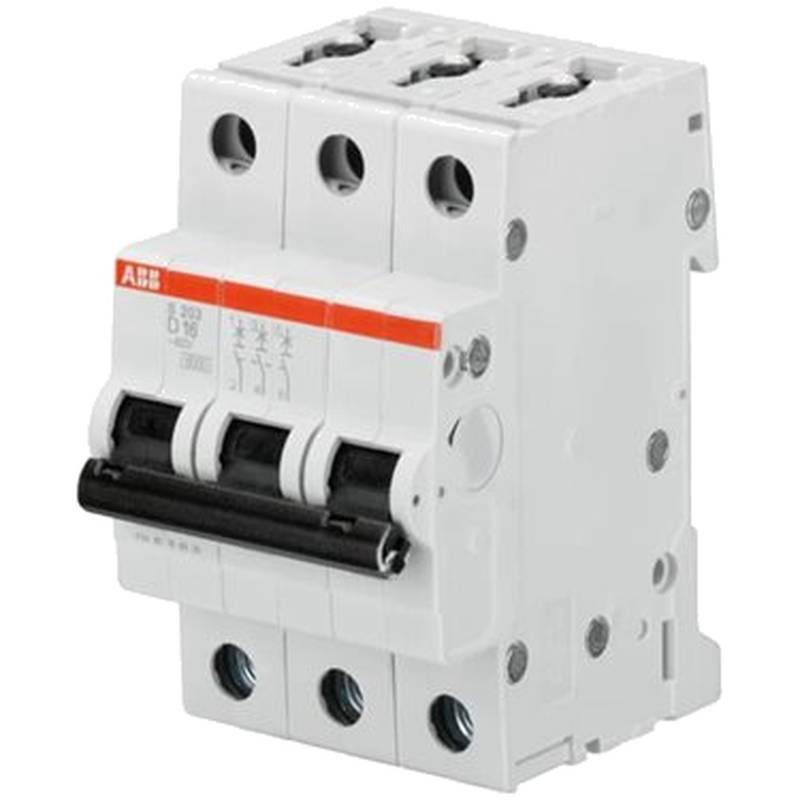
ABB S203M-D63 High Performance Unit 63A D Curve


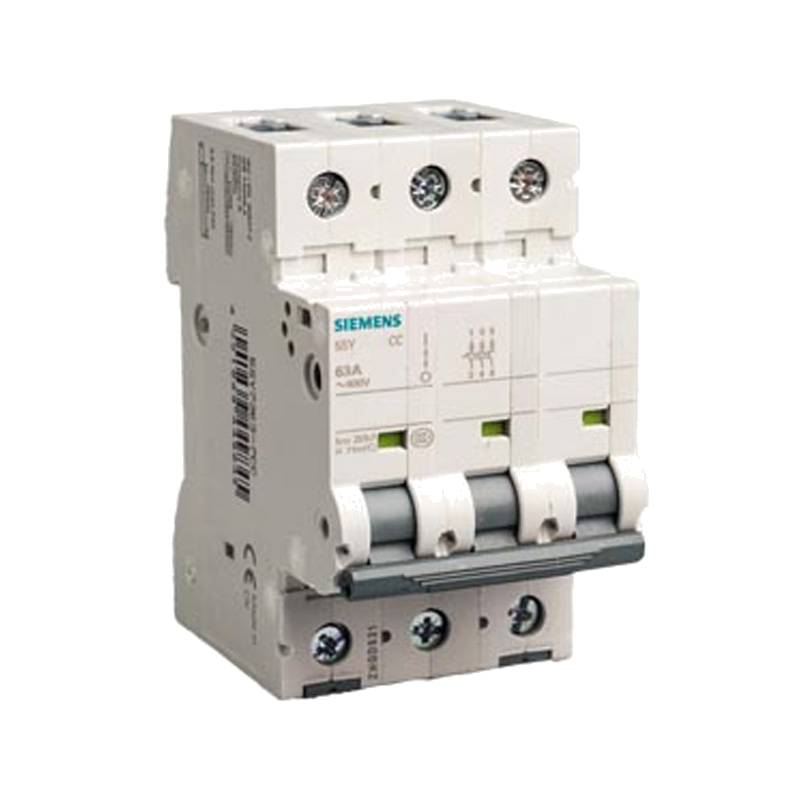
The ABB S203M-D63 is a high-performance miniature circuit breaker (MCB) designed for demanding industrial applications. Engineered with a D-curve tripping characteristic, this unit offers robust protection against high inrush currents, making it ideal for inductive loads. Its breaking capacity of 6.0 kA ensures safety and reliability in fault conditions. The S203M-D63 is a 3-pole unit, suitable for three-phase systems, and operates at a rated voltage of 400V AC. With a current rating of 63A, it provides precise and dependable circuit protection.
Product Specifications
| Feature | Specification |
| :------------------- | :-------------------------------- |
| Product Type | Miniature Circuit Breaker (MCB) |
| Series | S200M |
| Poles | 3 |
| Rated Current (I n) | 63 A |
| Tripping Curve | D |
| Rated Breaking Cap. (I c) | 6 kA |
| Rated Voltage (U n) | 400 V AC |
| Frequency | 50/60 Hz |
| Terminal Type | Screw Terminal |
| Protection Type | Overcurrent, Short Circuit |
| IP Rating | IP20 |
| Operating Temperature | -25 to +55 °C |
| Mounting | DIN Rail (35mm) |
| Compliance | IEC/EN 60898-1, IEC/EN 60947-2 |
Core Features & Market Positioning
The ABB S203M-D63 stands out due to its specialized D-curve characteristic, a critical differentiator for applications involving motors, transformers, and other equipment prone to high starting currents. This design prevents nuisance tripping during normal startup surges while maintaining rapid protection against short circuits. Its 6 kA breaking capacity is a robust standard for many industrial settings, ensuring personnel and equipment safety. Positioned as a high-performance unit, the S203M series from ABB leverages decades of electrical engineering expertise, offering a reliable and durable solution that minimizes downtime and maintenance needs in challenging industrial environments. The integration of advanced arc extinction technology further enhances its safety profile and operational lifespan.
Key Application Scenarios
This ABB S203M-D63 MCB is exceptionally well-suited for protecting three-phase motor circuits, especially where high starting currents are a given. Its D-curve is specifically engineered to handle these inductive loads without premature tripping, ensuring smooth motor operation. It is a cornerstone for power distribution in industrial plants, safeguarding machinery and electrical panels from overloads and short circuits. Applications within manufacturing facilities, processing plants, and building services that utilize large machinery, such as pumps, compressors, and HVAC systems, will benefit significantly from its precise protection capabilities. Furthermore, its robust construction makes it a reliable choice for environments requiring high levels of protection against electrical faults.
Practical System Integration Guidance
Integrating the ABB S203M-D63 into existing or new electrical systems is straightforward, leveraging standard 35mm DIN rail mounting for quick installation. Ensure that the incoming and outgoing power cables are correctly sized for the 63A rating and are securely terminated in the screw terminals. For three-phase applications, connect phase conductors to terminals 1, 3, and 5 (or 2, 4, and 6), ensuring correct phase rotation if applicable to the load. Always verify that the supply voltage does not exceed the rated 400V AC. Proper grounding of the system and enclosure is paramount for safety. Before energizing, double-check all connections for tightness and ensure no foreign objects are present within the breaker housing. Adherence to local electrical codes and standards is mandatory during installation.
Operation and Risk Mitigation
The primary function of the ABB S203M-D63 is to interrupt electrical circuits when fault currents exceed predefined thresholds, thereby preventing damage to equipment and mitigating fire hazards. Its D-curve mechanism provides a delayed response to overcurrents, allowing for the high inrush currents typical of motors during startup. If a short circuit occurs, the breaker trips almost instantaneously. In the event of a fault, the breaker's toggle will move to the "OFF" position. To reset, the toggle must be moved fully to "OFF" and then back to "ON." Common troubleshooting involves checking for the underlying cause of the trip, such as a short circuit in the connected equipment or a persistent overload condition, rather than simply resetting the breaker repeatedly. Always ensure the circuit is de-energized before attempting any inspection or reset.
Scalability & Long-Term Value
The S200M series, including the S203M-D63, offers excellent compatibility with other ABB components and standard modular DIN-rail equipment, facilitating easy integration into larger electrical distribution systems. This compatibility ensures that as power demands or system complexity grows, the ABB S203M-D63 can be seamlessly incorporated or supplemented. While MCBs themselves are not typically "upgraded" in the traditional sense, their long operational life and reliability contribute to the overall long-term value of the electrical installation. For enhanced digital integration, consider pairing these breakers with ABB's monitoring and control devices, which can provide real-time data on circuit status and enable remote operation, aligning with Industry 4.0 initiatives and smart grid requirements.
Frequently Asked Questions
What is the tripping characteristic of the ABB S203M-D63?
The ABB S203M-D63 features a D-curve tripping characteristic. This curve is designed to tolerate higher inrush currents typical of inductive loads. It provides protection against short circuits and overloads.
This characteristic makes it suitable for applications like motor protection. The D-curve trips at 10 to 20 times the rated current. This allows for motor startup surges without nuisance tripping.
The D-curve is less sensitive to small overloads compared to B or C curves. It offers robust protection for demanding industrial equipment.
Can the ABB S203M-D63 be used for single-phase applications?
While the S203M-D63 is a 3-pole unit, it can be used in single-phase systems. In such cases, only one or two poles would be utilized. It's crucial to ensure proper wiring and isolation of unused poles.
Using a 3-pole breaker for a single-phase load requires careful consideration. Ensure unused poles are safely isolated according to electrical codes. This prevents accidental energization.
For dedicated single-phase applications, a 1-pole or 2-pole breaker might be more cost-effective. However, the 3-pole unit offers flexibility if future three-phase needs arise.
What is the breaking capacity of the ABB S203M-D63?
The ABB S203M-D63 has a rated breaking capacity of 6 kA. This indicates the maximum fault current the breaker can safely interrupt. It ensures protection during short-circuit events.
A 6 kA breaking capacity is suitable for many industrial and commercial installations. It meets the requirements of standard electrical codes. Always ensure this capacity is sufficient for your system's prospective fault current.
Higher breaking capacity breakers are available for more critical or high-fault current applications. Verify the system's fault level requirements before selecting a breaker.
How do I install the ABB S203M-D63?
Installation requires mounting the breaker on a standard 35mm DIN rail. Securely connect the incoming and outgoing conductors to the screw terminals. Ensure correct phase connections for three-phase systems.
Before installation, de-energize the circuit completely. Verify all connections are tight and properly insulated. Follow all local electrical codes and safety regulations.
The breaker is designed for front wiring. Ensure adequate space for cable entry and exit. Proper grounding of the system is essential for safety.
What kind of loads is the D-curve breaker best suited for?
The D-curve is ideal for loads with high inrush currents. This includes electric motors, transformers, and solenoid coils. These loads draw significantly more current upon startup.
The D-curve's tripping threshold (10-20x In) allows these high startup currents. It prevents nuisance tripping during normal operation. Yet, it still provides rapid protection for faults.
Using a D-curve breaker ensures reliable operation of heavy inductive loads. It protects the circuit without interrupting normal startup sequences.
What is the difference between a D-curve and a C-curve breaker?
A C-curve breaker trips between 5 to 10 times its rated current. This is suitable for general-purpose applications with moderate inrush currents. Examples include lighting and socket outlets.
A D-curve breaker, on the other hand, trips between 10 to 20 times its rated current. This higher threshold is necessary for high inrush loads like motors. It allows for startup surges without tripping.
The choice depends on the load's characteristics. For motors and transformers, D-curve is generally preferred. For standard loads, C-curve is often sufficient.
What is the rated voltage for the ABB S203M-D63?
The rated voltage for the ABB S203M-D63 is 400V AC. This applies to both single-phase and three-phase configurations. Ensure the system voltage does not exceed this limit.
Operating the breaker above its rated voltage can lead to premature failure. It also poses a significant safety risk. Always confirm compatibility with your electrical system's voltage.
This rating is standard for most industrial three-phase power distribution systems. It ensures safe and reliable operation within specified parameters.
How do I reset a tripped ABB S203M-D63?
To reset a tripped breaker, first identify and rectify the cause of the trip. Move the breaker toggle completely to the "OFF" position. Then, push the toggle firmly back to the "ON" position.
If the breaker trips again immediately, do not force it. There is likely an ongoing fault condition. Further investigation of the circuit and connected equipment is necessary.
Repeatedly resetting a breaker without addressing the root cause can be dangerous. It may lead to equipment damage or fire hazards. Always ensure the fault is cleared before resetting.
Is the ABB S203M-D63 suitable for DC applications?
The ABB S203M-D63 is designed and rated for AC applications only. Its performance and safety characteristics are based on AC circuit interruption principles. Using it in DC circuits is not recommended and can be hazardous.
DC circuits have different arcing characteristics than AC circuits. Standard AC breakers may not be able to extinguish a DC arc effectively. This can lead to breaker failure and safety issues.
For DC applications, specific DC-rated circuit breakers must be used. Always consult the product datasheet and relevant standards for DC protection.
What is the significance of the 'M' in S203M-D63?
The 'M' in the S203M designation typically signifies features like enhanced breaking capacity or specific performance characteristics within the S200 series. It differentiates it from other sub-series within the S200 family.
This designation helps engineers identify specific performance levels. The 'M' series often indicates a higher performance or specific construction. It ensures the breaker meets stringent industrial requirements.
While specific details of the 'M' designation can vary, it points to a robust and reliable component. It is part of ABB's systematic product nomenclature.